My Account
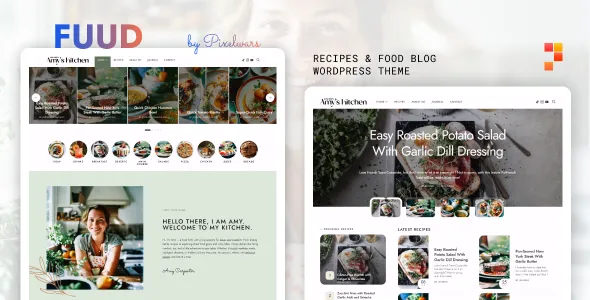
Fuud – Food Blog & Recipes WordPress Theme
Fuud – Food Blog & Recipes WordPress Theme
Fuud – Food Blog & Recipes WordPress Theme is a modern and visually appealing WordPress theme designed for food bloggers, recipe creators, cooking enthusiasts, chefs, culinary websites, food magazines, restaurant bloggers, nutrition writers, and anyone who wants to build a professional food-focused website. With its food-centered design approach, Fuud can help you present recipes, cooking stories, food photography, ingredients, preparation methods, and culinary content in an attractive and easy-to-browse format.
A successful food blog needs more than recipes alone. Readers want beautiful food images, easy-to-follow instructions, organized categories, useful cooking information, engaging stories, and a comfortable reading experience. Fuud – Food Blog & Recipes WordPress Theme provides a suitable foundation for creating this type of online experience. Whether you are launching a personal cooking blog, building a recipe collection, publishing a culinary magazine, or creating a food inspiration website, Fuud can give your content a polished digital presentation.
Modern Food Blog Website Design
Food websites depend heavily on presentation. A delicious recipe becomes much more appealing when it is supported by high-quality images, clean typography, organized information, and a well-structured layout.
Fuud – Food Blog & Recipes WordPress Theme is designed around the idea of presenting food content clearly while keeping the overall website visually attractive. The theme can be used to create a modern food blog where visitors can discover recipes, read articles, explore categories, and find inspiration for their next meal.
The design can work particularly well for websites that publish frequent content. Bloggers can create different posts for breakfast ideas, lunch recipes, dinner recipes, desserts, snacks, beverages, healthy meals, vegetarian food, baking, and international cuisine.
Food Blog WordPress Theme for Modern Creators
A food blog is often built around personality. Readers return not only because they like recipes but also because they enjoy the creator’s stories, photography, cooking style, and recommendations.
Fuud gives food creators a professional foundation for developing their own online identity. You can customize your website around your preferred cooking niche, visual style, writing approach, and content strategy.
It can be suitable for:
- Personal food bloggers
- Professional food bloggers
- Recipe creators
- Home cooks
- Chefs
- Cooking instructors
- Baking bloggers
- Dessert creators
- Vegetarian food bloggers
- Vegan recipe websites
- Healthy food bloggers
- Nutrition-focused content creators
- Culinary magazines
- Food photographers
- Restaurant bloggers
- Meal-planning websites
- Cooking communities
- Kitchen and food websites
Recipe Website WordPress Theme
Recipes are the heart of many food websites. A good recipe website needs to make information easy to understand and simple to follow.
Fuud – Food Blog & Recipes WordPress Theme can be used to create recipe-focused content where each recipe has its own dedicated presentation. Recipe creators can organize their cooking content into useful categories and make it easier for visitors to discover dishes.
A recipe page can include information such as:
- Recipe title
- Featured food image
- Recipe introduction
- Ingredients
- Cooking instructions
- Preparation information
- Cooking time
- Serving information
- Helpful cooking tips
- Recipe notes
- Related recipes
- Food photography
- Author information
This structure can help transform a basic recipe into a more complete and useful cooking resource.
Beautiful Food Content Presentation
Food is highly visual, making photography an important part of a food blog. A professional website should allow images to become an important part of the storytelling experience.
Fuud can provide an attractive environment for displaying food photography alongside written content. Bloggers can showcase finished dishes, preparation stages, ingredients, kitchen moments, baking projects, restaurant experiences, and culinary discoveries.
High-quality images can make recipe content more engaging while helping visitors understand what the final dish should look like.
Food Photography Blog
Food photographers can also use Fuud as a portfolio-style publishing platform. Instead of focusing only on recipes, the website can be built around visual food stories.
For example, a photographer could publish:
- Restaurant photography
- Food styling projects
- Recipe photography
- Baking photography
- Ingredient photography
- Seasonal food collections
- Culinary travel photography
- Kitchen photography
- Chef portraits
- Food preparation stories
The combination of images and editorial content can create a strong visual identity for a food-focused website.
Cooking Blog WordPress Theme
Cooking bloggers often publish different types of content throughout the week. A single website might contain quick meals, detailed recipes, cooking tutorials, kitchen tips, ingredient guides, and personal stories.
Fuud – Food Blog & Recipes WordPress Theme can support this broad content strategy by providing a professional environment for publishing different types of cooking articles.
A cooking blogger could create content around:
- Easy dinner recipes
- Quick breakfast recipes
- Family meals
- Weekend cooking
- Baking tutorials
- Homemade desserts
- Traditional recipes
- International cuisine
- Seasonal dishes
- Holiday recipes
- Cooking techniques
- Kitchen tips
- Ingredient guides
- Meal preparation ideas
Recipe Blog for Beginners
Starting a food blog can be exciting, but beginners often need a simple platform for organizing content.
Fuud can serve as a starting point for new food creators who want to establish an online presence without building a website design completely from scratch.
A beginner can start with a small number of recipes and gradually expand the website into a larger cooking resource.
As the website grows, new categories, recipes, articles, photography, and food stories can be added to create a more complete food blogging platform.
Professional Food Magazine Website
Fuud is not limited to personal recipe blogs. Its food-focused design concept can also work for editorial-style websites.
A food magazine can publish multiple content categories, including:
- Recipes
- Restaurant reviews
- Chef interviews
- Food trends
- Cooking advice
- Kitchen equipment
- Baking guides
- Healthy eating articles
- Food travel stories
- Seasonal food guides
- Ingredient information
This makes the theme suitable for publishers who want to create a broader culinary content website.
Organize Recipes by Categories
As a food website grows, organization becomes increasingly important.
Visitors should be able to discover recipes according to their interests rather than searching through every article manually.
Useful categories may include:
- Breakfast
- Lunch
- Dinner
- Desserts
- Snacks
- Drinks
- Baking
- Vegetarian
- Vegan
- Healthy
- Gluten-free
- Low-carb
- Italian
- Indian
- Mexican
- Asian
- American
- Seafood
- Chicken
- Pasta
- Rice
- Salads
Well-organized categories can improve navigation and help visitors find relevant recipes faster.
Easy Recipe Discovery
A strong food website should encourage visitors to continue exploring.
After reading one recipe, visitors may want to discover another similar recipe. Related content can help create this journey.
For example, someone reading a pasta recipe could also be interested in:
- Homemade pasta sauces
- Italian dinner recipes
- Garlic bread
- Pasta salads
- Vegetarian pasta
- Quick pasta meals
This type of content relationship can increase engagement and encourage visitors to explore more pages.
Food Blog for SEO
Search engine optimization is particularly important for food blogs because people frequently search online for specific recipes, ingredients, cooking methods, and meal ideas.
Fuud – Food Blog & Recipes WordPress Theme can provide a professional content structure on which an SEO-focused food website can be developed.
Food bloggers can create targeted content around phrases such as:
- Easy dinner recipes
- Healthy breakfast recipes
- Homemade dessert recipes
- Quick lunch ideas
- Easy vegetarian recipes
- Simple baking recipes
- Traditional food recipes
- Easy family meals
- Healthy meal ideas
- Homemade snack recipes
When combined with useful original content, strong images, appropriate headings, internal linking, and good SEO practices, a food website can build a strong organic search presence.
Recipe Keyword Strategy
A food website can target both broad and specific search phrases.
Broad keywords might include:
- Food blog
- Recipes
- Cooking recipes
- Healthy food
- Easy recipes
Long-tail keywords can be more specific:
- Easy chicken dinner recipe
- Homemade chocolate cake recipe
- Quick vegetarian lunch ideas
- Healthy breakfast recipes for families
- Easy homemade pasta recipe
Publishing detailed content around specific topics can help a food website build topical relevance over time.
Mobile-Friendly Food Website
Many people search for recipes while standing in the kitchen, shopping for ingredients, or preparing meals. Because of this, mobile usability is extremely important for food websites.
Fuud can be used as a foundation for a responsive food website that presents content across different screen sizes.
A mobile-friendly layout can make it easier for visitors to:
- Read recipes
- View food images
- Navigate categories
- Search for dishes
- Follow cooking instructions
- Explore related recipes
- Read cooking articles
A comfortable mobile experience can be particularly valuable for recipe websites.
Responsive WordPress Food Theme
Visitors may access a food blog using smartphones, tablets, laptops, and desktop computers.
A responsive approach helps the website adapt its presentation to different devices. This allows the same recipe content to remain accessible regardless of the screen being used.
Responsive presentation is especially useful for food bloggers because cooking-related searches are often performed on mobile devices.
Personal Recipe Collection
Fuud can be used to create a personal online recipe collection.
Instead of keeping recipes only in notebooks or private documents, creators can publish them online and organize them into categories.
A personal recipe website could include:
- Family recipes
- Traditional recipes
- Favorite meals
- Special occasion dishes
- Childhood recipes
- Baking experiments
- New cooking discoveries
- Seasonal favorites
Over time, this can become a valuable digital cookbook.
Online Cookbook Website
Food creators can use Fuud to build an online cookbook-style website.
Each article can represent a recipe or cooking chapter, while categories can organize the cookbook into different sections.
For example:
Breakfast Cookbook
- Pancakes
- Omelets
- Smoothies
- Breakfast bowls
- Toast recipes
Main Course Cookbook
- Chicken recipes
- Pasta dishes
- Rice meals
- Vegetarian dishes
- Seafood recipes
Dessert Cookbook
- Cakes
- Cookies
- Brownies
- Puddings
- Ice cream
This structure makes a website feel like an evolving digital cookbook.
Recipe Content Marketing
Food businesses and creators can also use recipes as a content marketing strategy.
A food brand could publish useful recipes that naturally introduce its products or ingredients.
For example, a company selling sauces could publish:
- Pasta recipes
- Sandwich recipes
- Marinade ideas
- Dip recipes
- Quick dinner recipes
A food ingredient company could publish recipes demonstrating different ways to use its products.
This approach can attract visitors while also providing valuable information.
Restaurant Food Blog
Restaurants can use a food blog to share more than menu information.
A restaurant website could publish:
- Signature dish stories
- Chef interviews
- Ingredient stories
- Behind-the-scenes content
- New dish announcements
- Cooking inspiration
- Seasonal menus
- Restaurant events
- Food photography
Fuud can provide a visually suitable foundation for this type of restaurant content.
Chef Website
Professional chefs can create a personal website that combines recipes, biography information, culinary stories, photography, and articles.
A chef could use the website to showcase:
- Signature recipes
- Culinary experience
- Cooking philosophy
- Food photography
- Media appearances
- Restaurant projects
- Cooking events
- Published work
This can help create a professional online identity.
Food Influencer Website
Social media is an important platform for food creators, but owning a dedicated website can provide greater control over long-form content.
Food influencers can use Fuud to create a central destination for their recipes and cooking content.
Social media posts can direct followers toward detailed recipes on the website.
This creates an ecosystem where:
- Social media attracts attention
- The website provides detailed recipes
- Blog content builds search visibility
- Email marketing can retain readers
- Recipe archives encourage repeat visits
Food Blogger Personal Branding
Personal branding can help a food blog stand apart from thousands of other websites.
Fuud can be customized around the creator’s personality and visual identity.
Branding elements can include:
- Logo
- Brand colors
- Typography
- Author profile
- Photography style
- Writing tone
- Recipe categories
- Social media profiles
A consistent brand can make a food website more recognizable.
Cooking Tutorial Website
Food content does not have to be limited to static recipes.
Creators can also publish cooking tutorials explaining techniques step by step.
Potential tutorial topics include:
- How to make homemade bread
- How to cook perfect rice
- How to prepare pasta
- How to bake a cake
- How to prepare vegetables
- How to make homemade sauces
- How to store ingredients
- How to improve knife skills
These tutorials can attract visitors who are looking for educational cooking content.
Baking Blog WordPress Theme
Baking websites require strong visual presentation because cakes, pastries, breads, cookies, and desserts are naturally image-driven.
Fuud can be adapted for a baking-focused website where creators publish recipes and photography for:
- Cakes
- Cupcakes
- Cookies
- Brownies
- Cheesecakes
- Bread
- Pastries
- Muffins
- Pies
- Tarts
- Homemade desserts
A well-organized baking archive can become a valuable resource for home bakers.
Healthy Food Blog
Health-conscious food creators can use the theme to publish nutritious recipe ideas and educational food articles.
A healthy food blog might cover:
- Healthy breakfast
- Balanced lunches
- Nutritious dinners
- Healthy snacks
- Smoothies
- Salads
- Vegetarian meals
- Vegan recipes
- Meal preparation
- Ingredient guides
The visual structure of a food website can make educational content more approachable and engaging.
Vegetarian Recipe Website
Vegetarian recipe creators can build a focused website around plant-based meals.
Categories could include:
- Vegetarian breakfast
- Vegetarian lunch
- Vegetarian dinner
- Vegetarian snacks
- Vegetarian desserts
- Vegetable soups
- Salads
- Pasta
- Rice dishes
A dedicated category structure helps visitors discover recipes based on dietary preferences.
Vegan Food Blog
Vegan food creators can use Fuud to build a dedicated recipe archive.
Potential topics include:
- Vegan breakfast
- Vegan desserts
- Vegan dinner
- Plant-based snacks
- Vegan baking
- Plant-based meal ideas
- Homemade vegan sauces
The theme can provide a professional presentation for educational and recipe-based content.
Food Travel Blog
Food and travel are closely connected. A food blogger can combine culinary experiences with travel stories.
A food travel website might publish:
- Local food guides
- Restaurant discoveries
- Traditional dishes
- Street food stories
- Regional recipes
- Culinary travel experiences
- Food photography
This creates an editorial website that combines travel inspiration with food content.
Restaurant Review Website
Fuud can also be used for restaurant review content.
A reviewer can publish articles covering:
- Restaurant atmosphere
- Menu highlights
- Signature dishes
- Food photography
- Service experiences
- Location information
- Personal recommendations
A consistent review structure can make the website easier for readers to navigate.
Food Magazine Content Strategy
A successful food magazine should publish different types of articles rather than repeating the same format.
A content calendar could include:
- Monday: Quick recipe
- Tuesday: Cooking tip
- Wednesday: Ingredient guide
- Thursday: Dessert recipe
- Friday: Restaurant feature
- Saturday: Weekend recipe
- Sunday: Food story
This variety can keep the website fresh and encourage regular visitors.
Seasonal Recipe Content
Seasonal content provides excellent opportunities for food bloggers.
Examples include:
- Summer recipes
- Winter comfort food
- Monsoon snacks
- Spring salads
- Holiday baking
- Festival recipes
- Christmas desserts
- New Year meals
- Family celebration recipes
Seasonal articles can attract visitors searching for timely cooking inspiration.
Food Blog Categories
A well-planned category structure can improve the overall user experience.
Popular category groups include:
- Recipes
- Breakfast
- Lunch
- Dinner
- Desserts
- Baking
- Drinks
- Healthy Food
- Vegetarian
- Vegan
- Food Tips
- Cooking Guides
- Restaurant Reviews
- Food Travel
- Kitchen Ideas
Creators can choose categories according to their specific content strategy.
Recipe Search Experience
As a recipe archive grows, search becomes increasingly valuable.
Visitors may arrive with a very specific goal such as finding a chicken recipe, dessert recipe, vegetarian dinner, or quick breakfast.
A clear search experience can help visitors locate relevant content without navigating through every category.
Search-friendly content organization can also support repeat visitors who return to find recipes they previously enjoyed.
Blog Post Layouts
Food blogs often publish content in different formats.
A creator may want to display:
- Featured articles
- Latest recipes
- Popular recipes
- Category collections
- Food photography
- Editorial stories
- Recipe guides
Different content presentations can help create a dynamic homepage and make important content easier to discover.
Food Photography Gallery
A gallery-style presentation can be useful for food photographers and visual bloggers.
Food images can be grouped into collections such as:
- Breakfast photography
- Dessert photography
- Restaurant photography
- Baking photography
- Seasonal food
- Food styling
- Recipe photography
Visual collections can give visitors a quick overview of the creator’s work.
Recipe Website Navigation
Navigation should be simple and logical.
A food blog can use its main menu to connect visitors with important sections such as:
- Home
- Recipes
- Categories
- About
- Blog
- Gallery
- Contact
Additional navigation elements can direct users toward popular recipe categories or special collections.
About Page for Food Bloggers
An About page gives creators an opportunity to tell their story.
Food bloggers can explain:
- Why they started cooking
- How their food journey began
- Their favorite cuisines
- Their cooking philosophy
- Their photography style
- Their recipe development process
This personal connection can make a recipe website feel more authentic.
Contact Page for Food Websites
A dedicated contact page can make it easier for readers, brands, restaurants, publishers, and collaborators to reach the website owner.
Possible contact purposes include:
- Collaboration requests
- Recipe questions
- Sponsorship opportunities
- Brand partnerships
- Media inquiries
- Restaurant invitations
- Food photography projects
A professional contact section can support business opportunities.
Food Blog Monetization
A successful food blog can eventually become a business.
Possible monetization methods include:
- Advertising
- Sponsored recipes
- Brand partnerships
- Affiliate marketing
- Digital cookbooks
- Recipe memberships
- Cooking courses
- Food photography services
- Sponsored content
- Product recommendations
Fuud can provide the visual foundation for a website that grows from a hobby blog into a professional content business.
Affiliate Marketing for Food Bloggers
Food bloggers can recommend products they genuinely use, such as:
- Kitchen appliances
- Cookware
- Baking equipment
- Knives
- Storage containers
- Cooking tools
- Food photography equipment
Detailed articles can naturally include product recommendations and educational information.
Digital Cookbook Promotion
Once a food blogger has published a large collection of recipes, they can organize their best recipes into a digital cookbook.
The website can be used to promote the cookbook through:
- Recipe previews
- Author stories
- Cookbook announcements
- Featured recipes
- Reader testimonials
- Special offers
This can create an additional revenue opportunity for food creators.
Food Blog Newsletter
Email newsletters can help food bloggers build a direct relationship with their audience.
A newsletter can share:
- New recipes
- Weekly meal ideas
- Cooking tips
- Seasonal recipes
- New blog posts
- Special content
- Cookbook updates
Visitors who enjoy a recipe can become regular readers through email communication.
Social Media Integration Strategy
Food content performs strongly on visual social platforms because recipes and finished dishes are naturally shareable.
Food bloggers can use their website as the main content hub while using social platforms for discovery.
A typical content flow can be:
- Publish recipe on the website.
- Create food photography for social media.
- Share a short recipe preview.
- Direct followers to the complete recipe.
- Encourage readers to explore related recipes.
This approach can help connect social media activity with website traffic.
Recipe Content for Pinterest
Recipe websites can also create highly visual content suitable for image-based discovery platforms.
Strong food photography combined with descriptive recipe titles can help users discover content and return to the website.
A food blog can create visual collections around:
- Dinner ideas
- Dessert recipes
- Breakfast recipes
- Healthy meals
- Baking
- Holiday recipes
Food Blog User Experience
The user experience of a food website should be focused on clarity.
Visitors usually want to answer simple questions quickly:
- What recipe is this?
- What ingredients do I need?
- How long will it take?
- How difficult is it?
- How many people does it serve?
- What are the cooking steps?
Organizing content around these questions can make recipes easier to use.
Recipe Content Formatting
Long paragraphs can make cooking instructions difficult to follow.
Food bloggers should consider using:
- Short paragraphs
- Clear headings
- Numbered instructions
- Bullet lists
- Ingredient sections
- Helpful notes
- Image breaks
Fuud’s food-focused presentation can support a content strategy built around readable and visually engaging recipes.
Food Blog Typography
Typography plays an important role in editorial websites.
Readable fonts, appropriate spacing, clear headings, and comfortable line lengths can make long recipes easier to consume.
This is especially important when visitors are reading recipes from mobile devices while cooking.
Creative Culinary Website
Fuud can also be used beyond traditional recipe blogging.
Creative culinary websites can combine:
- Food photography
- Personal stories
- Recipes
- Interviews
- Restaurant guides
- Cooking tutorials
- Culinary travel
- Ingredient education
This flexibility makes the theme useful for creators who want a broader food-related identity.
Food Content for Families
Family-focused food bloggers can publish practical recipes designed around everyday meals.
Content ideas include:
- Easy family dinners
- School lunch ideas
- Weekend meals
- Quick breakfast
- Family baking
- Kid-friendly recipes
- Budget-friendly meals
This type of practical content can attract readers looking for realistic cooking solutions.
Easy Meal Ideas Blog
Many visitors search for meal inspiration rather than individual ingredients.
A food blog can create collections such as:
- 15-minute meals
- One-pot recipes
- Weekend meals
- Easy family dinners
- Quick lunches
- Simple breakfasts
Collection-based content can make the website more useful for busy readers.
Food Blog for Home Cooks
Fuud is particularly suitable for creators who want to share practical home cooking experiences.
A home cook can publish recipes based on personal experience and gradually build an online archive.
The website can become a digital collection of tested recipes and cooking stories.
Food Website for Culinary Communities
Food websites can also encourage community participation.
A creator may build a community around:
- Recipe discussions
- Cooking challenges
- Food stories
- Reader submissions
- Recipe recommendations
- Seasonal cooking events
Community-focused content can increase engagement and encourage visitors to return.
WordPress Food Theme for Content Growth
A food blog often starts with a small number of articles and grows significantly over time.
The theme should therefore provide a suitable foundation for long-term publishing.
As the website expands, creators can add:
- More recipes
- More categories
- More images
- More cooking guides
- More authors
- More editorial content
- More promotional pages
This makes Fuud useful for both new and established food content websites.
Professional Recipe Branding
Branding can turn a collection of recipes into a recognizable food publication.
A professional food brand can use:
- Consistent colors
- Logo placement
- Custom imagery
- Author identity
- Consistent recipe formatting
- Recognizable typography
- Social media branding
A strong visual identity can make the website easier for readers to remember.
Food Blog Performance Considerations
Website performance is important for image-heavy food websites.
Food bloggers should optimize their images, reduce unnecessary file sizes, use appropriate image dimensions, and follow general WordPress performance best practices.
A fast-loading website can provide a better experience for readers and may support stronger engagement.
SEO-Friendly Recipe Content
Good SEO content should be created for readers first.
A strong recipe article can include:
- A descriptive title
- Useful introduction
- Clear ingredients
- Step-by-step preparation
- Cooking tips
- Relevant internal links
- Related recipes
- Descriptive image information
- Helpful FAQs
This can make content more useful while also creating opportunities for search visibility.
Internal Linking for Food Blogs
Internal linking can help connect related recipes.
For example, an article about homemade tomato sauce could link to:
- Pasta recipes
- Pizza recipes
- Italian recipes
- Garlic bread
- Vegetarian dinners
This creates a connected recipe ecosystem.
Build a Strong Recipe Archive
A successful food website can become more valuable as its recipe archive grows.
Instead of publishing isolated recipes, creators can build topic clusters.
For example:
Pasta Cluster
- Homemade pasta
- Tomato pasta
- Creamy pasta
- Vegetarian pasta
- Pasta salad
- Pasta sauces
This structure can improve content discovery and create a better experience for readers.
Food Blog for Content Creators
Content creators need a platform that allows them to publish consistently and develop a recognizable identity.
Fuud can provide the foundation for creators who want to focus on food, cooking, recipes, photography, and culinary storytelling.
The website can become the central home for all of their long-form content.
Why Choose Fuud – Food Blog & Recipes WordPress Theme?
Fuud is a strong choice for anyone looking for a food-focused WordPress website foundation.
Important benefits include:
- Food-centered website concept
- Suitable for recipe blogs
- Professional editorial presentation
- Suitable for food photography
- Useful for cooking blogs
- Adaptable for culinary magazines
- Suitable for chefs and food creators
- Recipe-focused content possibilities
- Category-based food organization
- Mobile-friendly website approach
- Suitable for personal branding
- Flexible content publishing
- Useful for SEO-focused food content
- Suitable for different food niches
- Ideal for long-term content growth
Ideal Users of Fuud
Fuud – Food Blog & Recipes WordPress Theme can be considered for:
Food Bloggers
Create a dedicated website for recipes, food stories, cooking experiences, and photography.
Recipe Creators
Build an organized recipe archive where readers can discover new dishes.
Chefs
Showcase culinary expertise, recipes, cooking philosophy, and professional experience.
Bakers
Publish beautiful baking recipes, tutorials, and dessert photography.
Food Photographers
Create a visual portfolio and food photography blog.
Culinary Writers
Publish long-form food stories, restaurant reviews, ingredient guides, and recipes.
Cooking Instructors
Create educational cooking articles and tutorials.
Food Magazines
Develop a broader editorial platform covering multiple food categories.
Restaurants
Publish culinary stories, signature dishes, chef features, and restaurant news.
Fuud for Different Food Niches
One of the strengths of a food-focused WordPress theme is its ability to adapt to different culinary niches.
Fuud can be used for:
- Indian food blogs
- Italian food blogs
- Asian recipe blogs
- Baking websites
- Dessert blogs
- Healthy food blogs
- Vegetarian websites
- Vegan food websites
- Restaurant blogs
- Chef websites
- Food photography portfolios
- Culinary magazines
- Recipe communities
- Food travel blogs
- Cooking tutorial websites
Indian Recipe Blog
An Indian food blogger can use Fuud to publish recipes for:
- North Indian food
- South Indian food
- Gujarati recipes
- Punjabi recipes
- Bengali recipes
- Rajasthani dishes
- Street food
- Indian desserts
- Festival recipes
- Traditional family meals
A structured recipe archive can help readers explore regional cuisines.
International Recipe Website
Food creators can also publish recipes from around the world.
Possible categories include:
- Italian cuisine
- Mexican cuisine
- Japanese cuisine
- Thai cuisine
- Mediterranean cuisine
- American cuisine
- French cuisine
- Korean cuisine
- Middle Eastern cuisine
This can turn a simple food blog into an international culinary resource.
Food Blog Content Ideas
A food blogger using Fuud can create endless content opportunities.
Some ideas include:
- Recipe of the week
- Ingredient of the week
- Cooking tip of the day
- Seasonal recipe collection
- Weekend baking project
- Restaurant review
- Chef interview
- Kitchen organization tips
- Food photography story
- Favorite family recipe
This makes it easier to maintain an active editorial calendar.
Build Trust Through Useful Recipes
Readers are more likely to return when recipes are genuinely helpful.
Food creators should focus on providing clear instructions, realistic preparation information, useful tips, and honest cooking experiences.
A professional presentation combined with valuable content can help establish long-term trust.
Create a Memorable Food Brand
A food website should feel like more than a collection of articles.
With consistent design, photography, typography, and writing style, Fuud can be adapted into a recognizable culinary brand.
Over time, readers may associate the visual identity with the creator’s recipes and cooking philosophy.
Long-Term Food Website Strategy
A successful food website can evolve over several stages.
Stage One: Start
Publish the first recipes and introduce the creator.
Stage Two: Organize
Create categories and recipe collections.
Stage Three: Grow
Publish consistently and improve search visibility.
Stage Four: Build Community
Encourage social engagement and email subscriptions.
Stage Five: Monetize
Introduce suitable advertising, partnerships, products, or digital cookbooks.
Stage Six: Expand
Develop additional food-related products and services.
Fuud can serve as a flexible foundation throughout these stages.
Conclusion
Fuud – Food Blog & Recipes WordPress Theme is a suitable choice for creators who want to build a visually engaging and professional food website. Its food-focused concept can work for recipe bloggers, cooking enthusiasts, chefs, bakers, food photographers, culinary writers, restaurants, food magazines, and other food-related projects.
A modern food website needs to combine beautiful presentation with useful content. Recipes should be easy to discover, cooking information should be readable, images should support the story, and categories should help visitors explore more content. Fuud can provide the foundation for developing this type of online culinary experience.
Whether you want to create a personal recipe blog, an online cookbook, a food photography website, a cooking magazine, a healthy food blog, a baking website, or a professional culinary publication, Fuud offers a food-centered starting point for building your WordPress website.
With consistent content creation, strong food photography, useful recipes, smart SEO practices, clear navigation, and a recognizable brand identity, your website can grow into a valuable destination for food lovers and cooking enthusiasts.