My Account
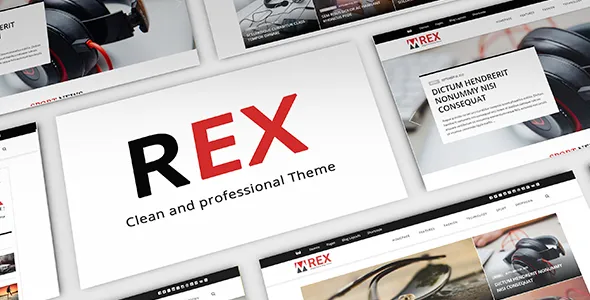
The REX – WordPress Magazine and Blog Theme
The REX – WordPress Magazine and Blog Theme is a modern website design solution for publishers, bloggers, journalists, content creators, online magazines, and digital media businesses looking to establish a professional online presence. Designed for content-focused websites, The REX offers a flexible foundation for presenting articles, sharing news, publishing editorial stories, and organizing a wide range of written content. Whether you are launching a personal blog, building a digital magazine, creating an online newspaper, or managing a niche publication, this WordPress magazine theme can help you develop a structured and engaging website that reflects your brand identity.
With its magazine-inspired approach to content presentation, The REX is suitable for websites that publish frequent updates and need a clear way to organize information. A well-designed blog or magazine website should make it easy for visitors to discover articles, navigate between categories, and explore relevant stories without unnecessary distractions. The REX provides a starting point for creating this type of experience, allowing website owners to build a content destination around their chosen niche, audience, and publishing strategy. Its practical design direction makes it relevant to technology blogs, lifestyle magazines, fashion publications, business news websites, entertainment portals, travel journals, and many other editorial projects.
A Modern WordPress Magazine and Blog Design
The REX is intended for publishers who want a website that gives articles and editorial content an important place in the overall design. Magazine websites often contain multiple categories, featured stories, recent posts, opinion pieces, and evergreen guides. Presenting this information in a clear hierarchy can help readers understand what a website offers and decide which stories they want to read.
The REX – WordPress Magazine and Blog Theme provides a foundation for developing a professional publishing website without requiring every page to be designed from scratch. Website owners can adapt their presentation to suit different editorial identities, whether they prefer a clean news portal, a visually engaging lifestyle magazine, or a text-focused personal blog. The final appearance and available customization options depend on the theme’s current version, settings, and compatible WordPress tools.
A consistent design also helps create a recognizable identity. By using coordinated typography, colors, imagery, spacing, and content layouts, publishers can make their websites feel cohesive across different sections. This is particularly useful for online magazines that cover several subjects but still need a unified visual style.
Ideal for Online Magazines and Digital Publications
Digital magazines need to present a large amount of information without making the browsing experience feel complicated. Readers may arrive through a search engine, social media post, newsletter, or direct visit, so the website should help them identify relevant content quickly.
The REX can serve as a starting point for building a digital publication with organized article sections and a clear editorial structure. Publishers can plan their homepage around important stories, new articles, popular topics, and category-specific content, depending on the theme’s available layout options.
Potential applications include:
- Online news magazines covering local, national, or international developments.
- Lifestyle publications featuring wellness, relationships, home improvement, and everyday inspiration.
- Fashion and beauty magazines publishing style guides, seasonal trends, and product-related articles.
- Technology blogs covering software, gadgets, digital tools, and industry developments.
- Business publications sharing entrepreneurship advice, market commentary, and professional insights.
- Entertainment websites covering films, television, music, celebrity news, and popular culture.
- Travel magazines featuring destination guides, itineraries, travel tips, and cultural experiences.
- Sports blogs publishing match reports, analysis, interviews, and sporting updates.
- Food publications sharing recipes, restaurant stories, cooking advice, and culinary discoveries.
- Educational blogs offering tutorials, explainers, study resources, and informative articles.
This range of possible applications makes the theme relevant to publishers with different content strategies. A website owner can select a specific niche and organize its editorial sections around the interests and expectations of the intended audience.
Create a Professional Blogging Website
A successful blog needs more than a collection of articles. It requires a recognizable identity, readable content, consistent navigation, and a layout that supports the relationship between the writer and the reader. The REX offers a WordPress-based foundation for developing a blog that brings these elements together.
Personal bloggers can use a suitable layout to share experiences, publish tutorials, document creative projects, or discuss topics they care about. Professional bloggers can organize articles around specific categories and develop a more structured publishing strategy. Businesses can also use a blog to publish educational resources, industry insights, company updates, and answers to common customer questions.
The theme’s overall magazine and blog orientation can support different editorial styles. A writer focused on long-form articles may prioritize typography and comfortable reading space, while a visual creator may prefer layouts that give photography and featured images greater prominence. The precise layout choices available should be confirmed against the current theme documentation.
A consistent blog structure can also make content management easier. When article pages follow a familiar format, readers know where to look for titles, introductory text, main content, related information, and other available post elements.
Organize Content with Categories and Sections
Content organization is essential for websites that publish regularly. As a blog grows, readers need reliable ways to find older articles, explore related subjects, and understand how different topics connect. A clear category structure helps prevent a publication from becoming a disorganized collection of posts.
With The REX, website owners can plan a magazine-style information architecture around the topics they publish. For example, a technology publication might organize its content into software, smartphones, artificial intelligence, reviews, and tutorials. A lifestyle magazine might use categories such as fashion, health, travel, home, and entertainment.
A useful category system should reflect the real needs of the audience rather than simply the preferences of the publisher. Too many categories can create confusion, while overly broad categories can make content difficult to discover. A carefully planned structure helps readers move naturally from a broad subject to a specific article.
Publishers should also use descriptive category names and consistent internal links. These practices can improve navigation and help search engines understand the relationships between related pages. Depending on the available theme layouts, category pages can be styled to complement the broader visual identity of the publication.
Highlight Featured Stories and Important Articles
Featured content can help establish the identity of a magazine homepage. Editors often need to give prominent attention to breaking news, major announcements, seasonal features, important investigations, or articles that represent the publication’s core subject.
The REX can be considered for websites that want to build a content hierarchy around editorial priorities. When the theme provides suitable featured-post or homepage layout controls, publishers can use them to give selected stories greater visibility. Exact display options should be verified in the current theme demo and documentation.
Choosing featured content strategically is more effective than highlighting every article equally. A homepage can introduce the publication’s main subject, draw attention to timely stories, and guide visitors toward deeper sections of the website. Featured images and concise headlines can help readers understand what each story is about before opening it.
Editors should select imagery that accurately represents the article and use headlines that communicate the subject clearly. Strong presentation can attract attention, but it should always support the quality and accuracy of the content itself.
Responsive Website Experience Across Devices
Readers access online publications from a wide range of devices, including desktop computers, laptops, tablets, and smartphones. A magazine website therefore needs to remain usable when the available screen space changes.
The REX is intended for WordPress publishing projects, but buyers should verify the current version’s responsive behavior using the official preview or demonstration website. A responsive layout should allow text, images, menus, article cards, and other page elements to adapt appropriately to different screen sizes.
Mobile usability is especially important for editorial websites because readers frequently discover articles through search results, social platforms, and messaging applications. If a page is difficult to navigate on a small screen, visitors may leave before reading the content.
When configuring the website, test the homepage, category archives, individual articles, navigation menus, and footer on common mobile screen sizes. Check that headlines do not overflow, images maintain appropriate proportions, and paragraphs remain comfortable to read. Responsive design should be evaluated as part of the complete website setup rather than assumed from the theme name alone.
Readable Typography for Article Publishing
Typography directly affects the reading experience. A magazine may publish excellent information, but readers can struggle to engage with it if the text is too small, spacing is cramped, or headings do not create a clear hierarchy.
The REX can provide a starting point for creating a consistent typographic system for blog posts and editorial pages. When customization options are available, publishers can adjust font choices, text sizes, heading styles, line spacing, and other visual settings to suit their brand.
For long-form content, body text should be comfortable to read across desktop and mobile screens. Headings should describe the content that follows, while paragraph spacing can help readers move through the article without losing their place. Lists, quotations, images, and descriptive subheadings can add variety to lengthy posts when they contribute useful information.
A magazine website should also maintain consistent typography across its main sections. Using too many unrelated font styles can make a publication appear fragmented. A small, carefully chosen typographic system generally creates a more cohesive editorial identity.
Build a Distinctive Editorial Brand
Every publication benefits from a recognizable brand. A strong visual identity helps readers distinguish one magazine from another and creates consistency across articles, category pages, promotional graphics, and social media content.
The REX – WordPress Magazine and Blog Theme can be evaluated as part of a broader branding strategy. Website owners can plan their logo, color palette, typography, imagery, and editorial tone around the audience they want to reach. The specific customization capabilities depend on the theme’s supported settings and the tools installed on the WordPress website.
A business publication might choose restrained colors and structured layouts to communicate professionalism. A fashion blog may favor expressive imagery and a more editorial visual style. A travel magazine might use destination photography to establish its subject immediately, while a technology publication may emphasize clarity and information density.
Branding should remain consistent without reducing readability. Colors need sufficient contrast, logos should display clearly on different devices, and visual decorations should not interfere with navigation. A recognizable identity is most effective when it supports the content instead of competing with it.
WordPress Content Management Workflow
WordPress is widely used for publishing articles, maintaining pages, managing media, and organizing website content. The REX is designed for this WordPress publishing environment, making it a potential option for individuals and teams that want to manage a magazine or blog through a familiar content management system.
A structured editorial workflow can help maintain consistency as the publication grows. Writers can prepare drafts, editors can review content, and administrators can manage categories and publication schedules according to the WordPress roles and tools available on the website.
A typical publishing process may include researching a topic, writing an article, preparing a headline, selecting a featured image, assigning the appropriate category, checking links, reviewing the page layout, and publishing the finished post. The exact workflow depends on the size of the team and the plugins or editorial tools used.
Before installing the theme on a production website, review its setup instructions, required plugins, supported WordPress versions, and recommended configuration. Confirming these details helps reduce avoidable installation problems and makes it easier to establish a reliable publishing environment.
Suitable for Multiple Editorial Niches
A magazine theme should be adaptable enough to support the subject matter and publishing style of the website. The REX can be explored for a variety of editorial projects, particularly those that depend on regular articles and organized content.
For a news website, the editorial approach may emphasize timely reporting, clearly labeled sections, and quick access to current stories. For a personal blog, the priority may be a strong author identity, thoughtful storytelling, and a more intimate reading experience. For a professional industry publication, the website may need structured resources, explanatory articles, expert opinions, and detailed guides.
Other potential applications include product-focused blogs, nonprofit publications, community news websites, creative journals, hobby magazines, educational resources, and corporate content hubs.
The important consideration is whether the theme’s actual page layouts and customization controls match the publication’s requirements. Before making a purchase, compare the available demonstration pages with the intended site structure, including the homepage, post detail page, category archive, search experience, and any special content pages.
Support an SEO-Friendly Publishing Strategy
Search engine optimization helps publishers make useful content easier for people to discover through relevant search queries. A well-organized WordPress magazine website can support an SEO strategy by presenting content in a logical structure, using descriptive page titles, and creating meaningful links between related articles.
The REX can form part of an SEO-focused publishing website, but search rankings are not guaranteed by a theme alone. Results depend on content quality, technical implementation, site performance, competition, backlink quality, search intent, and many other factors.
Publishers should begin with a clear keyword strategy. Identify the topics readers search for, understand the questions behind those searches, and create articles that address those needs with useful information. Each article should have a descriptive title, a clear introduction, organized headings, and a structure that makes the answer easy to find.
Use relevant internal links to connect supporting articles with broader guides. Write descriptive image alt text when images communicate meaningful information, and create unique meta descriptions that accurately summarize each page. A suitable SEO plugin can help manage metadata and other optimization tasks if required.
Avoid producing large numbers of repetitive articles solely to target similar keywords. A publication is more valuable when each page contributes a distinct answer, perspective, or resource.
Create Content That Readers Want to Explore
A magazine website grows through the value of its content. Although layout and presentation influence the visitor experience, useful articles remain central to attracting and retaining an audience.
The REX can be used as a foundation for a publishing strategy that combines timely articles with evergreen resources. Timely content covers subjects whose relevance may change quickly, such as industry updates or current events. Evergreen content addresses recurring questions and can remain useful for a longer period when maintained appropriately.
A balanced editorial calendar can include introductory guides, detailed tutorials, interviews, opinion pieces, news updates, comparisons, and practical checklists. The ideal mix depends on the website’s niche and the needs of its readers.
Consistency matters, but publishing frequency should remain realistic. A smaller number of thoroughly researched articles can offer more value than frequent posts that contain little original information. Review older content periodically to update outdated facts, correct broken links, improve clarity, and add relevant information where appropriate.
Improve Navigation and Content Discovery
Navigation connects visitors with the information they came to find. On a magazine website, readers may want to browse a category, open a featured story, return to the homepage, or search for a specific topic.
The REX should be assessed for the navigation controls and content-discovery options included in its current version. Depending on the available configuration, publishers may be able to arrange menus, category links, post listings, and other navigational elements to suit their information architecture.
Keep the primary menu focused on the most important sections. Secondary subjects can be organized through category pages, contextual links, and other appropriate navigation elements. Avoid adding so many menu items that visitors have difficulty understanding the site’s structure.
Search functionality is particularly valuable for publications with a large archive. Readers should be able to locate relevant content without navigating through every category manually. Where supported, search and archive features should be tested with realistic queries and a representative range of published articles.
Related article links can also encourage readers to explore more of the publication. These links work best when they are genuinely relevant to the page being viewed, helping visitors move naturally from one useful resource to another.
Performance and Website Optimization
Website performance affects usability, particularly for visitors using mobile devices or slower internet connections. Editorial websites often include featured images, thumbnails, banners, embedded media, and other assets that can increase page weight when they are not optimized.
The REX’s real-world performance will depend on its code, selected layouts, hosting environment, plugins, images, fonts, and other configuration choices. Buyers should test the actual theme demonstration or their configured installation instead of assuming a specific loading speed.
To improve performance, compress images before uploading them, use appropriately sized media, remove unnecessary plugins, and select reliable hosting. Caching and content delivery network services may also help, depending on the website’s technical setup. Avoid adding decorative effects or third-party scripts that provide little value to readers.
Measure important pages after configuration, including the homepage, a category archive, and a typical article. Performance tools can help identify oversized images, render-blocking resources, excessive scripts, and other potential issues. Make improvements based on measured results rather than installing optimization plugins without understanding their effects.
Image Presentation for Visual Storytelling
Images can help magazine websites communicate information, establish atmosphere, and give readers a preview of an article. Travel publications may depend heavily on destination photography, while business or technology blogs may use product images, diagrams, screenshots, and editorial illustrations.
The REX can be evaluated for its image presentation and featured-media layouts. Review how images appear in the homepage, article listings, category archives, and individual posts. Consistent image ratios and appropriate cropping can help the publication look organized even when articles cover different subjects.
Use clear, relevant images that support the article’s topic. Optimize file sizes to reduce unnecessary loading time, and make sure image choices do not obscure text or navigation. Where appropriate, provide alternative text for accessibility and image search context.
Publishers should also confirm that they have the necessary rights to use photographs, illustrations, icons, and other media. Licensed stock images, original photography, and properly permitted creative assets can help create a professional publication while reducing copyright risks.
Accessibility and Reader-Friendly Design
An inclusive publication should be usable by people with different abilities, devices, and browsing preferences. Accessible design can improve the experience for readers who use keyboards, screen readers, magnification, or other assistive technologies.
When configuring The REX, review color contrast, text readability, heading order, link clarity, form labels, and keyboard navigation. Images that convey important information should have suitable alternative text, while purely decorative images should not introduce unnecessary noise for assistive technology.
Links should communicate their purpose rather than relying on vague wording. Interactive elements should be easy to identify, and content should not depend exclusively on color to communicate meaning.
Accessibility should be checked on the complete website because theme support alone does not guarantee that every page is accessible. Plugins, custom code, embedded content, and editorial decisions can all affect the result. Testing representative pages and correcting identified issues can help create a more comfortable experience for a broader audience.
Customization and Website Setup
A theme becomes more useful when its design and content structure match the goals of the website. Before configuring The REX, identify the publication’s target audience, primary categories, homepage priorities, brand colors, and typical article formats.
Start with the theme’s installation guide and recommended setup process. Confirm any required plugins, import procedures, supported page-building tools, and configuration options. If a demo import is available, review what it adds to the site and remove placeholder content that is not needed.
Next, establish the site’s essential pages and navigation. Add a clear logo, configure the main menu, organize categories, and prepare a consistent article format. Test the layout with realistic content because long headlines, large images, and lengthy articles can behave differently from the sample content used in a demo.
Before launch, check internal links, page titles, mobile layouts, contact details, privacy information, and any required legal pages. Keep a backup of the existing website before making substantial changes, particularly when installing a theme on a site that already contains published content.
Expand Functionality with Compatible WordPress Tools
WordPress plugins can extend a publishing website with additional functionality. Depending on the project’s requirements, a magazine publisher may use tools for search optimization, caching, contact forms, analytics, security, backups, social sharing, or newsletter subscriptions.
The REX’s compatibility with individual plugins should be confirmed before installation. Avoid assuming that every third-party tool is included with the theme or that every plugin will work perfectly with every configuration.
Choose plugins based on a clear purpose. For example, an SEO plugin may simplify metadata management, while a backup tool can support recovery planning. Analytics tools can help publishers understand which articles attract visitors, and a newsletter service can provide another way to maintain an audience relationship.
Keep the plugin collection manageable. Installing several tools that perform overlapping tasks can increase complexity and create conflicts. Review plugin updates, permissions, compatibility, and maintenance history before adding them to a production website.
Build an Audience Around Your Publication
A magazine website can become a stronger long-term resource when readers have reasons to return. Consistent editorial quality, clear subject coverage, recognizable branding, and a reliable browsing experience all contribute to audience development.
The REX can support the website side of this effort by providing a WordPress publishing foundation. Publishers can complement the website with a newsletter, social media distribution, community participation, or other channels suited to their audience. The appropriate approach depends on the publication’s subject and business goals.
Use social sharing to help readers discover relevant stories, but avoid letting promotion replace editorial quality. A clear newsletter invitation may be useful for visitors who want updates, provided the website has an appropriate subscription system and privacy practices.
Review analytics to understand how people discover the publication, which topics receive attention, and where visitors may leave the site. Use these insights to refine the editorial calendar and improve navigation. Sustainable audience development comes from consistently meeting reader needs rather than relying on short-term traffic tactics alone.
Who Should Choose The REX?
The REX – WordPress Magazine and Blog Theme is worth considering for individuals and organizations planning a content-driven WordPress website. It may suit new publishers who want a starting point for a blog, established writers who need a more structured presentation, or editorial teams looking to organize a growing library of articles.
Potential users include independent bloggers, online magazine owners, news publishers, digital marketing teams, niche content creators, and businesses that publish educational resources. It can also be evaluated by agencies building editorial websites for clients.
The best fit depends on the theme’s actual features, the amount of customization required, and the technical needs of the project. A simple blog may require only a clear article layout and basic navigation, while a larger publication may need advanced content organization, multiple editorial sections, advertising integrations, or specialized workflows.
Before purchasing, review the official demo, current feature list, licensing terms, support information, and update history. Confirm that the theme meets the project’s requirements and that any essential third-party tools are compatible.
Benefits of a Dedicated Magazine and Blog Theme
Using a theme designed around publishing can provide a practical starting point for a website whose main purpose is sharing articles. Instead of developing every visual element from the beginning, a publisher can begin with an existing design foundation and adapt it to the publication’s content strategy.
Potential advantages include a more consistent editorial appearance, a structured approach to article presentation, and a design direction suited to blogs and digital magazines. A dedicated publishing theme can also help website owners think through how categories, featured stories, archives, and individual posts fit together.
However, the final results depend on configuration and content quality. A theme does not automatically create a successful publication, improve search rankings, guarantee accessibility, or ensure fast loading. These outcomes require thoughtful implementation, ongoing maintenance, and regular testing.
The REX should therefore be evaluated as one part of the complete publishing solution. Its suitability will depend on how well its current layouts and supported options align with the website’s content, branding, performance expectations, and future plans.
Why Consider The REX – WordPress Magazine and Blog Theme?
The REX offers a theme option for website owners whose primary goal is publishing articles, managing blog content, and presenting information through a magazine-inspired WordPress website. Its intended use makes it relevant to a broad range of editorial projects, from personal blogs and niche publications to professional digital magazines.
A successful implementation begins with a clear content plan. Decide which subjects the website will cover, how articles will be organized, and what readers should be able to find from the homepage. Build the visual identity around those goals, then test the theme’s available layouts with realistic content before launching the site.
Combine the design with well-researched articles, useful internal links, descriptive metadata, optimized images, and reliable hosting. Maintain WordPress, the theme, and compatible plugins according to their documentation, and review the website regularly for usability and technical issues.
If you are looking for a WordPress magazine theme to help establish a blog or content publication, The REX is a product worth exploring. Review its current demo and documentation to determine whether its design, customization options, and compatibility meet your requirements.
Final Overview
The REX – WordPress Magazine and Blog Theme is intended for creating a content-focused website where articles, editorial categories, and reader discovery are central to the experience. It can be considered for online magazines, professional blogs, niche publications, news portals, and other WordPress projects that depend on regular content publishing.
From planning the homepage to organizing categories and refining article readability, a publishing website benefits from a consistent structure and a clear visual identity. The REX provides a starting point to evaluate for these needs, while WordPress offers the broader content management environment for maintaining posts and pages.
For the best outcome, confirm the theme’s current features and requirements, select compatible tools carefully, and focus on useful content that serves the intended audience. With appropriate setup and ongoing maintenance, a well-planned WordPress magazine or blog can become a recognizable destination for readers seeking relevant information, thoughtful stories, and dependable resources.