My Account
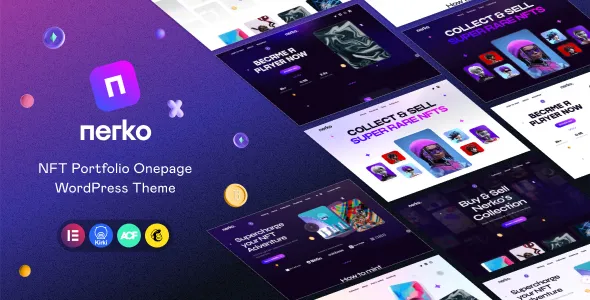
Nerko – NFT Portfolio WordPress Theme
Nerko – NFT Portfolio WordPress Theme is a creative website design solution for NFT artists, digital creators, blockchain enthusiasts, collectors, and Web3 entrepreneurs who want to establish a professional online presence in the growing digital art and non-fungible token ecosystem. Designed for NFT portfolio websites and creative digital showcases, Nerko provides a starting point for presenting artwork, introducing collections, sharing creator stories, and building a recognizable identity around digital assets. Whether you are an independent NFT artist, a digital illustrator, a collectible creator, or a Web3 project owner, this WordPress NFT theme can help you organize your online presentation around your creative vision.
The NFT ecosystem brings together digital art, collectible assets, blockchain-based ownership records, and online creative communities. A well-planned website can help creators introduce their work, explain the ideas behind their collections, share project updates, and provide visitors with a clear path to explore their digital portfolios. Nerko is suitable for projects that want a dedicated online destination rather than relying exclusively on social media profiles or third-party NFT marketplaces.
With a portfolio-focused approach, Nerko can be considered for a wide range of creative applications, including digital illustration portfolios, generative art projects, collectible series, avatar collections, blockchain art communities, and NFT brand websites. Its suitability for specific layouts, wallet connections, marketplace integrations, or transaction-related functionality should be confirmed through the current theme documentation and compatible tools. The theme provides a design foundation, while the final website experience depends on its available features, WordPress configuration, and any additional integrations you choose.
Modern Design for NFT Creators and Digital Artists
A professional digital art website should present creative work clearly and help visitors understand the identity behind each collection. In an environment where audiences encounter countless digital projects, a consistent visual style can make an artist or NFT brand easier to recognize.
Nerko – NFT Portfolio WordPress Theme is intended for websites that place digital artwork and creative presentation at the center of the visitor experience. An NFT portfolio can include featured collections, artwork previews, project descriptions, creator biographies, community information, and links to relevant platforms. Organizing these elements into a clear visual hierarchy helps visitors explore the project without feeling overwhelmed.
Digital artists can use a portfolio website to present different collections while maintaining a consistent brand identity. For example, a creator working with abstract illustrations may want to emphasize visual composition, while a generative art project may need to explain its creative process and the characteristics of its collection.
A strong design should support the artwork rather than compete with it. Balanced spacing, readable typography, suitable image sizes, and clear navigation can help make the portfolio feel professional. Before selecting Nerko, review its current demonstration pages to determine whether its actual design options align with your creative direction.
Build a Professional NFT Portfolio Website
An NFT portfolio gives creators a dedicated place to introduce their work and communicate their artistic identity. Unlike a social profile, which is shaped by the platform’s interface, a personal website can organize information around the creator’s priorities and provide a consistent destination for audiences.
Nerko can be considered for building a portfolio that combines visual presentation with useful project information. An artist might create a homepage featuring selected pieces, an introduction to their artistic approach, and links to individual collections or external marketplaces. Additional pages can explain the creator’s background, showcase previous work, and provide contact information for collaborations.
A well-organized NFT portfolio should answer several basic questions. What does the creator make? What makes the collection distinctive? Where can visitors explore more artwork? How can interested collectors or collaborators contact the creator?
Clear answers help turn a collection of images into a meaningful presentation. A short artist biography, carefully selected featured artwork, and concise collection descriptions can give visitors useful context without making the website unnecessarily complicated.
The exact portfolio layouts available depend on the current theme version. Check whether its included templates and customization options support the content structure you intend to use before making a purchase.
Showcase Digital Art and NFT Collections
Visual presentation is especially important for NFT websites because the artwork is often the main reason visitors arrive. A carefully selected collection preview can communicate an artistic style, introduce recurring themes, and encourage visitors to explore individual pieces.
Nerko – NFT Portfolio WordPress Theme can serve as a starting point for showcasing digital illustrations, character designs, abstract artwork, animated concepts, pixel art, generative graphics, and other creative formats. The final display options depend on the theme’s supported media layouts and the formats accepted by your website setup.
When preparing a collection page, organize the artwork so visitors can understand how the pieces relate to one another. You might arrange work by collection, release, visual style, or creative series. Each section should have a clear purpose and a concise description.
Artwork images should be optimized for the web while preserving enough detail to represent the original work accurately. Large files can slow down a portfolio, especially on mobile connections, so use suitable dimensions and compression settings.
If you display artwork associated with a blockchain token, provide accurate information about the piece and its provenance where appropriate. Avoid implying that displaying an image on a website independently verifies ownership or establishes rights to the underlying artwork.
Suitable for NFT Artists and Digital Illustrators
Independent creators need websites that can communicate their style while giving potential collectors, clients, and collaborators a way to learn more about their work. Nerko may be worth considering for artists who want to connect a visual portfolio with an NFT-oriented identity.
Digital illustrators can use a portfolio to group work by theme or technique. Character artists may showcase collections of original designs, while concept artists can present visual experiments, fictional worlds, and creative studies. Generative artists can introduce algorithmically created compositions and explain the principles behind a series.
A portfolio should not depend entirely on images. Short descriptions can provide context about the inspiration, medium, process, and intended meaning of each collection. This information helps audiences understand the creator’s approach and distinguishes the project from other portfolios.
Creators may also include selected collaborations, exhibition details, interviews, or links to other professional profiles. These additions can help establish credibility when they are relevant and accurate.
Nerko’s suitability for these requirements depends on its current layouts and content controls. Evaluate the available pages and customization options to confirm that they support the type of portfolio you want to publish.
Create a Distinctive NFT Brand Identity
A recognizable brand can help an NFT project communicate its purpose and stand out in a crowded digital environment. A consistent logo, color palette, typography system, artwork style, and writing tone can make the project easier to identify across its website and other online channels.
Nerko provides a potential starting point for developing a branded NFT website. Depending on the customization options available, you can adapt the site’s appearance to match your collection’s visual identity and intended audience.
A futuristic digital art project might use bold contrasts and expressive imagery, while a minimalist collection could emphasize white space and understated typography. A project inspired by gaming, fantasy, or science fiction may benefit from a more illustrative identity, provided the design remains readable and accessible.
Consistency should extend beyond the homepage. Collection pages, creator biographies, project updates, and contact information should feel like parts of the same website. Repeating the same basic visual principles across these pages helps reinforce recognition.
Brand identity also includes the way you describe your project. Explain the creative idea clearly, avoid exaggerated claims, and provide factual information about what the collection represents. A coherent presentation can make it easier for visitors to understand the project and decide whether they want to explore further.
Support Web3 and Blockchain-Themed Projects
NFT websites are often connected with the wider Web3 ecosystem, which includes blockchain networks, digital asset platforms, decentralized applications, and online communities. A project website can help explain how its artwork relates to this ecosystem without requiring every visitor to understand the technical details immediately.
Nerko can be evaluated for NFT-focused websites that introduce blockchain-related creative projects. Content may include collection descriptions, creator information, project roadmaps, community guidelines, technical explanations, and links to external platforms.
If your project involves a particular blockchain network, explain the relevant details accurately. Readers may want to know where the associated assets are recorded, which marketplace or platform supports the collection, and where they can find official project information.
Do not assume that an NFT portfolio theme automatically includes blockchain connectivity, cryptocurrency payments, wallet authentication, token verification, or marketplace functionality. These capabilities may require third-party services, plugins, custom development, or a separate application. Confirm the current feature list and compatibility requirements before planning a production website around them.
Clear documentation and accurate descriptions help visitors understand which features are available directly on the website and which are provided by external services.
Organize Collections for Better Content Discovery
As an NFT portfolio grows, organizing its content becomes increasingly important. Visitors should be able to distinguish between different collections, find selected artwork, and understand how individual projects relate to the creator’s broader body of work.
Nerko can be considered for a content structure that groups digital assets into meaningful sections. Depending on the available theme layouts, you might organize collections by release, theme, artistic technique, character series, or project name.
Each collection should have a descriptive title and a concise introduction. Explain what connects the pieces, what makes the series distinctive, and where visitors can explore further details. For large collections, additional organization may be helpful, but avoid creating so many categories that the website becomes difficult to navigate.
Use consistent naming conventions across the site. When the same collection is referenced in an article, portfolio page, and external marketplace, consistent terminology helps visitors recognize that the pages relate to the same project.
Internal links can connect a general portfolio page with individual collection descriptions, artist information, and relevant announcements. This structure makes it easier for visitors to move between related content and helps search engines understand the relationships between pages.
Create Engaging NFT Collection Pages
An individual collection page can provide more context than a simple gallery. It can introduce the creative concept, explain the collection’s visual identity, highlight selected pieces, and link to relevant external resources.
Nerko may provide a suitable starting point for collection-focused publishing, depending on its available page templates and customization controls. Each page should be designed around the information visitors need to understand the project.
Start with a clear collection title and an introductory description. Explain the artistic idea in plain language and use relevant images to illustrate the visual direction. If the collection has a documented creation process, include a short explanation of the techniques, tools, or ideas that shaped the work.
Where appropriate, include verified details about the associated platform or blockchain project. Avoid publishing unconfirmed supply figures, ownership information, release dates, or marketplace links. If information changes over time, maintain the page so it reflects the current project status.
A well-prepared collection page can serve as a useful reference for people arriving from social media, search engines, community discussions, or external marketplaces.
Responsive Design for Desktop and Mobile Visitors
An NFT portfolio should remain usable across desktop computers, tablets, and smartphones. Visitors may discover artwork through social media or community links on a mobile device and then explore the collection directly from their phones.
Before choosing Nerko – NFT Portfolio WordPress Theme, verify the current version’s responsive behavior through its official preview or documentation. Pay particular attention to image grids, artwork previews, navigation menus, typography, and buttons.
A responsive layout should adapt to different screen sizes without causing images to overlap, text to overflow, or essential links to become difficult to use. Long project descriptions should remain readable, while visual galleries should preserve the intended relationship between the artwork and its surrounding content.
Test the homepage, collection pages, artist profile, and any contact or project-information pages separately. A page that works well on a large monitor may need adjustments on a narrow screen.
Mobile performance also matters. Large artwork files and unnecessary scripts can make a portfolio slow to load, particularly for visitors with limited bandwidth. Optimize images and review the behavior of embedded media before launching the website.
Typography and Readability for Creative Projects
NFT websites often use expressive visuals, but readable typography remains essential. Visitors should be able to understand collection descriptions, project details, artist biographies, and navigation labels without struggling with decorative fonts or poor contrast.
Nerko can be evaluated for a visual style that combines creative presentation with structured content. Check the available typography settings and determine whether you can establish a clear hierarchy for headings, body text, captions, and supporting information.
Use decorative typefaces selectively. A distinctive font may suit a collection title or logo, while body text generally benefits from a more readable style. Consistent heading sizes and paragraph spacing help visitors scan the page and locate information quickly.
Avoid placing lengthy descriptions over busy artwork unless the text remains easy to read. Make sure the text and background provide sufficient contrast, particularly on mobile screens.
A coherent typographic system can make the portfolio feel professional while allowing the artwork to remain the primary visual focus.
Search Engine Optimization for an NFT Portfolio
Search engine optimization can help people discover an NFT portfolio when they search for digital artists, creative collections, project information, or related topics. A WordPress theme can contribute to the site’s structure and presentation, but search performance depends on many factors beyond design.
Nerko can form part of an SEO-focused website when paired with original content, suitable technical configuration, and a clear information architecture. Begin by identifying the audience you want to reach and the questions they may search for.
Use descriptive page titles and write unique meta descriptions for important pages. Collection pages should explain the artwork and project in meaningful language rather than relying exclusively on images or repeated keywords. Artist biographies should provide useful background, while project pages should clearly explain their purpose.
Organize headings logically and link related pages together. For example, an artist profile can link to individual collections, while a collection page can link back to the creator’s portfolio and relevant project information.
Optimize image filenames and add descriptive alternative text when images convey meaningful content. Avoid filling alt text with repeated search terms, and do not use the same generic description for every artwork.
An SEO plugin may help manage metadata and related tasks if it is compatible with your setup. However, no theme or plugin can guarantee search rankings. Prioritize useful, original information and a website structure that serves real visitors.
Optimize Artwork Images and Website Performance
A visual portfolio can contain many high-resolution images, previews, animations, and external embeds. Without careful optimization, these assets can increase loading times and make browsing less comfortable.
The performance of Nerko will depend on the theme implementation, hosting, WordPress configuration, image formats, plugins, and any custom functionality added to the site. Test the actual website rather than assuming that the design itself guarantees a particular performance level.
Prepare images at appropriate dimensions for their intended display size. Compress files while maintaining sufficient visual quality, and use modern formats where supported. Avoid uploading oversized source files when a smaller version will provide the same practical viewing experience.
Limit unnecessary animations, third-party scripts, and external widgets. If the site embeds marketplace information or other remote content, test how those services affect page loading and reliability.
Use performance testing tools to evaluate the homepage and representative collection pages. Review image weight, loading behavior, layout shifts, and mobile performance, then make improvements based on the results.
A well-optimized portfolio can make it easier for visitors to explore artwork without waiting unnecessarily for every visual element to load.
Build Trust Through Clear Project Information
Trust is important for creative projects, especially when a website discusses digital assets, blockchain networks, and NFT marketplaces. Visitors should be able to understand who created the work, what the project represents, and where they can find reliable information.
Nerko can provide a website foundation for presenting creator details and project information in an organized way. Consider including an artist biography, official social profiles, collection descriptions, contact details, and links to verified external platforms.
If a collection is connected to a marketplace, use the correct official URL and check that the link remains current. Be careful with links shared through third-party messages or community channels, particularly when they involve wallet connections or transactions.
Clearly distinguish between artwork previews, token information, and statements about ownership or licensing. Displaying a digital image does not by itself prove ownership of a token or establish copyright permissions. Explain the relevant terms accurately and avoid implying that every NFT provides the same rights.
A transparent website helps visitors evaluate the project without relying on ambiguous marketing claims. Accurate descriptions, current links, and clear contact information can all contribute to a more professional presentation.
Customization and WordPress Website Setup
The value of a WordPress theme depends partly on how well it can be adapted to the website owner’s needs. Before configuring Nerko, decide which pages your project requires and how visitors should move between them.
Start by reviewing the theme’s installation guide, supported WordPress versions, required plugins, and recommended setup process. If a demo import is available, examine the imported content carefully and replace sample images, text, and links with your own material.
Prepare the main portfolio page, collection pages, artist biography, project information, and contact page as appropriate. Establish a consistent visual system for colors, typography, images, and navigation.
Test the theme with realistic content before launch. Use artwork with different dimensions and descriptions of varying lengths to see how the layouts behave. Check that images display correctly, menus work on mobile devices, and the main pages remain easy to navigate.
If you are modifying an existing WordPress website, create a backup before making major changes. Keep the theme and compatible plugins updated according to their documentation, and test important functionality after significant updates.
Extend Your Portfolio with Compatible WordPress Plugins
WordPress plugins can add capabilities that support a creative portfolio. Depending on the project’s requirements, these may include SEO tools, caching, security, backups, contact forms, analytics, social sharing, or newsletter subscriptions.
The REX-style assumptions that a particular feature is included should be avoided: Nerko’s actual bundled functionality and compatibility must be checked against its own documentation. Third-party integrations may require separate installation, configuration, subscriptions, or development.
Choose plugins based on clear requirements. An analytics tool can help you understand which collection pages attract visitors, while a contact form may provide a convenient way for potential collaborators to reach you. A security and backup strategy can help protect the website and support recovery if something goes wrong.
Avoid installing multiple plugins that perform the same function. Each additional tool can introduce maintenance requirements or potential compatibility issues. Review update history, support, permissions, and compatibility before using a plugin on a live website.
If your project needs wallet connections, token-gated content, or marketplace interactions, investigate the relevant integration carefully. These functions often involve additional technical and security considerations beyond ordinary portfolio presentation.
Connect Your Website with NFT Marketplaces
An NFT portfolio website can complement external marketplaces by giving visitors a central place to learn about the creator and discover related collections. A website may explain the artistic concept, introduce individual works, and direct interested visitors to an appropriate marketplace for further information.
Nerko can be considered for this role if its available page layouts and link controls support your intended presentation. Marketplace connections may be handled through ordinary links or compatible integrations, depending on the required experience.
When linking to an external marketplace, verify the official collection page and avoid using unconfirmed addresses. Keep links updated if a collection changes platforms or the project launches a new official page.
Clearly explain what visitors will find after following a link. If a page leads to an external marketplace, make that transition understandable rather than implying that the transaction takes place directly on the WordPress website.
If you need live token data, wallet authentication, buying and selling functionality, or other interactive blockchain features, confirm whether an appropriate integration exists. These capabilities should not be assumed to be included in the theme itself.
Who Should Choose Nerko – NFT Portfolio WordPress Theme?
Nerko is worth considering for creators and organizations that want a WordPress website centered on NFTs, digital art, and creative portfolios.
Potential users include independent NFT artists, digital illustrators, generative art creators, collectible designers, Web3 project teams, creative studios, and online art communities. It may also suit designers who want to present digital collections alongside their broader creative work.
The ideal choice depends on the project’s needs. An individual artist may prioritize a clean portfolio and biography, while a larger collection may require detailed collection pages, community information, analytics, or external marketplace links. A project involving transactions or wallet-based features will need additional compatibility checks.
Before purchasing, review the official demo, documentation, license, update history, and support details. Confirm that the current version provides the required layouts and works with the WordPress environment you plan to use.
Benefits of a Dedicated NFT Portfolio Theme
A dedicated NFT-oriented design can help creators establish a more focused online presentation than a generic website layout might provide. By organizing artwork, collection descriptions, creator information, and relevant links around a common purpose, the website can become a useful destination for audiences interested in the project.
Nerko’s intended portfolio focus makes it relevant to websites where digital artwork and collection identity are central. A consistent layout can help creators present their work professionally, while WordPress provides a content management environment for maintaining pages and publishing updates.
However, a theme is only one part of a successful NFT website. Original artwork, accurate project information, accessible design, reliable hosting, optimized images, and regular maintenance remain essential. Blockchain integrations and marketplace functionality may require additional services or development.
Evaluate the actual theme features against your requirements, then test the design with real content before committing to a final site structure.
Why Consider Nerko – NFT Portfolio WordPress Theme?
Nerko – NFT Portfolio WordPress Theme is an option to explore if you want to create a dedicated website for digital artwork, NFT collections, or a Web3-oriented creative identity. Its portfolio-focused purpose makes it relevant to creators who want to organize artwork, introduce projects, and provide visitors with a consistent place to learn more about their work.
Whether you are launching a new digital collection or building a personal portfolio, a well-planned website can complement your presence on external platforms. It can provide context about your creative approach, showcase selected artwork, and connect visitors with official project information.
To achieve the best results, combine the theme with clear content organization, readable typography, responsive layouts, optimized media, and accurate collection descriptions. Verify the current features and compatibility requirements before adding specialized tools for marketplaces or blockchain-related interactions.
Final Overview
Nerko – NFT Portfolio WordPress Theme is designed for creators seeking a WordPress-based presentation for digital artwork, NFT collections, and creative projects. It is worth evaluating for artists, illustrators, collectible designers, and Web3 teams that want to establish a recognizable online identity.
A successful NFT portfolio brings together strong visual presentation and clear project information. Artwork galleries, collection descriptions, creator biographies, and links to verified external platforms can help visitors understand the work and explore related resources.
The theme can provide a starting point for that experience, while the final results depend on its verified capabilities, configuration, compatible tools, and the quality of the content you publish. With careful setup, original artwork, transparent information, and ongoing maintenance, your website can become a professional home for your NFT portfolio and digital creative projects.