My Account
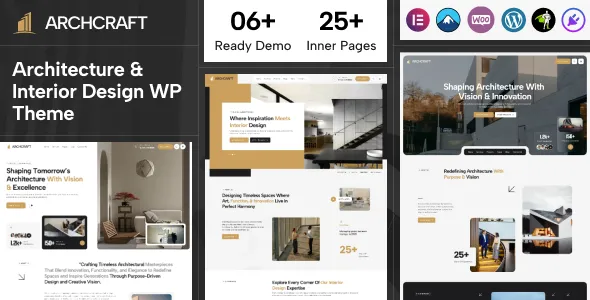
Archcraft – Architecture & Interior Design WordPress Theme
Archcraft – Architecture & Interior Design WordPress Theme is a stylish and professional website solution designed for architects, interior designers, architecture studios, construction professionals, and creative design agencies that want to establish a strong online presence. With a design approach focused on visual storytelling, elegant layouts, and organized project presentation, Archcraft helps businesses showcase their creativity, communicate their design philosophy, and present their services through a polished website. Whether you specialize in contemporary architecture, residential interiors, commercial spaces, renovation projects, or luxury property design, this architecture WordPress theme provides a suitable foundation for building a website that reflects your brand identity and professional expertise.
An architecture or interior design website should do more than display contact information and service descriptions. It should demonstrate your approach to design, highlight completed projects, introduce your team, and help prospective clients understand the value of your work. Archcraft is intended for this purpose, bringing together the visual presentation needs of creative professionals and the content-management capabilities of WordPress. By organizing project imagery, service information, studio details, and contact content into a coherent website experience, it can help transform a portfolio into a practical business tool.
Modern Design for Architecture and Interior Design Websites
Visual presentation is particularly important in the architecture and interior design industry. Potential clients often evaluate a studio by looking at its previous projects, understanding its aesthetic preferences, and assessing how effectively it communicates design concepts. Archcraft offers a design-oriented starting point for creating a professional website where imagery and content work together to communicate a studio’s identity.
The theme is suitable for businesses that want to present a refined, contemporary, and organized digital presence. A carefully structured homepage can introduce the studio, communicate its core services, feature selected projects, and guide visitors toward important information. This approach helps visitors understand what the business does without requiring them to navigate through an unnecessarily complicated website.
Architecture firms can use this type of presentation to demonstrate their expertise in building design, space planning, structural concepts, and architectural development. Interior designers can focus on materials, colors, furniture arrangements, lighting, and the overall atmosphere of completed spaces. Design agencies can use the same foundation to present their creative process and communicate the value they provide to residential and commercial clients.
Designed for Architects and Architecture Studios
Archcraft is a suitable website foundation for architects who want to present their professional work in an organized and visually engaging format. An architecture studio may handle residential buildings, commercial developments, hospitality projects, office spaces, renovations, or specialized architectural concepts. A dedicated website helps communicate these capabilities while allowing visitors to explore the studio’s experience and design approach.
A professional architecture website can introduce the studio’s background, describe its services, present completed projects, and provide information about its working process. These sections help potential clients understand whether the studio’s expertise aligns with their requirements.
With Archcraft, website owners can develop content around architectural planning, building concepts, space optimization, design consultation, and project development. The content can also communicate the studio’s philosophy, including its approach to sustainability, functionality, material selection, and modern design principles.
For independent architects and small studios, a well-organized website can create a professional impression without requiring an elaborate digital platform. Larger firms can use a structured portfolio to present multiple project categories and help visitors navigate different areas of specialization.
A Professional Interior Design Portfolio
Interior designers depend on strong visual presentation to demonstrate their creative abilities. Clients often want to see examples of completed rooms, residential interiors, commercial environments, hospitality spaces, and customized design solutions before contacting a designer. Archcraft provides a foundation for building a portfolio-focused website that places these projects within a broader professional brand.
Interior design studios can organize their work according to project type, design style, location, or other categories relevant to their business. For example, a studio may present modern apartments, luxury residences, office interiors, retail environments, restaurants, or hospitality projects in separate portfolio sections.
Each project can be supported by descriptive content explaining the client’s objectives, the design concept, the materials selected, and the challenges addressed during the project. This combination of photography and informative text helps visitors understand the thinking behind the finished space rather than viewing images without context.
A thoughtful portfolio also helps establish a recognizable design identity. Whether a business specializes in minimalist interiors, contemporary spaces, classic environments, luxury design, or functional commercial layouts, consistent presentation can make its work easier to understand and remember.
Showcase Architectural Projects and Creative Work
A portfolio is one of the most valuable elements of an architecture and interior design website. It allows prospective clients to evaluate a studio’s style, experience, and ability to deliver projects that match their expectations.
Archcraft can serve as the foundation for a project-focused website that organizes work into clear and accessible sections. Website owners can select their strongest projects for prominent presentation and provide additional portfolio pages for visitors who want to explore more examples.
A useful project presentation may include the project title, category, location, completion date, design objectives, and a selection of high-quality images. Depending on the website configuration and available layout options, project pages may also be arranged to support detailed descriptions and visual galleries.
Architecture firms can use project pages to explain building concepts, planning considerations, material choices, and the relationship between form and function. Interior designers can describe how they approached lighting, furniture, textures, color palettes, and spatial organization.
By presenting each project with meaningful context, businesses can communicate their expertise more effectively and help visitors understand the practical value of their services.
Suitable for Residential and Commercial Architecture
Architecture businesses frequently serve different market segments. Some focus on individual homes and residential renovations, while others work with offices, retail spaces, hospitality properties, and larger commercial developments. Archcraft can be adapted to represent these different areas of expertise through organized service and portfolio content.
Residential architects may highlight house designs, apartment planning, villas, extensions, remodeling projects, and custom residential developments. Their website content can explain how they balance aesthetics, functionality, site requirements, and client preferences.
Commercial architecture firms can focus on office buildings, retail developments, restaurants, hotels, and other business environments. Their project pages can communicate the design objectives, spatial requirements, and considerations involved in creating functional commercial spaces.
A dedicated service structure makes it easier for visitors to identify the work a studio undertakes. Instead of presenting every service in a single long description, website owners can create clear sections that explain individual offerings and direct visitors toward relevant project examples.
Interior Design Services and Creative Solutions
An interior design website needs to explain both the creative and practical aspects of a studio’s work. Visitors may be searching for complete interior design services, individual-room improvements, commercial planning, renovation support, or design consultation.
With Archcraft, businesses can develop service pages that communicate their offerings in a clear and professional manner. Depending on the studio’s actual capabilities, service categories may include residential interior design, commercial interior design, space planning, furniture selection, color consultation, lighting design, material coordination, and renovation concepts.
Each service page can explain what the service involves, who it is intended for, and how clients can begin a project. Including relevant photographs and links to completed projects can help visitors connect the service description with real examples of the studio’s work.
This structure can also improve the user experience by allowing visitors to find specific information without searching through unrelated content. Clear service descriptions help establish expectations and encourage potential clients to make informed inquiries.
Elegant Layouts for Visual Storytelling
Architecture and interior design websites benefit from layouts that allow images, text, and whitespace to work together naturally. A crowded design can distract from project photography, while a clear visual hierarchy helps visitors focus on the most important information.
Archcraft is intended for design-conscious websites where portfolio imagery and professional content play central roles. Website owners can build a visual narrative that begins with a clear introduction, continues through selected projects and services, and concludes with information about the studio and its contact options.
A well-planned homepage might include a prominent introduction, featured project imagery, a brief studio overview, key services, selected portfolio items, and a contact invitation. Additional pages can provide more detailed information for visitors who want to learn about the studio’s experience or explore its work.
Consistent spacing, typography, image selection, and section organization can help create a more cohesive brand experience. When customizing the website, it is important to maintain readability and ensure that decorative elements do not compete with the portfolio itself.
Exact layouts and design controls depend on the theme version and its included features, so reviewing the available demo and documentation before purchase is recommended.
A Strong Online Presence for Creative Businesses
A professional website can support more than portfolio presentation. It can introduce a business to new audiences, explain its services, answer common questions, and provide a direct channel for inquiries.
Archcraft can be used to build a central online destination for architecture firms, interior design studios, freelance designers, and related creative businesses. Instead of relying entirely on social media profiles or third-party portfolio platforms, businesses can present their work within a website they control.
A dedicated website also makes it possible to create detailed pages for individual services, publish project stories, share studio news, and provide essential business information. This flexibility can support a more complete customer journey, from discovering the studio to exploring its work and making contact.
Businesses can strengthen their website by including a clear description of their expertise, authentic project photography, useful service information, and consistent contact details. The website should communicate what makes the studio different while giving visitors straightforward ways to take the next step.
WordPress Content Management Flexibility
Archcraft is a WordPress theme, making WordPress the underlying content-management platform for the website. WordPress provides a familiar administrative environment for managing website pages, posts, images, menus, and other supported content.
This can be useful for design professionals who want to update their portfolio as new projects are completed. A studio may need to replace older work, publish new project descriptions, revise its service information, update staff profiles, or share announcements. A content-management system helps make these updates part of the normal website-maintenance process.
Website owners can organize content according to their business requirements and expand their website over time. A smaller portfolio website may begin with a homepage, services page, project gallery, about page, and contact page. As the business grows, additional pages can be introduced for specialized services, individual projects, frequently asked questions, or informative articles.
The precise editing tools, bundled plugins, import options, and supported integrations should be confirmed in the current Archcraft product documentation. WordPress core capabilities should not be confused with features that require separate plugins or theme-specific functionality.
Customizing the Website to Match Your Brand
A website should reflect the identity of the business it represents. Architecture and interior design studios often have distinctive visual preferences, from restrained monochromatic palettes to warm natural colors or bold contemporary combinations.
Archcraft can provide a starting point for developing a consistent digital identity. During customization, businesses should align the website’s visual presentation with their logo, brand colors, typography, photography, and communication style.
A residential architecture firm may choose an understated design that emphasizes building forms and natural materials. A luxury interior design studio may prefer a refined presentation with carefully selected imagery and elegant typography. A commercial design consultancy may prioritize clarity, structured service information, and concise descriptions of its capabilities.
Content should also reflect the brand’s tone of voice. Some studios communicate through technical expertise and project specifications, while others emphasize lifestyle, atmosphere, and creative inspiration. Consistent language across the homepage, service pages, portfolio, and contact section helps make the business appear more coherent.
Before making extensive customizations, review the theme’s available settings and supported editing workflow. This helps avoid relying on controls or integrations that may not be included in the installed version.
Responsive Website Experience
Visitors may access an architecture website using desktop computers, laptops, tablets, or smartphones. A responsive layout is important because potential clients may discover a studio through a mobile search, open a project gallery while traveling, or review service information from a tablet.
A mobile-friendly website should make its navigation understandable, keep text readable, and display images without unnecessary horizontal scrolling. Buttons and contact links should also be easy to use on smaller screens.
For architecture and interior design portfolios, responsive presentation is particularly important because project images communicate much of the business’s value. Images should retain their visual impact while adapting to different screen sizes.
Website owners should test the completed site across common device sizes and browsers, paying attention to navigation, text spacing, image cropping, galleries, and contact forms. Responsive behavior can vary according to the theme version, customizations, plugins, and the content added to the website.
Present Your Design Philosophy and Studio Story
Clients often want to know more than the appearance of a completed project. They may also be interested in the design philosophy, professional background, working methods, and values of the people responsible for the work.
An about page gives architecture and interior design studios an opportunity to explain their approach. This may include the studio’s history, areas of specialization, professional experience, design principles, and commitment to creating useful and visually compelling spaces.
A clear studio story helps humanize the business and gives prospective clients additional reasons to consider working with the team. It can also communicate the principles that influence design decisions, such as functionality, sustainability, material quality, accessibility, comfort, or long-term value.
Where appropriate, businesses can introduce their team members and describe their responsibilities. Authentic portraits, professional biographies, and project-related information help visitors understand the people behind the studio.
The content should remain accurate and specific to the business. Avoid generic claims that do not reflect the studio’s actual experience, qualifications, or services.
Build Trust with Professional Project Information
Trust is important when clients are choosing an architect or interior designer. Projects may involve significant budgets, long timelines, detailed planning, and close collaboration. A website should help visitors understand the business before they initiate a conversation.
Archcraft can support a content strategy that presents project experience and professional information in an organized format. Useful elements may include project case studies, service explanations, studio information, client feedback where permission has been obtained, and clear contact details.
A case study can describe the original requirement, the studio’s approach, the key design decisions, and the final outcome. Where suitable, before-and-after photographs or construction progress images can provide additional context. All project claims and images should be accurate and authorized for publication.
If a studio works with particular project types or client groups, it can explain those areas of expertise directly. Clear information is more persuasive than unsupported promises because visitors can evaluate whether the studio is appropriate for their needs.
SEO-Friendly Content Structure
Search engine optimization can help an architecture or interior design business become easier to discover online. A well-organized website provides a foundation for publishing useful content about the services, locations, and project types relevant to the business.
Archcraft can be used as part of an SEO strategy that combines clear navigation, descriptive page titles, useful written content, and carefully selected project images. Search visibility depends on many factors, including website performance, technical configuration, competition, content quality, and the relevance of the pages to a visitor’s query. A theme alone cannot guarantee rankings.
Each important page should have a clear purpose. A residential architecture page might describe house planning and architectural design services, while a commercial interior design page can explain the studio’s work with offices or retail environments. Individual project pages can target relevant descriptive phrases when those phrases accurately reflect the project.
Image optimization is also valuable for portfolio websites. Descriptive filenames and meaningful alternative text can help communicate the subject of an image to search engines and assistive technologies. Image dimensions and compression should be managed to balance visual quality and loading speed.
Avoid repeating the same keyword excessively across every section. Natural language, useful project details, and original descriptions provide a better foundation for a long-term SEO strategy.
Content Marketing for Architecture and Interiors
Publishing useful content can help a studio demonstrate its expertise and answer questions potential clients may have before beginning a project. A blog or insights section can cover subjects related to architectural planning, interior design, renovation, materials, lighting, and space utilization.
Possible topics include preparing for a home renovation, selecting materials for a contemporary interior, planning a functional home office, understanding the stages of an architectural project, or comparing different approaches to residential space planning.
Archcraft can serve as the website foundation for presenting these articles alongside project portfolios and service pages. Relevant internal links can connect an article to a related service or completed project, helping visitors discover additional information.
Content should be practical, original, and aligned with the business’s expertise. Publishing fewer high-quality articles is generally more useful than creating large volumes of repetitive content. Where professional advice is involved, the studio should ensure that claims are accurate and appropriate to its qualifications and local requirements.
Website Navigation and User Experience
A successful architecture website should help visitors locate the information they need without unnecessary effort. Clear navigation makes it easier to move between the portfolio, services, studio information, and contact page.
The main menu should prioritize the most important sections. A portfolio can be divided into meaningful categories if the studio has enough projects to justify them. Service pages should use descriptive names, while contact information should remain easy to find.
Visitors should also understand what to do after viewing a project. A relevant link to a service page or contact section can provide a natural next step. Calls to action such as requesting a consultation or discussing a project should be clear without being overly intrusive.
Avoid creating too many menu items or placing essential information deep within the website. A simple, logical structure generally provides a more comfortable browsing experience and makes the site easier to maintain.
Performance and Image Optimization
High-quality photography is essential for architecture and interior design portfolios, but large image files can slow down a website. Performance optimization should therefore be part of the site-building process.
Website owners can resize photographs to appropriate display dimensions, use modern image formats where supported, compress files carefully, and avoid uploading multiple unnecessarily large copies of the same image. Lazy loading may also help reduce the amount of image content loaded immediately, depending on the implementation.
Other performance considerations include hosting quality, caching, plugin selection, theme configuration, font loading, and the number of external scripts used by the website. These factors work together, so performance cannot be guaranteed by choosing a particular theme alone.
After customization, test important pages with website performance tools and review the results. Pay particular attention to the homepage, project galleries, and pages containing many photographs. The goal is to preserve the quality of the portfolio while providing visitors with a responsive browsing experience.
Accessibility and Readability
An effective design website should be visually attractive and usable by as many visitors as possible. Readable typography, adequate color contrast, meaningful image descriptions, and consistent navigation can make content easier to access.
Images should use alternative text when they convey meaningful information. Decorative images can be handled differently according to accessibility best practices. Text should not be embedded exclusively within images when it needs to remain readable by search engines and assistive technologies.
Buttons and links should have descriptive labels, and forms should clearly identify the information required from visitors. Navigation should remain understandable on mobile devices and when users interact with the website using a keyboard.
Accessibility depends on the theme, content, plugins, and custom development. Website owners should test the complete implementation rather than assuming that a professionally designed theme automatically meets every accessibility requirement.
Ideal for Freelance Architects and Independent Designers
Independent professionals often need a website that introduces their services, demonstrates their skills, and provides a straightforward way for clients to make contact. Archcraft can be adapted for freelance architects, interior designers, spatial designers, and creative consultants who want to present their work professionally.
A freelancer can begin with a focused portfolio, a concise introduction, a list of services, and selected project examples. Additional content can be introduced as the portfolio expands.
The website can also communicate the type of projects the professional accepts, the regions they serve, and the general process for working together. This helps prospective clients assess whether their requirements match the professional’s expertise.
For freelancers who manage several types of projects, a categorized portfolio can make the range of services easier to understand. Consistent branding and authentic project descriptions can help distinguish the professional from competing service providers.
Suitable for Design Agencies and Creative Studios
Architecture and interior design agencies may need to communicate multiple services, showcase a larger project portfolio, and introduce a team of creative professionals. Archcraft can provide a starting point for organizing these elements into a unified business website.
An agency website can include an overview of its approach, individual service descriptions, featured case studies, team information, and contact details. If the business serves different sectors, the portfolio can be organized to demonstrate relevant experience to each audience.
A consistent visual system helps connect these sections and reinforces the agency’s brand. Project photography, headings, descriptions, and navigation should work together rather than competing for attention.
Larger studios should also plan how content will be maintained. Establishing consistent project descriptions, image standards, and page structures can help keep the website professional as new projects are added.
Useful for Renovation and Remodeling Businesses
Renovation and remodeling companies frequently need to show examples of transformations and explain the services they provide. An architecture-oriented website foundation can be adapted to communicate residential renovations, interior upgrades, space improvements, and other related services when these offerings match the business.
Project pages can describe the original space, the client’s objectives, the proposed changes, and the finished result. Before-and-after imagery can help illustrate the impact of the work, provided the photographs are authentic and appropriately authorized.
Service content should explain the business’s actual responsibilities and avoid implying that it provides regulated professional services unless it is qualified to do so. Relevant project examples, clear descriptions, and accessible contact information can help visitors evaluate the company.
Create a Consistent Visual Brand
Brand consistency makes a website more recognizable and helps communicate professionalism. Architecture and interior design businesses can develop this consistency through their logo, colors, typography, imagery, writing style, and page layouts.
Archcraft can be customized to support a visual identity that reflects the business’s character. A studio focused on natural materials may emphasize warm tones and photographs that highlight texture. A contemporary architecture practice may prefer clean lines and a restrained palette. A creative agency may choose a more expressive visual direction.
The goal is to support the portfolio rather than overshadow it. Repeated visual patterns, consistent image treatments, and clear headings can help visitors move through the site comfortably.
When making changes, preview important pages together to ensure that the homepage, portfolio, services, and about section feel like parts of the same website.
Expand the Website as Your Business Grows
A business website should be able to evolve alongside the company. A small studio may initially need only a few pages, while a growing agency may eventually require a larger portfolio, additional service pages, project case studies, a blog, and more detailed team information.
WordPress provides a content-management foundation for expanding a website with additional pages and supported functionality. Archcraft can be used as the starting point for this process, with the final structure shaped by the studio’s needs and the theme’s actual capabilities.
Before adding advanced features, identify the problem they are intended to solve. For example, a larger portfolio may need improved categories and navigation, while a business receiving frequent inquiries may benefit from a more detailed contact form. Third-party plugins may be required for certain functions, and their compatibility should be checked before installation.
Regular maintenance, backups, security updates, and testing are also important parts of managing a professional website.
Installation and Website Setup Considerations
Setting up Archcraft begins with confirming that the selected theme package is appropriate for the intended WordPress environment. Follow the supplier’s current installation documentation and check the required WordPress version, PHP requirements, bundled assets, and any recommended dependencies.
If the package includes demo content or predefined layouts, review the import instructions before using them. A demo import may change existing pages, menus, widgets, or settings, so it is sensible to create a backup before importing content into an established website.
After installation, replace demonstration content with original business information, project images, service descriptions, branding, and contact details. Review every page to remove placeholder text and confirm that links lead to the correct destinations.
Test the finished website on desktop and mobile devices, submit any contact forms, check image loading, and verify that the navigation works as expected. Before purchasing Archcraft, confirm the current package contents and compatibility information rather than assuming that all features shown in a demonstration are included in every version.
Why Choose Archcraft – Architecture & Interior Design WordPress Theme?
Archcraft is a relevant option for businesses looking for an architecture and interior design WordPress theme that can serve as the foundation for a professional portfolio and service website. Its intended focus on architecture and interiors makes it suitable for businesses whose work depends on strong visual presentation, clear project information, and a cohesive brand identity.
The theme can support a website strategy built around project showcases, service descriptions, studio information, and client inquiries. Its WordPress foundation also gives website owners a familiar platform for managing content and developing the site as their business evolves.
When evaluating Archcraft, consider whether its available layouts match your preferred visual style, whether its editing workflow fits your technical experience, and whether the included features support your website requirements. Check the current demo, documentation, licensing terms, and compatibility details before making a purchase.
Final Thoughts
Archcraft – Architecture & Interior Design WordPress Theme offers a design-focused starting point for architects, interior designers, architecture firms, renovation specialists, and creative studios seeking a professional online presence. By combining a thoughtfully organized website structure with compelling project imagery and informative content, businesses can present their work, explain their services, and help prospective clients learn more about their expertise.
Whether you are launching an independent design portfolio, refreshing an established architecture website, or developing an online presence for a growing interior design studio, Archcraft can be considered as part of your website-building toolkit. The strongest results will come from combining the theme with authentic project photography, original written content, accessible navigation, appropriate performance optimization, and consistent branding.
With careful customization and ongoing maintenance, an architecture and interior design website can become more than a digital portfolio. It can serve as a central place to communicate your design philosophy, document your projects, explain your services, and build meaningful connections with potential clients.