My Account
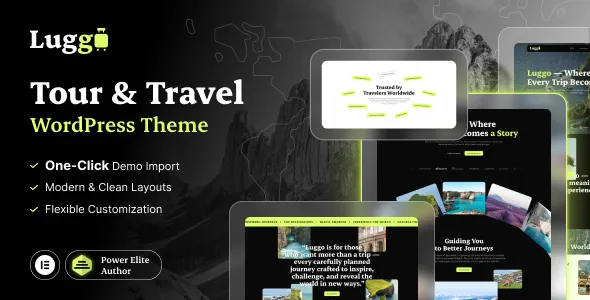
Luggo – Tour and Travel Agency WordPress Theme
Luggo – Tour and Travel Agency WordPress Theme is a website design solution for travel agencies, tour operators, holiday planners, travel consultants, sightseeing companies, and tourism businesses looking to establish a professional online presence. A dedicated travel website helps businesses present tour packages, introduce destinations, explain travel services, and provide visitors with a convenient way to make inquiries. Luggo can be considered as a starting point for creating a travel-focused WordPress website that reflects a brand’s identity while helping potential customers explore available travel opportunities.
The travel industry depends on clear information, appealing destination presentations, and convenient customer communication. Before choosing a holiday package or contacting a tour operator, travelers often want to understand the itinerary, accommodation options, transportation arrangements, inclusions, exclusions, and estimated costs. A well-organized website makes it easier to communicate these details and helps visitors compare different experiences before making a decision.
Luggo is intended for businesses that want to present travel-related information through a dedicated website rather than rely exclusively on social media or third-party listing platforms. With suitable customization, a travel agency can organize destination guides, tour descriptions, travel packages, company information, customer testimonials, and inquiry forms into a cohesive online experience. The final capabilities depend on the theme version, its documented features, and any compatible plugins used alongside it.
What Is Luggo – Tour and Travel Agency WordPress Theme?
Luggo is a travel-focused WordPress theme intended for businesses that promote tours, holidays, sightseeing experiences, and travel planning services. Its specialized positioning makes it a potential option for organizations that need a website centered on destinations, travel packages, and customer inquiries.
A travel agency website serves several purposes. It introduces the company, explains its services, showcases destinations, provides practical trip information, and guides visitors toward contacting the agency or exploring available packages. Depending on the business model, it may also present group tours, customized holidays, adventure experiences, cultural excursions, and international travel options.
WordPress provides a content management system for publishing pages, managing articles, uploading destination photographs, and updating business information. This flexibility can help travel businesses maintain their website as itineraries, package prices, seasonal offers, and destination information change.
Luggo can be evaluated as a foundation for organizing these elements into a professional travel website. Before installation or purchase, review the current theme demo and documentation to confirm its available layouts, customization options, supported plugins, and any booking-related functionality.
Designed for Modern Travel Agencies
Travel agencies need to communicate their services clearly while inspiring visitors to explore new destinations. A professional website can help establish trust by presenting accurate information, relevant photographs, and well-organized travel packages.
Luggo can be considered for traditional travel agencies, online tour operators, holiday planners, destination specialists, and businesses that create customized travel experiences. The website can introduce the agency’s expertise, explain its travel planning process, and help visitors discover packages suited to their interests.
For example, an agency specializing in family holidays may highlight comfortable accommodation, family-friendly attractions, and flexible itineraries. A company focused on adventure tourism may emphasize outdoor activities, guided excursions, and preparation requirements. A luxury travel consultant may prioritize personalized itineraries, premium experiences, and tailored customer support.
The content should reflect the actual services offered. Clear descriptions of destinations, travel durations, package inclusions, and booking conditions help visitors understand what they can expect.
A consistent visual identity further strengthens the website. Suitable typography, destination photography, readable layouts, and recognizable branding can help create a professional experience that supports the agency’s reputation.
Showcase Tour Packages and Holiday Experiences
Tour packages are central to many travel agency websites. Customers want to compare available experiences, understand what is included, and determine whether a particular itinerary suits their schedule and budget.
Luggo can serve as a starting point for presenting tour packages through organized service sections or dedicated package pages, depending on the layouts supported by the installed version.
A travel business might offer weekend getaways, family vacations, honeymoon packages, cultural tours, wildlife experiences, beach holidays, mountain trips, or international travel arrangements. Each package should explain the main highlights and provide enough information for visitors to assess its suitability.
Useful package details include:
- Destination and travel duration.
- Main attractions and planned activities.
- Accommodation arrangements, where applicable.
- Transportation details and meeting points.
- Included meals, tickets, or guided experiences.
- Exclusions, optional activities, and additional charges.
- Departure dates, availability, and booking conditions.
Transparent descriptions reduce confusion and help customers make informed choices. If prices depend on travel dates, group size, accommodation category, or customized requirements, explain how the final quotation is determined.
A well-structured package presentation can make it easier for visitors to compare options and contact the agency about the trip that interests them most.
Destination Pages for Domestic and International Travel
Destination information helps travelers understand what a location offers before committing to a trip. Dedicated destination pages can introduce popular attractions, local culture, seasonal considerations, and available travel experiences.
Luggo can be evaluated for websites that organize destinations into separate pages or categories, depending on the theme’s supported layouts and configuration.
A domestic travel agency may feature destinations such as beaches, hill stations, heritage cities, wildlife reserves, and pilgrimage locations. An international travel company may present city breaks, island holidays, cultural destinations, and guided overseas tours.
Each destination page should provide relevant, accurate information. A useful introduction might explain the location’s main attractions, typical trip duration, available activities, and the types of travelers who may enjoy visiting.
Seasonal advice can also help customers plan appropriately. Businesses should verify information about weather, local access, entry requirements, and travel restrictions before publishing it.
Destination pages can link to related packages, itineraries, travel guides, and inquiry forms. This structure helps visitors move from general inspiration toward practical trip planning without searching through unrelated content.
Responsive Design for Mobile and Desktop Devices
Travelers research holidays on a wide range of devices. Someone may browse destination photographs on a desktop computer, compare tour packages on a tablet, or search for a travel agency from a smartphone.
A responsive website should adapt to different screen sizes while keeping essential information accessible. Luggo is positioned as a WordPress theme for travel-related websites, so its responsive behavior should be reviewed as part of the selection process.
On mobile devices, visitors should be able to read package descriptions, browse destination images, navigate menus, and locate contact details without unnecessary difficulty. Buttons and form fields should be easy to use, and important information should not require excessive horizontal scrolling.
Mobile usability is particularly important for inquiry-driven travel businesses. Visitors may want to ask about departure dates, request a customized itinerary, or contact an agent while actively planning a trip.
Test the entire website across different screen sizes rather than reviewing only the homepage. Package pages, image galleries, blog articles, menus, and contact forms can behave differently depending on their content and configuration.
The final experience also depends on custom CSS, plugins, embedded maps, booking integrations, and other components added to the website.
Travel Booking and Inquiry Opportunities
A clear inquiry process helps visitors take the next step after discovering a destination or package. Depending on the business, this may involve requesting a quotation, asking about availability, arranging a consultation, or submitting a booking request.
Luggo can be configured to direct visitors toward contact forms or compatible booking solutions where supported by the selected WordPress setup. However, the presence of a dedicated booking system, real-time availability, payment processing, or automated confirmations should not be assumed without checking the current theme documentation and required integrations.
An inquiry form may request the customer’s name, email address, phone number, destination of interest, preferred travel dates, group size, and a short description of their requirements.
Keep the form practical. A traveler requesting a general quotation may not need to complete the same detailed form as someone finalizing a complex international itinerary.
The website should explain what happens after submission. If the agency reviews each request manually, state that the team will contact the customer to discuss options and confirm availability.
If a booking plugin is installed, test the complete process before launching the website. Verify form submissions, confirmation messages, email notifications, calendar behavior, and any payment steps.
Organize Itineraries and Trip Details
An itinerary helps travelers understand how a tour is structured and what they can expect during the trip. Clear itinerary information is particularly important for multi-day holidays, guided tours, and packages that include several destinations.
A Luggo-based website can present itineraries through dedicated package pages or structured content sections, depending on the available layouts and customization tools.
For a multi-day trip, the itinerary might explain the planned destinations, major activities, travel arrangements, accommodation details, and approximate daily schedule. The information should be detailed enough to communicate the experience without making the page difficult to read.
Travel businesses should distinguish between confirmed activities and tentative arrangements. Weather, transportation, local conditions, and supplier availability may affect some travel plans, so relevant terms should be communicated clearly.
A useful itinerary can also include information about what travelers should bring, any recommended preparation, and whether activities require a particular level of fitness or specialized equipment.
Where appropriate, provide downloadable itineraries or supplementary documents through compatible WordPress functionality. Make sure these files remain current and that visitors can access them conveniently on mobile devices.
Accurate itinerary presentation helps customers understand the package and prepares them for more productive conversations with the travel agency.
Adventure Tours and Outdoor Travel Experiences
Adventure tourism appeals to travelers who want experiences beyond traditional sightseeing. Depending on the business, offerings may include hiking, trekking, camping, wildlife observation, kayaking, cycling, or guided outdoor excursions.
Luggo can be evaluated for travel businesses that need to showcase these experiences alongside standard holiday packages. Destination photography and clearly organized service descriptions can help communicate the nature of each activity.
An adventure tour page should describe the main activities, expected duration, required equipment, age or fitness considerations, and any relevant safety requirements. Customers should understand whether equipment, meals, transportation, and professional guides are included.
Avoid making unsupported claims about safety, difficulty, or guaranteed wildlife sightings. Provide realistic information and direct travelers to the agency for details that depend on current conditions.
For multi-day outdoor trips, explain accommodation arrangements, meeting points, weather considerations, and any preparation customers should complete before departure.
A well-organized presentation helps travelers select experiences that match their interests and capabilities while giving the business a useful way to communicate its specialist services.
Family Holidays and Customized Travel Packages
Family travelers often need practical information about accommodation, transportation, activities, schedules, and costs. A travel agency website can help them compare suitable options before requesting a quotation.
Luggo may be suitable for presenting family holiday packages and customized itineraries, depending on the selected layouts and content configuration.
Family-oriented pages can highlight the types of activities available, estimated trip duration, accommodation options, and arrangements for children where applicable. Any age restrictions, additional charges, or special requirements should be stated clearly.
Customized travel packages may require additional discussion because customer preferences vary. Some families prioritize relaxed schedules and comfortable transportation, while others want to combine sightseeing, outdoor activities, and cultural experiences.
A practical inquiry form can collect basic preferences such as destination, travel dates, number of travelers, approximate budget, and preferred activities. The agency can then follow up to clarify details and prepare a suitable proposal.
The website should avoid suggesting that every package can accommodate every requirement. Accurate descriptions and transparent communication help travelers understand which options are available and where customization may be possible.
Luxury Travel and Premium Holiday Planning
Luxury travel businesses often serve customers who value personalized service, carefully selected accommodation, distinctive experiences, and detailed planning. Their websites need to communicate these qualities without relying solely on decorative design.
Luggo can be considered for a premium travel agency that wants to present exclusive destinations, customized itineraries, private excursions, and high-end holiday experiences.
A luxury travel page can explain the agency’s approach, the types of arrangements it can coordinate, and the process for requesting a personalized itinerary. Destination imagery should be relevant and authentic, while descriptions should accurately reflect the available services.
Premium packages may involve several components, including accommodation, transfers, guided experiences, and special arrangements. Clearly explaining what is included and what requires a separate quotation helps establish realistic expectations.
For personalized services, a consultation or inquiry form can be more suitable than a generic checkout process. The website should tell visitors what information to provide and how the agency will follow up.
The final design should align with the brand’s audience and actual service model. Consistency, clarity, and trustworthy information are more valuable than making unsupported claims about exclusivity or service quality.
Build a Professional Travel Agency Homepage
The homepage introduces the travel business and helps visitors understand what it offers. It should provide a clear starting point for exploring destinations, comparing packages, and contacting the agency.
A Luggo-based homepage can be organized around an introductory section, featured destinations, popular tour packages, service highlights, customer feedback, travel articles, and contact information, depending on the theme’s available layouts.
The introductory message should explain the agency’s main offering and identify the type of travel it specializes in. A destination-focused business may feature selected locations, while a tour operator may emphasize its principal packages or travel categories.
Featured packages can lead visitors to dedicated itinerary pages. Destination highlights can provide inspiration, while a short company introduction can explain the agency’s experience and approach.
Testimonials can contribute useful context when they represent genuine customer experiences and are published with appropriate permission. Blog previews can help visitors discover travel guides and practical planning advice.
Not every homepage needs every section. A smaller agency may benefit from a simple structure with a clear introduction, selected packages, and contact information, while a larger operator may need more extensive destination categories and service pages.
The most effective homepage is one that helps visitors quickly identify relevant information and take a meaningful next step.
Customization and Travel Brand Identity
A travel website should reflect the agency’s identity and the experiences it offers. Consistent visual presentation helps distinguish the business from competitors and creates a recognizable experience across different pages.
Depending on the current version and supported tools, Luggo may offer customization options for layouts, colors, typography, images, and other visual elements. Confirm the exact options through the theme documentation before planning extensive design changes.
An adventure travel company may use imagery that emphasizes outdoor environments, while a luxury holiday planner may prefer restrained layouts and carefully selected destination photography. A family travel agency may prioritize friendly visuals and straightforward navigation.
Use consistent typography, a limited color palette, and recognizable button styles throughout the website. The logo and brand messaging should remain consistent across the homepage, package pages, blog articles, and contact sections.
Photographs should support the information rather than serve as decoration alone. Relevant destination images can help travelers understand the experience being offered, while original team and office photographs can introduce the people behind the business.
Before customizing the theme, determine which elements are controlled by WordPress settings, the theme itself, a page builder, or additional plugins. Backups and staging tests can help reduce the risk of disrupting the live website.
SEO-Friendly Structure for Travel Websites
Search engine optimization can help travelers discover useful destination information and relevant tour packages. A well-organized website provides a foundation for SEO, but rankings depend on content quality, competition, technical performance, and other factors.
Luggo can be used as a starting point for structuring a travel website around destinations, tour categories, service pages, and informative articles.
Each important page should have a clear purpose. A destination page can focus on a particular location, while a package page can explain the itinerary, inclusions, and booking conditions for a specific trip.
Use descriptive page titles, logical headings, meaningful URLs, and relevant internal links. A travel guide about a destination can link to the corresponding tour package, while a package page can direct visitors to useful destination information.
Image optimization is also important. Use descriptive file names and suitable alternative text for informative photographs, and compress image files to help reduce loading time.
Compatible SEO plugins may support metadata, XML sitemaps, canonical settings, and other technical tasks. The available features depend on the selected plugin and its configuration.
Avoid creating large numbers of nearly identical destination pages with only minor wording changes. Original, useful information is more valuable than repetitive text designed primarily to target search terms.
No theme can guarantee a particular ranking position or amount of organic traffic. Sustainable SEO requires useful content, sound technical practices, and ongoing attention to traveler needs.
Content Marketing and Travel Blogging
A travel blog can help an agency share destination knowledge, answer common questions, and support visitors during the planning process. WordPress provides tools for publishing articles and organizing them into categories.
Luggo can be evaluated for websites that combine tour packages with travel guides and informational articles, depending on its available blog layouts.
Potential topics include destination guides, seasonal travel advice, packing checklists, cultural highlights, suggested itineraries, transportation tips, and explanations of travel documentation requirements.
Articles should provide accurate, practical information rather than simply repeat general descriptions of popular destinations. Where details can change, such as entry requirements, opening hours, local regulations, or transport arrangements, verify the information before publication and review it periodically.
Internal links can connect blog articles to relevant tour packages and inquiry pages. This helps readers move naturally from learning about a destination to exploring an available trip.
A sustainable publishing schedule is usually more useful than producing large volumes of shallow content. Focus on originality, accuracy, readability, and genuine value for travelers.
Website Performance and Image Optimization
Travel websites often rely on large destination photographs, galleries, maps, and other media. These elements can make a website visually appealing, but they also need to be managed carefully to prevent slow loading.
The performance of a Luggo website depends on its implementation, hosting environment, images, plugins, fonts, scripts, and third-party integrations. A responsive theme does not automatically guarantee fast performance.
Start by resizing photographs to appropriate display dimensions and compressing them while retaining enough detail for their intended use. Use suitable modern image formats when supported, and avoid loading unnecessarily large files into small page sections.
Review embedded maps, animation effects, and external widgets to determine whether they provide sufficient value. Unnecessary components can increase loading time and complicate maintenance.
Depending on the hosting environment, caching, image optimization tools, and content delivery services may help improve performance. Test these tools carefully and confirm that they do not interfere with booking or inquiry functionality.
Measure important pages individually, including the homepage, destination pages, package details, and blog articles. Regular reviews can help identify performance issues as the website grows.
Accessibility and Easy Website Navigation
A travel website should be convenient for visitors with different devices, abilities, and browsing preferences. Clear navigation and accessible content help travelers find information without unnecessary effort.
Use descriptive menu labels and organize destinations and services into logical categories. Important pages such as Tours, Destinations, About, FAQs, and Contact should be easy to locate where relevant.
Text should be readable, with sufficient contrast between foreground and background elements. Headings should follow a logical hierarchy, and links should clearly indicate where they lead.
Forms should use descriptive labels and understandable error messages. Visitors should be able to identify required fields and correct mistakes without confusion.
Informative destination images should have appropriate alternative text, while decorative images should be handled according to accessibility best practices. Interactive elements should also be reviewed for keyboard usability.
Accessibility depends on the theme, content, and the way each component is configured. Automated tools can identify some problems, but manual keyboard testing and practical usability reviews are also important.
Integrations and Supporting WordPress Plugins
A travel agency website may need additional tools for inquiry management, appointment scheduling, SEO, analytics, security, and other business functions. The appropriate setup depends on the features already included in the selected theme version.
A contact form plugin can help collect customer questions. A compatible booking plugin may support scheduling or reservations if the business requires those functions. SEO tools can assist with metadata and sitemap management, while analytics tools can provide information about visitor behavior.
Travel businesses may also benefit from email marketing tools, map integrations, or payment services when these are relevant to their operating model. Each integration should be selected based on compatibility, security, cost, and practical business requirements.
Before installing a plugin, review its documentation, update history, compatibility, and support arrangements. Avoid installing multiple tools that perform the same task unless there is a clear reason.
After adding or updating an integration, test the affected pages and customer journey. This is particularly important for inquiry forms, booking requests, confirmation messages, and payment processes.
Do not assume that a booking system, payment gateway, or real-time availability feature is included with the theme unless the current documentation confirms it.
Security and Ongoing Website Maintenance
A travel agency website needs regular maintenance to remain reliable and secure. Incorrect package details, outdated prices, broken inquiry forms, or expired offers can create confusion for customers.
Use reputable hosting, enable HTTPS, choose strong administrator passwords, and assign user permissions according to each person’s responsibilities. Keep WordPress, the theme, and compatible plugins updated after reviewing relevant release notes.
Create regular backups and verify that they can be restored. Backups are especially important before major updates, extensive customization, or plugin installations.
Remove unused components when appropriate and obtain themes and plugins from trustworthy sources. Review administrative accounts and protect any customer information collected through the website.
Content maintenance is equally important. Check tour descriptions, itineraries, departure dates, prices, accommodation details, contact information, and travel requirements regularly.
For destinations where entry rules or local conditions may change, confirm important information with authoritative sources before publishing it. A clear update process helps ensure that customers receive accurate information.
Who Should Use Luggo – Tour and Travel Agency WordPress Theme?
Luggo may be worth evaluating for several types of travel-related businesses.
Travel agencies: Businesses that coordinate holidays, transportation, accommodation, and travel planning can organize their services and inquiry options in one place.
Tour operators: Companies offering guided excursions, multi-day trips, sightseeing tours, or group travel can present itineraries and package details.
Holiday planners: Businesses specializing in family vacations, romantic getaways, or customized holidays can showcase relevant experiences and collect customer requirements.
Adventure tourism companies: Operators offering trekking, camping, outdoor excursions, and nature experiences can explain activities, preparation requirements, and available packages.
Luxury travel consultants: Premium travel planners can introduce personalized itineraries, destination expertise, and consultation services.
Destination specialists: Businesses focused on particular cities, regions, or countries can create informative destination pages and link them to relevant travel packages.
Local sightseeing companies: Operators offering city tours, heritage walks, and local experiences can provide practical information and contact details.
Travel startups: New travel businesses can use a dedicated website to introduce their services and establish a central online presence.
The right choice depends on the project’s requirements. Review the current demo, documentation, supported plugins, licensing terms, and compatibility information before choosing the theme.
Tips for Building a Successful Travel Website with Luggo
A theme provides a design foundation, but a successful travel website also needs accurate information, useful content, and a convenient customer journey.
Start by defining the website’s primary objective. Decide whether the business needs to generate tour inquiries, promote fixed packages, present destination expertise, support reservations, or combine several related functions.
Organize the website around the needs of its audience. Prepare clear destination descriptions, accurate itineraries, package inclusions, pricing conditions, and contact information before finalizing the page layouts.
Use relevant, high-quality photographs and ensure that the images accurately represent the destinations and experiences being promoted. Obtain permission before using photographs owned by customers, partners, or other publishers.
Make package details easy to compare. Explain what is included, what costs extra, and how travelers can request a customized quotation. If availability requires manual confirmation, state this clearly.
Keep navigation simple and ensure that the contact process works well on mobile devices. Test all forms, booking links, email notifications, and other integrations before launching the website.
Finally, establish a maintenance routine for backups, software updates, performance checks, security reviews, and content accuracy. Travel information changes frequently, so regular reviews are particularly important for maintaining customer confidence.
Final Thoughts on Luggo – Tour and Travel Agency WordPress Theme
Luggo – Tour and Travel Agency WordPress Theme is a potential option for travel agencies, tour operators, holiday planners, and tourism businesses seeking a dedicated WordPress website. Its travel-focused positioning makes it relevant to projects that need to organize destinations, tour packages, itineraries, and customer inquiries.
A thoughtfully developed travel website can combine destination photography, clear package descriptions, practical trip information, useful articles, and convenient contact options. Agencies can use these elements to explain their services, introduce travel experiences, and help visitors identify packages that match their interests.
The final capabilities of a Luggo website depend on the current theme version, documented features, customization tools, and compatible plugins. Reviewing the live demo and product documentation before installation helps ensure that the chosen setup matches the business’s requirements.
Long-term success also depends on accurate travel information, responsive usability, website performance, SEO, accessibility, security, and regular maintenance. A theme alone cannot guarantee bookings, search rankings, or business growth, but it can provide a useful starting point for a well-organized online presence.
For businesses looking to present tours and travel services through WordPress, Luggo can be evaluated as part of a broader digital strategy focused on useful destination information, transparent package details, and convenient communication with prospective travelers.