My Account
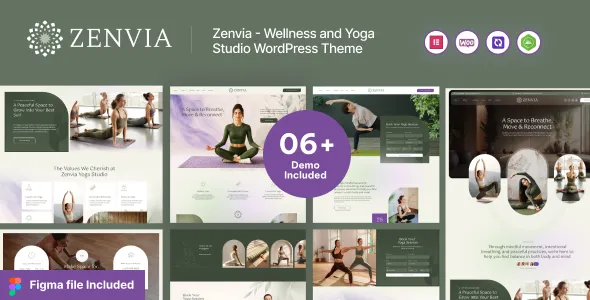
Zenvia – Wellness and Yoga Studio WordPress Theme
Zenvia – Wellness and Yoga Studio WordPress Theme is a thoughtful website solution for yoga studios, wellness centers, meditation instructors, holistic health professionals, and mindfulness communities that want to create a calm and welcoming online presence. Designed around the needs of wellness-focused businesses, Zenvia provides a foundation for presenting classes, introducing instructors, sharing wellness philosophies, and communicating with people who want to build healthier routines. With WordPress as the foundation, this theme gives website owners a practical way to organize information, publish meaningful content, and shape a website that reflects their approach to well-being. Whether you are launching a new yoga studio, expanding an established wellness business, or creating a personal platform for meditation and mindful living, Zenvia can help you build a professional WordPress website that communicates balance, trust, and authenticity.
A Wellness Website Designed Around Your Philosophy
A wellness website should feel like an extension of the experience people receive when they enter a yoga studio or wellness center. Visitors should be able to understand your services, discover your teaching approach, explore available classes, and learn how to get involved without feeling overwhelmed by unnecessary information. Zenvia offers a theme concept centered on these goals, helping wellness professionals create a digital environment that feels organized, welcoming, and aligned with their brand.
The presentation of a wellness business matters because visitors often make their first impressions before attending a class or speaking with an instructor. A carefully structured website can communicate professionalism while preserving the peaceful atmosphere associated with yoga, meditation, and holistic wellness. Zenvia gives studio owners a starting point for building that experience through thoughtful page organization, consistent branding, and content that speaks directly to their audience.
Instead of treating a wellness website as a simple online brochure, you can use Zenvia to present your business as an active community. Explain your philosophy, introduce your instructors, describe the classes you offer, and provide clear information for people who are considering their first session. Returning visitors can also use the website to stay informed about new programs, special events, and changes to your schedule.
Create a Welcoming First Impression
The homepage is often the first place potential clients encounter your wellness brand. It should communicate the purpose of your studio quickly, establish a recognizable visual identity, and guide visitors toward useful information. Zenvia can serve as the starting point for a homepage that introduces your business and helps people understand what makes your approach to wellness distinctive.
A compelling homepage might begin with a clear statement about your studio’s purpose, followed by an introduction to your most important services. Yoga classes, guided meditation, breathing exercises, mindfulness sessions, and wellness workshops can each receive appropriate attention depending on your business model. The goal is to help visitors recognize which offerings match their interests and what they can do next.
Zenvia also provides a useful foundation for creating a consistent presentation across different sections of your website. When headings, imagery, colors, and written content work together, the result feels more intentional. A cohesive design can help visitors move from discovering your studio to exploring your services and eventually making an inquiry.
Your homepage does not need to explain everything at once. It should provide a clear overview and guide visitors toward dedicated pages where they can learn more. This approach keeps important information accessible without making the initial experience unnecessarily complicated.
Present Your Yoga Classes Clearly
Class information is one of the most important elements of a yoga studio website. Prospective students want to know what types of sessions are available, who the classes are intended for, and whether the studio’s teaching style matches their expectations. Zenvia can help you organize this information into clear, informative sections that make your services easier to understand.
Different studios serve different audiences. Some focus on gentle yoga and relaxation, while others offer dynamic movement, flexibility training, restorative sessions, or classes designed for beginners. Your website should explain these differences in language that visitors can understand, especially if they have never attended a yoga class before.
With Zenvia, you can plan dedicated content for individual classes or group several related services into broader categories. A beginner yoga page might describe what participants can expect during their first session, what clothing is suitable, and whether any previous experience is required. An advanced class page could explain its pace, intended audience, and general areas of focus.
Well-written class descriptions also help set realistic expectations. Rather than relying on vague promotional statements, explain the actual experience your studio aims to provide. Clear information helps prospective students make informed decisions and gives your business a more approachable personality.
Build a Distinctive Wellness Brand
Every wellness business has a different story. Your studio might emphasize traditional yoga practices, contemporary movement, meditation, community participation, or a broader approach to everyday well-being. Zenvia can support a website presentation that communicates your identity rather than forcing your business into a generic template.
Brand consistency begins with a recognizable visual language. Colors, typography, photography, and written tone should reinforce the same message. Soft visual elements may suit a meditation studio, while a contemporary yoga center might prefer a more energetic presentation. A holistic wellness practice could combine natural imagery with a clean layout to communicate its connection to mindful living.
Your brand story is equally important. Explain why you established your business, what motivates your instructors, and what visitors can expect from your approach. These details make your website more personal and help people understand the values behind your services.
Zenvia provides a starting point for bringing these elements together in a coherent digital experience. You can adapt your content and visual identity to suit your audience, making the website feel connected to the real environment and personality of your wellness business.
Introduce Your Instructors and Wellness Professionals
People often want to know who will guide them before joining a yoga class or wellness program. Instructor profiles help establish a human connection and give visitors an opportunity to learn about the experience, interests, and teaching philosophies of the professionals behind your studio.
A dedicated instructor section can include a professional photograph, a short biography, areas of specialization, and a description of the classes each person leads. You may also explain how instructors approach beginners, adapt sessions for different experience levels, or create an inclusive environment for participants.
Zenvia can help you structure these introductions as part of a broader studio website. Rather than presenting instructors as names on a schedule, use their profiles to show the people and values behind your services. A welcoming biography can explain an instructor’s journey into yoga, their interest in mindfulness, or the principles that influence their teaching.
Keep these profiles informative and authentic. Include relevant qualifications where appropriate, but avoid exaggerated promises or claims about health outcomes. Clear, honest profiles encourage visitors to develop realistic expectations and decide whether your studio is the right fit.
Create an Informative About Us Page
The About Us page gives visitors a deeper understanding of your wellness business. While the homepage introduces your services, this section can explain the purpose behind them. Zenvia can be used to organize your story into a page that communicates your mission, teaching philosophy, and approach to creating a supportive community.
You might describe how your studio began, the types of people you hope to serve, and the values that influence your daily work. If your business prioritizes accessibility, mindful movement, or a welcoming environment for newcomers, explain what those principles mean in practice.
A strong About Us page does more than describe your business. It helps potential clients understand the experience they can expect and the reasons your studio operates the way it does. For an independent instructor, this might mean explaining a personal teaching philosophy. For a larger wellness center, it could involve introducing the team and outlining the range of services available.
With Zenvia, your About Us content can become an important part of your brand presentation. Keep the writing personal, avoid unnecessary jargon, and focus on the information that helps visitors feel informed and comfortable.
Support Meditation and Mindfulness Services
Yoga studios frequently offer services beyond physical movement. Meditation, breathing exercises, guided relaxation, and mindfulness workshops can form an important part of a broader wellness program. Zenvia can provide a foundation for presenting these services in a way that helps visitors understand their purpose and format.
A meditation page could explain whether sessions are guided or silent, whether participants need previous experience, and how long a typical session lasts. A mindfulness workshop page might introduce its theme, intended audience, and the topics participants will explore. If your business offers private sessions, explain how visitors can ask about availability.
Clear descriptions are particularly useful for people who are unfamiliar with meditation. Some may assume they need to know how to meditate before attending a class. Others may want to understand whether a session involves seated practice, gentle movement, breathing exercises, or guided visualization.
Use your website to answer these questions in straightforward language. Zenvia can help organize related services so that visitors can explore different options without confusing one program with another. Present your offerings accurately and avoid promising guaranteed medical or psychological benefits.
Design a Better Experience for Beginners
A first visit to a yoga studio can feel unfamiliar, especially for someone who has never participated in a class. Your website should make the process easier by answering common questions before visitors need to contact you. Zenvia can support a beginner-friendly content strategy that reduces uncertainty and helps people take the first step.
Consider creating a dedicated section that explains how to choose a class, what to bring, when to arrive, and what happens during an introductory session. If participants can borrow equipment at your studio, explain that arrangement. If advance registration is required, make the process clear.
An FAQ section can answer questions about experience levels, class duration, clothing, studio facilities, and cancellation policies. These practical details may appear simple, but they can significantly improve the usefulness of your website.
The language you use also matters. Avoid assuming that every visitor understands yoga terminology. Explain unfamiliar terms where necessary and make it clear that people can ask questions before joining. Zenvia can help you present this information in an organized format that supports a welcoming first impression.
Share Wellness Workshops and Special Events
Workshops and special events can help a wellness business introduce new experiences, build stronger relationships with its community, and give existing clients additional reasons to participate. These activities might include weekend yoga sessions, meditation introductions, seasonal wellness programs, breathing workshops, or guest instructor appearances.
Zenvia can be used to present event information in a dedicated section or through individual event pages. Each listing should explain the event’s purpose, intended audience, date, location, duration, and registration requirements. Where relevant, include information about pricing, available spaces, and what participants should bring.
Individual event pages are especially useful when an activity has a specific theme or requires more detailed preparation. Visitors can review the information at their own pace and share the page with friends who may be interested.
For recurring events, maintain the information carefully so that outdated dates and registration details do not remain visible. Zenvia is most effective when its content reflects the current activities of your business and makes it easy for visitors to understand what is available.
Publish Wellness Articles and Educational Resources
A blog can help your wellness website become a useful resource rather than a page that visitors only open when looking for class times. Educational articles allow you to discuss topics related to yoga, mindful routines, breathing practices, studio news, and the everyday habits that support a balanced lifestyle.
Zenvia can serve as the foundation for a content strategy that reflects your expertise and answers questions from your audience. You might publish an introduction to common yoga styles, explain what happens in a beginner session, or share practical suggestions for building a consistent personal practice.
Articles can also introduce visitors to the people and values behind your business. An instructor could explain their approach to teaching, while the studio could publish an overview of an upcoming workshop or describe how a particular class is structured.
Prioritize accuracy and usefulness over publishing frequency alone. Wellness content should be responsible, especially when discussing physical discomfort, injuries, medical conditions, or mental health. Avoid presenting general lifestyle information as a substitute for individualized professional advice.
A well-maintained blog can also contribute to organic search visibility by giving search engines useful pages to discover. Zenvia can support this effort when you publish original content, use descriptive headings, create meaningful internal links, and maintain a clear site structure.
Make Your Services Easy to Discover
Visitors should not have to search through unrelated pages to understand what your business offers. A clear service structure helps people move naturally from the homepage to the information they need. Zenvia can support a website organization in which each major service receives an appropriate place.
For example, a studio might group its offerings into yoga classes, meditation sessions, private instruction, workshops, and wellness programs. Each category can provide a brief introduction and direct visitors toward more detailed descriptions.
The exact structure should reflect the size and complexity of your business. A single instructor may only need a handful of well-organized pages, while a multi-service wellness center may benefit from more detailed navigation. The objective is not to create as many pages as possible, but to make relevant information easy to find.
Use consistent naming across your menus, buttons, and page headings. If a service is called restorative yoga in one location, avoid giving it an unrelated name elsewhere unless the distinction is intentional. This consistency helps visitors understand your offerings and makes the overall experience feel more polished.
Encourage Visitors to Get in Touch
A wellness website should make the next step clear for people who are interested in your services. Some visitors may want to book an introductory class, while others need clarification about a program, pricing, or studio facilities. Zenvia can provide a foundation for guiding these visitors toward the appropriate contact method.
Calls to action should use clear, descriptive language. Phrases such as “Explore Our Classes,” “Ask About Private Sessions,” or “Contact the Studio” explain what visitors can expect when they follow a link. Avoid filling every section with competing prompts; focus on the actions that matter most to your business.
A contact page can include your business email, telephone number, physical address, opening hours, and a contact form if supported by your implementation. If your studio is easy to reach by public transportation or has specific parking arrangements, include those details where useful.
Check every contact method regularly. A beautifully designed website will not support your business effectively if visitors encounter broken forms or outdated contact information. Zenvia should be paired with a reliable communication process so that inquiries receive timely and helpful responses.
Organize Your Studio Schedule and Booking Information
Class schedules are an essential part of the online experience for many yoga studios. Visitors want to know when sessions take place, whether classes are suitable for their experience level, and how to reserve a space. Zenvia can help present schedule-related information as part of your overall website structure.
Depending on your requirements, you can organize timetable information into clear pages or connect the website to a suitable scheduling or booking solution. Before choosing an integration, confirm that it supports your preferred booking process, payment requirements, cancellation rules, and class capacity.
A schedule should communicate practical details without requiring visitors to interpret an unnecessarily complicated layout. Include class names, session times, instructor details where relevant, and any prerequisites that participants should know about.
If your studio frequently changes its timetable, establish a process for updating the website whenever a change occurs. Clear and current information helps avoid confusion and supports a more dependable customer experience.
The appropriate functionality depends on the theme’s actual capabilities and the plugins or external services you choose. Zenvia should therefore be configured and tested against your specific booking requirements rather than assumed to include every scheduling feature automatically.
Present Private Yoga Sessions and Personalized Programs
Some clients prefer individual instruction or a program tailored to their interests. Private yoga sessions may appeal to people who want more personal guidance, have specific goals, or simply prefer a quieter learning environment. Zenvia can support a dedicated page that explains how these services work.
Use this page to describe the format of a private session, its approximate duration, the location where it takes place, and how interested visitors can ask about availability. If you provide online sessions, explain the basic technical requirements and how participants receive joining instructions.
Personalized wellness programs should be described with care. Explain the service you actually provide, the qualifications relevant to that service, and any limits on the guidance offered. Avoid suggesting that one program is suitable for everyone or that participation guarantees a particular health outcome.
By giving personalized services their own space, Zenvia can help visitors compare available options and decide whether to contact your business. Clear information also helps your team respond to inquiries with a better understanding of what prospective clients need.
Build Community Through Your Website
A yoga studio often becomes more than a place to attend classes. It can be a community where people develop routines, meet others with similar interests, and continue learning over time. Your website can reinforce this sense of belonging by sharing stories, announcing activities, and introducing the people who make the studio special.
Zenvia can support community-focused content through instructor introductions, event updates, blog articles, and pages explaining your studio’s values. You could share an overview of an upcoming group session or introduce a new class designed to welcome people with different levels of experience.
Testimonials may also help prospective clients understand the experience your business offers, provided they are genuine and published with appropriate permission. Choose comments that describe specific aspects of the service rather than making broad claims that cannot be substantiated.
Community communication should feel authentic rather than overly promotional. Focus on what participants can learn, experience, or contribute. When your website reflects the real character of your studio, Zenvia becomes a more meaningful connection between your physical services and your online audience.
Create a Consistent Visual Experience
Visual consistency helps make a wellness website feel calm and intentional. A page with too many competing colors, inconsistent image styles, and crowded sections may distract visitors from the information they came to find. Zenvia can provide a starting point for establishing a more unified presentation.
Choose a restrained color palette that reflects your brand. Earth-inspired shades, neutral backgrounds, gentle greens, or warm accent colors may suit some wellness businesses, while other studios may prefer a more contemporary palette. The right choice depends on your audience and the identity you want to communicate.
Photography should support the message of each page. Images of your actual studio, instructors, equipment, and classes can make the website feel more personal. If you use stock photography, choose images that represent your services accurately and avoid suggesting that a location or instructor belongs to your business when that is not the case.
Typography also contributes to the overall experience. Headings should be easy to distinguish, body text should remain comfortable to read, and important links should be visually recognizable. Zenvia can be adapted to reflect your brand while maintaining a practical balance between visual character and usability.
Improve Navigation and Page Structure
Good navigation helps visitors understand where they are and how to reach other sections of your website. For a yoga studio, the most important links often include classes, instructors, workshops, studio information, articles, and contact details. Zenvia can serve as the basis for arranging these pages into a logical structure.
Keep the primary navigation focused on the destinations visitors use most frequently. Less frequently accessed information can be placed in secondary navigation or the footer, provided it remains easy to find.
Page hierarchy matters as well. A visitor exploring yoga classes should be able to move from a general overview to a specific class description and then to the relevant inquiry or registration process. This creates a predictable journey instead of forcing people to return to the homepage repeatedly.
Review the structure from the perspective of someone who has never visited your studio. Ask whether the menu labels are understandable, whether important information appears in the expected place, and whether visitors can complete common tasks without unnecessary steps. These practical checks can improve the usefulness of a Zenvia-powered website.
Support a Mobile-Friendly Experience
Many people discover local businesses and check class information using smartphones. A wellness website should therefore remain useful on smaller screens, where visitors may be reading while traveling, checking a timetable, or trying to contact a studio.
Zenvia should be configured and tested across a range of screen sizes to ensure that important information remains accessible. Menus should be understandable, text should be readable, and interactive elements should be comfortable to use with touch controls.
Pay particular attention to class schedules, contact details, forms, and registration links. A page that looks attractive on a desktop computer may become difficult to use on a phone if tables overflow, text becomes too small, or buttons are positioned too closely together.
Images should also be appropriately sized so that they support the design without unnecessarily slowing down the page. Testing on actual mobile devices can reveal issues that are difficult to identify from a desktop preview alone.
A mobile-friendly presentation helps make Zenvia more practical for people who want to interact with your studio while away from their computers.
Consider Accessibility and Readability
An inclusive wellness website should make its information available to as many visitors as reasonably possible. Accessibility involves more than choosing readable colors or adding a mobile layout. It also includes navigation, content structure, form behavior, and support for people who use assistive technologies.
Use meaningful heading levels to organize your pages, descriptive text for links, and useful alternative text for informative images. Ensure that important information is not communicated through color alone, and check that text and background colors provide adequate contrast.
Forms should clearly identify required fields and explain how users can correct errors. Buttons should describe their purpose, and menus should be usable without relying exclusively on a mouse.
Zenvia can be part of an accessible website implementation, but accessibility depends on the theme’s actual markup, the content you add, your chosen plugins, and any customizations. Review these elements rather than assuming that a theme alone guarantees compliance.
Making accessibility part of your website planning can improve the experience for people with different abilities and help create a more welcoming digital environment for your wellness community.
Develop an SEO-Friendly Website Structure
Search engine optimization can help people discover your yoga studio when they search for relevant classes, wellness services, or local instructors. Zenvia provides a website foundation, while effective SEO depends on the content, technical setup, and ongoing maintenance of the site.
Begin with descriptive page titles and headings that explain what each page offers. A page about beginner yoga should clearly focus on that subject rather than using a vague title that tells visitors very little. Your class descriptions should include meaningful details about the sessions, audience, and location where relevant.
Create original content instead of copying descriptions from other websites. Your studio’s teaching philosophy, instructor introductions, class formats, and local knowledge provide opportunities to publish information that reflects your actual business.
Internal links can help visitors discover related content. An article about meditation might link to the relevant class page, while an instructor biography could direct visitors to the sessions they teach. These connections make the website more useful and help search engines understand relationships between pages.
Technical considerations also matter. Configure appropriate indexing settings, generate an XML sitemap where suitable, avoid unnecessary duplicate URLs, and check that important pages can be accessed by search engines. Zenvia does not guarantee search rankings or indexing; results depend on many factors, including competition, content quality, website performance, and search engine behavior.
Improve Website Performance
A responsive, well-organized website should also load efficiently. Visitors may leave if pages take too long to display, especially when they are trying to check class times or contact your business. Performance should therefore be considered during the setup and maintenance of your Zenvia website.
Start by using appropriately sized images. Large, uncompressed photographs can increase loading times without providing a meaningful improvement in visual quality. Modern image formats, responsive image delivery, and suitable compression can help reduce unnecessary data transfer.
Review the plugins and external scripts used on your website. Every additional component should have a clear purpose, because unnecessary functionality can make a site more difficult to maintain and may affect performance.
Caching, hosting quality, database maintenance, and content delivery configuration can also influence speed. Test important pages with reliable performance tools and investigate the causes of any problems instead of installing multiple optimization plugins without a plan.
The goal is to create a website that feels responsive while preserving the visual presentation and functionality your business needs. A carefully maintained Zenvia installation can provide a stronger foundation for a positive visitor experience.
Customize the Website to Match Your Business
A theme is most useful when it can be adapted to the identity and requirements of the business using it. Zenvia gives you a starting point for creating a website that reflects your services, brand voice, and target audience, subject to the customization options available in the theme.
Begin with the essentials: your logo, business name, contact details, color palette, and core pages. Then review the layout of the homepage and decide which information deserves the greatest attention. A meditation-focused business may prioritize guided sessions, while a busy yoga studio may need its timetable and class categories to be more prominent.
Replace generic demonstration content with original information that accurately represents your business. Update images, revise headings, check links, and ensure that every displayed service is genuinely available. This process makes the website more credible and avoids confusing visitors with details that do not apply to your studio.
Before making extensive customizations, identify which settings are available directly through the theme and which changes require additional tools or development work. Keep a record of important adjustments and test the site after updates. With thoughtful planning, Zenvia can evolve alongside your business rather than becoming a fixed design that no longer meets your needs.
Maintain Your Website as Your Studio Grows
A wellness business changes over time. You may introduce new instructors, expand your class schedule, move to a different location, or add workshops and online programs. Your website should reflect these developments so that visitors can rely on the information they find.
Zenvia can remain useful as a long-term website foundation when its content is maintained consistently. Schedule periodic reviews of your service pages, contact information, instructor profiles, and event announcements. Remove expired promotions and update timetable details as soon as changes are confirmed.
WordPress maintenance is equally important. Keep the WordPress installation, theme, and compatible plugins updated, following appropriate backup and testing practices. Use secure passwords, limit unnecessary administrative access, and maintain a reliable backup process so that you have a recovery option if something goes wrong.
Review visitor behavior and feedback to identify areas for improvement. If people repeatedly ask a question that your website should answer, consider adding the information to a relevant page or FAQ. If visitors struggle to find the booking process, simplify the navigation or make the next step more visible.
These ongoing improvements help keep Zenvia aligned with the real needs of your business and its community.
Who Can Benefit from Zenvia?
Zenvia is suited to a range of businesses and professionals working in yoga, mindfulness, and wellness. Its overall concept can be useful for anyone who wants a website that introduces services, communicates a clear philosophy, and gives visitors an accessible way to learn more.
Yoga studios can use the theme as a foundation for presenting class categories, instructors, timetables, and studio information. Independent yoga teachers may use it to introduce their teaching approach, promote private sessions, and share educational resources.
Meditation instructors and mindfulness practitioners can organize information about guided sessions, workshops, and related programs. Holistic wellness centers may adapt the site structure to explain multiple service categories and introduce the professionals who provide them.
Wellness coaches can use a website to communicate their approach, publish helpful articles, and invite prospective clients to make inquiries. Retreat organizers may also find the theme concept relevant when presenting event information, schedules, location details, and registration instructions.
The best fit depends on the actual functionality included with the theme and the requirements