My Account
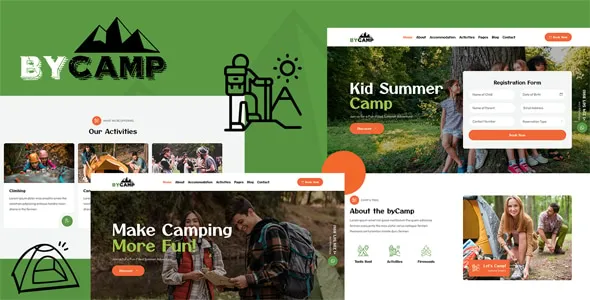
BYCAMP – Camping & Adventure Elementor WordPress Theme
BYCAMP – Camping & Adventure Elementor WordPress Theme is a versatile website design solution for camping businesses, outdoor adventure companies, travel organizers, glamping resorts, hiking guides, and nature-focused tourism services looking to build a professional online presence with WordPress. Designed around the camping and outdoor recreation niche, BYCAMP provides a potential starting point for creating an engaging website that showcases outdoor destinations, adventure activities, camping facilities, travel experiences, and nature-based services. With Elementor-based page customization, website owners can shape their pages around their brand identity, target audience, and business objectives, depending on the theme version and supported features.
Outdoor enthusiasts often look for practical information before choosing a destination or booking an experience. They want to explore locations, understand available activities, review accommodation options, learn about facilities, and find clear contact or booking information. A well-structured website can bring these details together in an attractive and accessible format. BYCAMP can be considered for businesses that want to present their outdoor offerings through compelling visuals, organized content sections, and a responsive website experience.
Whether you manage a campsite, operate an adventure travel agency, offer guided trekking experiences, run a glamping retreat, or organize outdoor recreational activities, a specialized WordPress theme can help establish a consistent digital identity. By combining relevant imagery, useful destination information, service descriptions, and straightforward navigation, businesses can create a website that inspires visitors to discover new experiences and take the next step toward planning an adventure.
What Is BYCAMP Camping & Adventure Elementor WordPress Theme?
BYCAMP is a niche-oriented WordPress theme intended for websites related to camping, outdoor recreation, adventure tourism, and nature-based travel. Rather than starting with a generic business layout, website owners can use a camping-focused design foundation to organize information around outdoor destinations, travel experiences, campsite facilities, and adventure services.
The theme’s Elementor-oriented approach is intended to support visual page customization through a compatible editing environment. Depending on the included theme components and Elementor version, users may be able to adjust page sections, arrange content blocks, customize text, and create layouts that suit their requirements. The exact editing capabilities, included templates, and compatibility requirements should be confirmed in the current product documentation.
A camping and adventure website needs to communicate both the appeal of an experience and the practical details visitors need. Large landscape images can introduce destinations, activity sections can explain available adventures, and dedicated pages can provide information about facilities, schedules, pricing, and booking procedures.
BYCAMP can provide a starting point for organizing these elements into a cohesive website. Its final appearance and functionality will depend on the selected layouts, original content, theme settings, and any compatible plugins added to the WordPress installation.
Responsive Design for Outdoor and Travel Websites
Visitors may explore an adventure website from a desktop computer while researching a holiday, then return to it from a smartphone while traveling. Responsive design helps keep website content accessible and readable across different screen sizes.
For camping and tourism businesses, mobile usability is particularly important. Potential visitors may need to review campsite locations, check activity details, examine accommodation photographs, or find contact information while on the move. A responsive layout can help present these details without forcing visitors to navigate an interface designed only for larger screens.
When configuring BYCAMP, website owners should pay attention to how destination images, headings, navigation menus, activity cards, and contact sections appear on mobile devices. Text should remain legible, buttons should be easy to tap, and important information should not become difficult to locate on smaller screens.
Responsive behavior should also be reviewed on inner pages, including destination details, service descriptions, blog posts, galleries, and contact forms. Custom Elementor layouts, third-party widgets, and embedded content can affect how individual sections behave across devices.
Testing the complete website before launch helps identify layout issues and ensures that visitors can browse the available experiences comfortably. A responsive presentation supports a more consistent experience for outdoor enthusiasts researching their next trip.
Ideal for Camping Sites and Campsite Businesses
Campsite operators need a website that introduces their location, explains available facilities, and helps visitors understand what to expect before arriving. Useful information may include accommodation types, tent pitches, restroom facilities, parking, campfire policies, nearby attractions, and site-specific rules.
BYCAMP can be considered for building a campsite website that presents these details in an organized and visually appealing way. The homepage can introduce the property with landscape photography and a concise description, while dedicated sections explain accommodation options, facilities, activities, and visitor information.
A campsite may offer tent camping, caravan spaces, cabins, or designated outdoor areas. Each option can have its own content section with photographs, relevant amenities, occupancy information, and pricing details where applicable. Clear descriptions help visitors compare options and choose an arrangement that suits their needs.
Location information is another important part of campsite planning. Website owners can provide directions, nearby landmarks, transport guidance, and practical arrival instructions. A map or location embed may be added using an appropriate compatible service.
If the business accepts reservations online, booking functionality may require a compatible booking plugin or external reservation platform. Confirm the available integrations before assuming that the theme includes a complete booking system.
Adventure Tourism and Outdoor Activity Websites
Adventure tourism businesses offer experiences that allow visitors to explore landscapes, learn new skills, and participate in outdoor activities. Their websites need to explain what each experience involves and help prospective customers decide whether it matches their interests and abilities.
BYCAMP can serve as a visual foundation for an adventure website featuring activities such as hiking, trekking, mountain exploration, nature walks, camping trips, kayaking, cycling tours, or guided outdoor excursions, depending on the business’s actual services.
Individual activity pages can introduce the experience, describe the location, explain its approximate duration, and outline any equipment or preparation requirements. Businesses should also communicate age restrictions, fitness expectations, safety considerations, and seasonal limitations whenever relevant.
Photography can help visitors understand the character of each adventure. Images of trails, landscapes, campsites, and guided activities can provide visual context, while concise descriptions answer practical questions about participation.
For businesses offering multiple experiences, category-based navigation can help users find suitable activities more efficiently. Visitors might browse by activity type, destination, trip duration, or experience level if the website’s content structure supports those categories.
The goal is to combine an inspiring presentation with accurate information. Clear activity descriptions can help visitors make informed choices and encourage more relevant inquiries.
Glamping Resorts and Nature Retreats
Glamping combines an outdoor setting with accommodation designed to offer additional comfort and convenience. Glamping resorts and nature retreats often need websites that communicate their atmosphere, facilities, accommodation choices, and surrounding environment.
BYCAMP can be adapted as a potential starting point for a glamping or eco-retreat website. A visually engaging homepage can introduce the property, while separate sections present accommodation options, outdoor spaces, available services, and nearby attractions.
Accommodation pages may describe safari tents, cabins, cottages, yurts, or other lodging types offered by the business. Each listing can include photographs, capacity information, available amenities, accessibility details, and seasonal pricing where relevant.
Nature retreats may also provide experiences such as guided walks, outdoor dining, stargazing, wildlife observation, yoga sessions, or family activities. These services can be introduced through dedicated content sections that explain what visitors can expect.
A strong visual identity is particularly important for this type of business. Consistent typography, carefully selected colors, and authentic photography can help communicate the retreat’s character without overwhelming visitors with unnecessary effects.
If accommodation reservations, availability calendars, or payment processing are required, website owners should verify whether these capabilities are included or need to be added through compatible tools.
Customization with Elementor
Elementor provides a visual editing environment for creating and arranging website layouts. Its use with BYCAMP can help website owners customize page content and adapt the presentation to their business, subject to the theme’s documented compatibility and included components.
Visual customization may involve editing headings, replacing placeholder images, adjusting section arrangements, changing colors, and organizing content around the site’s primary objectives. The exact controls available depend on the theme version, Elementor edition, and any additional plugins or widgets installed.
A campsite owner may prioritize accommodation details and site facilities. An adventure company may focus on activity categories and guided experiences, while a glamping resort may emphasize photography and lodging information. Customizing the page structure helps each business communicate the details most relevant to its audience.
Elementor-based workflows can also make it easier to refine content as the business evolves. For example, a company might add a new destination, update seasonal activities, or revise service information without redesigning the entire website.
Before making extensive changes, review the theme’s installation instructions and editing requirements. If the design depends on particular Elementor widgets, a companion plugin, or a specific template setup, ensure those dependencies are installed and compatible.
Homepage Layout and Visual Storytelling
The homepage introduces the business and helps visitors understand its main offerings. For a camping and adventure website, it should communicate the type of experiences available while providing clear pathways to useful information.
A BYCAMP-based homepage can be organized around a prominent introductory section, featured destinations, activity highlights, campsite facilities, accommodation information, visitor testimonials, and contact opportunities, depending on the available layouts and business requirements.
The opening section should explain the business’s central offering. A camping resort might highlight its natural surroundings and accommodation choices, while a trekking company could introduce its guided trips and outdoor destinations.
Featured activity or destination sections help visitors explore the website further. Each preview should provide enough context to understand the experience and link to a page with more detailed information when appropriate.
Authentic photographs can make the homepage more informative and engaging. Images should represent the actual locations, facilities, and activities rather than create expectations that the business cannot meet.
The homepage should also guide visitors toward relevant next steps. Depending on the business model, these might include exploring destinations, reviewing accommodation options, requesting information, contacting a guide, or proceeding to a supported reservation platform.
A focused homepage is generally more useful than one containing every possible section. Prioritizing the most important information makes it easier for visitors to navigate the website and understand the services available.
Destination Pages and Travel Information
Destination pages help outdoor businesses present individual locations in greater detail. They are useful for travel agencies, campsite operators, trekking organizers, and adventure companies that serve multiple areas.
With BYCAMP, website owners can plan destination-focused pages that describe the landscape, available activities, access routes, facilities, and practical visitor information. The precise page layouts depend on the theme’s available templates and customization options.
A destination page might include an overview of the location, photographs, recommended activities, suggested visit duration, seasonal considerations, and relevant preparation guidance. For remote locations, directions and information about road access or transport availability may be especially useful.
Travel information should remain accurate and current. Weather conditions, trail closures, seasonal access restrictions, and local regulations can affect outdoor activities, so businesses should review time-sensitive details regularly.
If several destinations are offered, consistent page structures help visitors compare their options. Reusing a clear information hierarchy makes it easier to find essential details without making every page identical.
Where suitable, internal links can connect destination pages with related activities, accommodation options, travel guides, and contact information. This creates a more connected browsing experience and helps visitors move naturally from inspiration to practical planning.
Accommodation, Facilities, and Service Presentation
Visitors often compare accommodation and facilities before choosing a camping or adventure destination. A website should therefore provide clear, specific descriptions rather than relying entirely on attractive photographs.
BYCAMP can be used as a starting point for presenting available accommodation and services through organized content sections. Depending on the business, these might cover tent pitches, cabins, shared facilities, equipment rental, guided activities, dining options, parking, or family-friendly amenities.
Each service description should explain what is included and identify any important restrictions. For example, a campsite may need to clarify whether electricity is available, whether equipment is provided, or whether visitors must bring their own supplies.
Pricing information should be easy to understand when the business chooses to publish it. If rates vary by season, accommodation type, or group size, the website should explain those differences clearly.
Photographs should accurately represent the facilities. Keeping images current helps visitors form realistic expectations and reduces confusion when they arrive.
Businesses can also provide frequently asked questions covering check-in procedures, cancellation policies, pets, equipment requirements, food arrangements, and other common concerns. These details make the website more useful while reducing repetitive inquiries.
Booking and Inquiry Options
A clear inquiry or booking pathway can help turn website visits into potential customers. Visitors should be able to understand how to request availability, discuss an activity, or make a reservation.
BYCAMP can be configured to direct visitors toward appropriate contact methods through buttons, contact sections, and compatible form tools. However, a complete booking system, availability calendar, automated confirmation workflow, or payment gateway should not be assumed to be included without checking the current theme documentation.
A simple inquiry form may request a visitor’s name, email address, preferred dates, group size, selected activity, and a brief message. The form should collect only the information necessary to respond to the request.
For businesses with multiple services, the inquiry pathway can be tailored to the visitor’s interest. A campsite reservation inquiry may need different details from a guided trekking request or a group adventure booking.
If online reservations are required, evaluate a compatible booking plugin or external reservation service. Check its compatibility, pricing, payment support, cancellation options, and notification process before integrating it into the website.
Before launch, test all forms, links, confirmation messages, and email notifications. A reliable inquiry process helps ensure that interested visitors can reach the business without unnecessary friction.
SEO-Friendly Structure for Camping and Adventure Websites
Search engine optimization helps make website content easier for search engines to understand and for potential visitors to discover. A well-organized WordPress theme can provide a useful design foundation, but search visibility also depends on content quality, technical configuration, competition, and ongoing optimization.
A camping business can create dedicated pages for its main services, accommodation types, and destinations. An adventure company may publish pages for different activities, guided trips, and visitor preparation resources. Each page should have a clear purpose and answer the questions of its intended audience.
Use descriptive page titles, logical headings, readable URLs, and natural language. Location-specific content may be useful for businesses serving a defined area, provided that it accurately describes the services and destinations offered.
Image optimization is also important for visually rich outdoor websites. Compress photographs to reduce unnecessary file sizes and provide meaningful alternative text for informative images. Decorative images should not contain essential information that is unavailable elsewhere on the page.
Internal links can connect related activity pages, destination guides, accommodation listings, and blog articles. This helps visitors explore relevant information and supports a more coherent website structure.
Compatible SEO plugins may assist with metadata, XML sitemaps, redirects, and other technical settings. Website owners should review indexing, broken links, mobile usability, and loading performance regularly.
No WordPress theme can guarantee top search rankings. Sustainable optimization relies on useful content, accurate information, sound technical practices, and a website that serves its visitors effectively.
Content Marketing and Outdoor Travel Blogging
A blog can help camping and adventure businesses share practical advice, introduce destinations, answer visitor questions, and demonstrate knowledge of outdoor activities.
BYCAMP may be suitable for a website that combines service pages with articles and travel guides, depending on the blog layouts available in the installed version. WordPress provides content management tools for publishing posts and organizing them into relevant categories.
Potential topics include camping preparation checklists, choosing outdoor equipment, responsible camping practices, hiking tips, family camping advice, seasonal travel suggestions, and guides to destinations served by the business.
Useful articles should be specific, accurate, and written for the needs of the audience. For example, a camping guide can explain what visitors should pack, while a destination article can outline access information, local facilities, and activities available in the area.
Content should also distinguish general advice from location-specific rules and safety requirements. Outdoor conditions can change, so guidance about routes, weather, wildlife, and access should be reviewed whenever necessary.
Relevant internal links can connect articles to activity pages, campsite information, accommodation listings, and contact options. This helps readers move from researching an outdoor topic to discovering a suitable service.
A manageable publishing schedule and a focus on practical value can make a travel blog a useful long-term part of the website’s content strategy.
Website Speed and Image Optimization
Camping and adventure websites often rely on large landscape photographs, accommodation galleries, and visual destination previews. While these elements can improve presentation, oversized images and unnecessary scripts may slow down page loading.
The performance of a BYCAMP website will depend on its configuration, hosting environment, image assets, installed plugins, fonts, and third-party integrations. Responsive design alone does not guarantee fast performance.
Start by optimizing photographs and selecting appropriate image dimensions. Use modern image formats where supported, avoid uploading unnecessarily large files, and ensure that visual quality remains suitable for the intended display size.
Review animations, sliders, embedded maps, and external widgets to determine whether they provide meaningful value. Removing unnecessary components can reduce complexity and improve the visitor experience.
Caching and other performance tools may help, depending on the hosting setup and website requirements. These tools should be configured carefully to avoid interfering with dynamic forms, booking integrations, or other interactive elements.
Test important pages on both desktop and mobile devices. The homepage, destination pages, activity listings, galleries, and inquiry forms may have different performance characteristics.
Regular monitoring helps identify issues as the website grows. Efficient page loading makes it easier for visitors to explore outdoor experiences, particularly when using mobile connections.
Accessibility and Easy Website Navigation
A camping website should make important information easy to find and understand. Clear navigation and accessible content can help visitors with different devices, browsing habits, and abilities explore the available services.
When customizing BYCAMP, use descriptive navigation labels, logical heading structures, readable typography, and sufficient color contrast. Links and buttons should be visually distinguishable, and forms should include clear labels and useful error messages.
The main menu should prioritize essential pages such as destinations, activities, accommodation, about information, visitor guides, and contact details, according to the business’s needs.
Images should include suitable alternative text when they convey useful information. Avoid using photographs as the only way to communicate important details, such as prices, opening arrangements, or safety requirements.
Interactive elements should be tested with keyboard navigation where appropriate. Mobile menus, forms, sliders, and embedded components may require additional review to ensure that they remain usable.
Accessibility depends on the theme, the content, and the way individual components are configured. Automated checks can help identify some problems, while manual testing provides additional insight into the actual visitor experience.
Who Should Use BYCAMP Elementor WordPress Theme?
BYCAMP can be evaluated by businesses and organizations that need a website focused on camping, outdoor experiences, and nature-based travel.
Campsite owners: Present camping areas, facilities, accommodation choices, visitor guidelines, and location details.
Adventure tourism companies: Introduce guided trips, outdoor activities, destination experiences, and practical preparation information.
Glamping resorts: Showcase distinctive accommodation, property facilities, surrounding landscapes, and available guest experiences.
Hiking and trekking guides: Explain routes, trip options, expected difficulty, preparation requirements, and guide services.
Outdoor recreation businesses: Organize information about activities, equipment services, group experiences, and seasonal offerings.
Nature retreats: Communicate the atmosphere of the property, available accommodation, outdoor activities, and visitor arrangements.
Travel agencies: Present outdoor destinations, adventure itineraries, and nature-focused travel services.
Camping equipment and rental providers: Explain available equipment and services, with any ecommerce or inventory functionality supplied through appropriate compatible tools.
The best choice depends on the website’s specific requirements. Before installation, review the theme demo, supported WordPress and Elementor versions, available layouts, required companion plugins, and any booking or ecommerce functionality needed for the project.
Tips for Building a Successful Website with BYCAMP
A well-designed theme is only one part of an effective outdoor website. The finished experience should combine an attractive presentation with accurate information and a straightforward way for visitors to explore services.
Start by defining the website’s primary objective. A campsite may focus on accommodation inquiries, while an adventure company may want visitors to explore activities or request guided trips.
Prepare the essential content before customizing every page. Gather authentic photographs, accurate service descriptions, location information, facility details, pricing policies, and contact information.
Use a consistent visual identity that reflects the character of the business. Select colors and typography that remain readable, and use photography that represents the actual destinations and facilities.
Keep navigation focused on the information visitors need most. Avoid adding sections simply because they are available in a template. Each page should serve a clear purpose and guide visitors toward relevant information or actions.
Test the website across different screen sizes before launch. Check menus, buttons, images, forms, links, and any third-party integrations. Review spelling, contact details, seasonal information, and the accuracy of published policies.
Finally, plan for regular maintenance. Update WordPress and compatible plugins carefully, maintain backups, monitor performance, and review important content as services and outdoor conditions change.
Final Thoughts on BYCAMP – Camping & Adventure Elementor WordPress Theme
BYCAMP – Camping & Adventure Elementor WordPress Theme is a potential website design foundation for camping businesses, adventure travel companies, glamping resorts, trekking guides, nature retreats, and outdoor recreation providers. Its camping-oriented focus makes it relevant to projects that need to communicate destinations, outdoor activities, accommodation, and practical visitor information in a visually engaging format.
A well-planned BYCAMP website can bring together destination pages, activity descriptions, campsite facilities, accommodation information, travel guides, and contact opportunities. Elementor-based customization may help website owners adapt the presentation to their brand and business needs, subject to the installed version and its documented requirements.
The final functionality depends on the theme’s included features, supported editing tools, WordPress configuration, and compatible plugins. Booking systems, payment processing, advanced availability calendars, and ecommerce capabilities should be checked separately if they are essential to the project.
Long-term website quality also depends on authentic content, responsive testing, accessibility, search optimization, performance, and regular maintenance. A theme cannot guarantee rankings or bookings, but it can provide a useful starting point for creating a clear and professional online presence.
For businesses looking to present outdoor experiences and inspire visitors to explore nature, BYCAMP can be considered as part of a broader WordPress website strategy. With thoughtful customization, accurate information, engaging photography, and a convenient visitor journey, a camping and adventure website can support brand awareness, customer inquiries, and the promotion of memorable outdoor experiences.