My Account
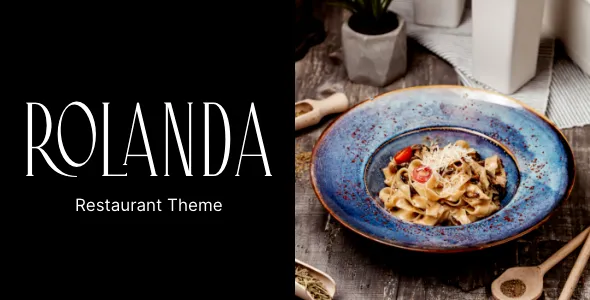
Rolanda – Restaurant WordPress Theme
Rolanda – Restaurant WordPress Theme is a versatile website design solution for restaurants, cafés, bistros, dining establishments, food businesses, and hospitality professionals looking to establish a professional online presence. Designed for the restaurant industry, Rolanda offers a potential foundation for presenting food menus, showcasing signature dishes, introducing dining experiences, and sharing essential information with customers. With WordPress content management capabilities and customizable page layouts, businesses can develop a website that reflects their culinary identity, communicates their services, and helps visitors discover what makes their establishment distinctive.
A restaurant website plays an important role in attracting diners and building customer confidence. Visitors often want to explore the menu, view food photographs, check opening hours, find the restaurant location, and learn about available dining options before visiting. A well-organized website brings these details together in an accessible format and makes it easier for customers to decide where to dine.
Rolanda can be considered for businesses ranging from casual cafés and family restaurants to contemporary dining venues, specialty food establishments, and hospitality brands. By combining appealing food photography, clear menu information, consistent branding, and convenient contact options, restaurant owners can create a digital presence that supports their business goals. The final features and customization options depend on the installed theme version, its documentation, and any compatible WordPress plugins used alongside it.
What Is Rolanda Restaurant WordPress Theme?
Rolanda is a restaurant-focused WordPress theme intended for food businesses that need a dedicated website to present their menus, dining atmosphere, services, and business information. Instead of relying on a generic business layout, a restaurant-oriented theme provides a starting point for organizing content around food, hospitality, and the customer dining experience.
WordPress allows website owners to manage pages, publish articles, upload photographs, and maintain navigation menus through its content management interface. A restaurant theme can help bring these elements together in a consistent design that reflects the establishment’s brand and culinary style.
With Rolanda, a restaurant website can be structured around a homepage, menu page, restaurant story, featured dishes, gallery, contact details, and other relevant sections, depending on the available templates and customization controls.
A restaurant’s requirements may extend beyond visual presentation. Online reservations, food ordering, delivery management, and payment processing can require additional plugins or third-party services. Website owners should review the current theme documentation before assuming that specific operational features are included.
Professional Website Design for Restaurants
A professional restaurant website should communicate the establishment’s identity and make essential information easy to find. Customers should quickly understand the type of food served, the dining atmosphere, the location, and the available ways to contact the business.
Rolanda can provide a starting point for presenting a restaurant’s culinary offerings through organized content sections and visual storytelling. A homepage can introduce the establishment, highlight popular dishes, and direct visitors toward the menu, restaurant information, or contact page.
Different restaurants require different approaches to presentation. A fine-dining venue may emphasize elegant typography and carefully selected photography, while a casual café might prefer a welcoming visual style. A family restaurant may prioritize menu clarity, location information, and convenient dining details.
Consistent design elements help establish recognition across the website. Colors, typography, image styles, and navigation should work together to support the restaurant’s identity.
By replacing placeholder content with original descriptions, authentic photographs, and accurate business details, restaurant owners can adapt Rolanda into a website that represents their actual dining experience.
Menu Presentation and Food Categories
The menu is one of the most important parts of a restaurant website. Visitors often consult it before deciding whether a restaurant suits their tastes, dietary preferences, budget, or occasion.
Rolanda can be used as a foundation for presenting menu information through organized sections, depending on the available page layouts. Restaurants may choose to group dishes into categories such as starters, main courses, desserts, beverages, breakfast, lunch, dinner, or specialty menus.
Each menu item can include a dish name, description, price, and photograph where appropriate. Descriptions should explain the main ingredients or distinctive preparation methods without becoming unnecessarily long.
Restaurants that offer seasonal dishes, lunch specials, tasting menus, or limited-time promotions can use dedicated sections to highlight these options. Keeping menu information current is important because customers may rely on the website when planning a visit.
Dietary information should be presented accurately. If the restaurant identifies vegetarian, vegan, gluten-free, or allergen-related options, those details should reflect the kitchen’s actual practices and ingredient information.
A clear online menu helps customers make informed choices and provides a convenient way to explore the restaurant’s offerings before arriving.
Showcase Signature Dishes with Food Photography
Food photography can play a major role in the presentation of a restaurant website. Well-chosen images help visitors understand the style of cuisine, the appearance of signature dishes, and the atmosphere of the establishment.
Rolanda can be considered for websites that use photographs to introduce featured dishes, menu highlights, dining spaces, and special food offerings. The available gallery and image layouts depend on the theme’s current implementation and customization options.
Restaurants should prioritize authentic photographs that accurately represent the food being served. Images of signature dishes can be used to highlight distinctive menu items, while photographs of the dining area can help visitors understand the restaurant’s environment.
Consistent image quality contributes to a more professional appearance. Similar lighting, suitable framing, and appropriate image dimensions can help the website feel cohesive without requiring every photograph to look identical.
Images should support the information on the page rather than overwhelm it. A carefully selected set of photographs is often more effective than a large gallery containing repetitive or unrelated visuals.
Website owners should also optimize image file sizes and provide meaningful alternative text for informative images. This helps improve loading performance and supports accessibility.
Café, Bistro, and Casual Dining Websites
Cafés and bistros often need websites that communicate a welcoming atmosphere while providing practical information about food, drinks, opening hours, and location.
Rolanda can be evaluated for coffee shops, brunch cafés, bakeries, casual dining venues, neighborhood restaurants, and small hospitality businesses. The website can introduce the business, display its menu, highlight popular offerings, and provide directions for visitors.
A café homepage might emphasize specialty coffee, freshly prepared food, baked goods, or seasonal drinks. A bistro may focus on its menu, dining atmosphere, and daily offerings. A casual restaurant could prioritize family dining, lunch options, or convenient takeaway information.
A dedicated menu section can help customers review available choices before visiting. Additional pages may introduce the café’s story, explain its approach to ingredients, or share information about special events and promotions.
Opening hours and location details should be easy to locate, especially for customers searching for a nearby place to eat. If hours change on public holidays or during special events, the website should communicate those changes clearly.
A focused, user-friendly website helps casual dining businesses create a recognizable online presence without making visitors search through unnecessary information.
Fine Dining and Specialty Restaurant Presentation
Fine-dining establishments and specialty restaurants often need a website that reflects their culinary approach, atmosphere, and attention to detail. The design should complement the restaurant’s identity while keeping essential information accessible.
Rolanda can serve as a potential starting point for restaurants that emphasize chef-led menus, regional cuisine, tasting experiences, seasonal ingredients, or carefully curated dining environments.
A restaurant’s introduction can explain its culinary philosophy and the type of experience guests can expect. Dedicated sections may highlight signature dishes, menu concepts, ingredient sourcing, or the background of the culinary team, where those details are relevant and accurate.
Photography should reinforce the restaurant’s identity. Images of dishes, table settings, interiors, and carefully prepared details can communicate the dining atmosphere more effectively than generic stock imagery.
For establishments that offer tasting menus, private dining, or special occasion experiences, separate pages can explain the available arrangements and how guests can make inquiries.
If the restaurant accepts table reservations online, the website may need a compatible reservation service or plugin. The selected system should be tested carefully to ensure that guests receive clear confirmation and accurate booking information.
Online Reservations and Table Booking
An online reservation option can make it easier for customers to plan a visit and help restaurant staff manage incoming requests. The exact booking process depends on the restaurant’s operations and the tools used on the website.
Rolanda can be configured to direct visitors toward reservation options through buttons, contact sections, or compatible booking integrations. However, a complete reservation system should not be assumed to be included unless it is confirmed in the current theme documentation.
A reservation workflow may ask for the guest’s name, contact details, preferred date, time, party size, and any relevant notes. Forms should collect only the information needed to manage the booking.
Restaurants can choose between a simple inquiry form, an online reservation plugin, or an external booking platform. The appropriate option depends on whether the business needs real-time table availability, automated confirmations, cancellation management, or integration with existing restaurant operations.
Before launch, test the complete reservation journey. Verify form submissions, notifications, confirmation messages, and mobile usability. Make sure visitors understand whether their request is confirmed immediately or requires approval from the restaurant.
Clear reservation information reduces confusion and helps customers plan their dining experience with greater confidence.
Online Food Ordering and Delivery Options
Some restaurants need their websites to support takeaway orders, delivery services, or advance food purchases. These functions can extend the website beyond menu presentation, but they usually require an appropriate ordering solution.
Rolanda may serve as the visual foundation for a restaurant website that connects customers with supported online ordering tools. The actual ordering and checkout capabilities depend on the plugins or third-party platforms selected for the installation.
An ordering page should clearly present available dishes, prices, portion options, and any relevant customization choices. Customers should be able to understand delivery areas, pickup arrangements, estimated preparation times, and applicable charges before placing an order.
Restaurants should also communicate whether online orders are available throughout the day or only during specific service hours. If certain menu items are unavailable at particular times, the ordering system should reflect those restrictions.
For businesses using a third-party delivery service, clear links can direct visitors to the appropriate ordering platform. For businesses managing orders directly, a compatible food ordering or ecommerce solution may be required.
Test the entire customer journey before accepting orders, including product selection, cart behavior, checkout, payment confirmation, order notifications, and mobile responsiveness.
Restaurant Branding and Visual Customization
A restaurant’s website should reflect its personality, cuisine, and target audience. Visual customization helps create a recognizable brand and gives visitors a consistent impression across the website.
Rolanda can be customized according to the settings and tools supported by the installed theme. Potential adjustments may include colors, typography, images, content layouts, spacing, and other visual elements.
A contemporary restaurant may prefer a clean layout with generous space and prominent food photography. A traditional dining establishment might use warmer colors and imagery that reflects its heritage. A modern café may favor a lighter visual style and concise content sections.
Consistency matters across the homepage, menu, gallery, restaurant story, and contact pages. Using a defined color palette and heading hierarchy helps the website feel organized and professional.
The restaurant’s logo and photography should be used thoughtfully. Avoid overcrowding the page with competing visual elements or effects that make menu information difficult to read.
Before implementing substantial design changes, review the theme documentation and identify which settings are managed by the theme, WordPress editor, or additional plugins. Testing changes before applying them to a live website can help prevent unexpected layout problems.
Homepage Layout and Customer Engagement
The homepage introduces the restaurant and helps visitors discover the information most relevant to their dining plans. It should communicate the restaurant’s identity while making key actions easy to find.
A Rolanda-based homepage can be organized around an introductory section, featured dishes, menu highlights, restaurant information, dining photographs, customer feedback, and contact details, depending on the available templates.
The opening section should introduce the establishment and communicate its main offering. A specialty restaurant might emphasize its cuisine, while a café may focus on its coffee, breakfast, or casual dining experience.
Featured dishes can direct visitors toward the complete menu, while an introduction to the restaurant can explain its background or culinary approach. Authentic customer testimonials may provide additional context when they are genuine and used with appropriate permission.
Calls to action should match the restaurant’s services. These may invite visitors to view the menu, request a table, contact the restaurant, or explore supported online ordering options.
The homepage should remain focused. Not every business needs every possible section, and unnecessary content can make it harder for visitors to identify essential information.
About Us and Restaurant Story
The About page gives restaurant owners an opportunity to explain the identity, history, and philosophy behind their business. This information can help visitors understand what makes the restaurant distinctive.
Rolanda can be used as a starting point for presenting the restaurant’s story, culinary influences, team, or approach to hospitality. The exact presentation depends on the available layouts and customization tools.
A family-owned restaurant may describe its history and traditions. A contemporary dining venue might explain its culinary philosophy, while a café could introduce its approach to coffee, baked goods, or locally sourced ingredients.
Content should be specific and authentic. Rather than relying on generic statements, businesses can explain the ideas, experiences, and values that genuinely influence their work.
Photographs of the restaurant, kitchen, team, or dining space can add context to the story. Any claims about sourcing, sustainability, awards, or professional qualifications should be accurate and supported where appropriate.
A well-written About page helps visitors connect the restaurant’s identity with its menu and dining experience.
Location, Opening Hours, and Contact Information
Practical information is essential for customers planning a restaurant visit. Even an attractive website can frustrate visitors if they cannot easily find the address, opening hours, or contact details.
Rolanda can be adapted to include a dedicated contact page with the restaurant’s address, telephone number, email address, operating hours, and other relevant information.
A compatible map embed can help visitors locate the establishment and plan their route. If the restaurant has parking information, public transport guidance, accessibility details, or a separate entrance, these can also be included where relevant.
Opening hours should reflect the restaurant’s actual operating schedule. Special holiday hours, temporary closures, and changes to service times should be communicated promptly.
Contact forms can provide an additional way for customers to ask questions about menu options, private dining, group bookings, or special arrangements. The form should be simple to complete and tested to ensure that submissions reach the intended recipient.
Clear and current contact information helps visitors move from browsing the website to planning a visit.
SEO-Friendly Structure for Restaurant Websites
Search engine optimization can help customers discover a restaurant through relevant online searches. A well-organized WordPress website provides a useful foundation, but visibility depends on content quality, technical configuration, competition, location relevance, and other factors.
Each important page should have a clear purpose, descriptive title, logical heading structure, and useful content. Restaurants may create separate pages for the menu, dining services, private events, location, and other significant offerings.
Location information can be especially useful for restaurants that serve a specific city or neighborhood. Business details should be accurate and consistent across the website and relevant business listings.
Menu content should be presented as readable website text where practical rather than relying exclusively on image files or downloadable documents. This makes it easier for visitors to access the information and helps search engines understand the page.
Image optimization is also important. Compress photographs, use suitable dimensions, and provide meaningful alternative text for informative images.
Compatible SEO plugins may assist with metadata, XML sitemaps, redirects, and supported structured data. Restaurant owners should also review mobile usability, broken links, indexing issues, and page loading performance.
No theme can guarantee a particular search ranking or volume of reservations. Sustainable optimization depends on accurate information, useful content, sound technical practices, and a website that serves customers effectively.
Food Blogging and Restaurant Content Marketing
A restaurant blog can help businesses share recipes, introduce ingredients, explain culinary traditions, announce seasonal menus, and communicate restaurant news.
Rolanda can be considered for a website that combines restaurant pages with articles and updates, depending on the available WordPress templates and publishing setup.
Restaurants may publish articles about seasonal dishes, cooking techniques, ingredient selection, beverage pairings, food culture, or upcoming dining events. Cafés can share information about coffee preparation and featured drinks, while specialty restaurants may explain the inspiration behind particular menu items.
Useful content should provide genuine value rather than simply repeat promotional messages. An article introducing a seasonal menu can explain what has changed and why certain ingredients are featured. A restaurant story can describe a culinary tradition or the thinking behind a signature dish.
Internal links can connect blog articles with relevant menu sections, restaurant information, and reservation options. This helps readers explore the website naturally.
A manageable publishing schedule and a focus on accurate, original information can make a restaurant blog a useful part of the business’s digital communication strategy.
Responsive Design and Mobile Usability
Many customers search for restaurants and review menus on smartphones. A responsive website helps ensure that essential information remains accessible across different screen sizes.
When configuring Rolanda, test the homepage, menu pages, food galleries, contact forms, and reservation links on mobile devices. Menu text should remain readable, navigation should be easy to use, and important contact details should not be difficult to find.
Buttons should be large enough to tap comfortably, while forms should avoid unnecessary fields and complicated layouts. If online ordering or reservation services are integrated, the complete mobile journey should be tested.
Large photographs, animations, embedded maps, and third-party widgets can influence mobile performance. Review these elements carefully to ensure they contribute to the visitor experience without creating unnecessary delays.
Responsive behavior should be checked on inner pages as well as the homepage. A gallery or menu page may behave differently from a simple information page, particularly when it includes several columns or interactive elements.
A convenient mobile experience makes it easier for customers to browse food options, check restaurant details, and plan a visit.
Website Speed and Image Optimization
Restaurant websites often use high-quality photographs of dishes, interiors, and dining experiences. These images can improve presentation, but large files may slow down page loading if they are not optimized.
The actual performance of a Rolanda website depends on the theme implementation, hosting environment, images, fonts, scripts, plugins, and third-party integrations. A visually appealing design does not automatically guarantee fast performance.
Use appropriate image dimensions and compress files while preserving enough detail for the intended display. Modern image formats may be useful where supported, and unnecessary oversized images should be avoided.
Review sliders, animations, embedded media, and external widgets to determine whether they add meaningful value. Reducing unnecessary page elements can help improve loading performance.
Caching and other performance tools may help depending on the website configuration. If the site includes dynamic reservation or ordering functionality, ensure that performance settings do not interfere with forms, cart behavior, or checkout.
Test important pages on desktop and mobile devices. Regular monitoring helps identify performance problems as the website grows and more content is added.
Accessibility and User-Friendly Navigation
A restaurant website should make its content easy to read and navigate for a broad range of visitors. Clear headings, readable text, suitable contrast, and accessible forms can improve the user experience.
When customizing Rolanda, use descriptive navigation labels, logical heading structures, meaningful link text, and clear form instructions. Buttons should be visually distinguishable, and important information should not be communicated through color alone.
Menu pages should use readable text and clearly identify dish names, descriptions, prices, and relevant dietary information. Avoid placing essential menu details only inside photographs.
Informative food and restaurant images should include appropriate alternative text. Decorative images should not carry information that visitors need to understand the business’s services.
Contact and reservation forms should include clear labels and understandable error messages. Where possible, test keyboard navigation and the usability of interactive elements.
Accessibility depends on the theme, content, and configuration of individual components. Reviewing the complete visitor journey helps identify barriers that may not be apparent from the visual design alone.
Integrations and Supporting WordPress Plugins
Restaurant websites may require additional tools for reservations, online ordering, ecommerce, contact forms, search optimization, analytics, security, and backups. The right combination depends on the restaurant’s business model and the functionality included with the theme.
Rolanda should be used with plugins that are compatible with the installed WordPress version and the theme’s documented requirements. Before adding an extension, review its features, compatibility information, update history, documentation, and support arrangements.
A contact form plugin may help manage customer inquiries. A reservation solution may provide table booking, while a suitable food ordering or ecommerce platform may support online purchases.
Analytics tools can help restaurant owners understand which pages visitors use and how they discover the website, subject to applicable privacy and consent requirements.
Avoid installing multiple plugins that perform the same task without a clear reason. Overlapping functionality can increase maintenance work and introduce compatibility issues.
After adding or updating an integration, test the relevant pages and workflows. This is especially important for menu displays, reservation forms, payment processes, and mobile navigation.
Security and Ongoing Website Maintenance
A restaurant website needs regular maintenance to remain reliable and secure. Outdated software, broken forms, inaccurate business information, or malfunctioning integrations can create problems for customers.
Website owners should update WordPress, the theme, and compatible plugins carefully. Maintain backups before major changes and ensure that the recovery process works. Use reputable hosting and enable HTTPS for secure communication.
If the website accepts reservations, collects personal information, or processes online orders, review the privacy practices and security requirements of the tools involved. Limit administrative access to authorized users and collect only the information necessary for the stated purpose.
Maintenance should also include regular content reviews. Menu items, prices, opening hours, contact details, and promotional announcements should remain accurate.
Test important functions periodically, including contact forms, reservation links, online ordering, and payment workflows where applicable. Remove outdated offers and communicate temporary changes clearly.
A practical maintenance routine helps keep the restaurant website dependable and supports a consistent customer experience.
Who Should Use Rolanda Restaurant WordPress Theme?
Rolanda can be evaluated by a range of food and hospitality businesses looking for a dedicated WordPress website design foundation.
Restaurants: Present menus, signature dishes, dining information, location details, and contact options.
Cafés and coffee shops: Showcase coffee selections, breakfast menus, baked goods, beverages, and opening hours.
Bistros and casual dining venues: Introduce food offerings, the dining atmosphere, menu highlights, and visitor information.
Fine-dining establishments: Communicate culinary identity, specialty menus, and the overall dining experience.
Family restaurants: Organize menu information, operating hours, location details, and family-oriented dining services.
Specialty food businesses: Present distinctive cuisine, signature products, and relevant restaurant information.
Bakeries and dessert cafés: Showcase baked goods, desserts, seasonal products, and ordering or inquiry options where supported.
Hospitality businesses: Establish a professional website that combines food presentation with business information and customer communication.
The best choice depends on the website’s requirements. Before selecting Rolanda, review the current demo, available templates, customization options, WordPress compatibility, and any additional plugins needed for reservations or online ordering.
Tips for Building a Successful Website with Rolanda
Start by identifying the main purpose of the website. Decide whether the priority is to showcase the menu, attract walk-in customers, promote the dining experience, collect reservation requests, or support online orders.
Prepare the essential content before customizing the design. Gather the current menu, accurate prices, opening hours, address, contact details, restaurant story, and authentic photographs.
Choose a consistent visual identity that reflects the restaurant’s cuisine and atmosphere. Use readable typography, suitable colors, and well-composed images. Replace all placeholder content with accurate information before publishing.
Keep the menu easy to navigate and ensure that customers can locate essential details quickly. Calls to action should match the restaurant’s actual services, whether that means viewing the menu, contacting the business, requesting a table, or visiting an external ordering platform.
Before launch, test the website on desktop and mobile devices. Check navigation, image loading, forms, reservation links, ordering workflows, and contact details. Review the website for spelling errors and outdated information.
Finally, maintain the site regularly. Update software carefully, maintain backups, review performance, and refresh the menu and business information whenever changes occur.
Final Thoughts on Rolanda Restaurant WordPress Theme
Rolanda – Restaurant WordPress Theme is a potential option for restaurants, cafés, bistros, specialty food businesses, and hospitality establishments looking to build a professional website with WordPress. Its restaurant-focused positioning makes it relevant to businesses that need to present menus, highlight signature dishes, communicate their identity, and provide convenient access to essential dining information.
A well-planned Rolanda website can combine food photography, menu sections, restaurant information, location details, contact opportunities, and supporting articles. With thoughtful customization, businesses can create a consistent presentation that reflects their culinary style and helps customers explore their offerings.
The final functionality depends on the theme version, available layouts, WordPress configuration, and compatible plugins. Online table reservations, food ordering, delivery management, and payment processing should be verified separately if they are important to the business.
Long-term website quality also depends on accurate content, responsive usability, accessibility, search optimization, performance, and regular maintenance. A theme cannot guarantee rankings, reservations, or sales, but it can provide a useful foundation for a clear and engaging online presence.
For restaurant owners seeking a dedicated WordPress design starting point, Rolanda can be considered as part of a broader digital strategy. With authentic photography, an up-to-date menu, clear business information, and a convenient visitor experience, a professional restaurant website can support brand awareness, customer engagement, and long-term business growth.