My Account
Mindy – Therapy & Counseling WordPress Theme
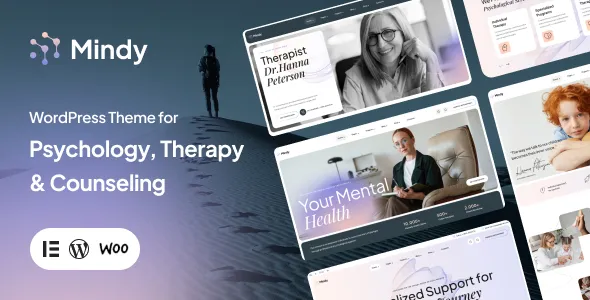
Mindy – Therapy & Counseling WordPress Theme is a website design solution for therapists, counselors, psychologists, mental wellness professionals, life coaches, and counseling centers looking to establish a professional online presence. Designed for therapy-related and mental health service websites, Mindy provides a foundation for presenting professional services, introducing practitioners, sharing helpful resources, and making it easier for visitors to find relevant information. With a thoughtful layout, calming visual identity, and well-organized content, a website built with this theme can help communicate professionalism, approachability, and respect for visitors seeking support.
A therapy website needs to do more than display business information. Visitors may be searching for counseling services, exploring different therapeutic approaches, or trying to understand whether a practitioner is suitable for their needs. Clear service descriptions, accessible contact information, professional biographies, and straightforward navigation can help make this process less confusing. Mindy can serve as a starting point for organizing these essential elements into a consistent digital experience, with the final presentation depending on the theme version, available customization options, and compatible WordPress tools.
Whether you operate an independent counseling practice, a psychology clinic, a family therapy center, a wellness consultancy, or a professional coaching service, Mindy offers a theme concept suited to communicating services in a supportive and professional manner. By combining relevant content, responsive design practices, and an organized page structure, you can develop a website that introduces your practice, explains your approach, and helps potential clients understand how to take the next step.
What Is Mindy – Therapy & Counseling WordPress Theme?
Mindy is a WordPress theme intended for websites focused on therapy, counseling, psychology, and related wellness services. It provides a design foundation that can be adapted to the needs of individual practitioners and organizations offering professional support. Instead of building every page from scratch, website owners can use the theme’s available layouts and customization settings to create a consistent presentation for their practice.
A therapist may use a website to introduce their qualifications, explain their areas of practice, and provide information about the counseling process. A psychology clinic might need pages for multiple practitioners, service categories, and general patient information. A life coach may prefer to focus on coaching programs, professional experience, and consultation inquiries.
Mindy can be considered for these types of projects, with the exact layouts and functionality depending on the installed release and its documented features. WordPress also provides content management tools for maintaining pages, publishing articles, organizing images, and updating website navigation.
Before installation, review the current theme documentation and demo to confirm which page layouts, editing options, and integrations are available. This helps ensure that the theme suits your intended website structure and professional requirements.
A Calm and Professional Design for Therapy Websites
The visual presentation of a counseling website can influence how visitors experience its information. A clean, balanced design with readable typography, appropriate spacing, and relevant imagery can make the website easier to navigate and understand.
Mindy is suited to a visual direction that emphasizes clarity, reassurance, and professionalism. Mental health and counseling websites often benefit from a restrained color palette, simple layouts, and clear headings that allow visitors to focus on the information rather than unnecessary decorative elements.
A homepage can introduce the practice, summarize its main services, and guide visitors toward practitioner profiles or contact information. Supporting sections can explain the counseling approach, introduce the professional team, and answer common questions about appointments or available services.
Design decisions should reflect the identity of the practice. A private therapist may prefer a personal and welcoming presentation, while a larger counseling center may need a more structured design that communicates its team, services, and administrative information.
The aim is to create a professional digital environment in which visitors can find relevant details without feeling overwhelmed. Thoughtful content organization and a consistent visual style can help support that goal.
Responsive Design for Mobile, Tablet, and Desktop
Visitors may access a therapy website from a smartphone, tablet, laptop, or desktop computer. Responsive presentation helps ensure that information remains accessible across different screen sizes and browsing environments.
Mindy is positioned as a WordPress theme for modern professional websites, making responsive behavior an important consideration when evaluating its suitability. The actual experience should be checked using the current theme demo and tested after installation, particularly when additional plugins or custom page layouts are introduced.
On mobile devices, navigation should be easy to operate, headings should remain readable, and contact details should be straightforward to locate. Service descriptions should be broken into manageable sections, while buttons and forms should provide enough space for convenient interaction.
Tablet and desktop layouts may offer more room for practitioner biographies, service summaries, testimonials, and educational content. However, these sections should remain organized rather than simply expanding to fill the available space.
Responsive testing should cover the entire website, including the homepage, service pages, practitioner profiles, blog articles, and contact forms. Third-party widgets, embedded calendars, and custom styling can affect the final result, so each component should be checked before the website goes live.
Ideal for Therapists and Mental Health Professionals
Independent therapists often need a website that explains their professional background, introduces their approach, and helps potential clients understand the services they provide. A clear website can serve as a central source of information for people researching counseling options.
Mindy can be evaluated for individual practitioners working in areas such as general counseling, stress management, relationship support, personal development, and other relevant professional services. The content should accurately describe the practitioner’s qualifications, scope of practice, and areas of expertise.
A therapist’s homepage might introduce the practice and highlight its main services. An About page can describe education, professional experience, and therapeutic philosophy, while individual service pages provide more detailed explanations of the support available.
A dedicated contact page can explain how visitors may request information or arrange an initial conversation. Where appointment booking is required, a compatible scheduling tool may be added if supported by the website setup.
The website should avoid making guaranteed claims about treatment outcomes. Instead, it can provide factual information about the practitioner’s approach, explain what prospective clients can expect, and encourage visitors to ask questions when deciding whether a service is suitable.
Counseling Centers and Psychology Clinics
Counseling centers and psychology clinics may provide several services through a team of qualified professionals. Their websites need to organize information clearly so visitors can understand the available services and identify the appropriate contact point.
Mindy can serve as a starting point for a clinic website featuring an overview of the organization, service descriptions, practitioner biographies, frequently asked questions, and contact details. Depending on the practice, additional pages may explain referral procedures, consultation options, location information, or administrative policies.
A clinic homepage should communicate the organization’s purpose and provide convenient access to important sections. Service pages can explain the general focus of each offering, while team profiles introduce the professionals responsible for delivering those services.
If the clinic operates in multiple locations or has several departments, navigation should make those distinctions clear. Visitors should not have to search through unrelated pages to find the information they need.
The exact implementation will depend on the theme’s available templates and any compatible plugins used to extend the website. Reviewing the current demo before committing to a layout can help determine whether it accommodates the clinic’s organizational needs.
Present Therapy and Counseling Services Clearly
A dedicated services section helps visitors understand what a practice offers and whether its services match their requirements. Rather than listing professional terms without explanation, each page should describe the purpose and general scope of the service in accessible language.
With Mindy, website owners can plan content around the services they genuinely provide, subject to the available page layouts. Potential service categories may include individual counseling, couples counseling, family support, stress management, personal development, and other relevant areas of practice.
Each service page can explain who the service is intended for, the types of concerns it addresses, and what the general process may involve. Information should remain consistent with the practitioner’s qualifications and professional responsibilities.
For example, a couples counseling page might describe the general focus of relationship sessions and explain how interested clients can request further information. A stress management page could introduce common coping strategies discussed within the practitioner’s scope of practice.
Avoid presenting general website content as a substitute for individualized professional advice. Clear explanations, accurate descriptions, and realistic expectations help visitors make more informed decisions about contacting the practice.
Practitioner Profiles and Professional Biographies
Professional profiles can help visitors learn about the people providing counseling or therapy services. A well-structured biography introduces a practitioner’s background, qualifications, experience, and professional approach without overwhelming readers with unnecessary detail.
A Mindy-based website can be organized to include practitioner information wherever the theme’s layouts and customization tools support it. Independent professionals may need a single detailed biography, while clinics may require multiple profiles presented in a consistent format.
Useful profile information can include professional credentials, relevant education, areas of practice, languages offered, and the general therapeutic approaches used. Any qualifications or memberships should be represented accurately and in accordance with applicable professional standards.
A short introduction can explain the practitioner’s working philosophy in accessible language. Visitors may also appreciate practical details about service availability, appointment formats, or the best way to make an inquiry, when these details apply.
For organizations with several practitioners, consistent profile layouts make it easier to compare areas of expertise and identify the appropriate professional. Keep biographies updated whenever qualifications, services, or contact arrangements change.
Create a Welcoming and Informative Homepage
The homepage is often the first place visitors encounter a therapy practice. It should quickly explain what the organization does, whom it serves, and where visitors can find additional information.
Mindy can be used as a foundation for a homepage that introduces the practice, highlights core services, presents practitioner information, and provides clear contact pathways. The specific sections available will depend on the theme version and its supported customization options.
An introductory headline should describe the practice in direct, understandable language. Supporting text can briefly explain the professional focus and direct visitors toward service descriptions or practitioner profiles.
A services overview can help visitors identify relevant offerings, while an About section can communicate the practitioner’s experience and approach. A frequently asked questions section may address practical concerns about appointments, session formats, or contacting the office.
The homepage should not attempt to answer every possible question. Its primary purpose is to provide a clear introduction and help visitors navigate to the details they need.
Calls to action should use straightforward language, such as inviting visitors to explore services or contact the practice for further information. Avoid pressure-based messages that could be inappropriate for people seeking mental health support.
Appointment Inquiries and Contact Information
Contact information is an important part of any therapy website. Visitors should be able to understand how to ask questions, request an appointment, or learn more about available services.
A Mindy website may be configured with contact forms, email links, telephone information, or compatible appointment tools, depending on the installed theme and supporting integrations. Confirm the available options before relying on any particular booking or form functionality.
A contact form should collect only the information necessary to respond to an inquiry. Common fields may include a name, preferred contact method, email address, and a brief message. Avoid requesting extensive sensitive personal or medical details through a general-purpose form.
If appointments are arranged through an external booking service, explain the process clearly and make the relevant link easy to find. Any scheduling tool should be tested to confirm that it works correctly on mobile and desktop devices.
The website should also explain how inquiries are handled when appropriate. If the practice does not provide emergency assistance, make that limitation clear and provide suitable information about where urgent help can be sought, based on the practice’s location and professional guidance.
Before launch, test form submissions, email delivery, validation messages, spam controls, and confirmation notices. Regular testing helps prevent communication problems that could otherwise delay responses to prospective clients.
Educational Blog and Mental Wellness Resources
A blog can help therapists and counseling organizations share educational material, explain general concepts, and answer common questions about mental wellness. WordPress provides publishing tools that can be used to organize articles and maintain a resource library.
Mindy can be considered for a website that combines service pages with articles, news, or educational resources, depending on its available blog layouts. The content strategy should reflect the practice’s expertise and the needs of its intended audience.
Potential topics include general stress management, communication skills, emotional well-being, work-life balance, healthy relationships, and preparing for a first counseling appointment. Articles should provide useful explanations without suggesting that a general article can diagnose or treat an individual reader.
Clear headings, short paragraphs, and descriptive titles help make educational content easier to read. Categories can organize articles into related subjects, while internal links can direct visitors toward relevant service pages or professional biographies.
Content should be reviewed for accuracy and updated when necessary. Mental health information should be presented responsibly, with appropriate distinctions between general education and individualized care. Avoid unsupported claims, misleading statistics, or promises of specific outcomes.
Customization and Branding Options
A professional website should reflect the identity of the practice rather than look like an unchanged demonstration template. Branding helps visitors recognize the organization and understand the kind of professional experience it offers.
Depending on the available theme settings and compatible editing tools, Mindy may be customizable through elements such as colors, typography, spacing, images, page sections, and navigation. The exact controls should be verified in the current documentation.
A private therapist may choose a simple, personal visual identity, while a larger clinic may require consistent branding across several service categories and practitioner profiles. In either case, design decisions should support readability and make important information easy to find.
Use genuine, relevant images where possible, and ensure that photographs are appropriate for a professional counseling environment. Avoid visuals that imply guaranteed results or use distressing imagery to attract attention.
Keep headings, buttons, forms, and other interface elements consistent across the site. If custom CSS or additional plugins are used, test the affected pages carefully to ensure that the layout remains functional on different devices.
Before making major changes, maintain a backup and consider testing them in a staging environment. This can help reduce the risk of disrupting the live website.
SEO-Friendly Structure for Therapy Websites
Search engine optimization can help prospective clients discover relevant information about a practice. A clear website structure provides a foundation for organizing content, although search visibility depends on many factors beyond the theme itself.
Each important page should have a specific purpose, a descriptive title, a logical heading hierarchy, and original content that addresses the needs of its audience. A therapist may create separate pages for individual services rather than placing every description on a single page.
Where appropriate, local information can help visitors understand the practice’s service area. Accurate business details, consistent contact information, and useful location pages can be valuable for practices serving a defined geographic area.
Images should be appropriately sized and use descriptive alternative text when they convey meaningful information. Internal links can connect service pages, practitioner profiles, and educational articles to help visitors navigate related content.
Compatible SEO plugins may assist with metadata, XML sitemaps, canonical settings, and other technical tasks. Their use should be based on the website’s requirements and the tools already available.
Keyword usage should remain natural. Repeating the same therapy-related phrase excessively can make content difficult to read and does not guarantee improved rankings. Prioritize accurate information, practical explanations, and content that genuinely serves prospective clients.
Accessibility and User-Friendly Navigation
A therapy website should make information accessible to people with different devices, browsing preferences, and accessibility needs. Clear navigation and readable content can improve the experience for a broad range of visitors.
When configuring Mindy, use descriptive menu labels, logical heading levels, sufficient color contrast, and readable font sizes. Links and buttons should be recognizable, and interactive elements should be usable with appropriate keyboard navigation.
Contact forms should include clear labels and understandable instructions. Error messages should explain what needs to be corrected, rather than relying only on color to communicate a problem.
Images that convey meaningful information should include suitable alternative text. Decorative images can be handled appropriately so they do not create unnecessary distractions for screen-reader users.
Accessibility depends on the theme, the content, and the way the website is configured. Automated checks can identify some problems, but manual keyboard testing and practical usability reviews are also valuable.
A simple, consistent navigation system helps visitors find services, learn about practitioners, read educational resources, and contact the practice without unnecessary confusion.
Privacy, Confidentiality, and Website Security
Privacy is especially important for websites associated with therapy and counseling. Visitors may be looking for sensitive services, so website owners should carefully consider what information they collect and how it is handled.
A WordPress theme does not automatically provide complete privacy compliance or secure handling of sensitive information. Website owners should review applicable privacy laws, professional obligations, hosting arrangements, form providers, analytics tools, and any external services connected to the site.
Collect only the information needed for the stated purpose. General contact forms should not encourage visitors to submit detailed health histories or other sensitive information unless an appropriate, professionally reviewed system is in place.
Publish a clear privacy notice explaining relevant data practices, and ensure that third-party integrations are configured appropriately. Use HTTPS, strong administrator credentials, reputable hosting, regular backups, and carefully managed access permissions.
WordPress, the theme, and installed plugins should be kept updated. Before major updates, create a backup and check compatibility to reduce the risk of disrupting important website functions.
If the practice uses appointment scheduling or client management software, review the provider’s security and privacy documentation before connecting it to the website. A professional website should support trust through transparent information and responsible data handling.
Performance and Website Maintenance
A reliable website should load efficiently and remain functional as its content grows. Performance can affect visitor experience, particularly for people using mobile devices or slower internet connections.
The performance of a Mindy-based website will depend on the theme implementation, hosting environment, images, scripts, fonts, plugins, and external services. A responsive layout alone does not guarantee fast loading.
Optimize image dimensions and file sizes, remove unnecessary components, and evaluate the impact of third-party widgets. Caching and other performance tools may help when they are compatible with the website’s configuration.
Test the homepage, service pages, practitioner profiles, blog articles, and contact forms rather than checking only one page. Complex layouts and external integrations can affect different sections in different ways.
Ongoing maintenance should include backups, software updates, broken-link checks, form testing, and periodic reviews of published content. Contact information, service descriptions, practitioner details, and policies should remain accurate.
A regular maintenance schedule helps reduce avoidable problems and keeps the website aligned with the practice’s changing needs.
Who Should Use Mindy – Therapy & Counseling WordPress Theme?
Mindy may be suitable for several types of professional and wellness-focused websites, depending on the available layouts and customization options.
- Therapists and counselors: Introduce professional services, qualifications, areas of practice, and contact information.
- Psychologists: Present professional biographies, explain services, and publish educational resources within their scope of practice.
- Counseling centers: Organize service categories, practitioner profiles, and general visitor information.
- Family and relationship counselors: Explain relevant services and provide practical information for prospective clients.
- Life coaches: Present coaching services, professional experience, and consultation inquiries.
- Mental wellness organizations: Share educational resources and communicate information about their programs and services.
- Private practices: Create a central website for service descriptions, practitioner details, and contact options.
- Wellness consultants: Introduce professional offerings and publish useful information relevant to their audience.
The suitability of the theme depends on the website’s actual requirements. Review the current demo, documentation, responsive behavior, supported editing tools, and compatibility information before choosing it for a professional project.
Tips for Building a Successful Website with Mindy
Start by defining the main purpose of the website. Decide whether it will primarily introduce an individual practitioner, promote a counseling center, explain specific services, or provide educational resources.
Prepare accurate content before customizing the design. Gather professional biographies, service descriptions, contact details, location information, privacy policies, and frequently asked questions. This makes it easier to select layouts that support the site’s real needs.
Keep the visual identity consistent and prioritize readability. Use clear headings, short paragraphs, appropriate imagery, and straightforward navigation. Avoid overcrowding pages with unnecessary effects or large amounts of promotional content.
Make contact options easy to locate, but avoid pressuring visitors to book a session. Use informative calls to action that allow people to explore services or ask questions at their own pace.
Review all published information for accuracy, especially qualifications, service descriptions, and claims about professional outcomes. Test forms, external links, mobile layouts, keyboard navigation, and page performance before launch.
Finally, establish a maintenance routine for updates, backups, privacy reviews, and content checks. A professional website needs ongoing attention to remain accurate, accessible, and dependable.
Final Thoughts on Mindy – Therapy & Counseling WordPress Theme
Mindy – Therapy & Counseling WordPress Theme offers a potential starting point for therapists, counselors, psychologists, coaching professionals, and mental wellness organizations seeking to establish a WordPress website. Its therapy-focused positioning makes it relevant to projects that need to communicate professional services, introduce practitioners, share educational information, and provide accessible contact pathways.
A well-planned website can combine a welcoming visual identity with clear service descriptions, practitioner profiles, informative articles, and user-friendly navigation. Responsive testing, accessibility considerations, privacy safeguards, and reliable maintenance are also important for creating a professional online experience.
The final capabilities of a Mindy website depend on the installed theme version, documented features, available customization options, and compatible plugins. Confirm these details before installation, particularly if you require specific appointment booking, form handling, or other specialized functionality.
A theme alone cannot guarantee client inquiries, search rankings, or business growth. However, when supported by accurate content, responsible communication, thoughtful design, and consistent maintenance, it can contribute to a clear and professional digital presence for a therapy or counseling practice.