My Account
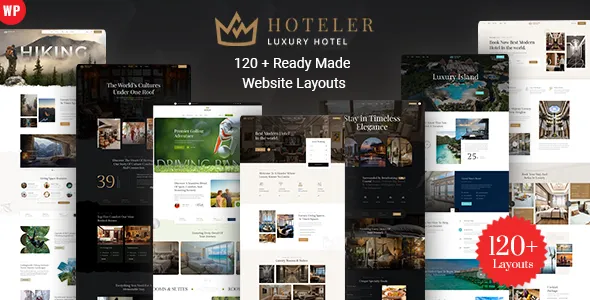
Hoteler Booking WordPress
Hoteler Booking WordPress is a website solution for hotels, resorts, boutique accommodations, guesthouses, bed and breakfasts, and hospitality businesses looking to establish a professional online presence. A hotel website helps travelers explore accommodation options, review room information, discover available amenities, and find essential details before planning their stay. With a well-organized WordPress website, hospitality businesses can present their property, communicate their services, highlight special offers, and provide convenient ways for potential guests to make inquiries or reservations.
In the competitive hospitality industry, a professional website can help a hotel communicate its identity and provide useful information throughout the guest journey. Travelers often compare room types, prices, locations, facilities, photographs, and booking conditions before choosing accommodation. A clear website makes these details easier to understand while helping visitors decide whether a property suits their travel plans.
Hoteler Booking WordPress can be considered as a starting point for building a hotel-focused website with WordPress. The website can be organized around accommodation details, property galleries, amenities, location information, guest services, and reservation-related content. The exact booking capabilities, room management options, payment integrations, and customization features depend on the specific theme version and compatible plugins. Before installation, review the current product documentation to confirm that the available features meet your hospitality business requirements.
What Is Hoteler Booking WordPress?
Hoteler Booking WordPress is a hotel website solution intended for accommodation businesses that want to present their properties and services through a dedicated WordPress website. A hospitality-focused website can bring together room information, property details, amenities, photographs, policies, and contact information in one accessible location.
Hotels and resorts need to communicate more than the appearance of their rooms. Visitors may want to know the available accommodation types, check-in and check-out times, dining options, parking facilities, cancellation conditions, and proximity to local attractions. Organizing these details into dedicated sections helps travelers make informed decisions.
A hotel website may also include special packages, seasonal promotions, frequently asked questions, travel guides, and information about nearby destinations. These elements can help visitors understand the overall experience offered by the property.
WordPress provides tools for managing website pages, publishing articles, uploading photographs, and maintaining navigation. If the selected Hoteler Booking WordPress version supports additional customization tools or integrates with a booking plugin, these can be used according to the documented requirements.
The best website structure depends on the size of the property, its accommodation options, the services it offers, and the way reservations are managed.
Professional Website Design for Hotels and Resorts
A hotel’s website is often one of the first places travelers visit when researching accommodation. A professional design helps communicate the property’s atmosphere, highlight its facilities, and make important information easy to find.
Hoteler Booking WordPress can serve as a foundation for presenting hospitality services through a consistent visual identity. A welcoming homepage can introduce the property, feature high-quality photographs, summarize important amenities, and direct visitors toward room details or reservation information.
The design should reflect the type of accommodation being promoted. A luxury resort may emphasize spacious imagery, premium facilities, and exclusive experiences. A boutique hotel might focus on its character, interior design, and personalized hospitality, while a budget hotel may prioritize convenience, location, and practical room information.
Readable typography, consistent colors, balanced spacing, and straightforward navigation help visitors explore the website without unnecessary distractions. Photographs should accurately represent the property and show important areas such as guest rooms, reception spaces, restaurants, recreational facilities, and outdoor areas where applicable.
A professional design should also make practical information easy to access. Visitors should not have to navigate through several unrelated pages to locate room descriptions, property policies, or contact details.
Room Listings and Accommodation Details
Room information is one of the most important parts of a hotel website. Travelers often compare room size, bed configuration, occupancy limits, amenities, views, and pricing before selecting accommodation.
A Hoteler Booking WordPress website can be organized around individual room descriptions, depending on the layouts available in the selected version. Each room page or listing should explain what guests can expect and help them compare the available options.
Useful room information may include:
- Room category and description
- Maximum guest capacity
- Bed configuration
- Room size, where relevant
- Available amenities and facilities
- Photographs of the actual room type
- Applicable rates and booking conditions
- Check-in and check-out information
For example, a hotel might offer standard rooms, deluxe rooms, family rooms, suites, or rooms with special accessibility features. Each category should have an accurate description so visitors can identify the option that best suits their needs.
Avoid publishing incomplete or misleading room details. If certain amenities are available only in selected room categories, explain this clearly. Accurate information helps establish realistic expectations and reduces avoidable questions before arrival.
If live room availability and rate calculations are required, confirm whether they are included in the theme or need to be provided through a compatible hotel booking system.
Hotel Reservation and Booking Functionality
An online reservation process can help travelers move from researching accommodation to requesting or confirming a stay. However, a hotel-themed WordPress design does not automatically guarantee that a complete reservation management system is included.
Before choosing Hoteler Booking WordPress, verify whether the current version provides a built-in booking workflow or supports integration with a suitable reservation plugin. The required functionality may include date selection, guest counts, room availability, rate calculation, reservation confirmation, and booking management.
A simple hotel website may only need an inquiry form through which visitors can request availability. A larger property may require a more advanced system that synchronizes room inventory, manages different rate plans, processes payments, and handles reservation changes.
The booking process should explain each step clearly. Guests should understand which room they are selecting, the dates requested, the applicable rate, any additional charges, and the relevant cancellation conditions before completing a reservation.
If a third-party booking engine is used, test its compatibility with the website’s layout and mobile experience. Confirm that reservation data is handled securely and that booking confirmations reach the appropriate guest and hotel staff.
Choose the booking approach according to the property’s operational needs rather than assuming that every required feature comes with the theme.
Responsive Design for Mobile, Tablet, and Desktop
Travelers frequently research hotels on smartphones and tablets, particularly when comparing accommodation while planning a trip. A responsive website helps ensure that room details, photographs, contact information, and reservation options remain accessible across different devices.
When evaluating Hoteler Booking WordPress, check the current demo and test the website on multiple screen sizes. The final responsive experience depends on the installed theme version, page configuration, custom styling, and any booking tools or plugins used.
On mobile devices, navigation should be easy to operate, room descriptions should remain readable, and reservation forms should fit the screen. Buttons should be easy to select, while important details such as location, contact information, and booking policies should be straightforward to locate.
Tablet and desktop layouts can provide more space for room galleries, facility descriptions, comparison sections, and destination information. Nevertheless, the content should remain organized and avoid unnecessary clutter.
Pay special attention to date pickers, guest selectors, calendars, payment interfaces, and embedded booking forms. These components may behave differently across browsers and screen sizes.
Testing the complete visitor journey on mobile and desktop helps identify usability issues before the website is published.
Showcase Hotel Facilities and Amenities
Hotel amenities influence the accommodation choices travelers make. Some guests prioritize restaurants and recreational facilities, while others may need reliable internet access, parking, meeting rooms, or accessibility features.
Hoteler Booking WordPress can be used as a starting point for organizing property facilities into clear sections, subject to the available layouts. A hotel may present its dining facilities, swimming pool, fitness center, spa, business services, conference spaces, or other amenities that it genuinely provides.
Each facility description should explain what guests can expect. If an amenity is available only during certain hours, requires an additional fee, or must be reserved in advance, provide that information where relevant.
Photographs can help visitors understand the property’s environment and facilities. Use current images that accurately represent the accommodation and avoid visuals that create expectations the hotel cannot meet.
A dedicated amenities section can also reduce repetitive inquiries by answering common questions before a guest contacts the property.
For resorts and full-service hotels, organizing facilities by category may make the information easier to browse. Smaller properties may prefer a concise list of the amenities most relevant to their guests.
Hotel Galleries and Property Photography
High-quality photography plays an important role in hospitality websites because travelers want to understand the accommodation before making a decision. A carefully organized gallery can show the property’s appearance, room interiors, common areas, dining spaces, and surrounding environment.
A Hoteler Booking WordPress website can be planned around property photographs and room imagery, depending on the theme’s gallery and layout options. Use images that accurately represent the property and help visitors understand the available accommodation.
Room galleries should distinguish between room categories when their layouts or amenities differ. Shared facilities should be photographed clearly, while exterior images can help communicate the hotel’s location and atmosphere.
Avoid using images that misrepresent room size, views, furnishings, or facilities. If photographs are illustrative rather than representative of a specific room, make the distinction clear where necessary.
Optimize image dimensions and file sizes so that galleries remain convenient to browse, particularly on mobile devices. Meaningful alternative text can improve accessibility for visitors who use assistive technology.
Regularly review the gallery to remove outdated photographs after renovations or changes to the property. Current and accurate images help travelers form realistic expectations about their stay.
Promote Hotel Offers and Seasonal Packages
Hotels may offer seasonal promotions, weekend packages, extended-stay rates, family accommodation deals, or packages that combine rooms with selected services. A dedicated website provides a convenient place to communicate these offers.
Hoteler Booking WordPress can be considered for a website that highlights promotions and special packages, depending on its available page layouts. Each offer should clearly explain its value and the conditions that apply.
Useful details may include the booking period, eligible stay dates, room categories, minimum-night requirements, included services, and cancellation terms. If availability is limited, communicate the actual conditions without using misleading urgency.
For example, a resort may promote a holiday package that includes accommodation and breakfast, while a business hotel could provide an extended-stay offer for guests visiting for work. The presentation should reflect the property’s real services and pricing policies.
If promotional rates need to be applied automatically during reservation, verify whether the selected booking system supports discount rules, coupon codes, and rate plans. A static promotional page alone does not automatically change reservation prices.
Review promotional content regularly and remove expired offers to avoid confusing visitors.
Location Information and Nearby Attractions
Location is a major factor in accommodation decisions. Travelers may choose a hotel based on its distance from airports, railway stations, business districts, tourist attractions, event venues, or transportation routes.
A Hoteler Booking WordPress website can include a dedicated location section with the property’s address, directions, contact information, and relevant nearby destinations. Depending on the website setup, a compatible map integration may help visitors understand the surrounding area.
Provide practical travel information that is accurate and easy to follow. If the hotel offers airport transfers, shuttle services, or transportation assistance, explain the conditions and availability clearly.
Nearby attractions can be organized into categories such as sightseeing, shopping, dining, entertainment, and business facilities. A short description of each destination may help visitors plan their stay.
Do not assume that every guest is familiar with the local area. Include useful directions and explain any location details that may affect arrival, such as restricted access or parking arrangements.
Accurate location information can make the website more useful to travelers and help reduce repetitive questions about reaching the property.
Hotel Website Content and Guest Information
Useful content helps visitors understand the hotel before they arrive. In addition to room descriptions and photographs, a hotel website should provide clear information about policies, services, and practical arrangements.
A Hoteler Booking WordPress website may include dedicated pages for check-in and check-out times, cancellation policies, payment methods, additional guest charges, pet policies, parking, accessibility, and other relevant details.
The exact content depends on the property’s rules and the needs of its audience. A business hotel may emphasize meeting facilities and connectivity, while a family resort may provide information about child-friendly amenities and recreational activities.
Frequently asked questions can address common concerns in a concise format. For example, visitors may want to know whether early check-in is possible, whether breakfast is included, or how to request a particular room preference.
Keep all policies accurate and consistent with the information presented during the reservation process. If booking conditions differ by rate plan or room category, explain the relevant distinctions.
Clear guest information helps travelers make informed decisions and can reduce misunderstandings before arrival.
SEO-Friendly Structure for Hotel Websites
Search engine optimization can help travelers discover a hotel through relevant online searches. A well-organized website provides a foundation for presenting accommodation details, facilities, and location information in a way that visitors and search engines can understand.
Each important page should have a descriptive title, a clear heading structure, and useful original content. Separate pages for accommodation categories, amenities, special packages, and property information can help visitors find the details most relevant to their needs.
Where appropriate, include accurate location information and explain the types of accommodation or services the hotel provides. Avoid creating multiple nearly identical pages that offer little additional value.
Optimize photographs for performance and use meaningful alternative text when images convey important information. Internal links can connect room pages with amenities, location details, and reservation information.
Compatible SEO plugins may assist with metadata, XML sitemaps, canonical settings, and other technical tasks. Structured data for accommodation or local business information may also be appropriate when implemented accurately and supported by the website setup.
Use search phrases naturally rather than repeating the same terms excessively. Search visibility depends on content quality, competition, technical implementation, reputation, and other factors. No WordPress theme can guarantee specific rankings or booking volumes.
Integrations and WordPress Extensions
A hotel website may require additional tools for reservations, contact forms, email marketing, analytics, payment processing, maps, or multilingual content. The appropriate combination depends on the property’s operations and the features already provided by the selected theme.
Before installing an extension with Hoteler Booking WordPress, review its compatibility with the installed WordPress version and the theme’s documented requirements. Check its update history, support arrangements, licensing, and privacy implications.
A booking plugin may provide room inventory management, date selection, reservation records, and payment integrations. Contact form tools can collect general inquiries, while analytics services may help the property understand how visitors use the website.
Avoid installing multiple plugins that perform the same function without a clear reason. Overlapping tools can introduce conflicts, increase maintenance work, and affect performance.
After adding an integration, test the affected pages and the complete guest journey. Pay particular attention to booking forms, reservation confirmations, payment steps, responsive layouts, and navigation links.
If the hotel uses an external property management system or booking engine, verify whether synchronization is supported before promising live availability or automatic rate updates.
Website Performance and Loading Speed
Website performance affects how comfortably visitors can browse room details, compare facilities, and complete reservation inquiries. Slow pages can create friction, particularly for travelers using mobile devices or slower internet connections.
The actual performance of a Hoteler Booking WordPress website depends on the theme implementation, hosting environment, image sizes, scripts, plugins, fonts, and external integrations. A responsive layout does not automatically guarantee fast loading.
Start by optimizing photographs and using suitable image dimensions for each section. Large hotel galleries can contain many high-resolution files, so image compression and appropriate loading techniques are important.
Review animations, external widgets, and unnecessary scripts. Use quality hosting and consider compatible caching or performance tools when appropriate for the website’s configuration.
Test important pages individually, including the homepage, room listings, gallery, special offers, and booking process. Reservation calendars and third-party booking systems may affect performance differently from ordinary content pages.
Regular performance checks help identify problems as the website grows and more content or integrations are added.
Accessibility and User-Friendly Navigation
A hotel website should be easy to navigate for visitors with different devices, abilities, and browsing preferences. Clear content and accessible interactive elements help more travelers obtain the information they need.
When configuring Hoteler Booking WordPress, use descriptive menu labels, logical heading levels, readable font sizes, and sufficient color contrast. Buttons and links should be easy to recognize, and forms should provide clear labels and instructions.
Room photographs should include meaningful alternative text where appropriate. Important information should not be communicated through color alone, and interactive elements should support suitable keyboard navigation.
Booking interfaces deserve particular attention because date selectors, guest fields, and payment forms can create usability barriers if they are difficult to operate.
Test navigation and reservation-related pages on mobile devices and with keyboard controls. Automated accessibility tools can help identify some issues, but manual testing is also important.
An accessible website can improve the experience for a broader range of guests while supporting clear communication throughout the booking journey.
Security, Privacy, and Reservation Data
Hotel websites may process personal information such as guest names, email addresses, contact numbers, stay dates, and reservation details. Appropriate security and privacy practices are essential when collecting or transmitting this information.
A WordPress theme does not automatically provide complete booking security or privacy compliance. Website owners should review the hosting environment, reservation plugins, payment providers, analytics tools, and applicable data protection requirements.
Use HTTPS, strong administrator credentials, reputable hosting, regular backups, and carefully managed user permissions. Keep WordPress, the theme, and compatible plugins updated after checking for potential compatibility issues.
Collect only the information needed for the stated purpose and provide an appropriate privacy notice. Avoid collecting payment card details through ordinary contact forms; use a reputable payment provider when online payments are required.
Review who can access reservation information and how long records are retained. If the hotel integrates an external booking engine or property management system, examine the provider’s security and privacy documentation.
Regular testing and maintenance help keep the website reliable and reduce the risk of avoidable technical problems.
Who Should Use Hoteler Booking WordPress?
Hoteler Booking WordPress may be suitable for several types of hospitality businesses, depending on the theme’s documented features and the requirements of the website.
- Hotels: Present room categories, property facilities, policies, location details, and reservation information.
- Resorts: Highlight accommodation, leisure facilities, dining options, and seasonal packages.
- Boutique hotels: Communicate a distinctive atmosphere through carefully selected imagery and informative content.
- Guesthouses: Provide essential accommodation details, directions, amenities, and contact information.
- Bed and breakfasts: Introduce available rooms, breakfast arrangements, house policies, and nearby attractions.
- Business hotels: Emphasize practical amenities, meeting facilities, location advantages, and extended-stay options.
- Holiday accommodation providers: Organize property information and help prospective guests submit reservation inquiries.
- Hospitality groups: Create a structured website for one or more properties, depending on the available layout and integration requirements.
Before selecting the theme, determine whether you need a simple promotional website, an inquiry-based reservation process, or a complete booking management system. Review the current demo and documentation to confirm that the required functionality is available or can be added through compatible integrations.
Tips for Building a Successful Hotel Website
Begin by identifying your property’s main audience and the information travelers need before making a reservation. A business hotel, family resort, and boutique guesthouse may require different content priorities.
Prepare accurate room descriptions, photographs, amenities, policies, contact details, and location information before customizing the website. Real content makes it easier to select suitable layouts and identify missing information.
Make room options and reservation details easy to find. Explain applicable rates, taxes, fees, cancellation conditions, and other booking requirements clearly, ensuring that the website and reservation system present consistent information.
Use genuine property photographs and keep them updated when rooms or facilities change. Optimize images to balance visual quality with loading performance.
Test the complete visitor journey on desktop and mobile devices. Check navigation, room pages, date selectors, contact forms, reservation confirmations, payment integrations, and external links where applicable.
Finally, establish a maintenance routine that includes backups, software updates, security reviews, performance checks, and regular content updates. A hotel website should remain accurate and dependable as services, rates, and operating arrangements evolve.
Final Thoughts on Hoteler Booking WordPress
Hoteler Booking WordPress can be considered as a starting point for hotels, resorts, guesthouses, boutique accommodation providers, and other hospitality businesses looking to build a professional website with WordPress. A well-planned website can combine room information, property photography, amenity descriptions, location details, guest policies, and reservation-related information in one accessible online destination.
The most suitable setup depends on the property’s requirements. Some businesses may need only a clear website with contact and reservation inquiries, while others require live room availability, rate management, payment processing, and integration with a property management system.
The exact capabilities of Hoteler Booking WordPress depend on the installed version, its documented features, and compatible plugins or external services. Review the current product demo and documentation before installation, especially if advanced booking functionality is essential.
A theme alone cannot guarantee search rankings, direct reservations, or business growth. However, when combined with accurate content, professional photography, responsive design, clear booking conditions, reliable performance, and responsible data handling, it can contribute to a useful online presence that helps travelers explore accommodation options and connect with the property.