My Account
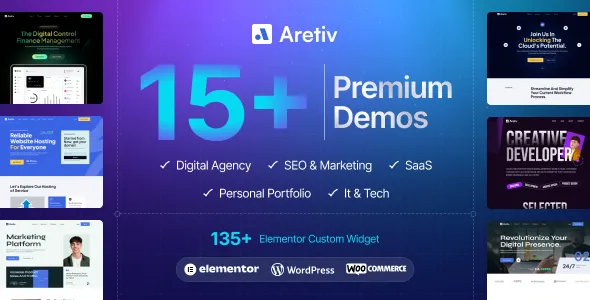
Aretiv – Creative Digital Agency WordPress Theme
Aretiv – Creative Digital Agency WordPress Theme is a website design solution for creative agencies, digital marketing companies, branding studios, web design businesses, and professionals looking to establish a distinctive online presence with WordPress. Designed for the creative and digital services industry, Aretiv can serve as a foundation for presenting agency services, showcasing portfolios, introducing creative teams, and communicating a brand’s expertise. Whether you provide website design, search engine optimization, social media marketing, branding, content creation, advertising, or digital strategy, a creative agency WordPress theme can help organize your business information and build a consistent experience for prospective clients.
In a competitive digital marketplace, an agency website needs to do more than display attractive visuals. It should explain what the business offers, demonstrate its creative capabilities, communicate its approach, and make it easy for potential customers to start a conversation. A well-structured website can help visitors explore services, review relevant projects, understand the agency’s strengths, and identify the next step. Aretiv can be evaluated as a starting point for building a professional agency website that balances visual presentation with practical business communication.
WordPress provides a flexible content management system for managing pages, publishing articles, organizing media, and maintaining website content. A compatible theme determines how this content is presented and how the overall design reflects the agency’s identity. The final capabilities depend on the installed theme version, available customization options, and compatible plugins. With original content, carefully selected visuals, clear service descriptions, and a logical website structure, Aretiv can support the development of an online presence suited to a creative business’s goals.
What Is Aretiv – Creative Digital Agency WordPress Theme?
Aretiv is a creative agency-oriented WordPress theme intended for businesses that want to present digital services and creative work through a professional website. Its positioning makes it relevant to digital agencies, design studios, marketing consultants, branding specialists, and businesses offering online growth services.
A creative agency website often needs to communicate several types of information. Visitors may want to understand the agency’s services, examine its previous projects, learn about its team, and determine whether its experience matches their needs. An organized website makes this information easier to discover while helping the business maintain a consistent brand identity.
With Aretiv, businesses can plan a website around sections such as Home, About Us, Services, Portfolio, Projects, Case Studies, Blog, and Contact. The exact templates, layouts, demo content, and customization tools available should be confirmed through the current theme demonstration and documentation.
WordPress also allows website owners to maintain content without rebuilding the entire website whenever information changes. Agencies can update service descriptions, add completed projects, publish articles, and revise company information as their business develops.
Before choosing Aretiv for a production website, review its documented features, compatibility requirements, supported editing tools, and integration options to ensure that they align with your project.
Modern Design for Creative Digital Agencies
A creative agency website should communicate originality, professionalism, and a clear understanding of its audience. Visual presentation can help establish the agency’s personality, but it should also make information easy to understand and navigate.
Aretiv can be considered for businesses seeking a creative visual foundation for their WordPress website. Depending on the available customization settings, agencies may be able to adapt colors, typography, imagery, spacing, and layouts to match their branding.
A branding studio may prefer a minimal design that gives visual identities and case studies room to stand out. A digital marketing agency might emphasize campaign results and service information, while a web design studio could prioritize website screenshots and interactive project presentations.
A successful design balances visual interest with usability. Headings should communicate the main message, navigation should remain straightforward, and important calls to action should be easy to locate.
Creative elements should also serve a purpose. Animations, transitions, large images, and decorative effects can contribute to the presentation, but excessive use may distract visitors or affect performance. The best design supports the agency’s message rather than competing with it.
By selecting a consistent visual style and organizing content carefully, agencies can create a website that feels distinctive while remaining convenient to use.
Website Solutions for Creative and Digital Services
Creative agencies often offer several services to clients with different goals. A well-organized website should explain these offerings individually and help visitors identify the services most relevant to their requirements.
Aretiv can be evaluated as a starting point for presenting a range of digital and creative services, depending on the theme’s available layouts and customization options.
Digital Marketing: Explain services such as online campaign planning, audience research, content strategy, and digital promotion where these are part of the agency’s actual offering.
Search Engine Optimization: Describe relevant services involving technical website improvements, content optimization, keyword research, and organic search strategy.
Web Design and Development: Present capabilities related to website planning, interface design, WordPress development, and other supported development services.
Branding and Visual Identity: Explain how the agency develops or maintains visual branding, including logos, color systems, brand guidelines, and related creative assets.
Social Media Marketing: Outline services involving content planning, creative production, campaign management, and platform-specific communication.
Content Creation: Showcase services such as copywriting, blog content, visual storytelling, and other content-related work.
Advertising and Campaign Management: Describe relevant campaign planning, creative development, and advertising services offered by the business.
Each service page should explain the purpose of the offering, the type of client it serves, and the value it aims to provide. Avoid vague descriptions that make different services sound identical. Clear information helps visitors understand the agency’s expertise and decide whether to make contact.
Build a Professional Agency Website
A professional agency website provides a central destination for business information, service descriptions, project examples, and customer inquiries. It can help prospective clients understand the agency’s approach before arranging a meeting or requesting a proposal.
Aretiv can serve as a potential foundation for a website featuring pages such as Home, About, Services, Portfolio, Case Studies, Team, Blog, and Contact. The final structure should reflect the agency’s size, service range, and audience.
The homepage should quickly explain what the agency does and who it serves. A concise headline can communicate the main offering, while supporting content provides context about the agency’s approach or expertise.
The About page can introduce the business, its values, its experience, and the people behind its work. Service pages can explain individual offerings, while project pages demonstrate how the agency approaches creative or marketing challenges.
The contact page should make it easy for visitors to request information or discuss a project. Depending on the agency’s needs, this may include a contact form, business email, telephone number, or other appropriate communication options.
Keep the information accurate and current. Outdated team profiles, broken portfolio links, and old service descriptions can weaken confidence in the agency. Regular content reviews help maintain a professional online presence.
Portfolio Presentation for Creative Professionals
A portfolio is one of the most important elements of many creative agency websites. It provides evidence of the agency’s capabilities and allows prospective clients to examine the type and quality of work it produces.
Aretiv can be evaluated for a portfolio-focused website that presents selected projects through organized galleries or individual project pages, depending on the available layouts.
A useful portfolio should prioritize relevant examples rather than displaying every completed project without context. Each featured project can explain the client’s objective, the challenge addressed, the agency’s contribution, and the final deliverables.
For example, a branding project may include the original brief, visual identity, design system, and final applications. A website project could show interface screenshots, explain the site’s objectives, and describe the development approach. A marketing campaign might present its creative concept and verified performance results where reliable data is available.
Project imagery should be clear and consistent. Screenshots, photographs, and visual assets should be selected to communicate the work effectively without overwhelming visitors.
Where client permission is required, obtain authorization before publishing confidential materials, private performance data, or unreleased work. Presenting accurate and appropriately approved case studies helps establish credibility and gives prospective customers a clearer understanding of the agency’s capabilities.
Branding and Visual Identity Customization
A creative agency’s website should reflect its own identity rather than appear like a generic template. Consistent branding helps visitors recognize the business and understand its creative positioning.
Depending on the customization controls supported by Aretiv, businesses may be able to adjust colors, typography, imagery, spacing, layouts, and other visual elements. Confirm the exact options through the current theme documentation.
A design studio may choose a minimal palette and expressive typography, while a performance marketing agency may prefer a more structured presentation with clear service categories and campaign examples. A branding consultancy may focus on carefully curated visuals that communicate its design philosophy.
Consistency matters across every page. The logo, color palette, heading styles, buttons, imagery, and navigation should work together to create a unified visual experience.
Use original brand assets wherever possible. Authentic project screenshots, team photographs, and custom illustrations can make the website more distinctive than generic stock imagery.
Before making extensive changes, create a backup and consider testing modifications in a staging environment. Custom CSS, page-building tools, and third-party plugins can influence layouts, so review the website after significant design changes.
Responsive Design for Modern Agency Websites
Potential clients may visit an agency website from a desktop computer, tablet, or smartphone. A responsive design helps keep information accessible and the interface usable across different screen sizes.
Aretiv should be tested on the current theme demo or installed website to verify how its layouts adapt to mobile and tablet devices. Actual responsive behavior depends on the theme implementation, customization, and any additional components used.
On smaller screens, navigation menus should be easy to operate, headings should remain readable, and images should fit the available space. Contact buttons and form fields should be straightforward to use, while important service information should remain accessible.
Portfolio layouts deserve particular attention because project galleries may contain large images, multiple columns, or interactive elements. These components should adapt appropriately without creating horizontal scrolling or making project details difficult to read.
Responsive testing should include the homepage, service pages, portfolio, case studies, blog articles, and contact forms. Custom widgets and third-party integrations should also be checked after installation or updates.
A consistent mobile experience helps agencies communicate their services to visitors regardless of the device they use.
Homepage Layout and Content Organization
The homepage introduces the agency and guides visitors toward the information most relevant to their needs. A clear structure can communicate the business’s identity while providing useful paths to services and project examples.
Aretiv can be considered for a homepage organized around several sections, depending on the theme’s supported layouts.
Hero Section: Introduce the agency with a clear headline, concise supporting text, and a relevant call to action.
Service Overview: Present the primary services and link to dedicated pages with more detailed information.
Featured Projects: Showcase selected work that demonstrates the agency’s capabilities and creative approach.
About the Agency: Provide a brief introduction to the team, experience, or business philosophy.
Case Studies: Highlight projects that explain the challenge, process, and outcomes where reliable information is available.
Client Testimonials: Include genuine feedback from clients who have authorized its publication.
Blog or Insights: Feature useful articles that demonstrate expertise and answer common audience questions.
Contact Section: Provide a clear way for prospective clients to request information or discuss a project.
Not every agency needs every section. A small design studio may benefit from a concise homepage focused on services and selected projects, while a larger agency may require more extensive navigation and case studies.
Each section should have a clear purpose. Remove unnecessary elements that distract visitors from understanding the business or finding the information they need.
Lead Generation and Client Inquiries
For many digital agencies, the website is an important source of prospective client inquiries. Visitors should be able to understand the services offered and take a convenient next step when they are interested.
Aretiv can be configured around suitable calls to action and contact opportunities, depending on the theme’s available components and compatible integrations.
A service page might invite visitors to discuss a project, while a portfolio page could encourage them to request similar work. A contact page may provide a general inquiry form or direct communication details.
A useful inquiry form should collect enough information to help the agency respond appropriately without creating unnecessary friction. Common fields include a name, business email, company name, requested service, estimated project scope, and a short description of the requirements.
Make form labels clear and explain which fields are required. Provide appropriate confirmation after submission and ensure that inquiries reach the intended recipient.
Test form validation, email delivery, spam protection, and confirmation messages before launching the website. Check these functions periodically so prospective client inquiries are not lost because of technical issues.
Clear calls to action, relevant service information, and a reliable contact process can help turn website visits into meaningful business conversations.
SEO-Friendly Structure for Creative Agencies
Search engine optimization helps prospective customers discover an agency through relevant online searches. A WordPress theme provides part of the website foundation, but search performance also depends on content quality, technical configuration, competition, and other factors.
Start by assigning a clear purpose to each important page. Use descriptive titles, logical headings, readable URLs, and original content that explains the agency’s services and expertise.
For example, a digital agency may create separate pages for web design, SEO services, branding, content marketing, and social media management. Each page can explain the specific offering rather than relying on a single broad description.
Recommended SEO practices include:
- Writing unique page titles and meta descriptions.
- Using descriptive headings and meaningful URLs.
- Creating original service descriptions and case studies.
- Adding relevant internal links between related pages.
- Using meaningful alternative text for informative images.
- Optimizing image dimensions and file sizes.
- Checking broken links and indexing problems.
- Maintaining accurate business and contact information.
- Reviewing mobile usability and page performance.
Compatible SEO plugins may assist with metadata, XML sitemaps, canonical settings, and other supported functions. Confirm plugin compatibility and avoid installing overlapping tools that create conflicting settings.
Write content for people first. Explain services clearly, answer common questions, and provide useful project details instead of repeating keywords unnaturally.
No theme can guarantee search rankings, traffic, or customer inquiries. Sustainable SEO requires useful content, appropriate technical practices, and ongoing attention to audience needs.
Content Marketing and Agency Blogging
Content marketing can help a creative agency demonstrate expertise, share useful insights, and build relationships with potential clients. A WordPress blog provides a way to publish educational articles alongside service pages and portfolio content.
Aretiv can be considered for an agency website that combines its service offerings with an informational blog, subject to the layouts and publishing features available in the installed theme.
A branding studio might publish articles about visual identity, design consistency, and brand strategy. A web design agency could discuss website usability, responsive design, and content organization. A digital marketing company might create resources about search optimization, campaign planning, analytics, or content strategy.
Useful articles should address real questions from the intended audience. They may explain a process, compare approaches, outline common mistakes, or offer practical guidance for businesses evaluating digital services.
Internal links can connect articles to relevant service pages, portfolio projects, and contact information. This helps readers explore related topics and understand how the agency can assist with their needs.
Choose a publishing schedule the business can maintain consistently. Prioritize originality, accuracy, readability, and relevance rather than producing large volumes of shallow articles.
Review older content periodically to update examples, remove outdated recommendations, and ensure that information remains useful.
Performance and Website Speed Optimization
Website speed contributes to usability and influences how visitors interact with a digital agency’s content. A slow portfolio or service page may discourage visitors from exploring projects or submitting an inquiry.
The performance of an Aretiv-based website depends on hosting, image sizes, theme implementation, scripts, plugins, and third-party integrations. A visually rich design does not automatically guarantee fast loading, so performance should be tested.
Start by optimizing portfolio images and using appropriate dimensions for each display area. Large project screenshots and background images should be compressed while retaining enough detail to present the work clearly.
Review unnecessary scripts, external widgets, animations, and integrations that may affect loading time. Quality hosting, caching, and other performance tools may improve results when selected and configured appropriately.
Test key pages individually, including the homepage, service pages, portfolio galleries, case studies, and blog articles. Different layouts may perform differently depending on their content and interactive elements.
Regular performance reviews help identify oversized assets and inefficient integrations as the website develops. A well-maintained website provides a more comfortable experience and supports the agency’s broader digital presence.
Accessibility and User-Friendly Navigation
A professional agency website should make information easy to find and understand. Clear navigation, readable text, suitable contrast, and recognizable interactive elements help visitors explore the content comfortably.
When configuring Aretiv, use logical heading structures, descriptive link text, meaningful alternative text for informative images, and clear form labels. Do not rely on color alone to communicate important information.
Navigation menus should prioritize essential pages, such as Services, Portfolio, About, Insights, and Contact. Use familiar labels and avoid unnecessary complexity that makes the website difficult to navigate.
Interactive elements should be visually distinguishable and usable with appropriate input methods. Forms should explain required information and provide understandable error messages when submissions are incomplete.
Accessibility depends on the theme, the content, and the configuration of each component. Automated testing can help identify some problems, while manual keyboard testing and practical usability reviews can reveal additional issues.
By prioritizing accessibility and clear navigation, agencies can create a website that is easier to use and better organized for a broad range of visitors.
WordPress Plugins and Third-Party Integrations
Creative agencies may require additional tools for contact forms, SEO, analytics, security, backups, caching, and other website functions. The right combination depends on the business’s needs and the capabilities already included with the theme.
Before installing a plugin with Aretiv, review its compatibility with the installed WordPress version, the theme’s documented requirements, update history, licensing terms, and support arrangements.
A form plugin may help collect inquiries, while an SEO plugin can assist with metadata and sitemap management. Analytics tools can provide insights into website traffic and visitor behavior, subject to applicable privacy and consent requirements.
Some agencies may also want to integrate appointment scheduling, newsletter subscriptions, customer relationship management systems, or marketing tools. These integrations should be selected according to genuine business needs and checked for compatibility.
Avoid installing multiple plugins that perform the same task without a clear reason. Overlapping functionality can increase maintenance work, create conflicts, and affect performance.
After adding or updating an integration, test the relevant pages and user journeys. This is particularly important for navigation, contact forms, responsive layouts, and any features connected to external services.
Security and Ongoing Website Maintenance
A creative agency website should be maintained regularly to remain reliable, secure, and accurate. A professional design cannot compensate for outdated software, broken forms, or incorrect business information.
Use reputable hosting, enable HTTPS, create strong administrator passwords, and assign user roles according to each person’s responsibilities. WordPress, the theme, and compatible plugins should be updated carefully, with backups available before significant changes.
Obtain themes and plugins from trustworthy sources and review compatibility before installing them. Remove unused components when appropriate to reduce unnecessary maintenance and potential security exposure.
Create regular backups and verify that they can be restored. For major redesigns or updates, consider testing changes in a staging environment before applying them to the live website.
Maintenance should also include reviewing service descriptions, team profiles, portfolio links, blog content, contact details, and forms. Keeping these elements current helps ensure that the website continues to represent the agency accurately.
A planned maintenance routine supports a dependable online presence and reduces the likelihood of avoidable technical problems.
Who Should Use Aretiv – Creative Digital Agency WordPress Theme?
Aretiv may be suitable for different businesses and professionals looking to establish a creative or digital services website with WordPress.
Creative Digital Agencies: Businesses offering a combination of design, marketing, branding, and digital services can organize their offerings and showcase relevant projects.
Web Design Studios: Designers and developers can present website projects, explain their process, and provide contact opportunities for new clients.
Digital Marketing Companies: Agencies can describe their marketing services, publish educational content, and present documented campaign examples.
Branding Consultancies: Branding specialists can showcase visual identity projects, brand guidelines, and related creative work.
SEO Agencies: Search marketing businesses can explain their services, publish useful resources, and introduce their approach to website optimization.
Freelance Designers: Independent professionals can use a portfolio-oriented website to present their work, services, and professional background.
Creative Consultants: Consultants can explain their expertise, publish insights, and make it easier for potential clients to request information.
Startups and Growing Businesses: Companies offering digital products or creative services can establish a professional website that supports their brand and communication goals.
The best choice depends on the required layouts, customization controls, and business needs. Review the current theme demonstration and documentation before deciding whether Aretiv fits your project.
Tips for Building a Successful Website with Aretiv
Begin by defining the website’s main objective. Decide whether the priority is showcasing a portfolio, generating client inquiries, explaining services, publishing articles, or supporting several related activities.
Prepare essential content before customizing every page. This may include a company introduction, service descriptions, selected projects, case studies, team information, contact details, and useful articles.
Establish a consistent visual identity through a coordinated color palette, typography, imagery, and button styles. Replace placeholder content with original information that accurately reflects the agency’s services and experience.
Organize services into dedicated pages when appropriate. Each page should explain the offering clearly, identify its intended audience, and provide a relevant next step.
Use genuine project examples and publish performance results only when they can be supported by reliable information. Obtain permission before sharing confidential client work or private business data.
Before launch, test navigation, forms, links, responsive layouts, accessibility, and loading performance. Check that every important page works correctly on desktop and mobile devices.
Finally, create a maintenance plan that includes backups, updates, security reviews, performance monitoring, and periodic content improvements. These practices help the website remain useful as the agency grows.
Final Thoughts on Aretiv – Creative Digital Agency WordPress Theme
Aretiv – Creative Digital Agency WordPress Theme is a potential starting point for creative agencies, digital marketing companies, branding studios, web design businesses, and professionals who want to establish a professional online presence with WordPress.
A successful agency website should combine distinctive visual presentation with clear service information, useful project examples, consistent branding, responsive layouts, and convenient contact opportunities. Visitors should be able to understand what the agency offers, review relevant experience, and determine how to begin a conversation.
The final capabilities of an Aretiv-based website depend on the installed theme version, its documented features, available customization options, and the plugins used alongside it. Reviewing compatibility and testing the required layouts before launch helps ensure that the selected setup meets the business’s needs.
Long-term success also depends on original content, search optimization, accessibility, performance, security, and ongoing maintenance. A theme alone cannot guarantee search rankings or client inquiries, but it can provide a useful foundation for a well-organized digital presence.
For businesses seeking a creative agency-focused WordPress design, Aretiv can be evaluated as part of a broader website strategy. With thoughtful customization, informative service pages, a carefully selected portfolio, and consistent maintenance, an agency website can support brand recognition, demonstrate expertise, and help build lasting client relationships.