My Account
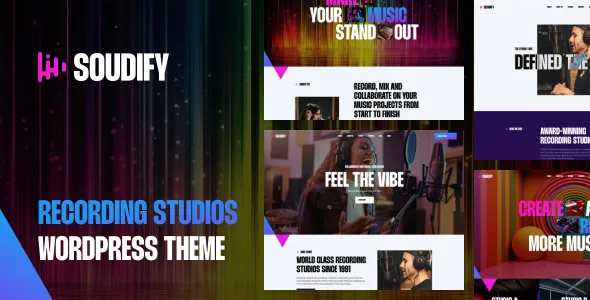
Soudify – Recording Studios WordPress Theme
Soudify – Recording Studios WordPress Theme is a website design solution for recording studios, music producers, audio engineers, sound designers, musicians, and other professionals working in the music and audio production industry. Designed for music-related website projects, Soudify can serve as a foundation for presenting studio facilities, recording services, production expertise, music projects, and professional audio services through a WordPress website. Whether you operate a commercial recording studio, a home recording space, a music production company, a podcast recording facility, or an independent audio engineering business, a well-organized website can help communicate your services and establish a recognizable online presence.
A professional recording studio website should do more than display attractive photographs of microphones, mixing consoles, and acoustic rooms. It should help visitors understand the services offered, explore previous projects, learn about the team, and discover how to book a session or request a quotation. Soudify provides a starting point for creating a music-focused digital presence that can be adapted to a studio’s brand identity, audience, and business objectives. With carefully prepared content, suitable imagery, and a clear navigation structure, studio owners can build a website that introduces their creative environment and helps potential clients take the next step.
WordPress offers a flexible content management system for publishing service pages, sharing studio updates, presenting music-related content, and maintaining business information. The final appearance and available functionality of a Soudify website depend on the theme version, its documented features, the installed WordPress environment, and any compatible plugins or customization tools. By combining the theme with original content and a practical website strategy, recording professionals can create an online destination that supports their creative identity and business development.
What Is Soudify Recording Studios WordPress Theme?
Soudify is a WordPress theme intended for recording studio websites and related music production businesses. Its industry-focused positioning makes it relevant to professionals who need to communicate audio services, studio capabilities, creative projects, and booking information in a dedicated online space.
A recording studio often serves several types of clients, including solo musicians, bands, vocalists, independent artists, record labels, content creators, and commercial organizations. Each visitor may have different requirements, from recording a vocal track to producing an entire album or capturing audio for a podcast. A dedicated website helps organize these services so visitors can identify the options that match their projects.
With an appropriate configuration, a Soudify-based website can include a homepage introducing the studio, dedicated recording and production service pages, portfolio sections, team information, studio photographs, testimonials, and contact details. Additional pages can be created according to the studio’s business model and the layouts supported by the installed theme.
The purpose of a specialized WordPress theme is to provide a design foundation that aligns with a particular industry. Rather than starting with an unrelated website layout, recording professionals can work toward a presentation centered on music, sound, creativity, and professional audio production.
Before installation, website owners should review the current theme demo and documentation to confirm the available page layouts, customization options, required plugins, and compatibility information.
Designed for Recording Studios and Audio Professionals
Recording studios need to communicate both creative atmosphere and technical capability. Musicians want to know whether a studio suits their style, whether its facilities meet their requirements, and how they can arrange a session. A professional website can help answer these questions before the first conversation takes place.
Soudify can be considered for a variety of audio-related businesses, including commercial recording facilities, independent recording studios, music production companies, vocal recording services, mixing and mastering engineers, and audio post-production providers.
A studio focused on live band recording might highlight its recording room, equipment, available session support, and examples of completed projects. A vocal recording studio may emphasize vocal tracking, music production, and collaboration with singers. A production company might organize its website around original compositions, arrangement services, sound design, and music for commercial projects.
The website should reflect the actual services and strengths of the business. Clear descriptions, authentic studio photographs, accurate equipment information, and relevant work samples can help visitors understand what makes the studio suitable for their needs.
By using an industry-focused website structure, recording professionals can create a consistent presentation across their service pages, portfolio, and contact information.
Build a Professional Recording Studio Website
A professional recording studio website provides a central location for introducing the business, explaining available services, and connecting with potential clients. It can also help communicate the studio’s atmosphere, working approach, and creative experience.
Soudify can be used as a starting point for a website containing sections such as Home, About the Studio, Recording Services, Music Production, Portfolio, Studio Team, Frequently Asked Questions, and Contact. The exact layouts available will depend on the theme’s current release and configuration.
The homepage should quickly communicate the studio’s identity and primary offering. A clear headline can explain whether the business specializes in recording, music production, mixing, mastering, podcast audio, or a combination of services. Supporting text can introduce the studio’s approach and guide visitors toward more detailed information.
An About page can describe the studio’s background, creative philosophy, and experience. Dedicated service pages can explain individual offerings, while a portfolio can demonstrate the types of projects the studio has completed.
The contact page should provide a straightforward way to discuss recording requirements, session availability, project budgets, and other practical details. When the website is structured around visitors’ needs, it becomes easier for prospective clients to evaluate the business and make informed decisions.
Music Production Services and Creative Workflows
Music production involves multiple stages, from developing an initial idea to preparing a finished recording. A studio website can explain these services so artists understand how the business may contribute to their projects.
A Soudify-based website can present music production services such as arrangement, instrumental production, vocal production, recording coordination, and creative collaboration where these services are genuinely offered. Each service can have its own page or section describing the process, expected deliverables, and intended audience.
For example, an independent singer may need help developing a song arrangement, recording vocals, and preparing the final mix. A band may require assistance capturing live performances and organizing individual tracks. A songwriter may need instrumental production or additional recording support to turn a demo into a more complete production.
Clear service descriptions help clients understand the differences between recording, producing, mixing, and mastering. They also give studio owners an opportunity to explain their workflow and the information they need before starting a project.
Avoid vague descriptions that leave visitors uncertain about what is included. Explain the actual scope of each service, identify any optional extras, and provide a convenient way to discuss projects that require a customized quotation.
Recording, Mixing, and Mastering Service Pages
Recording, mixing, and mastering are related but distinct services. Organizing them clearly on a website helps clients determine which stage of production they need.
Recording services: A recording page can explain vocal tracking, instrumental recording, live band sessions, overdubbing, and other supported recording activities. Studio photographs and genuine project examples can help illustrate the working environment.
Mixing services: A mixing page can describe how recorded tracks are balanced and processed to create a cohesive result. Depending on the studio’s offering, the page may explain stereo mixing, multitrack sessions, revisions, and file-delivery requirements.
Mastering services: A mastering page can introduce the final preparation of audio for its intended release or distribution format. Studio owners should describe their actual mastering workflow and the deliverables they provide rather than promising identical results for every project.
Soudify can provide the design starting point for presenting these services in an organized and professional manner. Separate service sections allow visitors to explore the details most relevant to their needs without navigating through unrelated information.
Where appropriate, include project preparation guidelines, accepted file formats, session requirements, and an explanation of how clients can submit inquiries. Clear expectations make the process more efficient for both the studio and its customers.
Showcase Music Projects and Studio Portfolios
A portfolio can be one of the most valuable sections of a recording studio website. Potential clients often want to hear examples of previous work before deciding whether a studio’s experience and creative style match their project.
Soudify can be evaluated for presenting selected recordings, music production projects, artist collaborations, and other relevant examples. The final portfolio layout depends on the theme’s supported templates and any additional tools used to display media.
A useful portfolio should provide context rather than simply listing project names. Each entry can identify the project type, the services performed, and the studio’s contribution. For example, a project might include vocal recording and mixing, while another may involve complete music production or audio post-production.
Where permission has been granted, studios can feature approved audio samples, artist photographs, release artwork, and links to published tracks. Embedded audio players may be added through compatible WordPress features or plugins, subject to the website’s configuration.
It is important to obtain the appropriate rights and permissions before publishing recordings, artwork, or client information. The portfolio should accurately represent the studio’s contribution and avoid implying involvement in projects that it did not complete.
A focused selection of high-quality examples can communicate expertise more effectively than a large collection of unrelated work.
Audio Equipment and Studio Facilities
Studio facilities and equipment can influence a musician’s choice of recording location. A website can explain the environment available to clients and help them determine whether it suits their production requirements.
A Soudify website can include a studio facilities section featuring recording rooms, control rooms, microphones, monitoring systems, instruments, and other equipment that the business actually provides. These details should be verified and kept up to date.
High-quality photographs can show the layout and atmosphere of the studio. Short descriptions can explain how different spaces are used, whether musicians can record together, and what kinds of sessions the facility is designed to support.
If the studio has a dedicated vocal booth, live recording room, production suite, or podcast setup, these facilities can be described on individual sections or pages. Such information helps prospective clients understand the environment before arranging a visit.
Equipment lists should be accurate and useful. Rather than presenting a long inventory without context, explain which tools are available and how they support the studio’s services. Avoid listing equipment that is unavailable, borrowed only occasionally, or not included in the standard session arrangement.
A well-maintained facilities page helps set expectations and can reduce the number of preliminary questions that clients need to ask.
Website Design That Reflects a Music Brand
A recording studio’s website is part of its brand identity. The visual presentation can communicate whether the studio focuses on independent artists, commercial production, premium recording services, experimental music, or another creative niche.
Soudify can be customized to reflect the personality of the business, subject to the design controls supported by the installed theme and its compatible tools. Colors, typography, imagery, page layouts, and spacing can be selected to create a consistent visual experience.
A studio working with contemporary artists might choose bold typography and expressive photography. A classical recording facility may prefer a restrained design that emphasizes acoustics, instruments, and recording expertise. A production company focused on commercial projects may benefit from a polished corporate presentation.
Consistency matters across the entire website. Headings, buttons, image treatments, and navigation should feel connected rather than appearing to come from unrelated designs. The visual identity should also support readability and usability.
Original photographs can be particularly effective for recording businesses because they show the actual studio environment. Generic stock images may help fill limited gaps, but authentic visuals provide more meaningful information about the facility and the people behind it.
Before making extensive customizations, review the theme documentation and identify which elements are controlled by the theme, the WordPress editor, or third-party tools. Back up the website before applying substantial changes.
Responsive Design for Desktop, Tablet, and Mobile
Visitors may discover a recording studio through a mobile search, explore the portfolio on a tablet, or review service information on a desktop computer. The website should remain usable across different screen sizes.
Soudify is positioned as a WordPress theme for recording studio websites, and responsive presentation is an important consideration when evaluating its suitability. Website owners should test the actual installed version to confirm that its layouts work correctly on the devices their audience uses.
On smaller screens, text should remain readable, navigation should be easy to operate, and important contact options should be accessible. Studio photographs should fit the available space, while portfolio sections and embedded media should not cause unwanted horizontal scrolling.
Responsive testing should cover more than the homepage. Service pages, image galleries, audio embeds, contact forms, and long articles can each introduce different usability issues.
Custom code, third-party widgets, and plugins may affect the final mobile experience. After changing the design or adding functionality, review the affected pages on several screen sizes.
A consistent cross-device experience helps visitors find essential information and explore the studio’s services without unnecessary friction.
User-Friendly Navigation and Website Structure
A recording studio website should help visitors find answers quickly. Clear navigation makes it easier to explore recording services, learn about the studio, listen to project examples, and contact the business.
A Soudify-based website can organize its main navigation around the pages most relevant to the studio’s audience. These might include Services, Studio, Portfolio, About, and Contact, depending on the actual business offering.
Service categories should use familiar terminology. Visitors looking for recording, mixing, or mastering should be able to identify the relevant page without interpreting complicated labels.
Internal links can connect related information. A portfolio project can link to the service used, while a recording service page can direct visitors toward a contact form or booking inquiry. These connections help visitors move naturally through the website.
Avoid overcrowding the navigation with every possible page. Secondary information can be placed in footer links or relevant subsections, allowing the primary menu to remain focused.
Forms should use clear labels and collect only the information needed to respond effectively. A straightforward website structure reduces confusion and helps prospective clients reach the information they need.
Booking Inquiries and Client Communication
For many recording studios, converting website visits into meaningful inquiries is a central business objective. The website should make it easy for artists, bands, and production clients to discuss their requirements.
Soudify can be considered for a website that includes booking-related calls to action, contact information, and inquiry forms, using the options supported by the theme and compatible WordPress tools. A dedicated booking system may require an additional plugin or external service.
An inquiry form could ask for a name, email address, project type, preferred dates, approximate session duration, and a short description of the recording requirements. Keep the form proportionate to the task so visitors are not discouraged by unnecessary questions.
A studio can also explain how booking requests are handled. For example, the website may state that a session is confirmed only after availability and pricing have been agreed upon. Clear wording helps avoid misunderstandings about whether submitting a form automatically reserves a date.
Contact information should be easy to locate. Depending on the business, this may include a business email address, telephone number, studio location, or social media profiles.
Before launch, test form submissions, email delivery, confirmation messages, spam protection, and any calendar integration. Regular testing helps ensure that prospective client inquiries reach the right person.
SEO-Friendly Structure for Recording Studio Websites
Search engine optimization can help potential clients discover a recording studio when searching for relevant services. A specialized theme can provide a visual foundation, but search visibility also depends on content quality, technical configuration, competition, and the relevance of each page.
A useful SEO strategy begins with a clear website structure. Create dedicated pages for the studio’s main services, location, facilities, and portfolio where appropriate. Each page should address a specific audience need instead of repeating the same general description throughout the website.
For example, a studio offering recording and mixing can explain each service separately. If it genuinely serves clients in a particular city or region, it can include accurate location information and describe the services available there.
Page titles and headings should be descriptive and relevant to the content. Phrases such as recording studio services, music production, vocal recording, mixing and mastering, and studio booking may be appropriate when they accurately describe the business. Avoid inserting keywords into every sentence.
Internal links help connect service pages, portfolio entries, and informative articles. Descriptive image alternative text can improve accessibility and help explain relevant images to search engines.
Compatible SEO tools may assist with metadata, XML sitemaps, redirects, and other technical settings. Review indexing status and broken links periodically, and make sure important pages can be accessed through the website’s navigation.
No WordPress theme can guarantee search rankings or a particular amount of traffic. Sustainable SEO relies on useful information, an accessible website, accurate business details, and ongoing improvement.
Content Marketing for Music and Audio Businesses
Publishing useful content can help a recording studio demonstrate its expertise and provide additional value to artists and music creators. WordPress makes it possible to maintain a blog or resource section alongside the studio’s main service pages.
A Soudify-based website can potentially support content such as recording tips, studio preparation guides, music production articles, equipment explanations, artist interviews, and behind-the-scenes updates, depending on the selected blog layouts.
A recording studio could publish an article explaining how singers can prepare for a vocal session. Another article might discuss the differences between recording, mixing, and mastering. A music production company could share practical advice about preparing multitrack files before a mixing project.
Content should answer genuine questions rather than exist solely to repeat search phrases. Useful articles can help prospective clients understand the production process and arrive at a session better prepared.
Where relevant, connect articles to service pages and portfolio examples. A guide to vocal recording, for instance, can link to the studio’s actual vocal recording service. These connections help readers find related information without aggressive promotion.
A manageable publishing schedule is more sustainable than publishing many low-quality posts. Focus on accurate explanations, original insights, and information that remains useful to musicians and audio professionals.
Website Performance and Audio Media Optimization
Performance is particularly important for music-related websites because they may contain high-resolution studio photographs, embedded audio players, videos, and portfolio galleries. If these elements are not managed carefully, they can slow page loading and make the website harder to use.
The performance of a Soudify website depends on the theme implementation, hosting environment, media files, scripts, plugins, and third-party services. Testing is necessary to identify the factors that affect the actual website.
Optimize images by using appropriate dimensions and compressed formats where suitable. Avoid loading unnecessarily large photographs when smaller versions can provide the required visual quality.
Audio and video content should be embedded thoughtfully. External media services may simplify playback and delivery, but their scripts and network requests can also affect page performance. Choose an approach that suits the website’s audience and technical requirements.
Caching, efficient hosting, and other performance tools may help, depending on the WordPress setup. However, adding several overlapping optimization plugins without testing can create compatibility problems.
Test the homepage, portfolio, service pages, and blog on both mobile and desktop devices. Review loading behavior, media playback, layout stability, and navigation after adding new content or changing plugins.
Regular performance reviews help maintain a smoother experience as the studio’s portfolio grows.
Social Media and Music Platform Integration
Musicians and recording studios often share their work through social media and music distribution platforms. Connecting these channels with a website can help visitors discover more of the studio’s work and follow future projects.
A Soudify website can be configured to link to the studio’s official social profiles and relevant music platforms. Depending on the theme and compatible integrations, it may also be possible to embed selected audio players, videos, or social content.
The website should remain the central destination for reliable business information. Social profiles can complement the site’s service pages, portfolio, and contact details rather than replace them.
Only include platforms that the business actively maintains. Broken profile links, outdated project information, and inactive social accounts can make the website appear neglected.
When embedding music or video, confirm that the studio has permission to share the material and that the platform’s terms allow the intended use. Check that embedded players display properly on mobile devices and do not overwhelm the page.
A balanced integration strategy helps visitors move between the website and the studio’s creative content while preserving a consistent brand identity.
Accessibility and Inclusive Website Usability
An effective recording studio website should be usable by visitors with different abilities, devices, and browsing preferences. Accessibility improvements can also make the website clearer and more convenient for everyone.
When customizing Soudify, use readable typography, sufficient color contrast, descriptive links, and a logical heading structure. Important information should not depend on color alone, and interactive controls should be distinguishable from ordinary text.
Images should have meaningful alternative text when they communicate useful information. Decorative images can be handled appropriately so they do not create unnecessary interruptions for screen-reader users.
Contact forms should have clear labels and understandable validation messages. Navigation menus and interactive elements should be tested with keyboard controls where applicable.
Audio and video content should be presented with suitable supporting information when possible. For example, an audio project can include a text description explaining the studio’s role and the type of work featured.
Accessibility depends on the theme, its configuration, the content, and any added components. Automated checks can identify some issues, but manual testing is important for evaluating practical usability.
WordPress Customization and Plugin Compatibility
WordPress supports a wide range of tools for extending a website, but the appropriate setup depends on the studio’s needs and the features available in the selected theme version.
Soudify can be evaluated alongside compatible tools for contact forms, SEO, analytics, backups, security, caching, and other requirements. Booking functionality, advanced audio presentation, or specialized client workflows may require separate integrations rather than being included automatically with the theme.
Before installing a plugin, check its compatibility with the current WordPress version and the theme’s documented requirements. Review its maintenance history, support information, and licensing terms.
Avoid installing several plugins that perform the same task unless there is a clear reason. Overlapping tools can increase maintenance requirements and introduce conflicts.
After installing or updating a plugin, test the pages and functions it affects. Pay particular attention to navigation, forms, media playback, responsive behavior, and any booking or inquiry workflow.
Keeping the setup focused helps make the website easier to maintain while ensuring that the added functionality supports the studio’s actual business requirements.
Security and Ongoing Website Maintenance
A professional recording studio website requires regular maintenance to remain reliable. The theme is only one part of the website environment, so WordPress core software, plugins, hosting, and access permissions also need attention.
Use strong passwords, enable HTTPS, and assign user roles according to each person’s responsibilities. Obtain themes and plugins from trustworthy sources and review compatibility before installation.
Create backups before major updates or design changes. Store backups appropriately and confirm that the restoration process works, rather than assuming a backup will always be usable.
Review the website periodically for broken links, outdated contact information, missing images, and inaccurate service descriptions. A studio’s equipment, staff, booking procedures, and service offerings can change over time.
Check contact forms and email delivery regularly to ensure that new inquiries reach the intended recipient. Review analytics and performance information where available, and address problems that affect visitor experience.
A consistent maintenance routine supports a dependable website and helps the business preserve a professional online presence.
Who Should Use Soudify Recording Studios WordPress Theme?
Soudify may be worth evaluating for several types of music and audio businesses.
Recording studios: Commercial and independent recording facilities can introduce their rooms, recording services, equipment, and working process.
Music producers: Producers can present their creative services, explain their production workflow, and showcase selected projects.
Mixing and mastering engineers: Audio professionals can describe their services, share approved examples, and explain project submission requirements.
Vocal recording studios: Businesses specializing in vocal tracking can highlight their recording environment and services for singers, voice artists, and musicians.
Music production companies: Production teams can organize information about recording, arrangement, sound design, and other services they genuinely provide.
Podcast recording facilities: Studios offering podcast recording can explain their spaces, available equipment, session options, and production support.
Independent artists and labels: Music-related businesses can establish a dedicated website for their projects, releases, collaborators, and professional information, depending on their needs.
Audio post-production providers: Businesses working with recorded dialogue, sound effects, or other audio content can present relevant services and examples.
The suitability of the theme depends on the project’s requirements. Before using it, review the current demo, documentation, customization options, responsive layouts, and compatibility with any essential plugins.
Tips for Creating a Successful Website with Soudify
A successful studio website begins with a clear understanding of its audience. Identify the clients the business wants to attract and determine which information will help them evaluate the studio.
Prepare the essential content before finalizing the design. This may include a studio introduction, service descriptions, facilities information, team biographies, portfolio entries, pricing guidance where appropriate, and contact details.
Use authentic photographs and approved audio examples to communicate the studio’s identity. Each portfolio item should explain the project’s context and the studio’s actual contribution.
Keep the navigation straightforward and ensure that important services are easy to find. Calls to action should guide visitors toward a relevant next step, such as requesting a quotation or discussing a recording session.
Test the website on different screen sizes and verify that images, media players, forms, and navigation work correctly. Review loading performance and accessibility before launch.
Finally, establish a routine for updating content, checking inquiries, maintaining backups, and applying software updates. A well-maintained website can continue to support the studio as its services, portfolio, and audience develop.
Final Thoughts on Soudify – Recording Studios WordPress Theme
Soudify – Recording Studios WordPress Theme is a potential starting point for recording studios, music producers, audio engineers, and related businesses seeking to build a professional WordPress website. Its recording-studio focus makes it relevant to projects that need to communicate music production services, studio facilities, creative portfolios, and client contact information.
A carefully organized website can help artists understand the studio’s services, explore completed work, learn about its recording environment, and begin a conversation about their projects. Dedicated service pages, authentic photographs, approved audio samples, and clear contact options can contribute to a more useful experience for prospective clients.
The final capabilities of a Soudify website depend on the current theme version, its documented features, the WordPress environment, and any compatible integrations. Checking these requirements before installation helps ensure that the theme suits the intended project.
Long-term success also depends on original content, responsive usability, website performance, accessibility, search optimization, and regular maintenance. A theme alone cannot guarantee search rankings, bookings, or business growth, but it can provide a useful foundation for a well-planned digital presence.
For recording professionals who want to present their work and services online, Soudify can be considered as part of a broader website strategy. With thoughtful customization, accurate information, and a strong focus on the needs of musicians and audio clients, a studio website can support brand recognition, client communication, and continued business development.