My Account
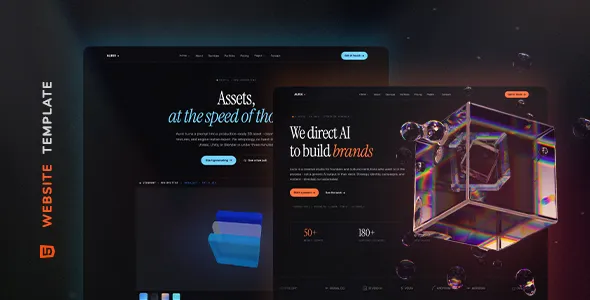
Aurix – Creative Agencies Website Template
Aurix – Creative Agencies Website Template is a modern website design solution for creative agencies, digital marketing companies, branding studios, design professionals, advertising firms, web development agencies, and independent creative businesses looking to establish a professional online presence. A well-designed agency website helps communicate a brand’s identity, showcase completed projects, explain creative services, and attract potential clients. Aurix provides a starting point for building a visually engaging website that presents an agency’s expertise, creative portfolio, and business information in a clear and organized format.
In a competitive digital environment, creative agencies need websites that demonstrate both visual quality and professional capability. Prospective clients often want to understand what an agency offers, review previous projects, learn about its working process, and determine whether its expertise matches their requirements. A professional website brings these elements together and gives visitors a convenient way to explore services or initiate a business inquiry. Aurix can be considered by creative businesses that want a dedicated website template for communicating their services and presenting their work.
A creative agency website should balance attractive design with usability, performance, and clear communication. Strong visuals can attract attention, but organized navigation, meaningful project descriptions, readable content, and accessible contact information help visitors move through the website effectively. By adapting Aurix to its brand identity and business goals, an agency can create a digital presence that supports portfolio presentation, brand awareness, and client communication. The template’s exact features and technical requirements should be confirmed through its current demonstration and documentation before implementation.
What Is Aurix Creative Agencies Website Template?
Aurix is a website template designed for creative agency projects that require a professional presentation of services, portfolio work, and company information. It can be evaluated by digital agencies, creative studios, branding consultants, advertising businesses, website design companies, marketing specialists, and independent professionals.
Creative agencies work across different disciplines, including visual identity, graphic design, web development, user experience design, social media marketing, content creation, advertising campaigns, and digital strategy. Although these services vary, they share a common need for a website that communicates expertise and helps prospective clients understand the agency’s capabilities.
Aurix can serve as a visual foundation for organizing this information into useful sections and pages. Depending on the available template layouts, a website may include a homepage, services page, portfolio, individual project pages, agency profile, team introduction, blog, and contact section.
A template provides a starting point rather than a complete business strategy. The final website should be adapted to the agency’s target audience, service offerings, branding, and content requirements. Review the current Aurix demo, included page layouts, documentation, and technical specifications to confirm whether it fits the intended project.
Professional Design for Creative Agencies
A creative agency’s website is often an important part of its brand presentation. Potential clients may evaluate the agency’s design quality, attention to detail, and communication style before arranging a meeting or requesting a proposal.
Aurix can be considered for creating a professional website that brings together visual presentation and business information. Its design can be adapted to reflect the agency’s identity through suitable typography, color choices, imagery, spacing, and content structure, depending on the template’s available customization options.
A strong homepage should communicate the agency’s primary services and intended audience. Supporting sections can introduce selected projects, explain areas of expertise, present the agency’s working approach, and direct visitors toward relevant service or contact pages.
Different agencies may require different visual styles. A branding studio might emphasize typography and visual identity projects, while a digital marketing agency may highlight campaign results and strategic capabilities. A web development company could focus on website interfaces, technical projects, and user experience improvements.
Professional design should make the agency’s work easier to understand rather than overwhelm visitors with decorative elements. Clear headings, consistent spacing, readable text, and intuitive navigation help maintain a balance between creativity and usability.
Portfolio Presentation and Creative Project Showcases
A portfolio is one of the most important elements of many creative agency websites. It provides evidence of the agency’s experience and helps prospective clients evaluate the quality and relevance of its work.
Aurix can be adapted for portfolio-focused websites, depending on the layouts and components available in the template. A portfolio section may present selected projects through image galleries, project cards, category-based listings, or individual case study pages.
Each portfolio entry should provide more than an attractive image. A useful project presentation explains the client’s objective, the challenge addressed, the agency’s role, and the work delivered. Where reliable information is available, it may also describe measurable outcomes with appropriate context.
For example, a branding agency could showcase logo systems, packaging, typography, and brand guidelines. A web design studio might present website layouts, responsive interfaces, and user experience decisions. A marketing agency could describe campaign concepts, content production, and verified performance results.
Choose portfolio examples that reflect the type of work the agency wants to attract. A smaller collection of relevant, well-explained projects may be more effective than an extensive gallery without context.
Ensure that all published project images, client logos, testimonials, and case study details are authorized for use. Accurate project descriptions help build trust and allow visitors to understand the agency’s actual contribution.
Website Solutions for Digital Marketing Agencies
Digital marketing agencies need websites that explain their services, demonstrate strategic capabilities, and help businesses understand how the agency can support their marketing objectives.
Aurix may be suitable for a digital marketing agency website that presents services such as search engine optimization, content marketing, social media management, paid advertising, email marketing, conversion optimization, and digital strategy. The final page structure should reflect the agency’s actual offerings.
Dedicated service pages can explain the purpose of each service, the process involved, and the types of businesses that may benefit from it. For example, an SEO page can describe technical optimization, content improvements, keyword research, and reporting practices without making unsupported ranking guarantees.
Case studies can demonstrate the agency’s approach to real marketing challenges. Where performance metrics are available, explain the time period, relevant context, and the agency’s role rather than presenting isolated numbers as guaranteed outcomes.
A digital marketing website can also include educational articles, frequently asked questions, and information about the team’s experience. These resources help visitors understand the agency’s expertise before making contact.
Clear calls to action should guide interested businesses toward an appropriate next step, such as requesting a consultation, discussing a project, or asking for a service proposal.
Ideal for Branding Studios and Design Agencies
Branding studios help businesses develop recognizable visual identities and communicate their values through design. Their websites should demonstrate creative ability while explaining how branding work supports a client’s wider business objectives.
Aurix can be evaluated for branding agencies, graphic design studios, creative consultants, and visual communication businesses that need a portfolio-oriented website. The exact presentation depends on the template’s current layouts and customization options.
A branding studio may organize its services around logo design, brand strategy, typography, packaging, visual identity systems, brand guidelines, and creative direction. Dedicated pages can explain the scope of each service and how the agency approaches a project.
Portfolio entries can show how a visual identity develops across different applications. For example, a case study might include the logo, color palette, typography, packaging, stationery, digital assets, and supporting brand guidelines.
Explaining the reasoning behind a design helps visitors understand more than its appearance. It can demonstrate how the work responds to the client’s audience, positioning, and communication needs.
Consistent presentation is important across all portfolio projects. Use clear descriptions, appropriately sized images, and a logical order so visitors can compare work without becoming overwhelmed.
Website Template for Web Design and Development Agencies
Web design and development agencies need a website that demonstrates both visual thinking and technical capability. Their prospective clients may be interested in website redesigns, e-commerce development, custom web applications, landing pages, user experience design, or ongoing website maintenance.
Aurix can be considered for agencies that want to present web-related services through a professional website. Depending on the template’s structure, pages may be organized around services, selected projects, development capabilities, the agency’s process, and client inquiries.
A web design service page can explain the approach to planning, wireframing, visual design, responsive implementation, and usability testing. A development page may describe the technologies and types of projects the agency supports.
Project showcases should clarify the agency’s contribution. If a website was designed by one team and developed by another, describe the roles accurately. Where relevant, include project objectives, design decisions, technical considerations, and verified outcomes.
Agencies can also explain their process, from initial consultation and requirements gathering to design approval, development, testing, and launch. Clear expectations help potential clients understand how a project may progress.
Before publishing, ensure that portfolio links work correctly and that featured websites remain accessible. A development agency’s own website should demonstrate the attention to detail it promises to deliver for clients.
Responsive Design for Modern Devices
Visitors may discover an agency through a mobile search, review its portfolio on a tablet, or return later using a desktop computer. A responsive website adapts its layout to different screen sizes so that content remains readable and navigation stays convenient.
Responsive behavior is an important consideration when evaluating Aurix. The actual experience depends on the template’s implementation, the technologies used, customizations, and any third-party components added to the website.
On smaller screens, headings should remain readable, images should fit their containers, and navigation menus should be straightforward to use. Buttons and forms should provide sufficient space for comfortable interaction.
Portfolio pages need particular attention because large images, grids, galleries, and embedded projects may behave differently on mobile devices. Service pages, blog articles, and contact forms should also be tested individually.
If the template uses animations or interactive visual effects, confirm that they remain usable on touchscreens and do not interfere with reading or navigation. Reduced-motion preferences should be considered where relevant.
Test the completed website across different screen sizes and modern browsers before launch. A consistent responsive experience helps prospective clients explore the agency’s work regardless of the device they use.
Customization and Brand Identity
A creative agency’s website should reflect its own identity rather than look like an unmodified template. Customization helps align the website with the agency’s positioning, target audience, and visual communication style.
Depending on the available template options and technologies, Aurix may allow adjustments to elements such as typography, color palettes, image placement, spacing, section layouts, and navigation. Review the current documentation to confirm which customization methods are supported.
A minimalist design studio may prefer generous white space and restrained typography, while a bold creative agency may use expressive colors and dynamic imagery. A corporate-focused digital agency may choose a more structured layout that emphasizes services, project results, and professional credibility.
Consistency matters across every page. Use a defined visual system for headings, body text, buttons, links, backgrounds, and image treatments. This makes the website feel cohesive and helps visitors recognize important interface elements.
Original photography, project screenshots, illustrations, and authorized client assets can strengthen the brand presentation. Avoid relying entirely on generic stock images that do not communicate anything about the agency’s real work.
Before implementing significant design changes, understand which elements are controlled by the template’s code, stylesheets, content system, or additional tools. Maintain backups and test substantial changes in a staging environment when possible.
Service Pages That Communicate Value Clearly
A creative agency’s service pages should help prospective clients understand what the agency offers, who the service is for, and how the work may address a specific business need.
Aurix can provide a starting point for organizing service information into dedicated pages, depending on the layouts available. Each page should focus on one primary service or closely related group of services rather than combining every offering into a single long description.
A useful service page can include an introduction, an explanation of the problem addressed, a summary of the agency’s process, relevant project examples, frequently asked questions, and a clear contact option.
For example, a branding page can explain brand discovery, visual identity development, and delivery of brand assets. A web design page can describe planning, interface design, responsive layouts, and usability considerations. A content marketing page can outline research, content planning, production, and performance review.
Specific explanations are more helpful than broad claims about delivering exceptional results. Describe the actual work, deliverables, and collaboration process so potential clients can determine whether the service suits their requirements.
Well-organized service pages also provide a useful structure for search optimization and internal linking. Visitors can move from a service overview to relevant projects, supporting articles, and contact information.
Team Profiles and Agency Information
People often want to understand who they may work with before selecting a creative agency. A company profile and team section can introduce the organization’s experience, working philosophy, and areas of expertise.
Aurix may be adapted to present agency information and team profiles, depending on the available page layouts. An About page can explain the agency’s background, services, approach to collaboration, and the types of clients it serves.
Team profiles can introduce designers, developers, strategists, project managers, and other professionals where relevant. Each profile should focus on accurate information about the person’s role, experience, and expertise.
Agencies can also describe their working process. This might include discovery, research, planning, concept development, implementation, review, and final delivery. Explaining these stages helps potential clients understand what collaboration may involve.
Avoid adding unnecessary biography details or unsupported claims. Relevant professional information, authentic photographs, and clear explanations of responsibilities are generally more useful.
A well-written company profile can complement the portfolio by explaining the people and approach behind the work. Together, these elements help visitors evaluate whether the agency’s experience and working style match their project needs.
Lead Generation and Client Inquiry Forms
For many creative agencies, the website’s main business objective is to generate qualified inquiries. Visitors need a convenient way to discuss a project, request a proposal, ask about services, or arrange an introductory conversation.
Aurix can be evaluated for websites that use visible calls to action and accessible contact information. The actual form functionality depends on the template’s included components and any form-processing tools or integrations used.
A contact form might collect a name, email address, company name, service of interest, estimated project timeline, and a short project description. For larger projects, a more detailed brief may help the agency understand the requirements before arranging a meeting.
Forms should remain concise and easy to complete. Use clear labels, provide understandable validation messages, and confirm when a submission has been received. Collect only the information necessary for the intended purpose.
Calls to action should match the surrounding page. A portfolio page may invite visitors to discuss a similar project, while a service page can encourage them to request more information about a specific offering.
Before launch, test form submissions, email delivery, spam protection, and confirmation messages. Ensure that the appropriate team receives inquiries and that alternative contact details remain easy to find.
SEO-Friendly Website Structure
Search engine optimization can help creative agencies improve how their websites are discovered by businesses looking for design, marketing, branding, or development services. A website template provides the design foundation, but search performance depends on content quality, technical implementation, competition, and other factors.
Aurix can be used as part of a website structure that separates important services, portfolio projects, agency information, and educational content into clear sections. Each page should have a descriptive title, logical headings, relevant content, and a clear purpose.
An agency may create dedicated pages for branding, web design, digital marketing, content production, and other genuine services. These pages should explain the offerings in sufficient detail rather than repeating the same text with only minor keyword changes.
Portfolio case studies can provide useful supporting content when they describe real projects, objectives, and deliverables. A blog can answer common client questions about design, digital strategy, website development, and marketing.
Use descriptive URLs and internal links to connect related pages. For example, a blog article about brand identity can link to the branding service page and a relevant portfolio project.
Image optimization also matters for portfolio-heavy websites. Use suitable image dimensions, compress files appropriately, and provide meaningful alternative text for informative images.
Compatible SEO tools may assist with metadata, sitemaps, redirects, and other supported functions. Review indexing status, broken links, duplicate content, and page performance regularly. No template can guarantee specific rankings or traffic, so focus on useful content and sound technical practices.
Content Marketing for Creative Businesses
Content marketing can help agencies demonstrate their expertise, answer client questions, and build a useful resource for prospective customers. A blog or insights section allows an agency to explain its methods and share relevant industry knowledge.
Depending on Aurix’s available layouts and configuration, it can be considered for websites that combine service pages and portfolio projects with educational articles.
A branding studio might publish content about brand positioning, logo design, visual consistency, and packaging. A web development agency could discuss responsive design, accessibility, website maintenance, and content management systems. A digital marketing firm may create articles about search optimization, content planning, and campaign measurement.
Useful content should address real questions rather than simply promote the agency. An article can explain a process, compare different approaches, identify common mistakes, or help businesses prepare for a project.
Internal links can connect articles with relevant service pages and case studies. This gives readers a natural way to explore the agency’s offerings when they need additional support.
A sustainable publishing schedule is generally more effective than producing large volumes of shallow content. Prioritize originality, accuracy, clear explanations, and practical value to build a resource that remains useful over time.
Website Performance and Loading Speed
Website speed contributes to the user experience, particularly for creative agencies whose portfolios often contain large images, animations, videos, and interactive elements. Slow pages may make it difficult for visitors to review the work or complete an inquiry.
The performance of an Aurix-based website depends on the template implementation, hosting environment, image sizes, scripts, fonts, plugins, and third-party integrations. Performance should therefore be tested after customization rather than assumed from the template’s appearance.
Start by optimizing portfolio images and using appropriate dimensions for different display areas. Compress files while preserving enough detail to showcase creative work. Where appropriate, use modern image formats and load below-the-fold images efficiently.
Review animations, video embeds, external widgets, and scripts for their impact on page loading. Remove unnecessary effects that add complexity without improving the visitor experience.
Caching and other performance tools may help when selected and configured according to the website’s needs. Avoid adding multiple overlapping plugins without a clear reason.
Test the homepage, service pages, portfolio listings, individual case studies, blog articles, and contact forms. Different layouts may perform differently, especially when they contain large media files or complex interactions.
Regular monitoring helps identify performance problems as the portfolio and website content grow.
Accessibility and User-Friendly Navigation
A professional agency website should make information easy to locate and understand. Clear navigation, readable typography, appropriate color contrast, and accessible interactive elements contribute to a more inclusive experience.
When configuring Aurix, use familiar navigation labels and organize pages around the information visitors need most. Common sections may include Services, Work, About, Insights, and Contact, depending on the agency’s offerings.
Headings should follow a logical hierarchy, links should describe their destinations, and informative images should include meaningful alternative text. Buttons and form fields should have clear labels and recognizable visual states.
Interactive menus, galleries, animations, and contact forms should be tested using different input methods. Keyboard navigation is particularly important for menus and other controls, while motion effects should not unnecessarily interfere with reading.
Do not rely on color alone to communicate essential information. Form errors should explain what needs attention, and links should remain distinguishable from ordinary text.
Accessibility depends on the template, content, configuration, and additional components. Automated tools can help identify some issues, but manual testing and practical usability reviews remain valuable.
Integrations and Supporting Tools
A creative agency website may require additional tools for contact forms, analytics, search optimization, email marketing, scheduling, security, backups, and performance. The right combination depends on the agency’s workflow and the technologies supported by the template.
Before integrating a tool with Aurix, review its documentation, compatibility requirements, update history, licensing terms, and support arrangements. Confirm that it works with the template’s underlying technologies and any existing integrations.
A form tool may help collect project inquiries, while analytics can provide information about traffic and visitor behavior. SEO tools may assist with metadata and sitemap configuration, and email marketing services can support communication with interested prospects when used appropriately.
Some agencies may need scheduling tools for consultations, CRM integrations for managing leads, or portfolio media services for presenting large projects. Confirm compatibility before building the website around a particular service.
Avoid installing multiple tools that perform the same function unless there is a specific reason. Unnecessary extensions can create compatibility issues and increase maintenance work.
After adding or updating an integration, test the relevant pages and user journeys. Check contact forms, mobile navigation, portfolio galleries, and any interactive components affected by the change.
Security and Ongoing Website Maintenance
A professional agency website requires regular maintenance to remain reliable, secure, and accurate. Even a visually polished website can develop problems if its code, content, and supporting tools are not reviewed periodically.
Website owners should use reputable hosting, enable HTTPS, maintain strong administrator credentials, and assign access permissions according to each person’s responsibilities. Only authorized team members should receive access to sensitive website settings.
Keep the template and its dependencies updated according to the provider’s documentation. If Aurix is based on a particular front-end framework or development stack, follow the relevant update and deployment practices for that technology.
Create backups before major changes and consider using a staging environment to test updates. After deployment, verify that navigation, portfolio pages, forms, responsive layouts, and integrations continue to work correctly.
Obtain templates and supporting tools from trustworthy sources, and remove unused components when appropriate. Regularly review broken links, outdated project details, service descriptions, and contact information.
A maintenance routine helps preserve the website’s professional presentation and reduces the risk of avoidable disruptions as the agency grows.
Who Should Use Aurix Creative Agencies Website Template?
Aurix may be suitable for a range of creative and digital business websites, depending on its current features and technical requirements.
Creative agencies: Businesses offering creative strategy, visual communication, and digital services can present their capabilities and selected work.
Branding studios: Brand identity specialists can showcase logo systems, brand guidelines, packaging, and visual identity projects.
Digital marketing agencies: Marketing firms can explain their services, present campaign case studies, and provide convenient inquiry options.
Web design agencies: Teams specializing in website design can display interfaces, design systems, responsive layouts, and project outcomes.
Web development companies: Development teams can introduce their technical services, completed projects, and implementation approach.
Advertising agencies: Businesses providing advertising concepts, creative campaigns, and promotional services can organize their offerings and portfolio.
Graphic design studios: Designers can present visual communication projects, illustrations, print materials, and other creative work.
Freelancers and independent creatives: Individual professionals can use a suitable template structure to introduce their skills, selected projects, and contact information.
Startup creative teams: New agencies can establish an online presence that explains their services and introduces their work as their portfolio develops.
The best choice depends on the project’s requirements. Review the current Aurix demo, documentation, supported technologies, responsive behavior, and customization options before making a final decision.
Tips for Building a Successful Agency Website with Aurix
A successful agency website needs more than attractive design. It should communicate the agency’s value clearly, demonstrate relevant experience, and make it easy for potential clients to take the next step.
Begin by defining the website’s primary purpose. Determine whether the main objective is showcasing a portfolio, generating project inquiries, explaining specialized services, publishing educational content, or supporting several related goals.
Prepare the core content before making extensive design changes. This may include service descriptions, project case studies, team profiles, company information, and contact details. Real content makes it easier to choose appropriate layouts and remove unnecessary sections.
Select portfolio projects that align with the agency’s target market. Provide enough context to explain the challenge, work performed, and deliverables rather than relying entirely on images.
Establish a consistent visual identity through typography, colors, imagery, and button styles. Replace placeholder content with accurate information and use authorized project assets.
Keep navigation simple and ensure that important services, portfolio work, and contact options are easy to locate. Test the website across desktop and mobile devices, including interactive elements and inquiry forms.
Finally, create a maintenance plan that includes backups, updates, security checks, content reviews, and performance monitoring. These practices help the website remain useful as the agency’s services and portfolio evolve.
Final Thoughts on Aurix – Creative Agencies Website Template
Aurix – Creative Agencies Website Template is a potential option for creative studios, digital marketing agencies, branding businesses, web design companies, advertising firms, and independent professionals looking to build a polished online presence. Its creative agency focus makes it relevant to projects that need to combine visual storytelling, portfolio presentation, service information, and client communication.
A thoughtfully developed agency website can feature selected projects, detailed case studies, clear service pages, consistent branding, responsive layouts, and convenient inquiry options. These elements help visitors understand the agency’s capabilities and determine whether its expertise aligns with their needs.
The final capabilities of an Aurix website depend on the specific template version, its underlying technologies, documented features, and any additional tools or integrations used. Reviewing the current demo and documentation before implementation helps confirm whether the template supports the intended design and technical requirements.
Long-term effectiveness also depends on original content, search optimization, accessibility, loading speed, security, and regular maintenance. A template alone cannot guarantee search rankings, leads, or business growth, but it can provide a useful starting point for a professional digital presence.
For creative businesses seeking a dedicated agency website, Aurix can be evaluated as part of a broader digital strategy. With thoughtful customization, a relevant portfolio, accurate service descriptions, and consistent maintenance, an agency website can support brand recognition, demonstrate creative expertise, and encourage meaningful client relationships.