My Account
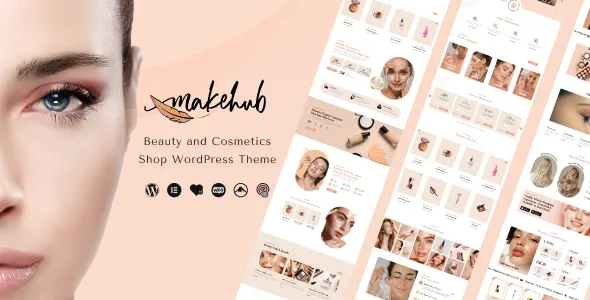
Makehub – Beauty & Cosmetics WooCommerce Theme
Makehub – Beauty & Cosmetics WooCommerce Theme is a website design solution for beauty brands, cosmetics retailers, skincare businesses, makeup stores, personal care companies, and online beauty shops looking to build a professional eCommerce presence with WordPress and WooCommerce. A well-designed beauty website helps customers discover products, explore collections, compare options, learn about ingredients, and make informed purchasing decisions. Makehub can be considered as a foundation for creating an attractive online store that presents beauty products through an organized shopping experience while supporting a consistent brand identity.
The beauty and cosmetics industry relies heavily on visual presentation, product information, customer trust, and convenient shopping. Customers often want to understand a product’s purpose, texture, shade, ingredients, size, and suitability before adding it to their cart. An effective online store should make these details easy to find while presenting products in a polished and consistent way. With suitable customization, high-quality product photography, detailed descriptions, and a clear navigation structure, a Makehub-based website can help businesses showcase their offerings and connect with customers interested in makeup, skincare, haircare, fragrance, and personal care products.
WooCommerce provides eCommerce functionality within WordPress, allowing store owners to manage products, organize categories, maintain inventory, configure prices, and process orders through a suitable payment setup. Makehub’s exact layouts, customization options, and supported integrations depend on the current theme version and its documentation. Before installation, businesses should review the latest demo, technical requirements, and compatibility information to confirm that the theme meets their store’s needs.
What Is Makehub – Beauty & Cosmetics WooCommerce Theme?
Makehub is a WooCommerce-oriented theme intended for beauty and cosmetics eCommerce websites. It can be evaluated by businesses that want to sell beauty products online through a dedicated storefront rather than relying exclusively on third-party marketplaces or social media shops.
A beauty store needs to balance visual appeal with practical shopping functionality. Customers should be able to browse categories, view product details, select available options, understand pricing, and complete the checkout process with minimal confusion. A suitable WooCommerce theme provides the design framework for organizing these elements into a coherent shopping experience.
Makehub may be considered for businesses selling makeup products, facial skincare, body care, haircare products, beauty accessories, cosmetic tools, fragrances, and other personal care items. A makeup brand might organize its catalog around foundations, lipsticks, eyeshadows, mascaras, and brushes. A skincare retailer could focus on cleansers, moisturizers, serums, sunscreens, and masks.
The best store structure depends on the products offered and the needs of the target audience. A small cosmetics business may require a straightforward homepage, category pages, product listings, and essential store policies. A larger retailer may need more extensive filtering, promotional sections, product variations, and additional content to help customers explore its catalog.
The current theme documentation should be checked to establish which page layouts, product displays, and customization features are available directly and which require additional plugins.
Responsive Design for Beauty eCommerce Websites
Online shoppers use different devices throughout the purchasing journey. A customer may discover a lipstick through a mobile search, compare skincare products on a tablet, or complete an order using a desktop computer. A responsive website helps ensure that the shopping experience remains accessible across these screen sizes.
Makehub is positioned as a beauty and cosmetics WooCommerce theme, making responsive presentation an important factor when evaluating it for an online store. Its actual behavior should be tested using the current release on smartphones, tablets, laptops, and desktop displays.
Product images should scale appropriately without losing important visual details. Product titles, prices, descriptions, variation selectors, and add-to-cart controls should remain readable and easy to use. Navigation menus should help mobile visitors locate the right category without excessive scrolling.
Responsive design is particularly important for beauty products because customers often depend on images to understand packaging, colors, textures, and product presentation. Images that appear too small, become distorted, or load slowly can make the store less convenient to use.
Store owners should test more than the homepage. Category pages, product detail pages, shopping carts, checkout forms, and account pages all need to work well on mobile devices. Custom CSS, page builders, WooCommerce extensions, and other integrations can affect the final experience, so regular testing is essential after major design changes.
Create a Professional Online Cosmetics Store
A professional online cosmetics store should help visitors understand the brand and find suitable products without unnecessary effort. The homepage introduces the business, category pages organize the catalog, and product pages provide the details customers need before purchasing.
Makehub can be evaluated as a starting point for building a storefront with these components. Depending on the available layouts, the homepage may be organized around featured collections, new arrivals, best-selling products, seasonal campaigns, and brand information.
A makeup retailer might emphasize new lipstick shades and complexion products. A skincare store could highlight daily skincare routines and product categories. A beauty accessories business may focus on brushes, applicators, mirrors, and cosmetic organizers.
Clear category names help shoppers navigate the catalog. Instead of placing every product in one large collection, store owners can group related items into logical sections such as Makeup, Skincare, Haircare, Bath and Body, Fragrance, and Beauty Tools.
The visual presentation should also remain consistent. Product images, typography, color choices, and promotional messages should reinforce the store’s identity rather than compete for attention.
A successful store does not need to display every product on the homepage. Highlighting selected items and providing clear links to the full catalog can create a more organized experience while helping customers discover relevant collections.
Product Catalog and Category Management
Product organization is a central part of any WooCommerce store. Customers need to move easily between categories and narrow their choices when a catalog contains many products.
A Makehub-based store can be structured around the business’s product range, depending on the layouts and category features supported by the selected theme version. Common categories include:
- Makeup and cosmetics
- Face and complexion products
- Lipsticks and lip care
- Eye makeup and accessories
- Skincare and facial treatments
- Cleansers and moisturizers
- Haircare and styling products
- Bath and body care
- Beauty tools and brushes
- Fragrances and gift sets
These categories should reflect the actual inventory rather than being added simply to make the website appear larger. Clear categories improve navigation and help customers understand how the product range is organized.
For stores with a large catalog, compatible filtering tools may allow shoppers to narrow products by price, brand, product type, color, size, or other relevant attributes. The availability of these filters depends on the theme, WooCommerce configuration, and additional extensions.
Product attributes should be applied consistently. For example, makeup products may need shade information, while skincare items may require volume or package-size options. Accurate attributes also help shoppers compare similar products.
Store owners should review category pages periodically to remove empty categories, correct outdated descriptions, and ensure that products appear in the appropriate sections.
Attractive Product Pages for Makeup and Cosmetics
Product pages are among the most important parts of a beauty eCommerce website. They help customers understand what an item is, how it is presented, which options are available, and whether it matches their needs.
A Makehub store should use product pages that present essential information clearly within the capabilities of the selected theme and WooCommerce setup. Each product listing should include an accurate title, price, product images, description, and relevant purchasing options.
For makeup products, useful details may include available shades, finish, texture, package size, and application guidance. Skincare descriptions may explain the intended purpose, key ingredients, directions for use, and relevant precautions based on reliable product information.
Beauty products often have packaging or color variations that are difficult to communicate through text alone. Multiple images can help customers inspect the packaging, product appearance, and other relevant details. Images should accurately represent the item being sold and should not mislead customers about its color, size, or contents.
Product descriptions should prioritize useful information rather than exaggerated marketing claims. For example, a moisturizer description can explain its stated formulation and intended use without promising guaranteed medical or cosmetic results.
Where applicable, include manufacturer-provided ingredient information, usage instructions, storage guidance, and product warnings. Accurate information helps customers make informed choices and supports a more trustworthy shopping experience.
WooCommerce Shopping Cart and Checkout
WooCommerce provides the core eCommerce framework for managing products, shopping carts, orders, and checkout processes. A WooCommerce-compatible theme helps present these functions within the visual design of the store.
Makehub can be considered for a cosmetics business that wants to build its storefront around WooCommerce. However, store owners should verify the compatibility of the current theme version with their required WooCommerce features and extensions.
The shopping cart should allow customers to review selected products, quantities, prices, and applicable charges before proceeding. Product variations, such as shades or package sizes, should be reflected accurately in the cart.
The checkout process should request the information needed to complete the order without introducing unnecessary complexity. Depending on the business model, this may include customer contact details, shipping information, billing information, and a suitable payment method.
Payment gateways must be selected according to the store’s location, target markets, currency requirements, and business eligibility. Available payment options depend on the chosen gateway and configuration rather than the theme alone.
Before launch, test the entire purchase journey. Confirm that product selection, stock availability, cart totals, shipping charges, taxes, payment processing, order confirmations, and email notifications work correctly.
A simple and dependable checkout process can help reduce confusion and make it easier for customers to complete their purchases.
Product Variations, Shades, and Sizes
Beauty products frequently come in different shades, sizes, fragrances, or packaging options. A cosmetics store should make these variations easy to understand and select.
WooCommerce supports variable products when configured appropriately, allowing store owners to define different options for a single product. A compatible Makehub setup may present these options according to the theme’s supported product layouts and styling.
A lipstick might be available in several shades, while a foundation may require a broader shade range. A skincare product could come in multiple bottle sizes, and a fragrance might be offered in different volumes.
Variation labels should be specific and consistent. Customers should be able to distinguish between options without guessing which one they are selecting. If shade swatches or visual variation selectors are important to the business, verify whether they are supported by the theme or require a compatible extension.
Each variation should have the correct price, availability, image, and product information where relevant. Out-of-stock options should be handled clearly so that customers do not accidentally select unavailable items.
Store owners should test variation selection on desktop and mobile devices, including how the selected option appears in the cart and order details.
Featured Products, Best Sellers, and New Arrivals
Featured product sections help customers discover selected items without browsing the entire catalog. They can also give store owners a way to introduce new collections and communicate seasonal changes.
Depending on the available homepage layouts, Makehub may be configured to display selected products, promotional collections, or other catalog highlights. Confirm the exact section options in the current theme documentation.
A beauty retailer might feature newly released lip products, a skincare collection, popular beauty tools, or a seasonal gift selection. Best-seller sections should be based on genuine sales information, while new-arrival sections should contain products that have recently been added.
Each featured item should display accurate product information and link to its relevant detail page. Images should be consistent in size and quality so that the product grid remains visually balanced.
Promotional sections should be updated regularly. Outdated product highlights, expired sale prices, and unavailable items can make a store appear poorly maintained.
Rather than displaying too many competing sections, focus on a small number of relevant collections. A carefully selected product presentation can help customers explore the catalog while maintaining a clean storefront.
Beauty Brand Identity and Visual Customization
Brand identity is especially important in the beauty and cosmetics market. Customers often associate a brand with its colors, packaging, typography, photography, and overall visual style.
Makehub can be evaluated for a store that wants to create a consistent appearance across its homepage, category pages, product listings, and promotional sections. Depending on the theme version and supported tools, customization may involve colors, typography, page layouts, spacing, imagery, and other design settings.
A luxury cosmetics brand might prefer restrained colors, elegant typography, and spacious product presentation. A youthful makeup brand could choose more energetic colors and campaign imagery. A natural skincare business may use a lighter visual style that reflects its product positioning.
The design should match the actual brand rather than imitate another store. Consistent colors, logo placement, image treatment, and button styles help establish recognition throughout the website.
Product photography should also follow a consistent approach. Similar backgrounds, lighting, framing, and image proportions can make the catalog look more professional. At the same time, images should preserve important differences between shades, packaging, and product types.
Before making extensive changes, identify which elements are controlled by the theme, WordPress, a page builder, or additional plugins. Keep a backup before major customization and test the resulting design across different screen sizes.
Promotions, Discounts, and Seasonal Campaigns
Promotional campaigns can help beauty stores introduce products, highlight seasonal collections, and communicate relevant discounts. WooCommerce supports configurable pricing and coupon functionality, subject to the store’s setup and any applicable extensions.
A Makehub-based storefront can be planned around promotional content where suitable layouts are available. Campaigns may focus on new collections, selected skincare products, gift sets, beauty accessories, or limited-time discounts.
Promotion details should be clear. If an offer applies only to certain products, requires a minimum purchase, or ends on a specific date, the conditions should be easy to find. Customers should not have to discover important restrictions only after reaching checkout.
Seasonal campaigns may be relevant during holiday periods, gifting occasions, and product launches. Store owners should make sure that campaign imagery, prices, and availability reflect the current offer.
Discounts should also be configured and tested carefully. Verify coupon eligibility, sale prices, cart totals, and interactions between different offers where applicable.
A dedicated promotional section can help customers discover deals, but it should not overwhelm product navigation or make the regular catalog difficult to explore.
Search Engine Optimization for Beauty eCommerce
Search engine optimization can help a cosmetics store make its products and informational pages easier for search engines to understand. A WordPress theme provides the visual foundation, while effective SEO also depends on content quality, technical configuration, competition, and customer relevance.
A Makehub website should use descriptive product titles, helpful category descriptions, logical page headings, and relevant internal links. Product pages should explain what each item is and provide information that helps shoppers decide whether it meets their needs.
For example, a skincare product page can describe the product type, size, intended use, and relevant ingredients based on verified information. A makeup category page can introduce the products it contains and help shoppers navigate to specific collections.
Page titles and meta descriptions should accurately summarize the content. Avoid repeating the same keywords unnaturally or copying identical descriptions across many products. Unique and informative content is generally more useful to shoppers than pages created primarily to repeat search phrases.
Image optimization is another important consideration. Use descriptive file names, suitable alternative text, and appropriately sized images. These practices can improve accessibility and help search engines understand the context of product imagery.
Compatible SEO plugins may assist with metadata, sitemaps, canonical settings, and other technical tasks. Store owners should also monitor broken links, indexing issues, duplicate product URLs, and page performance.
No theme can guarantee a particular search ranking or amount of organic traffic. Long-term SEO depends on useful product information, sound technical practices, a strong user experience, and consistent maintenance.
Content Marketing for Beauty and Skincare Stores
Content marketing can help a cosmetics business answer customer questions, explain product categories, and introduce its brand philosophy. WordPress provides publishing tools for creating articles, announcements, and educational resources alongside WooCommerce product pages.
Depending on the store’s goals and the theme’s supported layouts, a Makehub website may include a blog or beauty journal. Content topics could include makeup application tips, skincare routine basics, product selection guidance, cosmetic storage, or introductions to new collections.
A makeup retailer might publish a guide to choosing foundation shades, while a skincare store could explain the differences between common product categories. A beauty accessories business may provide guidance on cleaning makeup brushes or organizing cosmetic tools.
Content should be accurate and appropriate to the subject. Avoid unsupported medical claims, guaranteed results, or misleading statements about ingredients. When discussing skincare or cosmetic products, rely on trustworthy product documentation and make it clear when information is general rather than personalized professional advice.
Articles can link to relevant product categories and detail pages where this helps readers explore available items. These links should be useful and natural rather than inserted excessively.
A manageable publishing schedule can help maintain content quality. Regular reviews are also important to update outdated product references, broken links, and information that no longer reflects the store’s inventory.
Product Reviews and Customer Confidence
Customer confidence plays an important role in online cosmetics shopping. Buyers may want to understand product quality, packaging, usability, and other customers’ experiences before placing an order.
WooCommerce supports product review functionality when enabled and configured appropriately. A Makehub store should be tested to confirm how reviews appear with the current theme version and whether additional customization is required.
Reviews should be presented transparently. Store owners should not fabricate testimonials or present paid endorsements as independent customer opinions. Clear review policies can help customers understand how feedback is collected and moderated.
Product pages should also provide accurate business information, shipping details, return policies, privacy information, and contact options. These details help customers understand what to expect when purchasing.
For beauty products, the store should clearly communicate product size, ingredients where relevant, usage instructions, and any applicable precautions. This information can be particularly important when customers need to compare products or check for ingredients they wish to avoid.
Trust is built through consistent service and accurate communication rather than visual design alone. Timely responses to customer questions, dependable order handling, and clear policies all contribute to a more professional shopping experience.
Website Performance and Image Optimization
Beauty stores often rely on high-quality images to communicate product appearance and packaging. However, large image files and excessive scripts can slow down an eCommerce website if they are not optimized.
The performance of a Makehub store depends on the theme implementation, hosting environment, image dimensions, plugins, fonts, scripts, and third-party integrations. Performance should be measured on the completed website rather than assumed from the theme’s design.
Begin by resizing product images to appropriate dimensions and compressing them while preserving sufficient detail. Avoid uploading multiple unnecessarily large files when smaller optimized versions will provide the same visual quality.
Review homepage banners, category images, and promotional graphics because these can contribute significantly to page size. Where appropriate, modern image formats and lazy loading can improve loading efficiency.
Choose hosting that suits the size and activity of the store. Caching and performance plugins may help, but their settings should be tested carefully to avoid interfering with carts, checkout pages, or account functionality.
Test important customer journeys on mobile devices and slower connections. Product browsing, variation selection, cart updates, and checkout should remain responsive and reliable.
Security and Maintenance for WooCommerce Stores
A beauty eCommerce website handles customer information and order data, so security and maintenance should be part of the store’s ongoing management.
Store owners should use reputable hosting, enable HTTPS, apply strong administrator passwords, and assign user permissions according to each person’s responsibilities. WordPress, WooCommerce, the theme, and installed plugins should be maintained and updated carefully.
Before significant updates, create a reliable backup and confirm that a restoration process is available. Where practical, test major changes in a staging environment before applying them to the live store.
Only install themes and plugins from trustworthy sources. Review compatibility information, update history, and support arrangements before adding new components. Remove unused extensions when appropriate and avoid giving unnecessary access to administrative accounts.
Maintenance should also cover store operations. Check product prices, stock levels, shipping settings, tax configuration, payment gateway behavior, order notifications, and customer emails regularly.
Review privacy policies and data-handling practices according to the store’s markets and applicable requirements. A secure and well-maintained store helps protect business operations and provides a more dependable experience for customers.
Who Should Consider Makehub – Beauty & Cosmetics WooCommerce Theme?
Makehub may be suitable for different businesses looking for a WordPress and WooCommerce foundation for selling beauty products online.
Cosmetics retailers: Businesses selling makeup, color cosmetics, and related beauty products can organize their catalog into clear product categories.
Skincare brands: Retailers offering cleansers, moisturizers, serums, facial masks, and other skincare products can provide detailed product information and organized collections.
Makeup stores: Businesses selling foundations, lipsticks, eyeshadows, mascaras, and beauty accessories can focus on product images and variation details.
Haircare retailers: Stores selling shampoos, conditioners, styling products, and hair accessories can structure their inventory around relevant categories.
Beauty tool shops: Businesses offering brushes, applicators, cosmetic bags, mirrors, and other tools can present their products through an eCommerce storefront.
Personal care businesses: Retailers selling bath products, body care, and related personal care items can build a dedicated shopping experience.
Independent beauty brands: New or growing brands can use a WooCommerce website to establish a direct online sales channel, subject to their technical and operational requirements.
Gift and beauty collection stores: Businesses offering gift sets, seasonal collections, and curated beauty products can organize their catalog around gifting occasions and product combinations.
The final decision should be based on the current theme demo, product layouts, responsive behavior, customization options, compatibility requirements, and the additional functionality the business needs.
Tips for Building a Successful Beauty Store with Makehub
A professional theme is only one part of a successful online store. Product quality, accurate information, convenient navigation, dependable order handling, and clear communication are equally important.
Begin by identifying your target customers and defining the product categories that best represent your business. Organize the catalog before adding large numbers of products, and establish consistent naming conventions for product titles, attributes, and variations.
Prepare original product descriptions that explain the item’s purpose, size, ingredients where relevant, and usage information based on reliable sources. Avoid copying descriptions from other retailers or making unsupported claims.
Use high-quality photographs that accurately represent each product. Maintain consistent image proportions where possible, and ensure that color variations are represented as accurately as practical.
Configure WooCommerce carefully. Test inventory management, shipping methods, payment gateways, tax settings, coupon rules, customer emails, and checkout behavior before launching the store.
Review the website on mobile devices and confirm that customers can navigate categories, choose variations, add products to their cart, and complete purchases without difficulty.
Finally, maintain a regular schedule for product updates, backups, software maintenance, performance checks, and content reviews. These steps help the store remain accurate, secure, and useful as the business grows.
Final Thoughts on Makehub – Beauty & Cosmetics WooCommerce Theme
Makehub – Beauty & Cosmetics WooCommerce Theme is an option for businesses seeking to build an online store for makeup, skincare, cosmetics, haircare, beauty accessories, and personal care products using WordPress and WooCommerce. Its intended market makes it relevant to retailers that want a dedicated storefront for presenting product collections and supporting online shopping.
A carefully planned Makehub website can combine an attractive visual identity with organized product categories, informative product pages, responsive layouts, promotional content, and a practical checkout journey. Beauty brands can use consistent photography and branding to communicate their identity, while retailers can focus on clear product information and straightforward catalog navigation.
The exact capabilities depend on the theme’s current version, documented features, supported WooCommerce functionality, and compatible extensions. Store owners should verify important requirements such as product variations, filtering, payment options, shipping configuration, and any additional integrations before selecting the theme.
Long-term success also depends on product accuracy, customer service, SEO, website speed, security, and regular maintenance. A theme cannot guarantee sales or search rankings, but an appropriate design foundation can support a professional and useful shopping experience.
For businesses looking to develop a dedicated beauty and cosmetics eCommerce website, Makehub is worth evaluating against their product range, branding requirements, and operational needs. With thoughtful customization, original product content, accurate imagery, and dependable store management, a WooCommerce website can help showcase beauty products and support the growth of an online retail business.