My Account
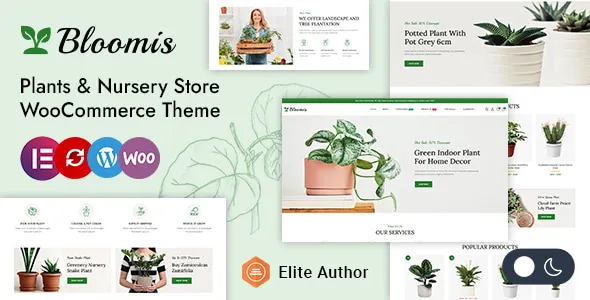
Bloomis – Gardening & Houseplants Store WordPress WooCommerce Theme
Bloomis – Gardening & Houseplants Store WordPress WooCommerce Theme is a website design solution for businesses looking to build an attractive online store for gardening products, indoor plants, outdoor plants, plant accessories, and home gardening essentials. Designed for the gardening and houseplants retail niche, Bloomis provides a potential foundation for creating a WordPress and WooCommerce website that presents products professionally and helps customers explore a plant-focused shopping experience. Whether you operate a nursery, sell decorative houseplants, offer gardening tools, manage a plant boutique, or plan to launch an online garden supply business, this theme can be considered as a starting point for establishing a dedicated digital storefront.
Online plant shopping combines visual discovery with practical product information. Customers often want to compare plant varieties, understand their care requirements, explore suitable pots, and find the right accessories for their homes or gardens. A well-organized store should make these details easy to discover while maintaining a consistent visual identity. Bloomis can serve as a foundation for arranging gardening products into meaningful categories, presenting product photography, and creating pages that support the shopping journey. Its actual layouts and available features should be verified against the current theme demo and documentation before purchase or installation.
WordPress provides a flexible content management system, while WooCommerce adds eCommerce functionality for managing products, orders, and other store operations. Together, they can support an online business selling plants and gardening supplies. With suitable configuration, original product descriptions, clear navigation, and a reliable checkout process, Bloomis can help create a professional online destination for gardening enthusiasts, homeowners, plant collectors, and customers interested in bringing more greenery into their everyday environments.
What Is Bloomis Gardening and Houseplants Store WordPress WooCommerce Theme?
Bloomis is a niche-focused WordPress WooCommerce theme intended for online stores associated with gardening, houseplants, and related products. Rather than adapting a generic retail design from scratch, store owners can evaluate a theme built around the visual and commercial needs of plant-based shopping.
A gardening store may offer indoor foliage plants, flowering plants, succulents, cacti, seeds, soil mixes, planters, gardening tools, fertilizers, and decorative accessories. A houseplant boutique might concentrate on ornamental plants, plant stands, ceramic pots, and indoor gardening products. A garden supply retailer may require a broader catalog that includes equipment, growing materials, and outdoor gardening essentials.
Bloomis can be considered for these business models, depending on its available templates, product layouts, and customization options. Its WordPress foundation gives store owners a way to manage website pages, publish helpful articles, organize media, and maintain business information. WooCommerce can support the underlying product catalog and purchasing workflow.
Before choosing the theme, review its current documentation to confirm the included page designs, supported plugins, customization tools, and compatibility requirements. These details help determine whether the theme is suitable for the size and complexity of the planned store.
WooCommerce Functionality for Online Gardening Stores
WooCommerce is a widely used eCommerce platform for WordPress websites. It provides a foundation for managing products and processing online orders, allowing businesses to create a digital storefront without building every store function from the beginning.
For a Bloomis-based gardening shop, WooCommerce can be used to organize products such as houseplants, garden accessories, pots, planters, seed packets, and soil products. Store owners can add product titles, descriptions, prices, images, and other relevant details to help customers make informed purchasing decisions.
Product categories can make a large catalog easier to navigate. For example, an online store might separate indoor plants from outdoor plants, place succulents in their own category, and organize accessories into sections for pots, watering equipment, and plant care. The most effective structure depends on the products offered and the way customers typically search for them.
WooCommerce also provides tools for managing orders and configuring supported payment and shipping methods. The exact purchasing experience depends on the store’s settings, selected extensions, payment provider, and delivery arrangements.
A reliable eCommerce website should be tested before launch. Store owners should review product pages, cart behavior, checkout fields, payment processing, shipping calculations, order notifications, and mobile usability. A visually appealing theme is only one part of a successful online store; the complete purchasing process must work consistently.
A Dedicated Online Store for Houseplants
Houseplants have become an important category for customers who want to decorate homes, apartments, offices, studios, and other indoor spaces. An online houseplant store can make it easier for customers to explore different varieties and choose plants that suit their preferences and growing environments.
Bloomis can be evaluated for a store that presents popular indoor plants, decorative foliage, flowering varieties, succulents, and other plant-related products. A clear product catalog helps visitors discover plants according to their appearance, size, care requirements, or intended location.
Product pages should provide useful information beyond photographs. Depending on the plant, descriptions may include its common name, botanical name, approximate size, preferred light conditions, watering guidance, humidity preferences, and general care recommendations. Where relevant, businesses can also explain whether a plant is suitable for beginners or requires more specialized attention.
Accurate descriptions help customers select plants that are appropriate for their environment. They can also reduce confusion about plant size, pot dimensions, delivery condition, and ongoing maintenance.
High-quality photography is particularly important when selling living plants. Images should represent the product honestly, and descriptions should explain any natural variation in leaf shape, color, growth pattern, or appearance. Because living plants can change over time, clear product information helps establish realistic expectations before a purchase.
Gardening Products and Accessories in One Place
A comprehensive gardening store often serves customers who need more than plants. Accessories and growing supplies can help customers maintain their plants, improve their gardening routines, and create attractive indoor or outdoor spaces.
Bloomis can be considered for stores selling a combination of plants and related gardening products, subject to the theme’s supported catalog layouts. Potential product categories include:
- Indoor and outdoor plants
- Succulents and cacti
- Flowering plants and ornamental foliage
- Seeds and bulbs
- Plant pots and decorative planters
- Potting soil and growing media
- Watering cans and spray bottles
- Gardening gloves and hand tools
- Plant stands and decorative accessories
- Fertilizers and plant care supplies
A well-organized catalog allows customers to browse the products they need without navigating unrelated categories. Product groupings can also help visitors discover complementary items, such as pairing a houseplant with an appropriate pot or offering a watering accessory alongside a plant care collection.
Store owners should ensure that product categories reflect the actual inventory. If a business specializes in indoor plants, its navigation should prioritize those products rather than giving equal attention to categories it rarely sells.
A focused catalog structure supports a more convenient shopping experience and makes it easier for customers to understand the store’s range of products.
Responsive Design for Desktop, Tablet, and Mobile
Customers may visit an online gardening store using a desktop computer, tablet, or smartphone. Responsive design helps a website adapt to different screen sizes so that visitors can explore products and complete purchases without unnecessary navigation difficulties.
Bloomis is positioned as a WordPress WooCommerce theme for a specialized retail website. Store owners should review its current responsive behavior to confirm how the homepage, product listings, product detail pages, navigation menus, and checkout screens appear on different devices.
On smaller screens, product images should remain clear, descriptions should be readable, and important buttons should be easy to select. Category navigation should help customers reach the products they want without excessive scrolling or confusing menu structures.
Mobile shopping is particularly important for visually driven products such as houseplants and decorative pots. Customers may discover a product through a search result or social media link and visit the store directly from a phone. A mobile-friendly product page can make it easier to examine photographs, review product details, and add an item to the cart.
Responsive performance should be tested across the complete website rather than only on the homepage. Custom styles, third-party plugins, embedded widgets, and additional product filters can affect how individual pages behave at different screen sizes.
Homepage Design for a Gardening Brand
The homepage introduces the store and gives visitors their first impression of the business. A clear homepage should communicate what the store sells, establish the brand’s visual identity, and guide customers toward useful product categories.
For a Bloomis-based website, the homepage could be organized around an introductory banner, featured plant collections, popular products, seasonal selections, gardening accessories, and helpful plant care content, depending on the available theme layouts.
A headline should explain the store’s main offering in simple language. Supporting text can introduce the product range or communicate the brand’s approach to gardening. A relevant call to action can direct visitors toward indoor plants, new arrivals, best-selling products, or a specific collection.
Featured collections may help customers discover products according to their interests. A houseplant retailer could highlight low-maintenance plants, decorative foliage, or plants suited to particular indoor conditions. A garden supply business might emphasize seasonal planting products or essential gardening tools.
The homepage should not attempt to display every product and message at once. Too many competing sections can make the website harder to navigate. Prioritize the categories and products most relevant to the target audience, and keep important links easy to find.
Product Pages That Help Customers Choose the Right Plants
Product pages play an important role in online plant retail because customers cannot physically inspect a plant before ordering. Clear descriptions and accurate photography help them understand what they are buying.
A useful product page can include the product name, price, photographs, availability information, a detailed description, and a clear purchase option. Additional details should be included according to the nature of the product and the information available from the supplier.
For living plants, consider explaining:
- Plant variety and botanical name, where known
- Approximate height and spread
- Pot size and whether a pot is included
- Recommended light conditions
- General watering and care guidance
- Expected appearance and natural variations
- Packaging and delivery considerations
- Any relevant handling or seasonal limitations
For gardening accessories, the product description can focus on dimensions, materials, intended use, compatibility, and maintenance instructions.
Product photographs should be sufficiently detailed to show relevant features. Multiple views may help customers understand the plant’s appearance, pot design, or accessory construction. Images must accurately represent the item being sold.
The final product page structure depends on WooCommerce configuration and the features supported by the installed theme. Store owners should review these layouts and customize them to provide the information their customers need before placing an order.
Product Categories and Easy Store Navigation
Clear navigation helps visitors find products quickly and understand how the catalog is organized. A gardening store may serve beginners who need basic supplies as well as experienced plant collectors looking for specific varieties or accessories.
A Bloomis-based store can be planned around logical product categories, depending on its available navigation options. Possible sections include houseplants, outdoor plants, succulents, seeds, planters, gardening tools, plant care products, and seasonal collections.
Category names should be simple and familiar. Visitors should not need specialized horticultural knowledge to understand where products are located. Where botanical terminology is useful, it can be included in product descriptions or supporting category text.
Large catalogs may benefit from additional filtering options, such as plant type, size, price range, or product availability. Any filtering functionality should be confirmed through the theme documentation or added using a compatible WooCommerce extension when necessary.
Store owners should also make it easy to reach essential pages, including shipping information, returns policies, contact details, and customer support. Clear navigation helps customers move from product discovery to checkout while giving them access to important information throughout the process.
Customization and Consistent Brand Identity
A recognizable brand helps an online gardening store establish its own identity rather than appearing like an unmodified template. Visual consistency can make the website more memorable and improve the presentation of its products.
Depending on the theme version and available customization tools, Bloomis may provide options for adjusting design elements such as colors, typography, layouts, spacing, and imagery. Store owners should confirm the exact controls available in the current release before planning extensive customization.
A gardening brand might use natural colors, plant photography, and readable typography to create a calm visual identity. A premium houseplant boutique may prefer a more refined presentation, while a general garden supply business may prioritize practical navigation and prominent product categories.
Consistency should extend across the homepage, product listings, individual product pages, blog articles, and contact pages. A defined color palette and heading hierarchy help make the site feel unified.
Branding also includes the quality of product information. Consistent naming conventions, accurate descriptions, and well-prepared photographs create a more professional presentation than a catalog containing unrelated image styles and inconsistent product details.
Before making significant design changes, review the theme documentation and identify which settings are managed by the theme, WordPress, WooCommerce, or additional plugins. Backups and staging tests are useful when modifying a live store.
SEO-Friendly Structure for a Gardening Website
Search engine optimization can help potential customers discover a gardening store through relevant searches. A well-organized WordPress website provides a foundation for publishing useful content and creating descriptive product and category pages, but search rankings depend on multiple factors beyond the theme.
A gardening store should organize its pages around the products and questions relevant to its audience. Separate category pages can help distinguish houseplants, succulents, garden tools, planters, and other product groups. Individual product pages should use accurate titles, original descriptions, and relevant photographs.
For example, a product page can explain the plant variety, general care requirements, size, and intended use. A category page can introduce the types of plants available and help visitors compare products within that category.
Descriptive page titles and URLs make it easier for users to understand the content before opening a page. Internal links can connect product categories with related articles, plant care guides, and complementary products.
Image optimization is also important. Use descriptive image filenames where practical, write meaningful alternative text for informative images, and compress files to help pages load efficiently.
Compatible SEO plugins may assist with metadata, XML sitemaps, canonical settings, redirects, and supported structured data. Store owners should check for broken links, indexing problems, duplicate pages, and unnecessary category or filter URLs.
Avoid repeating the same keyword excessively. Original descriptions that answer genuine customer questions are more useful than pages created primarily to repeat search phrases. No theme can guarantee a particular ranking position or amount of organic traffic.
Content Marketing and Plant Care Guides
Content marketing can help gardening stores provide value beyond product listings. Helpful articles can answer common questions, introduce plant varieties, explain gardening techniques, and guide customers toward products that suit their needs.
A Bloomis-based website can combine WooCommerce product pages with a WordPress blog, depending on the selected layout and configuration. This can give the business a place to publish educational content alongside its product catalog.
Potential blog topics include choosing houseplants for different light conditions, understanding watering requirements, selecting suitable pots, caring for succulents, preparing soil, and managing common plant maintenance challenges.
Seasonal content can also be relevant. Articles about planting schedules, indoor plant care during seasonal changes, or preparing outdoor gardens may help customers understand how their needs change throughout the year. Recommendations should be accurate and adapted to the relevant climate and plant varieties.
Blog articles can link naturally to relevant products. A guide about repotting houseplants might direct readers toward suitable planters and potting materials, while a beginner’s plant care article could link to appropriate tools or easy-care plant varieties.
Content should remain practical, original, and easy to understand. Avoid presenting general guidance as a guarantee that a plant will thrive in every environment. Helpful explanations and accurate information can support customer confidence while giving the website useful resources for long-term organic visibility.
Shopping Cart, Checkout, and Customer Experience
The purchasing process should be straightforward and reliable. Even a visually attractive gardening store can lose potential sales if visitors struggle to understand delivery costs, enter their information, or complete payment.
WooCommerce provides the core eCommerce foundation for product carts and checkout workflows. A Bloomis store can be configured around the payment methods, shipping arrangements, taxes, and order processes appropriate to its business, subject to the capabilities of the selected setup.
The cart should clearly identify selected products, quantities, and prices. Customers should be able to review their choices before proceeding to checkout. Delivery fees, applicable taxes, and other charges should be communicated transparently.
Checkout forms should request only the information needed to process an order. Clear field labels, understandable validation messages, and reliable order confirmation can help reduce confusion.
Plant retailers may need additional delivery information because living plants can require careful packaging and handling. Store policies should explain the applicable shipping areas, estimated dispatch or delivery arrangements, and how customers should report problems with an order.
Test the complete process before launching the website. Place test orders where supported, check payment confirmation, verify order emails, and review how the store handles unsuccessful transactions and stock changes. Actual payment and shipping functionality depends on the selected providers and configuration.
Performance Optimization for Product-Focused Websites
Website speed is important for online stores, particularly when pages contain numerous product photographs. Slow loading can make browsing frustrating and may prevent customers from completing their purchases.
The performance of a Bloomis website depends on its implementation, hosting environment, product images, scripts, installed plugins, and third-party integrations. A responsive layout does not automatically mean that every page will load quickly.
Image optimization is a useful starting point. Product photographs should use suitable dimensions and efficient file formats while retaining enough detail for customers to evaluate the item. Avoid uploading excessively large images when smaller versions can provide the same visual quality.
Other potential improvements include reliable hosting, appropriate caching, limiting unnecessary scripts, and removing plugins that are no longer required. Any optimization tool should be configured carefully and tested to ensure that it does not interfere with cart updates, checkout functionality, or other store features.
Performance testing should cover the homepage, category pages, product details, search results, cart, and checkout. These pages may have different technical requirements and loading behavior.
Ongoing monitoring can help identify problems as the product catalog grows. A well-maintained store should balance attractive product imagery with efficient loading and a dependable shopping experience.
Security, Updates, and Store Maintenance
A WordPress WooCommerce website requires regular maintenance to remain secure and dependable. Theme selection is only one part of maintaining an online business; WordPress, WooCommerce, plugins, hosting, and store settings also need attention.
Website owners should use reputable hosting, enable HTTPS, protect administrator accounts with strong authentication practices, and assign account permissions according to each user’s responsibilities. WordPress core, the theme, and compatible extensions should be updated carefully.
Before major updates or design changes, create a backup and ensure that a recovery process is available. Testing updates in a staging environment can help identify compatibility issues before they affect the live store.
Regular maintenance should also include product inventory checks, price reviews, broken-link testing, form testing, and verification of payment and shipping configurations. Outdated product details can create customer confusion even when the website itself is functioning correctly.
Security and backup plugins may provide useful support, but they should be selected according to the website’s requirements and compatibility. Avoid installing several tools that duplicate the same functions without a clear reason.
A consistent maintenance routine helps protect store operations and provides a better foundation for long-term growth.
Who Can Use Bloomis Gardening and Houseplants Store WordPress WooCommerce Theme?
Bloomis can be evaluated by different types of businesses that want to sell gardening products online. Its suitability depends on the layouts, features, and integrations available in the version being considered.
Plant nurseries: Businesses selling indoor and outdoor plants can organize their inventory into categories and provide information that helps customers select suitable varieties.
Houseplant boutiques: Specialty retailers can present decorative foliage, flowering plants, succulents, and accessories for indoor spaces.
Gardening supply stores: Retailers offering tools, soil products, planters, seeds, and other essentials can use WooCommerce to manage a broad product catalog.
Home and garden retailers: Businesses combining plants with home decoration products can create collections that connect greenery with interior styling.
Succulent and cactus sellers: Specialized stores can organize varieties and provide clear product details, including size and general care guidance.
Online gardening startups: New businesses can evaluate the theme as a starting point for establishing a digital storefront without developing every page design from the beginning.
Plant collectors and specialty sellers: Retailers with a focused range of unusual or premium plants can organize product information around the needs of their audience.
Garden accessory brands: Businesses selling pots, planters, plant stands, and gardening accessories can create a dedicated product catalog and connect related items.
Before selecting Bloomis, compare its current demo and documentation with your product range, catalog size, customization requirements, and preferred checkout workflow.
Tips for Building a Successful Gardening Store with Bloomis
A successful online gardening store needs more than a visually attractive theme. Product accuracy, clear navigation, dependable order processing, and useful customer information all contribute to the shopping experience.
Start by defining the store’s main audience and product range. A specialist houseplant store may need different categories from a general garden supply retailer. Build the navigation around how customers are likely to search for products.
Prepare original product descriptions before launch. Include relevant details such as plant variety, approximate dimensions, care requirements, pot size, or accessory specifications. Use accurate photographs that represent the products being sold.
Create a consistent visual identity through colors, typography, photography, and clear page layouts. Keep the homepage focused on the most useful categories and collections rather than filling it with too many competing elements.
Review the customer journey from the first product visit to the final order confirmation. Test product selection, cart updates, checkout fields, payment methods, shipping rules, and transactional emails. Check the website on mobile devices as well as desktop computers.
Develop a practical content strategy around plant care, gardening advice, product comparisons, and seasonal topics. Keep articles accurate and link to relevant products when doing so helps readers.
Finally, plan for regular backups, updates, performance checks, inventory reviews, and security maintenance. These practices can help the store remain useful as the catalog and customer base expand.
Final Thoughts on Bloomis Gardening & Houseplants Store WordPress WooCommerce Theme
Bloomis – Gardening & Houseplants Store WordPress WooCommerce Theme is a potential option for businesses that want to establish an online store dedicated to plants, gardening supplies, and related accessories. Its specialized positioning makes it relevant to plant nurseries, houseplant retailers, garden supply businesses, and entrepreneurs planning to sell greenery and gardening products online.
A well-planned Bloomis website can bring together product categories, informative product pages, attractive photography, a consistent brand identity, and a convenient WooCommerce shopping process. WordPress also provides a foundation for publishing helpful articles and maintaining the information customers need when choosing plants and gardening accessories.
The final capabilities depend on the theme’s current release, documented features, supported integrations, and store configuration. Before installation, review the official demo, compatibility requirements, available layouts, and customization options to confirm that the theme meets the business’s needs.
Long-term success also depends on product quality, accurate descriptions, reliable shipping arrangements, website performance, search optimization, customer service, and ongoing maintenance. A theme cannot guarantee search rankings or sales, but an appropriate design foundation can help present products clearly and create a more organized online shopping experience.
For businesses looking to build a dedicated gardening and houseplants store with WordPress and WooCommerce, Bloomis is worth evaluating as part of a broader eCommerce strategy. With thoughtful customization, useful product information, a carefully tested checkout process, and consistent maintenance, the website can support customer discovery, product sales, and the development of a recognizable gardening brand.