My Account
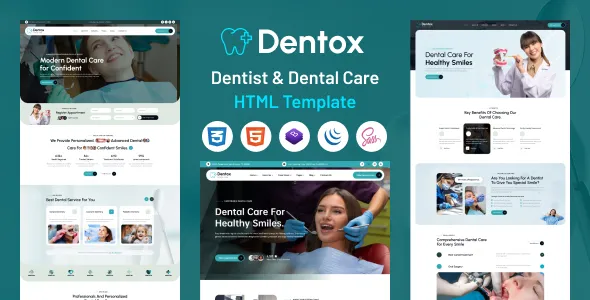
Dentox – Dentist & Dental Clinic HTML5 Template
Dentox – Dentist & Dental Clinic HTML5 Template is a professional website template designed for dentists, dental clinics, orthodontic practices, oral healthcare providers, dental surgeons, and other businesses operating in the dental care industry. A well-designed dental website helps patients learn about available treatments, understand clinic services, explore practitioner information, and find convenient ways to schedule appointments or make inquiries. Dentox provides a potential foundation for creating a modern online presence that communicates professionalism, organizes essential information, and supports patient engagement.
Dental clinics need websites that balance attractive presentation with clear, trustworthy communication. Patients often search online for information about routine dental checkups, teeth cleaning, dental fillings, root canal treatment, braces, dental implants, cosmetic dentistry, and other oral healthcare services. A structured website can help visitors discover relevant information and understand what to expect before contacting a clinic. Dentox can be customized to present treatment descriptions, dentist profiles, clinic details, patient resources, and contact information according to the needs of a dental practice.
Built as an HTML5 template, Dentox is intended for website development using standard web technologies. HTML5 provides the structure for webpage content, while CSS and JavaScript can be used to control presentation and interactive behavior, depending on the supplied package. Developers can adapt the available layouts, colors, typography, images, and content to reflect a clinic’s branding and communication goals. The exact features, page layouts, responsive behavior, and included scripts should be confirmed through the current template demo and documentation before implementation.
What Is Dentox – Dentist & Dental Clinic HTML5 Template?
Dentox is a dental-focused website template intended for practices that want to introduce their services through a dedicated online platform. Rather than building every page from the beginning, developers can use a template as a starting point and customize its structure to suit the clinic’s requirements.
A dental website typically needs to explain the practice’s services, introduce its dental professionals, provide location and contact details, and guide visitors toward making an appointment. Dentox can be evaluated for these purposes, depending on the pages and components included in the template package.
A general dental clinic might use its website to describe preventive care, restorative dentistry, cosmetic treatments, and emergency dental services. An orthodontic practice may focus on braces and aligner treatments, while a cosmetic dental clinic could emphasize smile enhancement procedures and consultations. A family dental practice may organize information around the needs of children, adults, and older patients.
The most effective website structure depends on the clinic’s actual services and patient audience. Treatment descriptions should be accurate, easy to understand, and reviewed by qualified dental professionals. Before publishing the website, clinic owners should also verify that all contact details, practitioner credentials, opening hours, and appointment instructions are correct.
Modern Website Design for Dental Clinics
A dental clinic’s website often creates a first impression before a patient visits the practice. A clear and professional design can help visitors understand the clinic’s identity, explore its services, and locate important information without unnecessary effort.
Dentox can serve as a starting point for a dental website that emphasizes organized content, readable typography, relevant imagery, and clear navigation. Its final appearance will depend on the supplied design, the assets included with the template, and any customizations made during development.
A homepage can introduce the clinic with a concise headline, a short overview of its approach to dental care, and links to important service pages. Supporting sections may present selected treatments, dentist profiles, clinic facilities, patient information, and contact details where suitable layouts are available.
Dental websites should avoid overly complicated layouts that make essential information difficult to find. Visitors should be able to identify the clinic’s location, understand its main services, and locate an appointment or inquiry option quickly.
Professional photography can help communicate the atmosphere of the practice. Images of the actual clinic, equipment, and dental team can be more informative than generic stock photographs, provided the appropriate permissions have been obtained. Consistent colors and typography can further reinforce the clinic’s identity.
Responsive Layout for Desktop, Tablet, and Mobile
Many people search for dentists using smartphones, particularly when looking for nearby clinics, checking opening hours, or trying to contact a practice. A website should therefore remain accessible and easy to use across desktop computers, tablets, and mobile devices.
Dentox should be tested across different screen sizes to confirm that its layouts adapt appropriately. The template’s actual responsive behavior depends on the supplied files, CSS implementation, JavaScript components, and any modifications introduced during development.
On mobile devices, navigation should be easy to operate, headings should remain readable, and contact information should be accessible without excessive scrolling. Buttons and links should provide sufficient space for touch interaction, while forms should be simple to complete on smaller screens.
Responsive testing should include the complete website rather than the homepage alone. Service pages, dentist profiles, image galleries, appointment forms, and contact sections may behave differently depending on their content.
Developers should also check for horizontal scrolling, overlapping elements, distorted images, and text that becomes too small on narrow screens. A consistent experience across devices can make it easier for patients to find information and take the next step.
Dental Services and Treatment Pages
A dental clinic may offer a range of treatments, and each service should be explained in a way that helps patients understand its general purpose. Dentox can be customized to organize treatment information into separate pages or clearly defined sections, depending on the available layouts.
Potential service categories include preventive dentistry, restorative dentistry, cosmetic dentistry, orthodontics, pediatric dental care, and oral surgery. Clinics should only publish treatments that they genuinely provide and should ensure that each description reflects the qualifications and capabilities of their practitioners.
A dedicated service page can explain what a treatment generally involves, why a dentist might recommend it, and how a patient can arrange an assessment. It can also address common questions in accessible language.
For example, a page about routine dental examinations can explain the purpose of regular checkups and the importance of professional assessment. A page about restorative dentistry can introduce common approaches used to repair damaged teeth. Cosmetic treatment pages can explain the consultation process and note that suitable options depend on individual circumstances.
Medical and dental content should not promise guaranteed outcomes or suggest that one treatment is appropriate for everyone. Treatment decisions depend on an examination and advice from a qualified dental professional.
Website Solutions for General Dentistry Practices
General dentistry practices often provide a combination of preventive, diagnostic, and restorative services. Their websites need to help patients identify the available services and understand how to contact the clinic.
Dentox can be considered for a general dental practice that wants to present routine checkups, professional cleaning, fillings, dental assessments, and other services offered by its team. The content can be organized into concise summaries on the homepage, with dedicated pages for treatments that require more explanation.
A clinic introduction can describe its approach to patient care, its location, and the types of appointments it provides. A separate team section can introduce the dentists and explain their professional qualifications and areas of practice.
Useful patient information may include appointment preparation guidance, general oral hygiene information, directions to the clinic, and answers to frequently asked questions. Such information should be reviewed regularly to ensure that it remains accurate.
The website should also distinguish between routine appointment requests and urgent dental concerns. If the clinic offers emergency appointments, it should explain the relevant contact process and any applicable limitations clearly.
Suitable for Cosmetic Dentistry and Smile Care
Cosmetic dentistry websites often need to explain aesthetic treatments while helping patients understand the importance of professional assessment. Visitors may be researching teeth whitening, veneers, smile enhancement, bonding, or other procedures before deciding whether to arrange a consultation.
Dentox can be adapted for a cosmetic dental practice that wants to introduce its services, explain the consultation process, and provide information about its dental professionals. The available design components and any additional functionality should be verified against the template package.
A cosmetic dentistry page can describe the general purpose of a treatment, the kinds of concerns it may address, and the factors a dentist considers when evaluating suitability. It should not imply that a particular result is guaranteed or that a procedure is appropriate for every patient.
Before-and-after photographs may help explain certain treatments when they are genuine, appropriately authorized, and presented with suitable context. Patient privacy must be respected, and images should not be edited in a misleading way.
A clear consultation call to action can encourage interested visitors to discuss their goals with a qualified dentist. The website should emphasize informed decision-making and professional advice rather than unrealistic promises.
Orthodontic Clinics and Teeth Alignment Services
Orthodontic practices help patients evaluate and manage problems related to tooth alignment and bite. Their websites often need to explain different treatment options, introduce the orthodontic team, and provide information about assessments and follow-up visits.
Dentox may provide a starting point for an orthodontic website, subject to the layouts and content sections available in the template. The practice can customize service information around the treatments it actually offers, such as traditional braces, clear aligners, or other orthodontic approaches.
Treatment pages should explain that recommendations depend on the patient’s dental condition, age, oral health, and professional assessment. Visitors should be encouraged to attend a consultation rather than rely on website content to determine their suitability for a specific treatment.
A patient information section can explain the general stages of orthodontic care, the importance of follow-up appointments, and the need to follow the orthodontist’s instructions. Frequently asked questions may address appointment scheduling, general treatment considerations, and the clinic’s consultation process.
Clear information can help prospective patients prepare for a discussion with their orthodontist and understand the services available at the practice.
Pediatric and Family Dental Care
Family dental practices serve patients at different stages of life, from young children to adults and older people. A website for this type of clinic should make services easy to understand and provide practical information for families.
Dentox can be customized to present family dental services, children’s dental appointments, preventive care information, and general clinic details if these services are offered. The content should use clear language and avoid creating unnecessary anxiety about dental visits.
A pediatric dental page can explain the clinic’s approach to children’s oral health, the importance of age-appropriate dental advice, and how parents or guardians can arrange an appointment. Information about the dental team and clinic environment may help families understand what to expect.
Family-oriented websites can also include general oral hygiene guidance, answers to common questions, and practical appointment information. Educational content should be reviewed by qualified professionals and should not replace individualized dental advice.
A welcoming design, readable text, and straightforward navigation can help parents locate relevant information without difficulty.
Dentist Profiles and Professional Credentials
Introducing the dental team can help patients learn about the professionals responsible for their care. Dentist profiles provide an opportunity to communicate qualifications, relevant experience, professional interests, and areas of practice.
Dentox can be customized to include profile pages or team sections, depending on its available components. Each profile should contain accurate, current information and should distinguish between verified qualifications and general areas of interest.
A profile may include the dentist’s name, professional photograph, recognized qualifications, registration details where appropriate, and a brief description of their role at the clinic. Additional information about languages spoken or special interests can be included when accurate and relevant.
Professional claims should be carefully checked. Clinics should not use misleading titles or suggest specialist qualifications that a practitioner does not hold.
A well-organized team section can also explain how patients can request an appointment with a particular practitioner, if the clinic supports that option. Clear information about the dental team can make the website more informative and transparent.
Appointment Requests and Patient Contact
One of the main purposes of a dental clinic website is to help patients contact the practice or request an appointment. A clear contact process can reduce confusion and make it easier for visitors to take the next step.
Dentox can be adapted to include contact details, appointment calls to action, and forms where the template or a compatible integration supports them. A static HTML template does not automatically provide a complete booking system, so developers should verify what functionality is included and what needs to be connected separately.
A basic appointment request form may collect a patient’s name, preferred contact method, requested service, and suitable appointment times. Only the information needed to manage the request should be collected.
The website should explain that submitting a request does not necessarily confirm an appointment unless the clinic’s booking system explicitly provides that confirmation. Visitors should receive clear instructions about how the clinic will respond.
If online booking is required, the developer may need to integrate an appropriate scheduling service or create a custom backend. The integration should be tested to ensure that appointment information is handled correctly and that patients receive accurate confirmation details.
Contact Information, Location, and Clinic Hours
Accurate contact information is essential for a dental clinic website. Patients need to know where the clinic is located, when it is open, and how to get in touch.
Dentox can be configured to display the clinic’s address, phone number, email address, operating hours, and other relevant details. The precise placement depends on the template’s available sections and the customizations made during development.
A contact page can include directions, parking information, public transport details, or accessibility information where relevant. If a map is embedded, it should point to the correct clinic location and be tested on mobile devices.
Opening hours should be reviewed regularly, especially around public holidays or temporary schedule changes. If emergency dental services are available only at certain times, the website should explain the relevant arrangements clearly.
Phone numbers and email links should be easy to select on mobile devices. Keeping contact details consistent across the website and other business listings can also reduce confusion for patients.
HTML5 Structure and Customization
HTML5 provides a standard way to organize webpage content using elements for headings, paragraphs, navigation, sections, images, links, and forms. An HTML5 template offers developers a foundation they can modify to suit a particular website project.
Dentox’s exact source structure depends on the package supplied by its publisher. Developers should inspect the included HTML files, stylesheets, scripts, fonts, images, and other assets before beginning customization.
A clear HTML structure can make pages easier to maintain and can support accessibility and search engine interpretation when implemented correctly. Semantic elements should be used appropriately, and heading levels should follow a logical order.
CSS can be customized to align the website with the clinic’s branding, while JavaScript may support interactive elements included in the template. Additional functionality, such as patient portals, dynamic appointment scheduling, or secure data storage, generally requires suitable backend services or third-party integrations.
Before deployment, developers should test the website in current browsers and verify that all links, images, scripts, and forms work as expected.
Search Engine Optimization for Dental Clinic Websites
Search engine optimization can help a dental clinic improve the visibility of relevant pages in organic search results. A well-structured template may provide a useful foundation, but search performance depends on technical implementation, content quality, competition, location, and other factors.
A Dentox-based website should use descriptive page titles, relevant headings, meaningful URLs, and original service descriptions. Each important treatment should have a clear purpose and provide useful information for prospective patients.
For a local dental practice, location information is particularly important. The website should accurately identify the clinic’s town or service area where relevant and provide consistent contact details. Local search visibility can also be supported by maintaining an accurate business profile on appropriate search and mapping platforms.
Image alternative text should describe meaningful images, while page links should use descriptive wording. Internal links can connect related treatments, dentist profiles, patient information, and contact pages.
Depending on the final implementation, developers may need to configure meta descriptions, canonical URLs, XML sitemaps, indexing directives, and relevant structured data. They should also check for broken links, duplicate content, slow pages, and other technical issues.
Dental content should prioritize accuracy and patient understanding. Avoid keyword stuffing, unsupported medical claims, and promises of specific treatment outcomes. A template alone cannot guarantee search rankings or patient inquiries.
Website Speed and Performance Optimization
A fast website helps visitors access clinic information without unnecessary delays. Performance is particularly important for mobile users who may be browsing on slower connections or looking for contact details while away from home.
The performance of a Dentox website depends on its HTML, CSS, JavaScript, images, hosting environment, external services, and any additional integrations. Developers should test the actual implementation rather than assume that the template will perform equally well in every configuration.
Image optimization is a useful first step. Photographs of the clinic, staff, and treatment facilities should be appropriately sized and compressed while retaining sufficient visual quality. Avoid loading unnecessarily large files when smaller images can serve the same purpose.
Developers can also review unused scripts, external fonts, animation effects, and third-party widgets. Caching, compression, and other server-level improvements may help depending on the hosting setup.
Performance testing should include the homepage, service pages, team profiles, and contact sections. Regular checks can identify issues introduced by new images, scripts, or design changes.
Accessibility and Patient-Friendly Navigation
A dental website should be usable by visitors with different abilities, devices, and browsing preferences. Clear navigation and accessible content help patients locate important information and interact with the website more comfortably.
When customizing Dentox, developers should check text contrast, heading structure, keyboard navigation, visible focus indicators, and form labels. Interactive elements should have clear names, and meaningful images should include suitable alternative text.
Navigation labels should use familiar language. Patients should not have to understand technical terminology to find common services, contact details, or appointment information.
Forms should explain which fields are required and provide understandable messages when information is missing or invalid. Buttons and links should be visually distinguishable from surrounding content.
Accessibility should be reviewed throughout development and tested before launch. Automated tools can help identify common issues, but manual keyboard testing and practical reviews on different devices are also valuable.
Security and Patient Privacy Considerations
Dental websites may collect personal information through contact forms or appointment requests. Clinic owners and developers should therefore consider privacy, secure transmission, and appropriate data-handling practices when configuring the website.
A basic HTML template does not automatically provide secure data storage, authentication, or a complete patient management system. If the website needs to collect or process personal information, developers should use appropriate services and security controls.
The website should use HTTPS through a correctly configured hosting environment. Forms should collect only necessary information, and access to submitted inquiries should be restricted to authorized staff.
Avoid collecting detailed medical histories or sensitive patient records through an ordinary contact form unless the system has been specifically designed and reviewed for that purpose. More complex patient services may require a dedicated healthcare platform.
The clinic should publish a privacy notice that accurately explains how information is collected and used. Data retention, consent, and other legal obligations should be reviewed according to the clinic’s location and applicable requirements.
Regular updates, secure hosting, backups, and careful management of third-party scripts can help reduce avoidable risks.
Who Should Use Dentox – Dentist & Dental Clinic HTML5 Template?
Dentox can be evaluated for a range of businesses and professionals in the dental care industry.
General dental clinics: Practices can introduce routine checkups, preventive care, restorative treatments, and general dental services.
Private dental practices: Independent dentists can establish an online presence that presents their services, credentials, and contact information.
Cosmetic dentistry clinics: Practices can explain aesthetic dental treatments and provide information about consultations.
Orthodontic clinics: Orthodontists can introduce teeth alignment services and share general information about treatment options.
Pediatric dentists: Children’s dental practices can provide family-oriented information and explain their approach to young patients.
Dental surgeons: Clinics can present relevant surgical services, practitioner profiles, and consultation details where appropriate.
Family dental centers: Multi-practitioner practices can organize information for patients with different dental care needs.
Dental care organizations: Dental service businesses can create a structured website for communicating their services and location details.
The suitability of Dentox depends on the available page layouts, customization requirements, and any additional features the clinic needs. Reviewing the current demo and documentation helps determine whether the template is appropriate for the intended project.
Tips for Building a Successful Dental Website with Dentox
Begin by identifying the main goals of the website. A clinic may want to provide essential information, increase appointment requests, explain treatments, introduce its dental team, or improve local online visibility.
Prepare accurate content for each major section before making extensive design changes. This includes clinic information, service descriptions, practitioner profiles, opening hours, location details, and appointment instructions.
Use genuine clinic photographs and properly licensed visual assets. Keep branding consistent across headings, buttons, colors, and page layouts. Remove placeholder content and check that every link directs visitors to the correct destination.
Make the most important information easy to find. Patients should be able to identify the clinic’s services, location, contact details, and appointment process without unnecessary navigation.
Test the website on different devices and browsers. Check page loading speed, mobile navigation, contact links, forms, image display, and accessibility. Verify that any appointment integration works as intended and provides accurate confirmation information.
Finally, create a maintenance plan that includes content reviews, software or dependency updates where applicable, backups, security checks, and periodic performance testing. Keeping information accurate and the website functional supports a more reliable patient experience.
Final Thoughts on Dentox – Dentist & Dental Clinic HTML5 Template
Dentox – Dentist & Dental Clinic HTML5 Template is a potential website development starting point for dentists, dental clinics, orthodontic practices, cosmetic dentistry providers, and other oral healthcare businesses. Its dental-focused positioning makes it relevant to projects that need to present treatment information, introduce dental professionals, communicate clinic details, and provide convenient contact opportunities.
A successful dental website combines a clear design with accurate information, accessible navigation, responsive behavior, and a straightforward appointment process. Individual service pages can help patients understand the clinic’s offerings, while team profiles and location details provide practical information before a visit.
The actual features of Dentox depend on the supplied template files, included components, and any additional customization or integrations. Developers should review the documentation and test the website before using it in a production environment. Online booking, patient management, and secure processing of personal information may require additional systems beyond a static HTML template.
Search visibility, performance, accessibility, and privacy also require ongoing attention. A template cannot guarantee search rankings or new patient bookings, but it can provide a useful foundation for a professional and informative clinic website.
For dental practices seeking a customizable HTML5 website foundation, Dentox can be considered as part of a broader digital presence strategy. With accurate content, thoughtful design, appropriate technical implementation, and regular maintenance, the resulting website can help patients discover the clinic, understand its services, and take the next step toward contacting the practice.