My Account
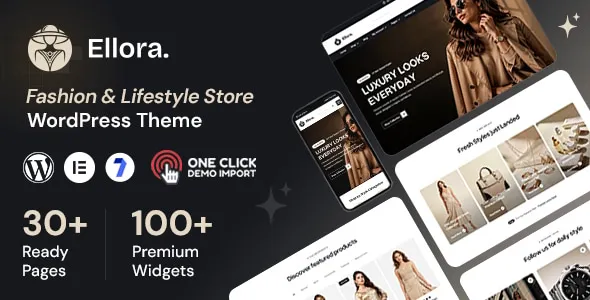
Ellora – Fashion Store WooCommerce Theme
Ellora – Fashion Store WooCommerce Theme is a modern website design solution for fashion retailers, clothing brands, online boutiques, and eCommerce businesses looking to build a professional online store with WordPress and WooCommerce. Designed for the fashion retail industry, Ellora can serve as a foundation for showcasing clothing collections, organizing product categories, highlighting new arrivals, and providing customers with a convenient shopping experience. Whether you sell women’s clothing, men’s apparel, dresses, T-shirts, jeans, footwear, handbags, accessories, or seasonal fashion collections, a well-designed online store can help communicate your brand identity and make your products easier to discover.
Fashion customers often explore multiple products before making a purchase. They may compare colors, sizes, materials, prices, styles, and seasonal trends while looking for items that suit their preferences. An effective fashion website should combine attractive product photography with intuitive navigation, clear product information, and a straightforward checkout process. Ellora can be evaluated as a starting point for creating this type of online shopping experience, with a design tailored to fashion-focused retail.
WooCommerce provides eCommerce functionality within WordPress, allowing compatible stores to manage products, categories, orders, and customer purchases. The specific layouts, design controls, shopping features, and integrations available with Ellora depend on the current theme version and its documented requirements. Before installation, review the official product demo and documentation to confirm that the theme supports your intended store structure and required functionality.
What Is Ellora – Fashion Store WooCommerce Theme?
Ellora is a WooCommerce theme intended for fashion-focused online stores that need a dedicated website for presenting clothing, accessories, and lifestyle products. It can be considered by retailers who want to establish an online presence, organize their product catalog, and create a consistent shopping experience around their brand.
A fashion store requires more than a collection of product listings. Customers need to browse categories, inspect product images, understand available sizes, compare styles, and find relevant information before completing an order. A well-organized storefront helps visitors move naturally from discovering a collection to exploring individual products.
With suitable customization, Ellora can be evaluated for clothing boutiques, fashion startups, apparel brands, online garment stores, and retailers selling accessories or footwear. Businesses can structure their websites around product categories, featured collections, seasonal promotions, new arrivals, and other relevant shopping sections.
WordPress provides tools for managing website content, while WooCommerce supports product listings, pricing, stock management, shopping carts, checkout, and order administration. Additional functionality may be available through compatible extensions, depending on the requirements of the store.
Before selecting Ellora, review the theme’s current compatibility, available page templates, customization options, product display layouts, and supported plugins. This helps determine whether it is suitable for the size and complexity of your fashion business.
Modern Design for Fashion and Clothing Brands
A fashion website should reflect the identity of the brand it represents. The visual presentation influences how customers perceive the products, explore collections, and understand the style of the business.
Ellora can be considered for retailers who want to create a polished digital storefront with a fashion-oriented presentation. Depending on the available customization settings, businesses may be able to adjust colors, typography, imagery, page layouts, and other visual elements to suit their branding.
A minimalist clothing boutique might prefer neutral colors, generous spacing, and clean product photography. A streetwear brand may use stronger visual contrasts and expressive campaign imagery, while a premium fashion retailer could emphasize refined typography and carefully curated collections.
Consistency is important throughout the website. Product cards, navigation menus, headings, buttons, promotional banners, and category pages should work together to create a recognizable brand experience.
Use high-quality photographs that accurately represent the clothing and accessories being sold. Consistent image backgrounds, suitable lighting, and clear product views can make the catalog easier to browse.
The final appearance depends on the theme version, customization tools, and content supplied by the store owner. A thoughtful design approach helps ensure that the website supports the brand rather than distracting visitors from the products.
Responsive Design for Mobile Fashion Shopping
Many customers discover fashion products through smartphones and continue browsing on different devices. A responsive online store helps make product information and shopping controls accessible across smartphones, tablets, laptops, and desktop computers.
Ellora can be evaluated for a fashion store that needs a consistent presentation across different screen sizes. The actual responsive behavior depends on the theme implementation, content, plugins, and any custom modifications.
On mobile devices, customers should be able to browse categories, inspect product photographs, choose sizes and colors, and locate purchasing options without unnecessary scrolling or difficult navigation.
Product grids should adapt to the available screen width, while product detail pages should keep images, descriptions, prices, and selection controls readable. Mobile navigation should make it easy to reach important categories and store information.
Responsive design is especially important for fashion products because customers often need to inspect visual details before purchasing. Images should display clearly without creating excessive loading times or forcing visitors to navigate awkward layouts.
The checkout process should also be tested on mobile devices. Customers should be able to review their cart, enter delivery details, select available payment options, and complete their orders through a convenient interface.
Test the entire shopping journey across multiple devices before launching the website.
Create an Online Women’s Fashion Store
Women’s fashion retailers often manage diverse collections covering everyday clothing, occasion wear, workwear, casual styles, and seasonal trends. A dedicated website can help organize these products into a clear and visually appealing catalog.
Ellora can be considered for an online women’s fashion boutique selling dresses, tops, skirts, jeans, trousers, shirts, ethnic-inspired clothing, outerwear, handbags, and accessories, depending on the retailer’s product range.
Category pages can help customers browse products according to clothing type, collection, style, or intended occasion. For example, a store may feature everyday essentials, formal clothing, party outfits, seasonal collections, and accessories.
Product pages should provide useful information about fabric, fit, available sizes, colors, care instructions, and other relevant details. Size charts can help customers choose suitable options and reduce uncertainty when shopping online.
Fashion photography should represent the actual product as accurately as possible. Include additional images when they help customers understand the garment’s shape, texture, color, and design details.
Retailers can also create curated collection pages that group products around a particular style, color palette, or seasonal theme. These collections should reflect the products genuinely available in the store.
Build a Professional Men’s Clothing Store
Men’s fashion retailers can use an online storefront to present clothing collections in an organized and accessible format. Customers may be looking for everyday essentials, office wear, casual outfits, formal clothing, footwear, or accessories.
Ellora can be evaluated for a men’s apparel store selling T-shirts, shirts, jeans, trousers, jackets, hoodies, suits, footwear, belts, wallets, and related fashion products.
A clear category structure helps customers navigate the catalog according to their needs. Retailers might organize collections around casual wear, formal wear, workwear, outerwear, footwear, or seasonal products.
Product pages should explain the details customers need to make a decision. Useful information may include fabric composition, fit, measurements, available colors, care instructions, and model sizing where relevant.
If the store offers several variations of a garment, configure product options carefully so customers can select the correct size and color before adding the item to their cart. Keep stock information accurate to reduce confusion about availability.
A well-organized men’s fashion store can combine product photography, clear descriptions, category navigation, and convenient purchasing controls to support a more efficient shopping experience.
Showcase Dresses, T-Shirts, Jeans, Shoes, and Accessories
Fashion stores frequently sell products that appeal to different styles and occasions. Organizing these products into meaningful categories helps customers discover relevant items without browsing the entire catalog.
Ellora can be considered for stores offering a broad range of clothing and accessories, including:
- T-shirts and tops: Everyday essentials, graphic designs, basic garments, and casual collections.
- Shirts and blouses: Formal shirts, casual styles, and versatile wardrobe pieces.
- Jeans and trousers: Different cuts, fits, colors, and fabric options.
- Dresses and occasion wear: Casual dresses, formal outfits, and special-occasion clothing.
- Shoes and footwear: Sneakers, sandals, formal shoes, boots, and other available styles.
- Bags and handbags: Everyday bags, shoulder bags, backpacks, and fashion accessories.
- Fashion accessories: Belts, scarves, wallets, hats, jewelry, and complementary items.
Each category should have a clear purpose and useful product descriptions. Avoid creating too many overlapping categories, as this can make the store difficult to navigate.
Retailers can highlight selected collections or related accessories where supported by WooCommerce and the chosen theme configuration. These features may help customers discover products that complement their original selection.
Product Pages That Help Customers Choose
Product pages are central to an online fashion store because customers cannot physically inspect garments before ordering. Clear product information and accurate images help visitors understand what they are purchasing.
A well-organized product page can include a descriptive title, product images, price, available sizes, colors, stock information, a detailed description, and purchasing controls. The precise layout depends on the theme’s available templates and WooCommerce configuration.
For clothing, include the information most relevant to the item, such as fabric composition, fit, size measurements, care instructions, and design details. For footwear, provide sizing guidance and useful information about materials and construction. For bags and accessories, communicate dimensions, materials, compartments, and other relevant characteristics.
Product photographs should show the item clearly. Additional views can help customers understand its shape, color, texture, and construction. If model photography is used, accurate sizing information can help shoppers interpret the fit.
Product descriptions should be original and specific to the item. Avoid repeating the same generic text across every listing or making unsupported claims about fabric quality, durability, or performance.
Accurate descriptions can help customers compare products and make more informed purchasing decisions.
WooCommerce Product Management and Variations
WooCommerce provides a foundation for managing an online fashion catalog within WordPress. It supports product types and store management features that can help retailers organize clothing and accessories.
When used with a compatible version of WooCommerce, Ellora can be evaluated as the visual layer for a store that needs to present products and their available options.
Variable products are particularly useful for fashion retail. A garment may be offered in several sizes and colors, with each combination having its own stock or pricing information where applicable.
Store owners should configure product attributes consistently. For example, use a standard size naming system and consistent color labels throughout the catalog. This makes product selection easier for customers and helps administrators maintain the catalog.
Product management also includes keeping prices, stock quantities, product images, descriptions, and availability information up to date. Discontinued products should be handled carefully so customers do not encounter misleading listings.
The exact appearance of variation selectors and product management workflows depends on WooCommerce, the theme, and any installed extensions. Test different product configurations before publishing a large collection.
Shopping Cart, Checkout, and Payment Options
A convenient checkout process helps customers complete their purchases with confidence. The cart should clearly display selected products, quantities, prices, and any relevant variations.
WooCommerce can provide cart and checkout functionality when correctly installed and configured with a compatible theme. Ellora’s role in presenting these pages depends on its available templates and documented WooCommerce support.
Customers should be able to review their selections, update quantities, remove items, and understand applicable shipping charges before placing an order. The checkout should request only the information necessary to process the purchase.
Payment options depend on the retailer’s location, provider eligibility, and chosen integrations. Store owners should verify transaction fees, supported payment methods, settlement arrangements, and security requirements before enabling a payment service.
If operating in India, a retailer can evaluate supported payment providers based on the methods required by its customers and the business’s eligibility. Only advertise payment options that have been configured and tested.
Test the full checkout process, including successful payments, declined transactions, order confirmations, cancellations, and refunds. A reliable checkout experience is important for building trust and reducing unnecessary purchase friction.
Fashion Collections, New Arrivals, and Seasonal Promotions
Fashion retail often changes with seasons, trends, and new product releases. A website should make it easy for customers to discover current collections and understand which products are available.
Ellora can be evaluated for a store that highlights new arrivals, featured products, seasonal clothing, selected collections, or promotional categories, depending on the theme’s supported layouts.
A new arrivals section can help returning visitors identify recently added products. Seasonal collections can group items according to weather, holidays, special occasions, or other relevant shopping needs.
Promotional banners may be used to communicate genuine offers, delivery information, or collection launches. Keep banner text concise and make sure it remains readable on mobile screens.
If discounts are offered, display the original price, discounted price, and applicable conditions accurately. Avoid publishing expired promotions or creating urgency that does not reflect the actual offer.
A manageable collection strategy helps store owners keep the website relevant without making the homepage crowded. Feature products that match the brand and current inventory rather than displaying every item in every section.
Search, Filters, and Product Discovery
Customers often visit a fashion store with a specific item in mind. Others may want to explore a range of products before deciding what to buy. Search and filtering tools can support both types of shopping behavior.
Depending on the theme’s available functionality and compatible plugins, an Ellora-based store may be configured with product search, category navigation, sorting, and filters.
Useful filtering options may include size, color, price, brand, product type, or availability when the relevant attributes and tools are configured. Sorting options may help customers view products by price, popularity, or date added, depending on the store setup.
Product discovery tools should be easy to understand and should return relevant results. Clear category labels and consistent product attributes are important for reliable filtering.
For a large catalog, test search and filters using realistic product data. Confirm that available sizes, colors, and stock information are represented accurately.
Before choosing Ellora, determine which discovery features are included with the theme and which require separate extensions. This helps avoid unexpected costs and ensures that the finished store supports the required shopping experience.
Customization and Fashion Brand Identity
A fashion store should communicate its brand personality consistently across every page. Customization helps retailers adapt the website’s appearance to their audience, product range, and market positioning.
Depending on the current theme version and supported tools, Ellora may offer customization options for typography, colors, layouts, images, and other visual elements. Review the product documentation to confirm the available controls.
A premium fashion brand may use restrained colors and editorial photography, while a youthful streetwear store may prefer bold typography and high-contrast imagery. A family clothing retailer might focus on accessible navigation and clear product categories.
Keep the visual identity consistent across the homepage, collection pages, product listings, banners, and checkout-related content. A coherent design helps customers recognize the brand and reduces unnecessary visual distractions.
Choose a readable typeface for product information and make sure prices, size options, and purchasing buttons remain easy to locate.
Before making significant design changes, create a backup and test modifications in a staging environment when possible. This helps reduce the risk of disrupting the live store.
SEO-Friendly Structure for Fashion eCommerce
Search engine optimization can help customers discover a fashion store through searches for clothing, accessories, product types, and specific styles. A theme provides a website foundation, but search visibility depends on content quality, technical setup, competition, and other factors.
Ellora can be evaluated for a store with clear category pages, descriptive product listings, and useful content. Each page should serve a distinct purpose and provide relevant information.
Use descriptive page titles, meaningful URLs, logical headings, and natural keyword placement. Product descriptions should explain the actual item rather than repeating the same generic text across multiple listings.
Category pages can introduce the products available and help shoppers understand the collection. For example, a jeans category may explain the available fits, while an accessories page can organize products by use or type.
Image optimization is important for fashion websites because product photographs are often large. Use descriptive file names, meaningful alternative text, and appropriately compressed images.
Compatible SEO plugins may assist with metadata, XML sitemaps, canonical settings, and other technical tasks. Review indexing problems, broken links, duplicate pages, and outdated product information periodically.
Avoid keyword stuffing and mass-producing thin product descriptions. Original information and a useful shopping experience provide a stronger foundation for sustainable search performance.
Content Marketing and Fashion Buying Guides
Content marketing can help fashion retailers answer customer questions, explain product choices, and introduce new collections. Informative articles can complement the store’s product pages and support discovery.
An Ellora-based website may include a blog or resource section if the selected theme and WordPress configuration support the required layouts.
Useful content ideas include clothing care guides, tips for choosing garment sizes, advice on building a versatile wardrobe, seasonal styling suggestions, and explanations of fabric types.
A footwear retailer might publish a guide to choosing shoes for different occasions, while a clothing store could explain differences between popular fits or provide measurement guidance.
Content should be useful and accurate rather than simply repeating promotional phrases. Include relevant product links when they help readers explore items related to the article.
A practical publishing schedule is generally more sustainable than producing large volumes of repetitive content. Focus on clear explanations, original information, and topics that genuinely matter to the target audience.
Website Speed and Performance Optimization
Website speed affects how easily customers browse collections, view product photographs, and complete purchases. A slow fashion store can frustrate visitors, particularly when they are using mobile devices or slower internet connections.
The actual performance of Ellora depends on the theme implementation, hosting environment, product catalog, images, plugins, and external integrations. A visually attractive theme does not automatically guarantee fast loading.
Start by optimizing product images and using appropriate dimensions for different page layouts. Compress files while preserving enough detail to represent clothing colors and textures accurately.
Review unnecessary animations, external widgets, scripts, and overlapping plugins. Remove elements that do not contribute meaningfully to the shopping experience.
Suitable hosting, caching, and other optimization tools may improve performance when configured correctly. Test the homepage, category pages, product pages, search results, cart, and checkout separately.
Monitor performance as the catalog grows. Large image collections, extensive product listings, and additional integrations may require further optimization over time.
Regular testing helps identify problems before they significantly affect the shopping experience.
Accessibility and User-Friendly Navigation
A fashion store should make its catalog easy to explore and its purchasing controls easy to use. Clear navigation, readable product details, and accessible forms help a wider range of customers interact with the website.
When configuring Ellora, use descriptive category names, logical headings, sufficient text contrast, and clearly distinguishable buttons and links.
Product images that communicate important information should have meaningful alternative text. Do not rely solely on color to communicate product variations or selection states; provide text labels where appropriate.
Size selectors and other product controls should be understandable and easy to operate. Forms should include clear labels and helpful validation messages so customers can correct errors without confusion.
Navigation should prioritize important categories and provide convenient access to account information, the cart, customer support, and store policies where applicable.
Accessibility depends on the theme, content, and configuration of individual components. Automated tools, keyboard testing, and manual reviews can help identify usability problems before launch.
Security and Ongoing Store Maintenance
An eCommerce website needs regular maintenance to remain secure and reliable. A professional design cannot compensate for outdated software, incorrect settings, or neglected store operations.
Use reputable hosting, enable HTTPS, maintain strong administrator credentials, and assign user permissions according to each person’s responsibilities. Update WordPress, Ellora, WooCommerce, and compatible plugins carefully.
Create regular backups and verify that the restoration process works. Backups are especially important before significant updates or changes to the product catalog and store configuration.
Obtain themes and extensions from trustworthy sources and review their compatibility before installation. Remove unused components when appropriate and avoid giving unnecessary administrative access.
Review product prices, inventory, shipping settings, return policies, and payment integrations periodically. Customers should receive accurate information about product availability and the terms that apply to their orders.
Maintenance should also include testing the shopping journey after updates. Confirm that product variations, cart controls, payment processing, and order notifications continue to function correctly.
A consistent maintenance routine helps protect the store and supports a dependable customer experience.
Who Should Use Ellora – Fashion Store WooCommerce Theme?
Ellora may be suitable for a range of fashion-related businesses looking to create an online storefront with WordPress and WooCommerce.
Clothing boutiques: Present curated clothing collections through organized categories and product listings.
Women’s fashion stores: Showcase dresses, tops, jeans, skirts, handbags, and other apparel.
Men’s clothing retailers: Organize shirts, T-shirts, trousers, jackets, footwear, and accessories.
Online apparel brands: Build a dedicated storefront for original clothing collections and seasonal releases.
Fashion startups: Establish an online presence for a new clothing label or boutique.
Footwear retailers: Display shoes, sneakers, sandals, boots, and other available footwear products.
Accessories stores: Organize bags, belts, scarves, wallets, jewelry, and complementary fashion items.
Lifestyle retailers: Combine clothing and selected lifestyle products in a consistent online catalog.
Small and growing eCommerce businesses: Evaluate a WooCommerce-based storefront that can be adapted to their catalog and branding needs.
The best fit depends on the theme’s actual capabilities, the store’s size, and the required integrations. Review the current demo and documentation before making a purchasing decision.
Tips for Building a Successful Fashion Store with Ellora
A successful fashion store requires more than an attractive design. Product accuracy, clear navigation, useful photography, and a reliable checkout process all contribute to the customer experience.
Start by defining the store’s target audience and product range. Decide whether the business will focus on women’s clothing, men’s apparel, footwear, accessories, or a broader fashion catalog.
Plan the product categories before uploading inventory. Use consistent product names, attributes, sizes, colors, and descriptions so customers can browse and compare products more easily.
Prepare high-quality photographs that represent the actual items. Include useful views of garment details and provide size charts or measurements where necessary.
Create a consistent visual identity through the logo, typography, color palette, banners, and product imagery. Replace placeholder content with accurate business information and original descriptions.
Make shopping controls easy to locate and ensure that customers can select product variations, review their cart, and understand shipping and return conditions before purchasing.
Before launch, test the website across desktop and mobile devices. Check product pages, search, filters, stock information, checkout, payment integrations, and order notifications.
Finally, maintain regular backups, update software carefully, monitor performance, and review product information periodically. These practices help the store remain useful as collections and customer needs evolve.
Final Thoughts on Ellora – Fashion Store WooCommerce Theme
Ellora – Fashion Store WooCommerce Theme is a potential option for clothing retailers, online boutiques, fashion startups, and apparel brands looking to create a professional eCommerce website with WordPress. Its fashion-store positioning makes it relevant to businesses that want to showcase clothing collections, organize product categories, and provide customers with a convenient shopping experience.
A well-configured Ellora website can combine attractive product photography, clear product descriptions, size and color options, organized category pages, and a straightforward checkout process. Retailers can adapt the content and visual presentation to their brand while keeping important shopping information easy to find.
WooCommerce can provide the underlying eCommerce functionality when supported by the selected theme setup, while compatible extensions may add features according to the store’s requirements. The final capabilities depend on the current theme release, available layouts, plugin compatibility, and configuration.
Long-term results also depend on original product content, accurate inventory, responsive usability, performance optimization, search engine optimization, security, and regular maintenance. A theme alone cannot guarantee search rankings or sales, but it can provide a useful foundation for a carefully organized online store.
For businesses planning to sell fashion products online, Ellora can be evaluated as part of a broader eCommerce strategy focused on brand identity, convenient product discovery, clear information, and customer trust. With thoughtful customization and consistent store management, a fashion website can support product visibility and long-term business development.