My Account
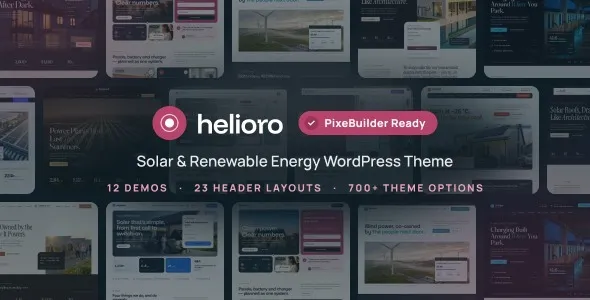
Helioro – Solar Energy, Battery Storage & EV Charging WordPress Theme
Helioro – Solar Energy, Battery Storage & EV Charging WordPress Theme is a website design solution for renewable energy companies, solar power providers, battery storage businesses, electric vehicle charging service providers, and clean energy consultants looking to establish a professional online presence. Designed for WordPress-based website projects, this theme provides a foundation for presenting energy solutions, introducing services, communicating sustainability initiatives, and connecting with potential customers. Whether you operate a solar installation company, promote residential solar systems, provide commercial energy solutions, or work in the electric vehicle charging industry, Helioro can be considered as a starting point for creating a modern and informative business website.
As renewable energy adoption continues to expand, businesses need websites that clearly communicate their services, explain available technologies, and help customers understand the benefits of sustainable energy solutions. A professional website can introduce solar panels, energy storage systems, EV charging infrastructure, installation services, and energy consultation options in an organized manner. With appropriate customization and relevant content, Helioro can help businesses build a consistent digital identity while supporting customer communication and business development.
WordPress provides a flexible content management system for creating pages, publishing articles, managing images, and organizing website information. A renewable energy-focused theme can offer a visual starting point for presenting technical services and sustainability-related content. The final functionality depends on the installed theme version, its available customization settings, documented features, and compatible plugins. Reviewing the current demo and documentation before installation helps ensure that the theme aligns with your website requirements.
What Is Helioro Solar Energy WordPress Theme?
Helioro is a WordPress theme positioned for businesses operating in the renewable energy, solar power, battery storage, and electric vehicle charging sectors. Its industry-oriented design makes it relevant to companies that need to communicate technical services while maintaining a professional and approachable website presentation.
A renewable energy business website generally needs to explain its services, describe its solutions, introduce its experience, and provide clear contact opportunities. Depending on the business model, it may also include project portfolios, service area information, customer testimonials, frequently asked questions, and educational resources.
A solar installation company can use this type of website to introduce residential and commercial solar services. An energy storage provider may focus on battery systems and energy management solutions, while an EV charging company can present charging infrastructure, installation services, and related consultation.
WordPress allows website owners to manage content through an administrative dashboard. Pages, menus, images, and blog posts can be updated without manually editing every section of the website. The exact page layouts, editing tools, and design settings available with Helioro should be verified through its current documentation.
Website Solutions for Solar Energy Companies
Solar energy businesses need websites that explain their offerings in a clear and accessible way. Potential customers may want to understand how solar installations work, what services are available, and whether a particular solution suits their residential or commercial requirements.
Helioro can be evaluated as a starting point for a solar energy website that introduces the company, presents its services, and explains the process of adopting solar power. Dedicated pages can provide information about solar panel installation, system design, consultation, maintenance, and other relevant services.
Residential solar providers may focus on rooftop solar systems and household energy needs. Commercial solar companies can highlight larger installations, energy efficiency considerations, and business-oriented solutions. Industrial providers may need detailed information about project planning, system capacity, and technical requirements.
The website should explain these services using accurate and understandable language. Technical information can be supported by illustrations, photographs, project examples, and educational content that helps visitors understand the available solutions.
Solar Panel Installation and Services
Solar installation is a major part of the renewable energy industry. Customers often need information about system planning, installation procedures, equipment, maintenance, and the factors that influence project suitability.
A Helioro-based website can organize solar installation services into dedicated pages that explain the company’s process and areas of expertise. Depending on the business, these pages may cover residential rooftop installations, commercial solar systems, solar panel upgrades, system inspections, and maintenance services.
A well-structured service page should explain what the company provides, who the service is intended for, and what customers can expect during the consultation or installation process.
Businesses can also present genuine project photographs and case studies to demonstrate their experience. Where appropriate, documented project information such as system capacity, installation scope, and verified energy performance can provide additional context.
Claims about energy savings, return on investment, or system performance should be supported by reliable information and relevant project conditions. Clear communication helps visitors develop realistic expectations before contacting the company.
Battery Storage and Energy Management Solutions
Battery storage has become an important component of modern renewable energy systems. Energy storage solutions can support different applications, including residential solar installations, commercial energy systems, backup power arrangements, and energy management projects.
Helioro can be considered for websites that need to introduce battery storage services and explain their relevance to solar energy systems. Dedicated content can describe available solutions, installation services, consultation options, and the factors customers should consider when evaluating energy storage.
Residential customers may be interested in storing solar-generated electricity for later use or understanding backup power options. Commercial organizations may explore energy management, operational requirements, and storage solutions suited to their facilities.
An informative website should explain that battery performance and suitability depend on system design, capacity, usage patterns, installation conditions, and product specifications. Rather than making universal claims, businesses should provide accurate information and encourage customers to seek an assessment of their individual requirements.
Technical diagrams, product images, project examples, and educational articles can help explain these concepts to visitors with different levels of technical knowledge.
EV Charging Infrastructure and Electric Mobility
Electric vehicle adoption is creating demand for charging infrastructure across residential, commercial, and public environments. Businesses working in this sector need websites that explain charging solutions, installation services, and the practical considerations involved in deploying EV charging equipment.
Helioro is relevant to projects that need to present EV charging-related services as part of a renewable energy or clean technology business. Website sections can introduce residential charging stations, commercial charging infrastructure, workplace charging, fleet charging solutions, and consultation services where offered.
A residential EV charging provider may explain installation requirements and the importance of assessing electrical capacity. A commercial company may present charging solutions for offices, parking facilities, retail properties, or fleet operations.
The website should clearly distinguish between the services offered and the equipment available. Technical specifications, compatibility, charging speeds, and installation requirements should be based on accurate manufacturer and project information.
If the business provides EV charging consultations, dedicated pages can explain the assessment process, installation planning, and ongoing support services.
Homepage Design for Renewable Energy Businesses
The homepage is an important introduction to a renewable energy company. Visitors should quickly understand what the business does, which solutions it provides, and how they can explore relevant services.
A Helioro-based website can be organized around a clear introductory section, service highlights, company information, project examples, sustainability messaging, and contact opportunities, depending on the available theme layouts.
The main headline should communicate the company’s core offering. Supporting content can explain its approach to solar energy, battery storage, EV charging, or related services.
Featured service sections can direct visitors to dedicated pages with more detailed information. Project examples can demonstrate practical experience, while genuine customer testimonials may provide additional context.
A homepage should not attempt to explain every technical detail. Its purpose is to introduce the business and guide visitors toward the information most relevant to their needs.
Residential Solar Energy Website
Residential solar customers often begin their research by looking for information about rooftop installations, household electricity usage, energy requirements, and available services.
Helioro can serve as a starting point for a residential solar business website that communicates these offerings in a structured way. A dedicated residential services page can explain consultation, system planning, installation, maintenance, and other available services.
Homeowners may need guidance on roof suitability, installation requirements, electrical infrastructure, and the expected process of moving from an initial inquiry to a completed installation.
A useful website should provide a straightforward explanation of the process without suggesting that every property is suitable for the same solar system. Project requirements vary depending on the property, electricity consumption, equipment, local regulations, and installation conditions.
Businesses can also include frequently asked questions to address common concerns and help potential customers prepare for a consultation.
Commercial and Industrial Solar Solutions
Commercial and industrial organizations may explore renewable energy to support their operational requirements, energy management objectives, and sustainability strategies.
Helioro can be evaluated for commercial solar websites that need to present services for offices, factories, warehouses, educational institutions, commercial buildings, and other business facilities.
Dedicated service pages can explain commercial solar consultation, system planning, installation, maintenance, and project management where these services are available.
Businesses can present project case studies describing the installation scope, relevant system specifications, and verified outcomes. Such information helps potential customers understand the company’s experience and the nature of its work.
For commercial projects, decision-makers may need detailed information about technical requirements, project timelines, operational considerations, and ongoing support. A well-organized website can provide an introduction while directing visitors toward more detailed discussions with the business.
Project Portfolio and Case Studies
Project portfolios can help renewable energy companies demonstrate their practical experience. Visitors may want to review completed installations, understand the types of projects handled, and see how the company approaches different requirements.
Helioro can be considered for a website that includes a portfolio of solar installations, battery storage projects, or EV charging infrastructure, depending on the theme’s available layouts.
Each case study should provide useful context rather than simply displaying photographs. A project description can include the location at an appropriate level of detail, project category, scope of work, relevant equipment, and verified technical information.
For example, a commercial solar project may explain the type of facility and installation scope. A residential project could introduce the property’s requirements and the solution implemented by the company.
Businesses should only publish project photographs and customer information with the appropriate permission. Accurate case studies can communicate expertise without relying on exaggerated performance claims.
Sustainability and Environmental Communication
Renewable energy companies often need to communicate their commitment to sustainability and environmental responsibility. A website can explain the company’s approach, the technologies it works with, and the broader context of clean energy adoption.
Helioro may be suitable for businesses that want to include sustainability-related content alongside their services. Dedicated pages can introduce renewable energy principles, energy efficiency, responsible business practices, and relevant environmental initiatives.
Content should be factual and transparent. Environmental benefits depend on the technology, project conditions, equipment lifecycle, energy sources, and other factors. Companies should avoid unsupported statements about carbon reductions or environmental impact.
Educational articles can help visitors understand solar energy, battery storage, and electric mobility while providing useful information beyond promotional material.
A clear sustainability message supported by accurate information can help businesses communicate their values while maintaining credibility.
WordPress Customization and Brand Identity
A professional website should reflect the company’s brand identity rather than appear like an unchanged template. Customization can help create a consistent presentation across service pages, project portfolios, and educational content.
Depending on the available settings and supported tools, Helioro may allow adjustments to visual elements such as colors, typography, layouts, imagery, and other design components. The exact customization options should be confirmed through the current theme documentation.
Renewable energy businesses often use visual elements associated with technology, sustainability, and environmental responsibility. However, the website should prioritize readability and consistency over unnecessary decorative effects.
A defined color palette, heading hierarchy, body text style, and button design can help create a cohesive visual identity. Relevant photographs of installations, equipment, facilities, and completed projects can further strengthen the presentation.
Before making extensive design changes, review which settings are managed by the theme, the page builder, or additional plugins. Keep backups and consider testing major changes in a staging environment before applying them to a live website.
Responsive Design for Modern Energy Websites
Visitors may access a renewable energy website from mobile phones, tablets, laptops, or desktop computers. A responsive design helps present information appropriately across different screen sizes.
Helioro is positioned as a WordPress theme for modern energy-related websites, so responsive presentation should be evaluated during installation and customization.
Mobile visitors should be able to read service descriptions, review project photographs, navigate menus, and access contact forms without difficulty. Buttons and form fields should be convenient to select, while important information should remain accessible.
Responsive behavior should be tested across the entire website. Service pages, project galleries, technical information, blog posts, and contact forms may require different adjustments.
Custom CSS, third-party widgets, embedded maps, and additional plugins can influence mobile presentation. Testing after updates and design changes helps maintain a consistent user experience.
SEO-Friendly Website Structure
Search engine optimization can help renewable energy businesses improve their visibility for relevant searches. A WordPress theme provides a design foundation, but SEO performance depends on content quality, technical configuration, competition, and other factors.
A well-organized website should have descriptive page titles, logical heading structures, readable URLs, and original content that addresses visitor needs.
Solar companies can create dedicated pages for residential installations, commercial solar systems, maintenance, and consultation services. Battery storage providers can publish information about energy storage solutions, while EV charging businesses can explain their charging infrastructure and installation services.
Internal links help connect related pages. An article about residential solar energy can link to a relevant service page, while a project case study can direct visitors toward consultation information.
Image optimization is also important. Use suitable dimensions, compressed files, and descriptive alternative text where appropriate. Compatible SEO plugins may help manage metadata, XML sitemaps, canonical settings, and other supported SEO tasks.
No theme can guarantee search engine rankings or a specific amount of organic traffic. Sustainable SEO requires accurate information, useful content, a technically sound website, and ongoing improvements.
Content Marketing and Renewable Energy Blogging
Content marketing can help energy businesses educate visitors, answer common questions, and communicate their expertise. WordPress provides blogging tools that allow companies to publish articles alongside their service pages and project information.
Helioro can be considered for websites that want to combine business information with educational content related to solar energy, battery storage, EV charging, and sustainability.
Potential blog topics may include:
- Understanding residential solar panel installation
- Factors to consider when selecting a battery storage system
- An introduction to EV charging infrastructure
- Solar energy solutions for commercial buildings
- Renewable energy system maintenance
- Understanding energy efficiency for businesses
- Preparing for a solar installation consultation
Articles should provide genuine value and use accurate information. Avoid publishing repetitive content that simply restates promotional messages.
A consistent publishing schedule can help maintain the website’s content quality over time. Internal links between articles and relevant services provide readers with a natural way to explore the company’s offerings.
Lead Generation and Contact Forms
For many renewable energy businesses, generating qualified inquiries is one of the primary website objectives. Visitors may want to request information about solar installations, battery storage, EV charging, or consultation services.
Helioro can be configured to present contact opportunities through supported page layouts, buttons, and compatible form plugins.
A contact form should collect enough information to help the company respond effectively without making the process unnecessarily complicated. Common fields may include a name, email address, location, service interest, and a short description of the requirement.
For project inquiries, businesses may include optional details about property type or project scope. However, the form should remain accessible and avoid requesting unnecessary personal information.
Form functionality may require a compatible WordPress plugin or external service unless it is explicitly included in the theme setup. Website owners should test form submissions, validation messages, email delivery, and spam protection before launch.
Performance and Website Speed
Website speed plays an important role in the visitor experience. Potential customers may leave if important service pages or project galleries take too long to load.
The performance of a Helioro-based website depends on the theme implementation, hosting environment, images, fonts, scripts, plugins, and third-party integrations. A responsive design alone does not guarantee fast loading.
Start by optimizing images and using appropriate dimensions. Solar installation photographs, battery equipment images, and project galleries can contain large files that need compression.
Review unnecessary scripts, plugins, and external widgets. Suitable hosting, caching, and performance optimization tools may help when configured according to the website’s needs.
Test important pages individually, including the homepage, service pages, project portfolios, blog articles, and contact forms. Regular monitoring helps identify problems as the website grows.
Accessibility and User-Friendly Navigation
A renewable energy website should make technical information easy to understand and navigate. Clear content organization can improve usability for visitors with different levels of technical knowledge.
Use logical menu structures and descriptive labels. Important sections such as services, projects, company information, educational resources, and contact details should be easy to find.
Headings should follow a meaningful hierarchy, and links should clearly describe their destinations. Images that communicate useful information should have suitable alternative text.
Forms should include clear labels and understandable error messages. Interactive elements should be distinguishable and usable with appropriate input methods.
Accessibility depends on the theme, content, plugins, and configuration. Manual keyboard testing and practical usability reviews are important alongside automated accessibility checks.
Plugin Compatibility and Additional Integrations
A renewable energy website may require additional tools for contact forms, SEO, analytics, security, backups, performance, or other business functions.
Helioro should be used with plugins that are compatible with the installed WordPress version and the theme’s documented requirements. Before installing an extension, review its compatibility information, update history, documentation, licensing terms, and support arrangements.
A form plugin may help collect project inquiries, while an SEO plugin can assist with metadata and sitemap management. Analytics tools can provide information about website traffic and visitor behavior, subject to applicable privacy and consent requirements.
Advanced functions such as online quotation calculators, equipment configuration, customer portals, payment processing, or real-time energy monitoring should not be assumed to be included in the theme. These features may require separate software, external services, compatible plugins, or custom development.
Avoid installing overlapping plugins without a clear reason. Test all important pages and functions after adding or updating an integration.
Security and Ongoing Website Maintenance
A professional WordPress website requires ongoing maintenance to remain reliable and secure. Even a well-designed renewable energy website can develop issues if software, plugins, content, and access permissions are not reviewed regularly.
Website owners should use reputable hosting, enable HTTPS, create strong administrator passwords, and assign user roles according to responsibilities. WordPress, the theme, and compatible plugins should be updated carefully, with backups available before significant changes.
Obtain themes and plugins from trustworthy sources and review compatibility before installation. Unused components should be removed when appropriate to reduce unnecessary maintenance.
Regular backups provide a recovery option if technical problems or accidental changes affect the website. It is also important to understand how to restore backups and verify that the process works.
Maintenance should include content reviews as well as technical checks. Service descriptions, project information, contact details, company profiles, and educational articles should remain accurate and relevant.
Who Should Use Helioro Solar Energy WordPress Theme?
Helioro may be suitable for different organizations operating in renewable energy and clean technology industries.
Solar installation companies: Present residential and commercial solar services, installation processes, project examples, and consultation opportunities.
Renewable energy businesses: Introduce clean energy solutions, sustainability initiatives, and relevant technical services.
Battery storage providers: Explain energy storage systems, installation services, consultation, and product-related information.
EV charging companies: Promote electric vehicle charging infrastructure, installation services, and charging-related solutions.
Energy consultants: Create professional websites that communicate expertise, consultation services, and renewable energy project support.
Commercial solar providers: Present services for offices, factories, warehouses, and other commercial facilities.
Sustainability organizations: Publish educational content, environmental initiatives, and information about renewable energy adoption.
Clean technology startups: Establish a digital presence that introduces their business, technology focus, services, and development objectives.
The best choice depends on the project’s requirements. Before installing the theme, review its current demo, documented features, supported plugins, customization options, and responsive behavior.
Tips for Building a Successful Website with Helioro
A theme provides the design foundation, but the effectiveness of a renewable energy website depends on the clarity of its message, the quality of its content, and how well it serves its audience.
Begin by defining the website’s primary purpose. Determine whether the business focuses on residential solar installations, commercial energy systems, battery storage, EV charging, consultation, or several related services.
Prepare essential content before customizing every page. This may include a company introduction, service descriptions, project examples, team information, contact details, and frequently asked questions.
Establish a consistent visual identity using appropriate colors, typography, imagery, and button styles. Replace placeholder content with original information and relevant project photographs.
Keep navigation simple and make important services easy to find. Each page should have a clear purpose and provide visitors with a convenient next step.
Before launch, test the website on different devices and screen sizes. Review loading performance, accessibility, contact forms, navigation links, and any third-party integrations. Check spelling, grammar, and the accuracy of published information.
Finally, create a maintenance plan that includes backups, software updates, performance monitoring, and periodic content reviews. These practices help the website remain useful as the business develops.
Final Thoughts on Helioro Solar Energy WordPress Theme
Helioro – Solar Energy, Battery Storage & EV Charging WordPress Theme is a potential option for renewable energy companies, solar installation providers, battery storage businesses, EV charging service providers, and clean technology organizations looking to build a professional WordPress website.
Its industry-focused positioning makes it relevant to projects that need to present solar services, energy storage solutions, electric vehicle charging infrastructure, sustainability information, and business-related content in a consistent visual format.
A well-planned website can combine responsive layouts, clear service descriptions, project portfolios, educational articles, and practical contact opportunities. Solar businesses can explain their installation services, while battery storage and EV charging providers can organize their information around their respective solutions.
The final capabilities of a Helioro website depend on the installed theme version, its documented features, available customization tools, and compatible plugins. Advanced functions such as booking, quotation systems, payments, customer portals, and technical integrations should be verified separately.
Long-term success also depends on original content, SEO practices, accessibility, website security, performance, and regular maintenance. A theme alone cannot guarantee search rankings or business growth, but it can provide a useful foundation for a professional digital presence.
For businesses looking to establish or improve their online presence in the renewable energy sector, Helioro can be evaluated as part of a broader website development strategy. With thoughtful customization, accurate information, and consistent maintenance, a WordPress website can support customer education, brand communication, and long-term business development.