My Account
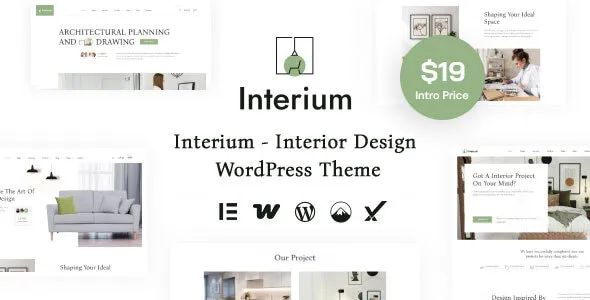
Interium – Interior Design & Architecture WordPress Theme
Interium – Interior Design & Architecture WordPress Theme is a website design solution for interior designers, architecture studios, home renovation companies, decorators, and creative professionals who want to showcase their projects through a polished online presence. A professional design website helps businesses present their creative vision, explain their services, highlight completed projects, and build confidence among potential clients. With WordPress as its content management foundation, Interium can be considered for creating a visually appealing website tailored to the needs of the interior design and architecture industry.
Interior design and architecture businesses depend on visual communication. Prospective clients often want to explore previous projects, understand a designer’s style, review available services, and learn how a project might progress from the initial consultation to completion. A well-organized website provides a convenient place to present this information while communicating the company’s professional identity.
Interium is positioned for interior design and architecture websites, making it a potential starting point for studios that want to combine project presentations with company information, service descriptions, and contact opportunities. Depending on the current theme version and available customization options, the website can be adapted to reflect different design approaches, from contemporary residential interiors to commercial architecture and renovation services. The final capabilities depend on the theme’s documented features, the installed WordPress environment, and any compatible plugins used alongside it.
What Is Interium Interior Design & Architecture WordPress Theme?
Interium is an interior design and architecture WordPress theme intended for businesses and professionals who want to present their creative work through a dedicated website. An industry-focused theme can provide a useful visual foundation for organizing project galleries, design services, company information, and client inquiries.
Interior design studios may need to showcase residential spaces, commercial interiors, furniture arrangements, lighting concepts, and material selections. Architecture firms may focus on building designs, floor plans, construction projects, exterior concepts, and technical expertise. Renovation businesses can use their websites to present remodeling services and examples of completed transformations.
WordPress provides tools for managing website pages, publishing articles, organizing images, and maintaining navigation. The theme determines much of the visual presentation, while specific functionality may depend on its supported features and additional integrations.
For example, an interior design studio could organize its portfolio into residential, hospitality, office, and retail projects. An architecture practice might present completed buildings, conceptual designs, and project case studies. A home renovation company could highlight kitchen remodeling, bathroom upgrades, and full-property transformations.
The exact templates, gallery layouts, editing tools, and compatibility requirements should be checked in the current Interium product demo and documentation before installation.
Modern Design for Interior Design and Architecture Websites
Visual presentation is particularly important for architecture and interior design businesses because clients often assess a studio’s style before making contact. A professional website should allow images and project details to communicate clearly without overwhelming visitors with unnecessary decoration.
Interium can be considered as a starting point for a modern design website that places creative work at the center of the browsing experience. The final appearance will depend on the available layouts, typography, colors, image treatments, and customization settings supported by the installed theme version.
A clean design can help visitors focus on the quality of completed projects. Consistent spacing, readable headings, organized galleries, and straightforward navigation make it easier to explore a studio’s work.
Interior designers may prefer warm tones, natural textures, and photography that emphasizes materials, lighting, and spatial details. Architecture firms may choose a more restrained visual identity that highlights building forms, structural concepts, and project documentation.
The design should support the studio’s brand rather than compete with its portfolio. Avoid excessive animations, crowded sections, and decorative effects that make important information difficult to locate.
Before launching the website, review how project images appear at different screen sizes and ensure that visitors can move naturally from a gallery to a detailed project page or contact section.
Responsive Design for Desktop, Tablet, and Mobile
Potential clients may discover an architecture or interior design studio through a search engine, social media post, recommendation, or shared project link. They may browse the website using a desktop computer, tablet, or smartphone, so the presentation should remain convenient across different devices.
Interium should be evaluated for how its layouts adapt to different screen sizes. Responsive behavior may include reorganizing page columns, resizing images, adjusting navigation, and changing spacing to suit smaller displays. The exact behavior should be verified with the current theme version and website configuration.
Mobile usability is especially important for image-heavy portfolios. Project photographs should remain clear, headings should be readable, and navigation controls should be easy to operate. Visitors should be able to browse completed work without dealing with overlapping elements or awkward horizontal scrolling.
Responsive testing should cover the homepage, service pages, project galleries, case studies, team information, blog articles, and contact forms where applicable.
Custom CSS, gallery plugins, embedded media, and third-party widgets can affect the final layout. Testing these elements after customization helps identify problems before potential clients encounter them.
A consistent browsing experience across devices helps ensure that the studio’s work remains accessible and professionally presented.
Portfolio Showcase for Interior Design Projects
A well-organized portfolio is one of the most valuable parts of an interior design website. It allows potential clients to understand a designer’s creative style, explore different project types, and assess whether the studio’s approach matches their preferences.
Interium can be evaluated for a portfolio structure that presents selected interior design projects through images and supporting descriptions, depending on the available layouts and customization options.
Residential projects may include living rooms, bedrooms, kitchens, bathrooms, dining spaces, and complete home interiors. Commercial projects might feature offices, retail stores, restaurants, hotels, or hospitality environments.
Each project can include a concise description of the client’s objectives, the design approach, the materials selected, and the main challenges addressed. Where appropriate, information about project size, location, or scope can provide additional context, provided the details are accurate and authorized for publication.
High-quality photographs help communicate spatial relationships, textures, lighting, and the overall atmosphere of a completed space. Images should be optimized for website performance while retaining sufficient detail to show the quality of the work.
A carefully selected portfolio is generally more effective than a large gallery of unrelated images. Prioritize projects that demonstrate the studio’s strongest capabilities and reflect the types of clients it wants to attract.
Architecture Portfolio and Building Design Projects
Architecture firms need websites that communicate both visual creativity and professional expertise. A portfolio can help visitors understand a firm’s design philosophy, project experience, and approach to planning and development.
Interium may be suitable for architecture studios that want to showcase residential buildings, commercial properties, office spaces, hospitality projects, renovations, or conceptual designs.
An architecture project page can include exterior photographs, interior views, design renderings, floor plans, and supporting explanations where appropriate. A project summary can describe the objectives, site considerations, design approach, and key features without revealing confidential information.
Architectural work often involves collaboration between designers, engineers, consultants, contractors, and clients. Project descriptions should accurately represent the studio’s role and distinguish completed buildings from concepts or proposed designs.
If a project includes technical drawings or detailed specifications, ensure that the materials are suitable for public display and do not disclose restricted information.
Organizing architecture projects by type, scale, or service can help prospective clients locate examples relevant to their own requirements. A clear presentation also makes it easier for visitors to understand the firm’s range of experience.
Residential Interior Design and Home Styling
Residential interior design focuses on creating living environments that reflect the needs, preferences, and lifestyles of the people who use them. A website can help designers present their approach to space planning, furniture selection, color coordination, lighting, and material choices.
Interium can be considered for residential design studios that want to display completed homes, room makeovers, apartment interiors, or renovation projects.
A residential portfolio may be organized into categories such as living areas, kitchens, bedrooms, bathrooms, apartments, and complete homes. Each category can feature selected projects and descriptions that explain the design objectives and the solutions used.
Potential clients often want to understand how a designer approaches practical challenges, including storage, limited space, natural lighting, circulation, and the relationship between different rooms.
Project descriptions can explain how layout decisions, furniture, finishes, and lighting contribute to the overall design. Where relevant, before-and-after photographs can help illustrate the transformation, provided the images are authentic and authorized for publication.
The website should also make it easy for visitors to learn about the designer’s services and discuss their own projects. Clear information about the consultation process and project scope can help set realistic expectations.
Commercial Interior Design and Office Spaces
Commercial interior design requires careful consideration of a business’s identity, operational needs, customer experience, and the people who use the space. A website can demonstrate how a design studio approaches these requirements through selected projects and service descriptions.
Interium can be evaluated for commercial design portfolios featuring offices, retail spaces, restaurants, hotels, clinics, studios, and other business environments.
An office design project may focus on collaboration areas, meeting rooms, reception spaces, workstations, lighting, and circulation. Retail projects may emphasize product presentation, customer movement, brand identity, and the overall shopping experience.
Hospitality and restaurant interiors often require a balance between atmosphere, functionality, comfort, and practical operational considerations.
Case studies can explain the purpose of a project and describe the design decisions made to address the client’s requirements. Include genuine photographs and relevant project details when permission is available.
Commercial clients may also want to understand the studio’s experience with project coordination, space planning, materials, and design documentation. Present these capabilities accurately and clarify which services the business provides directly.
A well-structured commercial portfolio helps potential clients evaluate the studio’s approach and identify examples relevant to their own properties.
Interior Decoration, Renovation, and Remodeling Services
Interior decoration and renovation businesses need websites that explain their services and demonstrate the quality of their work. Visitors may be looking for help updating a room, renovating an apartment, remodeling a kitchen, or transforming an entire property.
Interium can serve as a potential design foundation for businesses offering interior decoration, renovation planning, remodeling, or related services, depending on the theme’s available layouts and customization options.
Service pages can explain the types of projects the business handles, the general process, and the information clients should prepare before requesting a consultation.
For example, a kitchen remodeling page may describe layout planning, cabinetry, lighting, surfaces, and storage considerations. A bathroom renovation page could introduce material choices, fixture planning, and the importance of coordinating design requirements with relevant trades.
Before-and-after galleries can help communicate the results of completed work. Supporting descriptions should identify the scope of the project and avoid suggesting that the same outcome is guaranteed for every property.
Businesses should also be clear about which services they provide directly and which require external contractors or specialists. Accurate information helps customers understand what to expect before beginning a project.
Homepage Layout and Content Organization
The homepage is often the first major introduction to an architecture or interior design studio. It should communicate the business’s identity, showcase selected work, and guide visitors toward relevant information.
An Interium-based website may be organized around an introductory section, featured projects, a short studio overview, service summaries, client feedback, and contact opportunities, depending on the available theme layouts.
The opening section should communicate the studio’s primary focus. A concise headline can introduce the business, while a carefully selected image helps establish its visual identity.
Featured projects can demonstrate the studio’s capabilities and direct visitors toward detailed case studies. Service summaries can then explain the types of work offered, such as residential design, commercial interiors, architecture, or renovation planning.
An About section can introduce the team’s background and design philosophy. Contact information should be easy to find, especially for visitors who want to discuss a potential project.
Not every homepage needs every possible section. A boutique design studio may prefer a minimal presentation centered on its portfolio, while a larger architecture firm may require more extensive service information and project categories.
The best homepage structure is based on the needs of the target audience and should make important information easy to locate.
Customization and Visual Brand Identity
A design website should reflect the studio’s individual style and professional positioning. Consistent branding helps create recognition and makes the website feel connected to the company’s broader identity.
Depending on the current Interium version and its supported customization tools, the website may be adapted through settings for colors, typography, layouts, spacing, images, and other visual details. The precise options should be confirmed through the product documentation.
A residential interior design studio may choose a warm, understated palette that complements its project photography. An architecture practice might prefer a minimal visual identity that emphasizes geometric forms, strong typography, and structured layouts.
Typography should remain readable across headings, body text, captions, and navigation. A consistent heading hierarchy helps visitors distinguish between project titles, service information, and supporting details.
Photography should be selected carefully. High-quality images that accurately represent the studio’s work are more valuable than generic stock photographs that do not communicate its capabilities.
Before applying extensive customizations, create a backup and consider testing significant changes in a staging environment. This can help reduce the risk of disrupting the live website.
SEO-Friendly Structure for Architecture and Interior Design Websites
Search engine optimization can help interior designers and architecture firms improve the discoverability of their websites. A theme provides a design foundation, but search visibility also depends on content quality, technical configuration, competition, and other factors.
Each important page should have a clear purpose, descriptive title, and useful content. Dedicated pages for architecture, residential interiors, commercial design, and renovation services can help visitors understand the firm’s areas of expertise.
Project pages should include meaningful descriptions rather than relying entirely on images. Explain the project type, design objective, and relevant details that help visitors understand the work.
Descriptive URLs and logical headings can improve content organization. Internal links can connect related projects, service pages, and articles, helping visitors explore the website more easily.
Images should have appropriate alternative text when they communicate useful information. File sizes should also be optimized to support page loading, particularly when galleries contain large photographs.
Compatible SEO plugins may assist with metadata, sitemaps, redirects, and other technical settings, depending on the website’s configuration. Review broken links, indexing issues, and outdated content periodically.
Focus on original, informative content that reflects the studio’s genuine expertise. No theme can guarantee specific rankings, traffic levels, or client inquiries.
Content Marketing and Design Inspiration
Publishing useful articles can help interior designers and architects demonstrate expertise, explain design decisions, and provide inspiration for potential clients.
Interium can be considered for websites that combine portfolios with blog articles, project updates, design guides, and educational content, subject to the available blog layouts and WordPress configuration.
An interior designer might publish articles about choosing materials, planning lighting, selecting color palettes, or making small rooms more functional. An architecture studio could discuss sustainable design principles, space planning, building concepts, or the relationship between form and function.
Content should address real questions and provide useful information rather than exist solely to include search terms. Original examples and practical explanations can help readers understand the studio’s approach.
Articles can link to relevant project pages and service descriptions. For example, a guide about kitchen layouts may direct readers to a portfolio of completed kitchen projects.
Choose a publishing schedule that can be maintained consistently. Review older articles when design recommendations, project details, or business services change.
A thoughtful content strategy can help a studio demonstrate its knowledge while giving visitors additional reasons to explore its work.
Contact Forms and Project Consultation Inquiries
A professional design website should provide a convenient way for potential clients to discuss their requirements. Visitors may want to arrange an initial consultation, request a project estimate, or ask whether a studio handles a particular type of work.
Interium can be configured with appropriate contact links or compatible form solutions, depending on the theme’s features and installed plugins. A working consultation or quotation system should be tested rather than assumed to be included automatically.
A project inquiry form may collect a name, email address, project location, property type, approximate scope, and a brief description of the client’s goals. Request only the information needed to begin the conversation.
Clear field labels and straightforward instructions help visitors complete the form. The website should also provide confirmation after submission and display alternative contact details where appropriate.
Calls to action should match the page context. A residential portfolio page might invite visitors to discuss a home project, while a commercial architecture page could encourage businesses to request a consultation.
Before launch, test form validation, email delivery, spam protection, and confirmation messages. Regular checks help ensure that genuine inquiries reach the right person.
Website Performance and Image Optimization
Architecture and interior design websites often rely on large photographs, project galleries, and visual presentations. These elements can enrich the experience, but they also need to be managed carefully to maintain reasonable loading times.
The performance of an Interium website depends on the theme implementation, hosting environment, image sizes, scripts, plugins, and third-party integrations. A visually appealing layout does not automatically guarantee fast performance.
Optimize images before uploading them. Use appropriate dimensions for each display area and compress files while retaining sufficient visual detail. Avoid loading unnecessarily large versions of images when smaller files can provide the required quality.
Review animations, external widgets, and plugins to determine whether they contribute meaningful value. Unnecessary scripts may increase loading time or introduce compatibility issues.
Test performance across the homepage, portfolio galleries, project pages, service descriptions, and blog articles. Image-heavy pages may require more attention than text-focused sections.
Regular performance reviews can help identify oversized assets and other problems as the website grows. A well-optimized website makes it easier for potential clients to explore a studio’s work.
Accessibility and User-Friendly Navigation
An effective design website should be visually engaging while remaining easy to navigate and understand. Clear page structures help visitors find relevant projects, services, and contact information.
Use descriptive navigation labels such as Projects, Services, About, Insights, and Contact where appropriate. The final menu should reflect the studio’s actual offerings and avoid unnecessary complexity.
Headings should follow a logical hierarchy, text should remain readable, and links should clearly describe their destinations. Meaningful images should have appropriate alternative text, while decorative images should be handled appropriately.
Ensure that buttons and form fields are easy to identify and use. Color should not be the only way important information is communicated, and interactive elements should be reviewed for keyboard accessibility where applicable.
Accessibility testing should cover the complete website, including project galleries, navigation menus, embedded media, and contact forms.
A clear and accessible interface helps more visitors engage with the studio’s work and understand its services.
WordPress Plugins, Integrations, and Maintenance
An architecture or interior design website may use additional tools for SEO, contact forms, analytics, security, backups, caching, and other business requirements. The appropriate setup depends on the website’s objectives and the features already provided by the theme.
Before installing Interium, review the current documentation for supported WordPress versions, required dependencies, customization options, and any recommended plugins.
A form plugin may support project inquiries, while an SEO tool can help manage metadata and sitemaps. Analytics tools can provide insights into visitor behavior, subject to applicable privacy requirements.
Advanced functions such as appointment scheduling, client portals, project management, online payments, or automated quotation systems generally require suitable integrations or custom development unless they are explicitly included and documented.
Choose reputable plugins and check compatibility before installation. Avoid adding overlapping tools that perform the same task without a clear reason.
Maintain regular backups and update WordPress, the theme, and compatible plugins carefully. Review project pages, contact details, service descriptions, and navigation links periodically to keep the website accurate and dependable.
Who Should Use Interium Interior Design & Architecture WordPress Theme?
Interium may be suitable for a variety of professionals and businesses working in architecture, interiors, and property improvement.
Interior designers: Present residential and commercial design projects, creative concepts, and professional services.
Architecture firms: Showcase building projects, design concepts, architectural photography, and studio expertise.
Home decorators: Display styling projects, color schemes, furniture arrangements, and decoration services.
Renovation companies: Present remodeling projects, renovation services, and before-and-after examples.
Commercial design studios: Highlight offices, retail interiors, hospitality spaces, and other business environments.
Furniture and styling professionals: Present selected projects and explain how furniture, lighting, and materials contribute to a space.
Property developers: Introduce selected developments and collaborate with architecture or interior design professionals, where relevant.
Freelance design consultants: Create a personal portfolio featuring experience, project examples, services, and contact details.
The best choice depends on the website’s intended purpose and the theme’s verified capabilities. Review the current demo, documentation, responsive behavior, and available customization tools before selecting it for a live project.
Tips for Building an Effective Website with Interium
A successful architecture or interior design website needs more than attractive imagery. It should communicate the studio’s strengths, provide useful project information, and make it easy for potential clients to take the next step.
Begin by defining the main objective of the website. Determine whether the priority is to attract residential clients, present commercial architecture projects, promote renovation services, or build recognition for a design studio.
Select portfolio projects that represent the type of work you want to attract. Use clear photographs and concise descriptions that explain the project’s purpose, scope, and design approach. Make sure that images and project details are authorized for publication.
Create dedicated service pages for the main offerings. Explain what each service involves, who it is intended for, and how potential clients can discuss their requirements.
Maintain a consistent visual identity through typography, colors, image selection, and page layouts. Replace placeholder content with accurate business information and genuine project examples.
Before launch, test the website across different screen sizes. Review loading speed, image presentation, navigation, accessibility, contact forms, and all important links.
Finally, update the portfolio as new projects are completed and review existing content regularly. A maintained website provides a more accurate representation of the studio’s current capabilities and professional direction.
Final Thoughts on Interium – Interior Design & Architecture WordPress Theme
Interium – Interior Design & Architecture WordPress Theme is a potential website foundation for interior designers, architecture firms, decorators, renovation businesses, and other professionals who want to present their work through WordPress.
A well-planned website can combine an engaging portfolio, clear service descriptions, company information, project case studies, and convenient contact opportunities. Residential studios can focus on interior transformations, while architecture firms may emphasize building design, project documentation, and professional experience.
The final appearance and functionality depend on the theme version, its documented features, available customization options, and compatible plugins. Reviewing the current product information and testing the required layouts helps determine whether Interium is appropriate for a particular project.
Long-term results also depend on original content, image optimization, mobile usability, search optimization, accessibility, and regular maintenance. A theme alone cannot guarantee new clients or improved search rankings, but it can provide a useful foundation for presenting creative work professionally.
For studios seeking an industry-focused WordPress design, Interium can be evaluated as part of a broader branding and digital marketing strategy. With high-quality project presentations, accurate service information, consistent visual design, and ongoing updates, a professional website can help communicate creative expertise, build credibility, and support business development.