My Account
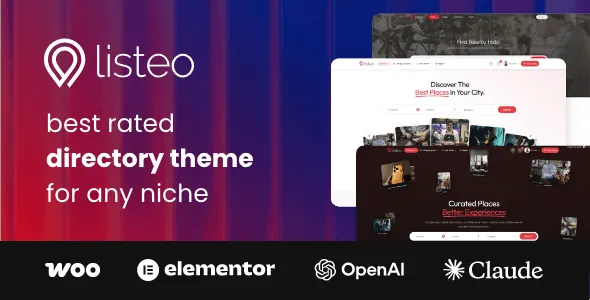
Listeo – Directory & Listings With Booking – WordPress Theme
Listeo – Directory & Listings With Booking – WordPress Theme is a versatile website solution designed for entrepreneurs, business owners, marketplace operators, and service providers who want to build a professional online directory with listing and booking capabilities. Created for projects that connect visitors with businesses, places, professionals, rental properties, and local services, Listeo provides a foundation for organizing searchable listings and helping users discover relevant options through a structured online platform. Whether you are planning a local business directory, an accommodation listing website, a service booking marketplace, or a platform for discovering activities and experiences, this WordPress theme can help you develop a website tailored to your business objectives.
Online directories have become useful resources for people searching for services, venues, accommodation, professionals, and experiences in specific locations. Instead of browsing multiple websites individually, visitors often prefer a centralized platform where they can compare available options, explore listing details, review photographs, and contact a provider or make a booking. A well-organized directory website can make this process easier while providing participating businesses with an additional channel for online visibility.
Listeo combines the concept of searchable directories with booking-oriented functionality, making it relevant to projects that need more than a conventional business website. With appropriate configuration and customization, website owners can organize listings into categories, provide search and filtering options, present detailed business profiles, and create a convenient visitor journey from discovery to inquiry or reservation. The exact capabilities available depend on the theme version, included components, configuration, and any additional plugins required.
Modern Design for Directory and Listing Websites
A directory website needs a clear structure that allows visitors to find relevant listings without unnecessary complexity. Listeo is designed around the directory and listing website concept, providing a starting point for creating an organized online platform where businesses, properties, venues, and services can be presented in a consistent format.
A professional listing website may include a homepage search area, featured listings, category sections, location-based discovery, and links to individual listing pages. These elements help visitors move from a general search to a more specific result based on their interests or requirements.
The visual presentation can be adapted to match the platform’s identity. Website owners may customize branding elements, typography, imagery, content, and supported layouts to create a consistent experience. A travel directory might use destination photography, while a professional services directory could focus on business profiles, service descriptions, and contact information.
An effective directory design should prioritize usability. Visitors need to understand how to search, what information each listing provides, and which actions they can take next. Clear navigation and consistent listing layouts can make a growing directory easier to browse and manage.
Build a Business Directory Website
A business directory helps visitors discover companies, compare services, and locate providers that match their needs. Listeo can serve as a starting point for creating directories featuring local businesses, professional services, retail shops, restaurants, entertainment venues, and other organizations.
Each listing can be organized around important business information, such as the business name, description, location, photographs, operating details, service categories, and contact options. The fields available depend on the theme’s listing configuration and the website’s selected tools.
Businesses can be grouped into relevant categories so that visitors can browse the directory according to their interests. For example, a local directory might include restaurants, home improvement providers, fitness studios, medical service providers, event venues, and professional consultants, subject to the platform’s intended scope and applicable requirements.
A structured directory can benefit both visitors and participating businesses. Visitors gain a centralized way to explore available options, while businesses receive a dedicated profile that communicates their services and important details. Keeping listings accurate and regularly maintained is essential for creating a useful platform.
Listing Website for Local Services
Local service directories help people find providers in a specific city, neighborhood, or service area. Examples include cleaning companies, repair professionals, tutors, photographers, personal trainers, event planners, and other service-based businesses.
Listeo can be adapted for a local services platform where visitors explore providers, review their profiles, and submit inquiries or booking requests where supported. Service pages can explain what each provider offers, which areas they serve, and how customers can arrange an appointment.
Location information is particularly important for local discovery. Depending on the available functionality and configuration, listings may use addresses, location categories, maps, or geographic search features to help users identify relevant businesses.
Website owners should establish clear listing standards so that providers submit useful and accurate information. Guidelines may cover service descriptions, contact details, images, availability, pricing information, and business verification procedures where appropriate.
A focused local directory can become more useful as its listings become more complete, relevant, and trustworthy. Regular review of outdated profiles and broken contact links helps maintain the quality of the platform.
Booking-Oriented Website Functionality
The combination of listings and booking makes Listeo relevant to platforms where visitors need to do more than discover a business. Depending on the supported features and configuration, a website may allow users to check booking information, submit reservations, or arrange services through listing pages.
Booking-oriented directories can serve several business models. An accommodation platform might help visitors explore rental options, while an activity directory could present tours and experiences. A service marketplace may connect customers with professionals who accept appointments.
A well-planned booking process should explain the service, available dates or times where applicable, booking conditions, pricing information, and what happens after a request is submitted. Users should receive clear information about whether a booking is confirmed immediately or requires approval from the provider.
The precise booking workflow should be verified against the current theme documentation. Availability management, payment collection, cancellations, refunds, notifications, and provider-specific rules may depend on the included functionality or additional integrations.
By presenting the booking process clearly, website owners can reduce confusion and help visitors make informed decisions.
Create a Rental and Accommodation Directory
Rental and accommodation directories allow visitors to explore places to stay and compare available options according to location, property type, amenities, price, and other relevant criteria. Listeo can be considered for a website focused on holiday rentals, guest accommodation, apartments, vacation properties, and similar listing categories.
A property listing can include photographs, a description, location details, sleeping arrangements, available facilities, booking conditions, and contact information. The actual fields and reservation options depend on the site’s configuration and supported booking features.
A useful accommodation directory should make property information easy to understand. Visitors may want to know the property’s capacity, included amenities, check-in arrangements, additional charges, and cancellation terms before requesting a reservation.
Property owners or listing administrators should review submissions to ensure that descriptions and photographs accurately represent each accommodation option. Pricing and availability should be maintained regularly if the platform offers reservation functionality.
For projects involving payments or real-time availability, website owners should confirm which functions are included and whether a compatible booking or payment integration is necessary.
Service Marketplace for Professionals
A professional service marketplace connects customers with providers who offer specialized skills or services. Potential categories include consultants, designers, instructors, repair specialists, photographers, wellness professionals, and other independent service providers.
Listeo can be customized as a directory where professionals present their profiles, describe their services, and provide information that helps potential customers evaluate their suitability. Depending on the website setup, visitors may be able to submit inquiries or use supported booking workflows.
A professional profile may include a biography, areas of expertise, service descriptions, photographs, service locations, availability information, and contact details. Additional profile fields can be considered where supported by the listing system.
For a marketplace, clear expectations are essential. Website owners should establish rules for profile submissions, prohibited content, provider responsibilities, customer communication, and dispute handling.
A well-organized directory can help customers discover relevant professionals while giving providers a structured way to present their work. The platform’s long-term value depends on the relevance of its listings, the accuracy of its information, and the quality of the user experience.
Search and Filtering for Better Discovery
Search functionality is one of the most important parts of a directory website. Visitors generally arrive with a goal, such as finding a restaurant, locating a service provider, exploring a rental property, or comparing businesses in a particular area.
Listeo’s directory-oriented concept makes search and listing discovery central to the website experience. Depending on the supported features, website owners may be able to configure search fields, listing categories, location options, and filters that help visitors narrow their results.
A directory covering many industries should use logical categories and meaningful filters. For example, an accommodation directory might organize listings by property type and location, while a professional services directory may focus on service category and geographic coverage.
Search forms should remain easy to use on mobile devices. Important fields should be clearly labeled, and filters should help users refine their results without making the process unnecessarily complicated.
The usefulness of search depends on the quality of the listing data. Consistent categories, accurate locations, and complete descriptions help visitors find relevant results and reduce the likelihood of frustrating searches.
Listing Categories and Organized Content
A growing directory needs a consistent way to organize its content. Without a clear category structure, visitors may struggle to locate the right listings, and administrators may find the platform difficult to maintain.
Listeo can be configured around categories that reflect the website’s purpose. A travel directory might include accommodation, tours, attractions, and activities. A local business directory could feature restaurants, shops, personal services, and professional firms.
Category names should be clear and distinct. Too many overlapping categories can create confusion, while overly broad categories may make it difficult for users to narrow their search. Website owners should establish a structure that reflects how visitors naturally think about the businesses or services they need.
Where supported, subcategories can provide additional organization without making the main navigation overwhelming. Listing forms should also guide providers toward the most appropriate category.
A carefully planned taxonomy supports navigation, content consistency, and search engine optimization while making the directory easier to expand as new listing types are introduced.
Individual Listing Pages for Businesses and Providers
An individual listing page serves as the primary profile for a business, property, venue, or service provider. It should provide enough information for visitors to understand the offering and decide what to do next.
With Listeo, listing pages can be organized around details such as the listing title, introduction, photographs, location, categories, available services, contact information, and booking-related information where supported.
The layout should help visitors scan important details quickly. A concise introduction can explain the listing’s main offering, while additional sections provide further context. Clear calls to action can guide visitors toward contacting the provider, checking relevant information, or proceeding with a supported booking process.
Listing owners should avoid vague descriptions and incomplete profiles. Useful photographs, accurate business information, and clear service details can help visitors evaluate the listing more confidently.
Administrators may also establish content standards to maintain consistency across the directory. Standardized fields and publishing guidelines make it easier to compare listings and keep the platform organized.
Support User-Submitted Listings
Many directory business models depend on businesses or service providers submitting their own profiles. A self-service listing process can help expand the platform without requiring the administrator to create every listing manually.
Depending on Listeo’s supported functionality and configuration, the website may be set up to accept listing submissions or provide account-based listing management. Website owners should verify the available submission workflow, permissions, and approval options before launching this feature.
A listing submission form should request the information needed to create a useful profile. This may include the business name, category, location, description, images, and contact details. Additional fields should be included only when they support the platform’s purpose.
Moderation is important for directories that accept public submissions. Administrators may need to review new listings, remove duplicate profiles, check submitted information, and address inappropriate or misleading content.
Clear submission guidelines help providers understand the platform’s requirements and reduce administrative effort. A consistent approval process also supports the overall credibility of the directory.
Monetization Opportunities for Directory Owners
A directory website may generate revenue through several business models. The appropriate approach depends on the target audience, the value offered to listing owners, and the services the platform provides.
Potential monetization methods include paid listing submissions, featured placement, premium listing packages, subscription plans, advertising, or commissions on eligible bookings. The availability of specific payment or monetization functions depends on the theme’s capabilities and any additional plugins or integrations.
Paid listings can provide businesses with access to a dedicated online profile, while featured placements may offer greater visibility within selected directory sections. Subscription packages could differentiate the services or promotional options available to participating providers.
Before introducing a paid model, website owners should define the benefits offered by each package and communicate the pricing structure clearly. Billing terms, renewal conditions, refund policies, and listing eligibility should be easy to understand.
If payments are collected online, the platform should use a compatible payment solution and establish appropriate procedures for failed transactions, cancellations, and customer support. Monetization features should be tested carefully before being made available to users.
Reviews, Ratings, and Customer Confidence
Reviews and ratings can help visitors understand other users’ experiences with a business, property, venue, or service provider. When implemented appropriately, these features may add useful context to listing profiles and support informed decisions.
If the chosen Listeo configuration supports review functionality, website owners can establish clear guidelines for how feedback is submitted, displayed, and moderated. Review policies should explain how inappropriate content, spam, conflicts of interest, and disputes are handled.
Authentic feedback is more valuable than inflated ratings or fabricated testimonials. Businesses should not publish misleading reviews or imply that every provider has been independently verified unless a genuine verification process exists.
Directory administrators should also consider the distinction between a customer review and an official endorsement. Clear presentation helps visitors understand the source of information and evaluate it appropriately.
The exact availability and management of ratings or reviews should be confirmed in the current theme documentation. Additional extensions may be necessary for specialized moderation, review reporting, or advanced reputation management.
Responsive Design for Desktop, Tablet, and Mobile
Directory visitors may search for businesses while commuting, traveling, shopping, or making plans away from their computers. A mobile-friendly website helps users access listing details and booking information wherever they are.
Listeo can be configured as part of a responsive website, with attention to readable text, usable navigation, well-positioned search controls, and listing layouts that adapt to different screen sizes.
Mobile usability is particularly important for directories with location-based discovery or booking workflows. Visitors should be able to review a listing, understand the available options, and access contact or booking controls without excessive scrolling or difficult interactions.
Website owners should test the complete user journey on different devices. Search forms, listing filters, image galleries, account pages, and booking steps should all be checked before launch.
Responsive behavior depends on the theme implementation, customization, and supporting plugins. Careful testing helps identify layout problems and ensures that the final website provides a consistent experience across devices.
WordPress Management and Content Administration
WordPress provides an administrative environment for managing website pages, media, settings, and other content. This can be useful for directory owners who need to maintain listing information, publish updates, and manage the platform as it grows.
With an appropriate Listeo setup, administrators can organize the site’s main pages, maintain directory categories, update information, and manage the website’s overall presentation according to the available functionality.
A directory may require additional administrative processes beyond a conventional business website. These can include reviewing submitted listings, handling reported content, checking outdated profiles, managing paid packages, or responding to customer questions.
Administrative permissions should be assigned according to each team member’s responsibilities. Limiting access to the functions required for a role can help reduce mistakes and support more responsible website management.
Before customizing the website extensively, owners should review the theme documentation, available editing tools, and compatibility requirements. A clear management process helps keep the directory accurate and useful over time.
SEO-Friendly Structure for Directory Websites
Search engine optimization can help potential visitors discover directory listings when searching for relevant businesses, locations, services, or experiences. A directory’s organic visibility depends on its content quality, technical structure, usability, and ongoing maintenance.
Listeo can serve as a foundation for an SEO-focused directory when configured with useful listing content and appropriate optimization practices. Listing pages should contain descriptive titles, accurate business information, unique descriptions, and relevant location details where appropriate.
Category pages can also help visitors and search engines understand the site’s organization. For example, a directory may create focused sections for accommodation, local services, restaurants, or professional providers rather than placing every listing into a single broad category.
A compatible WordPress SEO plugin may help manage metadata, XML sitemaps, canonical settings, and other technical SEO tasks. Website owners should also review indexation settings carefully, especially when the platform generates many similar listing or search-result URLs.
Thin, duplicated, incomplete, or outdated listings can reduce the usefulness of a directory. Encouraging detailed and original listing content can improve the overall quality of the website. Search engine rankings are not guaranteed and depend on many factors beyond the theme.
Local SEO and Location-Based Discovery
Location-based searches are especially important for directories featuring businesses, venues, rentals, and services. Visitors may search for a provider in a particular city, neighborhood, or service area rather than looking for a nationwide result.
A Listeo website can be structured to communicate geographic relevance through accurate addresses, location information, descriptive listing content, and appropriate location categories where supported. Businesses can also create useful location-focused pages when they have genuine listings and relevant information for those areas.
Local SEO content should provide real value rather than repeating the same text with different place names. Pages can explain the types of businesses available in an area, link to relevant listings, and help visitors understand the services represented in the directory.
Listing information should remain consistent wherever it is displayed. Outdated addresses, incorrect telephone numbers, and duplicate profiles can create confusion for visitors.
Website owners should verify location data and avoid publishing locations or service areas that have not been confirmed. Accurate geographic information improves the usefulness of the directory and supports a more trustworthy user experience.
Content Marketing for Directory Platforms
Content marketing can help a directory attract visitors who are researching businesses, planning activities, or comparing services. Articles and guides provide opportunities to answer questions that may arise before a user searches for a specific listing.
A directory website built with Listeo can include a blog or resource section featuring local guides, service comparisons, travel inspiration, industry advice, and practical recommendations relevant to its audience.
For example, a local directory could publish guides to neighborhood services, while a travel directory might offer destination information or advice for selecting accommodation. A professional marketplace could publish educational content explaining how to choose a suitable provider.
Articles should provide accurate, helpful information and link naturally to relevant listings. Content that merely repeats keywords or includes unsupported recommendations is less useful than a resource that genuinely helps readers make decisions.
An editorial plan can help the directory maintain a consistent publishing schedule. Existing articles should also be reviewed periodically to ensure that links, locations, and other time-sensitive details remain current.
Integrations and Additional Website Features
A directory platform may need additional tools as its requirements become more advanced. These could include email marketing, analytics, appointment scheduling, payment processing, map services, multilingual content, or connections to customer management systems.
Listeo can be considered as a starting point for an extensible WordPress directory, provided that the required tools are compatible with the theme and the site’s technical setup. Each integration should serve a clear purpose and improve either the visitor experience or the administrative workflow.
For example, analytics can help website owners understand which listing categories attract attention, while email tools may support newsletters or listing-related communications. Payment integrations may be required for premium listings, and map services may be needed for particular location-based experiences.
Advanced features should be verified before development begins. Live availability synchronization, external booking platform connections, complex commission management, and specialized provider dashboards may require additional plugins, third-party services, or custom development.
Website owners should also consider recurring costs, maintenance requirements, data handling, and performance impact before adding integrations.
Website Performance and Maintenance
A directory can contain many listing pages, photographs, search filters, and database records. Maintaining a responsive experience requires attention to hosting, image optimization, caching, and the overall website configuration.
When building a Listeo website, use appropriately sized images, choose hosting suited to the expected traffic, and avoid unnecessary plugins or scripts. Compatible performance tools may help reduce loading times, depending on the site’s setup.
Regular maintenance should include WordPress updates, theme and plugin updates, backups, security reviews, and testing of search and booking workflows. Testing changes in a staging environment can help identify compatibility issues before they affect the live directory.
Website owners should also review outdated listings, broken links, incomplete profiles, and forms that no longer work. For booking-enabled directories, important workflows such as reservations, notifications, and payment processing should be tested periodically.
Performance depends on the complete technical environment rather than the theme alone. A carefully maintained website is better prepared to support a growing collection of listings and an expanding visitor base.
Security and Privacy for Directory Websites
Directory platforms may collect user account details, business contact information, booking requests, and payment-related data through connected services. Protecting this information should be part of the website’s operating plan.
A responsible WordPress setup can include secure hosting, HTTPS, strong administrator passwords, appropriate user permissions, regular backups, and timely software updates. Extensions should be selected carefully and maintained according to their developers’ guidance.
If users can create accounts, submit listings, or make bookings, the website should explain how their information is used and provide appropriate privacy information. Forms should collect only the information needed for the intended purpose.
Payment information should be handled through suitable payment providers rather than stored insecurely on the website. Directory owners should also establish processes for responding to reported listings, suspicious activity, and inappropriate content.
Security depends on the full website configuration, hosting environment, extensions, and administrator practices. The theme should not be treated as a substitute for ongoing security management.
Who Should Choose Listeo – Directory & Listings With Booking – WordPress Theme?
Listeo is relevant to website owners who want to build an online platform centered on searchable listings and booking-related user journeys. Its intended use makes it a potential option for several directory and marketplace concepts.
Suitable project ideas may include:
- Local business directories that help visitors discover nearby providers.
- Accommodation and rental listing platforms for properties and places to stay.
- Activity and experience directories for tours, venues, and recreational services.
- Professional service directories for consultants, freelancers, and specialists.
- Event venue directories featuring spaces and service providers.
- Travel-focused platforms that organize destinations, services, and visitor options.
- Specialized industry directories for businesses operating within a defined sector.
The best implementation depends on the platform’s business model. A directory designed to generate leads may prioritize business profiles and contact forms, while a reservation-based marketplace may need availability management and booking rules.
Before choosing the theme, confirm that its current features match the intended project. Advanced payment, verification, synchronization, or marketplace requirements may need additional tools.
Why Choose Listeo – Directory & Listings With Booking – WordPress Theme?
Listeo offers a directory-focused starting point for building websites that help users discover businesses, explore listings, and access booking-related services. It is relevant to entrepreneurs and organizations that want to develop a searchable online platform instead of a traditional brochure-style website.
Its intended focus supports a range of potential projects, including local business directories, professional service platforms, rental listings, and activity-focused websites. With suitable customization, owners can organize categories, create informative listing pages, establish a consistent brand identity, and guide visitors toward inquiries or reservations.
WordPress provides a content management foundation for updating website pages and maintaining information. Additional plugins or integrations may extend the site’s capabilities when required, depending on compatibility and the available technical setup.
A successful directory depends on more than its visual design. Accurate listings, intuitive search, a clear submission process, responsible moderation, useful content, and dependable maintenance all contribute to a better user experience.
Reviewing the theme’s documentation, supported booking workflows, listing management features, compatibility requirements, and available integrations before implementation can help ensure that it fits the intended business model.
Conclusion
Listeo – Directory & Listings With Booking – WordPress Theme provides a foundation for creating a directory website that connects visitors with businesses, properties, venues, professionals, and services. Its directory-oriented concept makes it relevant to projects that need searchable listings, structured business profiles, and booking-related functionality.
With careful customization, website owners can build a platform that organizes listing categories, presents useful information, supports location-based discovery, and guides visitors toward contacting providers or using available booking workflows. WordPress also provides a practical environment for maintaining website content and expanding the platform as its requirements evolve.
The strongest directory websites combine a clear visual identity with accurate listing data, easy navigation, useful search tools, relevant SEO content, and responsible administration. Booking and monetization capabilities should be verified against the actual theme features and supported integrations before launch.
Whether you are planning a local business directory, a rental listing website, a professional services marketplace, or a platform for discovering activities and venues, Listeo can serve as a starting point for developing a structured online experience that supports your business goals and helps visitors find relevant options.