My Account
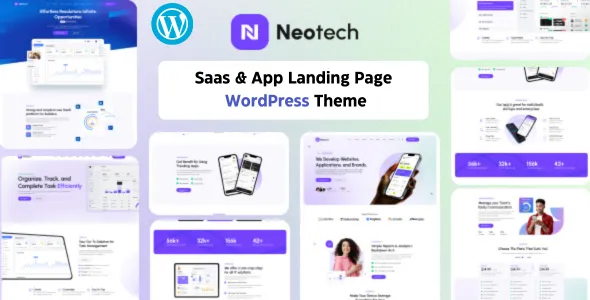
Niotech – Saas & App Landing WordPress Theme
Niotech – Saas & App Landing WordPress Theme is a website design solution for businesses, startups, software developers, and technology companies that want to establish a professional online presence for their SaaS products, mobile applications, and digital services. Designed around the needs of software-focused businesses, a SaaS and app landing theme can provide a structured way to introduce a product, explain its benefits, highlight important features, and encourage visitors to take the next step. Niotech can be considered for projects that need a modern presentation of software solutions, subscription-based services, mobile apps, technology platforms, and innovative digital products.
In a competitive technology market, a website plays an important role in communicating a product’s value. Potential customers want to understand what a product does, which problems it addresses, how it works, and why it may be suitable for their needs. A well-organized landing page helps answer these questions through clear messaging, purposeful sections, attractive visuals, and convenient calls to action. With appropriate customization and relevant content, Niotech can serve as a foundation for creating a product-focused website that supports brand awareness, customer education, and business growth.
WordPress offers a flexible content management system for creating and maintaining website pages, publishing articles, managing images, and organizing navigation. Using a theme designed for SaaS and app landing pages can help businesses develop a consistent visual identity while presenting their products in an accessible format. The final capabilities and available design options depend on the installed theme version, its documentation, and any compatible plugins or page-building tools. Reviewing these details before installation helps ensure that the theme aligns with the requirements of the intended website.
What Is Niotech SaaS & App Landing WordPress Theme?
Niotech is a WordPress theme positioned for SaaS businesses, software companies, application developers, and technology-oriented projects that need a dedicated online presentation. Unlike a general business website that may cover many unrelated services, a product landing page focuses attention on a particular application, platform, or digital solution.
A SaaS company can use this type of website to explain its software, introduce its main features, describe available plans, and direct potential customers toward a trial, demonstration, or registration process. An app developer may present application capabilities, supported use cases, interface previews, and download information. A technology startup can introduce its product concept, communicate its value proposition, and provide contact options for interested users or business partners.
The main objective is to make the product understandable. Visitors should not have to search through multiple unrelated pages to discover what the software does or how it may help them. A focused structure makes the message easier to follow and gives users a clearer path toward the information they need.
The precise page layouts, design controls, demo content, and integrations available with Niotech should be confirmed through its current product listing and documentation. Website owners should also distinguish between a theme’s presentation features and the actual software functionality required to operate a SaaS platform.
Modern Website Design for SaaS Businesses
Software companies need websites that communicate innovation without sacrificing clarity. A modern design can help explain complex products, organize technical information, and create a consistent experience for visitors with different levels of technical knowledge.
Niotech can be evaluated for a SaaS website that presents a product introduction, feature summaries, visual demonstrations, customer benefits, pricing information, and contact opportunities. The exact arrangement will depend on the theme’s supported layouts and the customization options available in the installed version.
A clear introductory section can establish the main value proposition. Instead of relying on vague marketing statements, businesses should explain what their product helps users accomplish. Supporting text can identify the intended audience and describe the most relevant benefit.
Visual consistency also matters. A coherent color palette, readable typography, appropriate spacing, and consistent button styles can make the website easier to navigate. Product screenshots, interface previews, and carefully selected illustrations can help visitors understand the software before they sign up or request further information.
The goal is not simply to make a website look modern. The design should help visitors understand the offering, evaluate its relevance, and move naturally through the decision-making process.
SaaS Product Landing Pages
A dedicated landing page provides a focused introduction to a software product. It can explain the product’s purpose, highlight its advantages, and encourage visitors to explore a trial, request a demonstration, or learn more.
Niotech may be suitable for building landing pages for subscription software, productivity platforms, business applications, marketing tools, project management products, and other digital services.
A useful landing page typically begins with a concise headline and supporting description. These elements should explain the product’s primary purpose without overwhelming visitors with technical details. A clear call to action can then direct users toward the next relevant step.
Additional sections can provide more detail about product capabilities, common use cases, interface design, customer benefits, and frequently asked questions. Where appropriate, businesses may also include pricing information, integration details, customer testimonials, and links to documentation.
Each section should contribute to the visitor’s understanding of the product. Repeating the same claims in different areas can make the page feel unnecessarily long, while omitting essential details may leave potential customers uncertain.
A well-planned landing page balances concise communication with sufficient evidence and information to help visitors make an informed decision.
Website Solutions for Mobile Applications
Mobile app developers need a central place where potential users can discover an application and understand its purpose. A dedicated website can explain the app’s main features, demonstrate its interface, answer common questions, and direct visitors to the appropriate download or registration destination.
Niotech can be considered for application landing pages covering productivity tools, business apps, lifestyle applications, educational platforms, communication tools, and other mobile-first products.
An app-focused page can introduce the main user problem, explain how the application addresses it, and display representative interface screenshots. Short descriptions of key features can help visitors understand the experience without requiring them to install the application first.
If the app is available through official app stores, the website can provide accurate links to the relevant listings. Businesses should ensure that these destinations correspond to the correct application and supported operating systems.
Application websites may also include information about account creation, supported devices, privacy practices, subscription options, and customer support. These details can help users determine whether the app meets their expectations.
The theme provides a website presentation layer; app functionality, account management, payments, and data processing must be supplied by the application or compatible services rather than assumed to be included in the WordPress theme.
Landing Pages for Technology Startups
Technology startups often need a professional website before their product or service becomes widely known. A focused landing page can introduce the business, communicate its mission, explain its solution, and give potential customers or partners a way to make contact.
Niotech can be evaluated for startup websites involving software development, cloud applications, AI-powered services, digital platforms, workflow automation, and other technology-related offerings.
An effective startup homepage should quickly explain what the company provides and who may benefit from it. Supporting sections can introduce the problem being addressed, explain the product approach, and outline the key reasons a visitor may want to learn more.
Early-stage businesses can use a landing page to collect legitimate inquiries, invite users to join a waiting list, request feedback, or arrange product demonstrations. These processes may require suitable form plugins or external services, depending on the intended setup.
Startups should avoid presenting planned functionality as though it is already available. Clear descriptions of current capabilities, development status, and product availability help establish realistic expectations.
As the business grows, the website can evolve to include additional product pages, company information, resources, case studies, and customer support content.
Highlight Product Features and Benefits
Visitors need to understand how a software product works and why its features matter. A feature section should therefore explain more than the name of a tool or technical capability. It should connect each feature to a practical user need.
A SaaS landing page built with Niotech may include sections describing workflow automation, collaboration, analytics, reporting, integrations, customization, or other capabilities relevant to the actual product.
For example, a project management platform might explain how it helps teams organize tasks and monitor progress. An analytics application could describe the reports it generates and how users can interpret the results. A business automation tool might show how it reduces repetitive manual work.
Feature descriptions should be specific, accurate, and easy to scan. Short headings, concise paragraphs, and relevant visuals can help users compare different capabilities without reading large blocks of technical text.
Screenshots and interface previews are particularly useful when they demonstrate a real product experience. Businesses should avoid using unrelated stock images or misleading mockups that create an inaccurate impression of the software.
By connecting features with practical outcomes, a landing page can help visitors understand the product’s relevance to their work or personal needs.
Pricing Plans and Subscription Information
Pricing is an important consideration for many SaaS customers. Visitors often want to understand the available plans, the differences between them, and whether a product fits their budget before creating an account.
Niotech can be considered for a product website that presents pricing information alongside its main features and benefits. The availability of dedicated pricing layouts or pricing-table elements should be verified in the current theme documentation.
A useful pricing section explains what each plan includes, who it is intended for, and whether billing occurs monthly, annually, or according to another arrangement. If a free plan or trial is available, its limitations and conditions should be described clearly.
Businesses should also explain relevant usage limits, additional charges, cancellation terms, and important subscription conditions where applicable. Transparent information helps visitors compare options and reduces confusion during the purchase process.
Displaying pricing information on a WordPress page does not automatically create a working subscription system. Payment processing, recurring billing, account provisioning, and subscription management may require a dedicated SaaS backend, payment provider, or compatible plugin.
Before publishing pricing details, ensure that the figures and plan descriptions match the actual product offering. Accurate information is more valuable than promotional claims that customers may later find misleading.
Responsive Design for Desktop and Mobile Users
Visitors may discover a SaaS product on a smartphone, explore its features on a tablet, and return later from a desktop computer. A website should remain usable and visually consistent across these different screen sizes.
As a responsive WordPress theme, Niotech is intended for projects where the presentation needs to adapt to different devices. Website owners should still test the actual implementation rather than assuming every page and third-party element will behave correctly automatically.
On smaller screens, headings should remain readable, navigation should be easy to operate, and buttons should have sufficient space for comfortable interaction. Text should not extend beyond the visible screen, while images and interface previews should scale appropriately.
Long feature sections, comparison tables, embedded videos, and forms can require additional attention. Custom CSS, external widgets, and plugins may affect responsive behavior, even when the underlying theme provides responsive layouts.
Testing should cover the complete website, including the homepage, product features, pricing information, blog pages, and contact forms. Reviewing common device sizes helps identify layout problems before visitors encounter them.
A consistent mobile experience supports usability by allowing visitors to understand the product and reach important information without unnecessary friction.
Customization and Brand Identity
A SaaS website should reflect the identity of the business behind the product. Consistent branding helps visitors recognize the company and creates a more professional experience across landing pages, product information, and supporting content.
Depending on the theme’s documented capabilities, Niotech may offer a foundation that can be customized to match a company’s preferred colors, typography, imagery, and layout requirements. The specific controls and editing workflow should be checked before selecting the theme for a project.
A software company serving enterprise customers may prefer a restrained visual style with clear typography and structured information. A consumer application might use brighter colors and more expressive imagery. A developer-focused product may prioritize technical screenshots, documentation links, and detailed feature explanations.
Consistency is important across the entire website. Headings, body text, links, buttons, icons, and illustrations should follow a recognizable design system.
Brand assets should also be used appropriately. A logo should remain clear at different sizes, product screenshots should represent the real interface, and illustrations should support the message rather than distract from it.
Before making extensive customizations, determine which design options are controlled by the theme, the WordPress editor, or any compatible page-building tools. Backups and a staging environment can help reduce risk when testing substantial changes.
SEO-Friendly Structure for SaaS Websites
Search engine optimization can help potential customers discover a SaaS product through relevant search queries. A suitable theme can provide the visual foundation for a website, but organic visibility depends on many factors, including content quality, technical implementation, competition, and search intent.
A strong SEO strategy starts with a clear website structure. Each page should have a defined purpose and address a relevant topic, such as a product feature, a specific use case, an industry solution, or a common customer question.
For example, a business software provider may create separate pages for team collaboration, workflow automation, analytics, and integrations if these are genuine product capabilities. These pages can explain the relevant benefits in greater detail than a general homepage.
Descriptive page titles, useful headings, logical internal links, and readable URLs help organize website content. Image alternative text should accurately describe meaningful visuals, while optimized image files can support efficient loading.
A compatible SEO plugin may help manage metadata, XML sitemaps, canonical settings, and other technical elements. Website owners should also monitor indexing, broken links, duplicate content, and page performance.
Content should be written for users rather than search engines alone. Natural keyword use and detailed, original explanations are preferable to repetitive wording. Neither a WordPress theme nor an SEO plugin can guarantee a particular ranking or amount of traffic.
Content Marketing and Product Education
Content marketing can help SaaS businesses explain their products, demonstrate expertise, and answer questions that potential customers may have before making a decision.
WordPress provides publishing tools for articles, tutorials, announcements, and other educational content. Niotech can be evaluated for a website that combines a product landing page with a blog or resource section, subject to the layouts available in the installed version.
A software company might publish setup guides, workflow recommendations, product updates, troubleshooting advice, or explanations of industry concepts. These resources can help users understand the problem the product addresses and determine whether the solution is relevant to their needs.
Useful content should be accurate and practical. Tutorials should reflect the current product interface, while feature articles should distinguish available capabilities from planned improvements. Outdated screenshots and incorrect instructions can create confusion.
Internal links can connect educational articles with relevant product pages, feature explanations, or support resources. This helps visitors explore related information without having to start a new search.
A manageable publishing schedule is generally more sustainable than producing large amounts of repetitive material. Focus on answering genuine questions and maintaining content quality as the product evolves.
Conversion-Focused Calls to Action
A product landing page should help visitors understand what to do next. Depending on the business model, the desired action may be starting a free trial, requesting a demonstration, creating an account, downloading an application, subscribing to updates, or contacting the sales team.
Niotech can be considered for a landing page that places calls to action within relevant sections of the product presentation. Their visual treatment and wording should be consistent, clear, and aligned with the actual next step.
A primary call to action should use direct language. Labels such as “Request a Demo,” “Explore Features,” or “Download the App” are useful when they accurately describe the destination or action.
The surrounding content should explain why the action may be valuable. A demonstration request, for example, can be accompanied by a short explanation of what prospective customers will see or learn.
Avoid placing too many competing buttons in the same area. Visitors should be able to identify the most relevant next step without being distracted by several equally prominent options.
Any form, registration workflow, or external link associated with a call to action should be tested before launch. A visually appealing button is only useful if its destination works as expected.
Integrations and WordPress Plugin Compatibility
A SaaS landing website may require additional tools for contact forms, analytics, SEO, email marketing, security, backups, caching, or other business processes. The correct combination depends on the website’s requirements and the functionality already available in the selected theme.
Before installing plugins with Niotech, review compatibility with the current WordPress version and the theme’s documented requirements. It is also useful to check plugin maintenance, support, documentation, and licensing information.
A contact form plugin may help collect inquiries, while an analytics solution can provide insights into visitor behavior. Email marketing integrations may support newsletter subscriptions, and an SEO plugin can help manage selected search-related settings.
Some SaaS websites also need external payment systems, customer relationship management tools, scheduling services, or product registration workflows. These functions should be evaluated separately because they may require third-party services or custom development rather than a theme setting.
Avoid installing multiple plugins that perform the same function without a clear reason. Overlapping extensions can increase maintenance work and introduce compatibility or performance problems.
After adding or updating an integration, test the affected pages and workflows. Particular attention should be given to form submissions, mobile layouts, external links, and any process that collects customer information.
Website Speed and Performance Optimization
Website performance affects how quickly visitors can access product information and interact with a landing page. Slow loading can interrupt the experience, especially for users on mobile devices or slower internet connections.
The performance of a Niotech website depends on its hosting environment, theme implementation, images, fonts, scripts, plugins, and external services. A responsive design does not automatically guarantee fast performance, so testing is an important part of development.
Start by using appropriately sized images and compressing large visual assets. Product screenshots should retain enough detail to be useful without unnecessarily increasing page weight. Decorative animations and third-party scripts should be reviewed to determine whether they contribute meaningfully to the experience.
Caching and image optimization tools may help, depending on the site’s configuration. Reliable hosting and careful plugin selection also contribute to a more maintainable setup.
Test important pages rather than checking only the homepage. Feature-heavy sections, pricing tables, embedded media, and external integrations may affect performance differently.
Regular reviews help identify unnecessary assets and inefficient configurations as the website grows. Performance monitoring also provides a practical way to evaluate whether changes have improved or reduced the visitor experience.
Accessibility and User-Friendly Navigation
A professional SaaS website should make information accessible and easy to understand. Clear navigation, readable text, sufficient color contrast, descriptive links, and properly labeled forms help visitors interact with the website more confidently.
When configuring Niotech, use a logical heading hierarchy and meaningful link labels. Images that communicate product information should have appropriate alternative text, while decorative images can be handled according to accessibility best practices.
Navigation menus should prioritize the pages visitors are most likely to need, such as Product, Features, Pricing, Resources, About, and Contact. The exact menu should reflect the website’s real content rather than include unnecessary sections.
Buttons and other interactive elements should be easy to identify and operate. Forms should clearly explain which fields are required and provide understandable error messages when information is missing or invalid.
Accessibility should be reviewed across desktop and mobile layouts. Keyboard navigation, focus visibility, text readability, and form usability deserve particular attention.
A theme can provide a starting point, but accessibility depends on the selected components, content, and configuration. Testing and regular review help maintain a usable experience as the website changes.
Security and Ongoing Website Maintenance
A WordPress website needs regular maintenance to remain reliable. Even a carefully designed SaaS landing page can develop problems if its software, plugins, content, and administrative access are not reviewed.
Website owners should use reputable hosting, enable HTTPS, apply strong account security practices, and assign appropriate user permissions. WordPress, the theme, and installed plugins should be updated carefully after checking compatibility and creating suitable backups.
Themes and extensions should be obtained from trustworthy sources. Unused plugins and themes should be removed when appropriate, and website owners should understand how to restore backups if a technical issue occurs.
If the website collects customer inquiries or other personal information, the business should review the relevant privacy, data-handling, and consent requirements for its audience and operating locations.
Maintenance should also include content checks. Pricing, product features, screenshots, download links, company details, and support information should remain accurate as the product develops.
A planned maintenance routine helps reduce avoidable problems and supports a dependable online presence.
Who Should Consider Niotech SaaS & App Landing WordPress Theme?
Niotech may be worth evaluating for several types of digital businesses and product-focused projects.
SaaS companies: Businesses offering subscription-based software can introduce their products, explain key capabilities, and direct visitors toward relevant registration or inquiry options.
Mobile app developers: App creators can present application features, showcase interface previews, and provide links to official download destinations.
Technology startups: Early-stage companies can establish a professional website to explain their ideas, communicate their value proposition, and collect legitimate inquiries.
Software development companies: Development teams can present software products, explain technical services, and introduce selected projects or solutions.
AI and automation businesses: Companies offering AI-powered tools or workflow automation software can explain their actual capabilities and demonstrate relevant use cases.
Productivity software providers: Businesses developing collaboration, scheduling, reporting, or task management tools can organize their product information around customer needs.
Digital product businesses: Companies offering online tools and other digital solutions can create focused pages that describe their offerings and guide visitors toward the next step.
Established technology brands: Existing businesses can use a dedicated product website to support a new application, feature release, or software offering.
Suitability depends on the project’s requirements and the theme’s verified capabilities. Before installation, review the product demo, documentation, responsive layouts, editing options, and plugin compatibility.
Tips for Creating an Effective Website with Niotech
A successful landing page begins with a clear understanding of its purpose. Decide whether the main goal is to generate trial registrations, promote an application, request sales inquiries, or explain a new software product.
Prepare the core content before spending too much time on visual customization. Write a concise product introduction, identify the intended audience, list the actual features, and explain the benefits that matter most to potential customers.
Use genuine product screenshots and relevant visual assets. A visitor should be able to connect the website’s claims with the product experience. Avoid exaggerated promises, unsupported performance figures, or statements about capabilities that are not available.
Organize the page so that visitors can move from understanding the product to exploring its features and taking a suitable next step. Keep navigation simple and make important information easy to find.
Test the website on different screen sizes and browsers. Check page loading, text readability, navigation, calls to action, contact forms, and external destinations before launch.
Finally, establish a maintenance routine that includes backups, software updates, performance reviews, and content updates. A landing page should evolve alongside the product, ensuring that its messaging and information remain accurate.
Final Thoughts on Niotech SaaS & App Landing WordPress Theme
Niotech – Saas & App Landing WordPress Theme is a potential option for SaaS businesses, mobile application developers, technology startups, and software companies looking for a WordPress-based product website. Its SaaS and app landing focus makes it relevant to projects that need to introduce a digital offering, communicate important features, and guide visitors toward meaningful actions.
A well-planned website can combine clear product messaging, responsive layouts, consistent branding, feature explanations, pricing information, and appropriate calls to action. Additional content, such as tutorials, FAQs, and product updates, can help visitors understand the offering and find answers to common questions.
The actual capabilities of a Niotech website depend on the theme version, its documented features, available customization tools, and compatible plugins or external services. Features such as account registration, recurring payments, customer dashboards, and software delivery should be verified separately rather than assumed to be included with the theme.
Long-term results also depend on useful content, sound SEO practices, accessibility, website performance, security, and ongoing maintenance. No theme can guarantee search rankings, conversions, or business growth, but a suitable design foundation can help present a digital product in a clear and professional way.
For businesses seeking a dedicated website for software or applications, Niotech can be evaluated as part of a broader digital marketing and product presentation strategy. With accurate information, thoughtful customization, and regular testing, a product-focused WordPress website can support customer education, brand recognition, and communication with potential users.