My Account
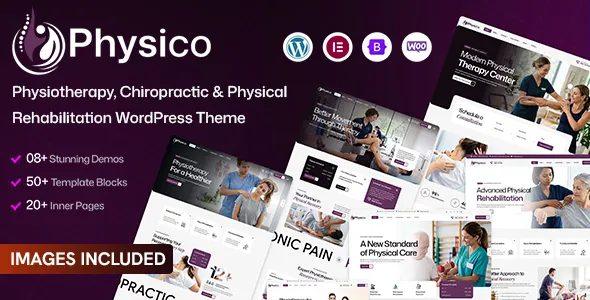
Physico – Physiotherapy, Chiropractic & Physical Rehabilitation WordPress Theme
Physico – Physiotherapy, Chiropractic & Physical Rehabilitation WordPress Theme is a healthcare website design solution intended for physiotherapy clinics, chiropractic practices, physical rehabilitation centers, sports therapy facilities, and healthcare professionals who want to establish a professional online presence with WordPress. A well-organized healthcare website helps patients learn about available services, understand treatment approaches, explore practitioner information, and find convenient ways to contact a clinic. Physico can be considered as a starting point for building a website that communicates rehabilitation services, supports patient inquiries, and presents a consistent professional identity.
Physiotherapy and rehabilitation providers often need to explain their services in clear, approachable language. Patients may be looking for support with mobility, physical recovery, posture, joint function, sports-related injuries, or other movement-related concerns. A dedicated website can help visitors understand the types of services a clinic offers and learn how to arrange an appointment. With suitable customization, Physico can support a digital presence tailored to the clinic’s services, audience, branding, and communication goals.
WordPress provides a flexible content management system for publishing service pages, managing practitioner profiles, sharing educational articles, and maintaining contact information. A healthcare-focused theme offers a potential design foundation for organizing this content. The final appearance and functionality of a Physico website depend on the installed theme version, available layouts, customization settings, and compatible plugins. Before installation, website owners should review the current theme demo and documentation to confirm that the supported features meet their requirements.
What Is Physico – Physiotherapy, Chiropractic & Physical Rehabilitation WordPress Theme?
Physico is a WordPress theme focused on physiotherapy, chiropractic care, and physical rehabilitation website projects. It may be suitable for healthcare professionals and clinic owners who need a dedicated online destination to explain their services, introduce their team, and provide useful information for prospective patients.
A physiotherapy clinic may need pages describing movement assessments, therapeutic exercise, mobility support, and rehabilitation services. A chiropractic practice may focus on consultations, musculoskeletal care, and patient education. A physical rehabilitation center may need to explain its approach to recovery, functional movement, and personalized rehabilitation planning.
Physico can be evaluated for these types of websites, depending on its available templates and customization options. A clinic can organize information around its actual services instead of adapting a generic business website to a healthcare setting.
WordPress allows website owners to update text, publish articles, upload images, and manage navigation through an administrative interface. Compatible plugins may extend the website with contact forms, appointment inquiries, or other tools when needed.
The exact layouts, editing options, integrations, and technical requirements should be verified in the current Physico documentation. This helps ensure that the selected configuration is appropriate for the clinic’s needs and WordPress environment.
Modern Website Design for Physiotherapy and Rehabilitation Clinics
A healthcare website should feel professional, welcoming, and easy to navigate. Visitors may arrive while researching treatment options, comparing local clinics, or looking for information about a particular rehabilitation service. A clear layout helps them locate essential information without unnecessary confusion.
Physico can provide a starting point for creating a modern physiotherapy or rehabilitation website. With appropriate customization, clinics can use consistent typography, suitable colors, relevant photography, and organized page sections to establish a recognizable visual identity.
The design should support the clinic’s communication goals. Service summaries can introduce the main areas of care, practitioner profiles can explain professional qualifications, and contact sections can help visitors understand how to make an inquiry.
Healthcare websites should prioritize clarity over decorative complexity. Visitors need to identify important information such as the clinic’s location, operating hours, available services, contact details, and appointment procedures.
When customizing Physico, replace placeholder content with accurate clinic information and relevant images. A carefully structured website can make healthcare information easier to understand while presenting the practice in a professional and approachable manner.
Website Solutions for Physiotherapy Clinics
Physiotherapy clinics provide services that may support movement, mobility, physical function, and recovery following injury or illness. A website can explain these services and help prospective patients determine which information is relevant to their needs.
Physico can be considered for physiotherapy businesses that want to introduce their practice, organize treatment information, and provide clear contact options. Depending on the clinic’s services, pages may cover physiotherapy consultations, therapeutic exercise, mobility rehabilitation, posture education, sports physiotherapy, and recovery support.
Each service page should explain what the service involves and how patients can learn more. Clear descriptions help visitors understand the clinic’s approach without making unsupported promises about results.
For example, a physiotherapy clinic may describe how an initial assessment helps a qualified practitioner understand a patient’s movement concerns and develop an appropriate care plan. A sports physiotherapy page might explain the clinic’s approach to movement assessment and rehabilitation planning.
Clinics should ensure that all treatment descriptions are accurate, reviewed by qualified professionals where appropriate, and consistent with applicable healthcare regulations. Avoid guaranteeing recovery times or presenting general information as a substitute for an individual assessment.
A structured service section makes it easier for patients to explore available options and contact the clinic with relevant questions.
Ideal for Chiropractic Practices
Chiropractic practices often need a website that introduces their services, explains the consultation process, and provides clear information about the professionals working at the clinic. Patients may want to learn about the practice before deciding whether to arrange a consultation.
Physico can be evaluated for chiropractic websites that need service descriptions, practitioner profiles, clinic information, and patient contact opportunities. Depending on the practice’s scope, the website may include information about consultations, musculoskeletal assessments, movement-related concerns, and the services offered by qualified practitioners.
The content should explain the practice’s approach in accessible language. Visitors should be able to understand what a consultation involves, what information they may need to provide, and how to contact the clinic for further guidance.
Chiropractic content should remain accurate and responsible. Avoid suggesting that every patient will experience the same outcome or that a particular service can treat conditions outside its established scope. Any discussion of potential benefits should be appropriately qualified.
Practitioner profiles can include verified qualifications, relevant experience, professional registrations where applicable, and areas of practice. These details help visitors understand the professional background of the people providing care.
With clear service descriptions and accessible navigation, a Physico-based website can help a chiropractic practice communicate its services and provide a useful starting point for patient inquiries.
Physical Rehabilitation Services and Recovery Support
Physical rehabilitation can involve a range of professional services intended to help individuals improve physical function, mobility, strength, balance, or the ability to perform daily activities. Rehabilitation needs differ from person to person, making clear and responsible communication especially important.
Physico may be suitable for rehabilitation centers that need to explain their services and introduce their approach to patient care. Depending on the center’s professional capabilities, service pages may cover rehabilitation assessments, therapeutic exercise, mobility training, post-injury rehabilitation, post-operative rehabilitation, or functional movement support.
A rehabilitation page should describe the service, the types of concerns it may address, and how patients can request further information. It should not imply that every treatment is appropriate for every person.
Clinics can explain that care plans are determined according to individual needs and professional assessment. This helps visitors understand that rehabilitation is not a one-size-fits-all process.
Educational content can also answer general questions about the rehabilitation process, appointment preparation, and the role of supervised exercise. Information should be reviewed for accuracy and should encourage patients to consult qualified professionals about individual concerns.
By organizing rehabilitation services into clear sections, a Physico-based website can make important information easier to locate and help visitors understand the services available at the center.
Sports Physiotherapy and Active Lifestyle Support
Sports physiotherapy services may be relevant to athletes, recreational sports participants, and people who want professional guidance with movement-related concerns. A clinic website can explain its services, introduce its practitioners, and provide information about the assessment and rehabilitation process.
Physico can be considered for sports physiotherapy clinics that want to highlight their experience with active individuals and sports-related rehabilitation. Depending on the services actually provided, pages may discuss movement assessments, exercise-based rehabilitation, return-to-activity planning, and injury prevention education.
A sports physiotherapy page should use practical language that helps visitors understand the service. It may explain how a practitioner evaluates movement, discusses the patient’s goals, and develops an individualized plan where appropriate.
Avoid guaranteeing that an athlete will return to sport by a specific date. Recovery depends on the nature of the injury, individual circumstances, clinical assessment, and adherence to professional guidance.
Clinics may also publish educational articles about warm-up routines, training recovery, movement habits, and the importance of professional assessment when symptoms persist. Such content should be accurate and should not replace personalized medical advice.
With a well-organized presentation, a Physico website can help sports physiotherapy providers explain their services and connect with individuals seeking qualified rehabilitation support.
Professional Profiles for Therapists and Healthcare Practitioners
Patients often want to know who will provide their care before contacting a clinic. Practitioner profiles can introduce the professionals behind the practice and provide useful information about their qualifications, experience, and areas of focus.
Physico can be evaluated for websites that need dedicated sections for physiotherapists, chiropractors, rehabilitation specialists, and other qualified healthcare professionals. The availability of specific profile layouts should be confirmed in the current theme documentation.
A professional profile may include the practitioner’s name, verified qualifications, professional registration where applicable, relevant experience, and areas of practice. A short biography can explain their professional approach and help visitors understand their role within the clinic.
Use recent, appropriate photographs and consistent formatting across profiles. Information should be accurate and updated when team members join, leave, or change their professional responsibilities.
Avoid exaggerated credentials, unsupported specialist claims, or testimonials that imply guaranteed treatment outcomes. Patient testimonials and photographs should only be published with appropriate consent and in accordance with applicable privacy requirements.
Clear practitioner information helps make the website more informative and gives visitors a better understanding of the people providing the services.
Appointment Inquiries and Patient Contact
A healthcare website should make it easy for visitors to ask questions or learn how to arrange an appointment. Clear contact options reduce uncertainty and help patients understand the next step.
Physico may be configured with contact buttons, inquiry forms, and compatible appointment-related plugins, depending on the theme’s supported features and the clinic’s requirements. Before selecting a booking tool, verify its compatibility with the installed WordPress version and the theme.
A basic inquiry form may request a name, contact information, preferred appointment time, and a general reason for contacting the clinic. Avoid collecting detailed medical histories or unnecessary sensitive information through an unsecured form.
If a clinic uses an online booking system, provide clear instructions about available appointment types, confirmation procedures, cancellation policies, and how the clinic handles scheduling requests. Do not imply that an appointment is confirmed until the booking process actually confirms it.
Contact details should be easy to locate on desktop and mobile devices. Include accurate phone numbers, email addresses, clinic location, and operating hours where appropriate.
Test forms and booking integrations before launch. Confirm that submissions reach the correct recipient, confirmation messages work, and any automated scheduling functions behave as expected.
Responsive Design for Mobile and Desktop Visitors
Patients may access a clinic website from a smartphone while searching for local services, or from a desktop computer when comparing providers and reading detailed information. Responsive design helps the website adapt to different screen sizes.
Physico is intended for healthcare website projects, but the responsiveness of the final site should be checked across the pages and components actually used. The result depends on the installed theme version, layout settings, custom styling, and compatible plugins.
On mobile devices, menus should be easy to operate, text should remain readable, and buttons should have enough space for touch interaction. Contact details and appointment options should be easy to locate without excessive scrolling.
Responsive testing should include service pages, practitioner profiles, educational articles, contact forms, and any booking interface. Images and embedded components should fit the available screen width without creating horizontal scrolling or overlapping content.
Custom CSS and third-party plugins may affect the layout, even when the underlying theme supports responsive behavior. Test important pages on multiple screen sizes after making substantial changes.
A consistent mobile experience helps visitors access healthcare information conveniently and supports a professional presentation across devices.
Customization and Healthcare Brand Identity
A healthcare website should reflect the clinic’s identity while maintaining a clear, professional presentation. Visual consistency helps visitors recognize the practice and makes information easier to navigate.
Depending on the available settings and supported tools, Physico may offer ways to customize colors, typography, page layouts, images, spacing, and other design elements. Confirm the precise options in the theme’s current documentation before planning extensive customization.
A physiotherapy clinic may prefer a calm, clean design with clear service sections and welcoming photography. A sports rehabilitation center might use imagery related to movement and active lifestyles, while a multidisciplinary clinic may prioritize practitioner profiles and organized service categories.
Choose a consistent color palette and use readable typography. Maintain a clear hierarchy between page titles, section headings, and body text. Calls to action should be visually distinct without overwhelming the main content.
Use authentic, relevant visuals wherever possible. Images should represent the clinic’s actual environment and services or be carefully selected to avoid misleading visitors about the practice.
Before launch, replace demonstration content with accurate business information. Review every page to ensure that the design, messaging, and contact details represent the real clinic.
SEO-Friendly Structure for Physiotherapy Websites
Search engine optimization helps search engines understand a website and helps people discover relevant information through organic search. A healthcare-focused theme can provide a design foundation, but search visibility also depends on the quality of the content, technical setup, competition, and other factors.
A physiotherapy website should have a logical structure, descriptive page titles, useful headings, and original content that answers common questions. Important services should have dedicated pages when visitors need detailed information about them.
For example, a clinic that offers physiotherapy, sports rehabilitation, and chiropractic services may benefit from separate pages explaining each service. Each page should describe the offering accurately and include appropriate ways to contact the practice.
Use descriptive URLs and natural keyword placement. Search phrases should appear where they fit the subject rather than being repeated excessively. Internal links can connect related service pages, practitioner profiles, educational articles, and contact information.
Images should have suitable alternative text when they convey useful information, and their file sizes should be optimized to support efficient loading. Compatible SEO plugins may assist with meta descriptions, XML sitemaps, canonical settings, and other supported features.
Healthcare content requires particular care. Make sure that educational articles are accurate, clearly written, and reviewed by qualified professionals where appropriate. Avoid unsupported medical claims, misleading guarantees, and exaggerated descriptions of treatment benefits.
No theme can guarantee search rankings or patient inquiries. Physico should be combined with a thoughtful content strategy, sound technical practices, and ongoing website maintenance.
Healthcare Content Marketing and Educational Articles
Educational content can help healthcare providers answer general questions and explain their services to people researching treatment options. A WordPress blog offers a practical way to publish articles alongside clinic information and service pages.
Physico can be considered for clinics that want to publish educational resources, subject to the blog layouts and content options available in the installed theme.
A physiotherapy practice may publish general articles about mobility, exercise habits, posture, or rehabilitation planning. A sports clinic could discuss warm-up practices and the role of supervised rehabilitation. A chiropractic practice might provide general information about consultations and musculoskeletal care.
Articles should be written for the intended audience and use language that is easy to understand. Define technical terms when necessary and organize longer posts with meaningful headings.
Healthcare content should be responsible and evidence-informed. General educational articles should not diagnose readers, recommend individualized treatment without assessment, or suggest that a particular exercise or procedure is appropriate for everyone. Where relevant, encourage readers to seek advice from qualified healthcare professionals.
Review published articles regularly to correct outdated information and ensure that recommendations remain appropriate. Internal links can help readers discover related services and practitioner information without making the content overly promotional.
A useful content strategy prioritizes accuracy, clarity, and genuine value for readers.
Accessibility and User-Friendly Navigation
Accessibility is an important consideration for healthcare websites because visitors may have different visual, motor, cognitive, and other accessibility needs. Clear navigation and readable content help more people use the website effectively.
When configuring Physico, use descriptive menu labels, logical heading structures, and sufficient color contrast. Links should clearly indicate their destinations, and meaningful images should have appropriate alternative text.
Forms should include clear labels and understandable instructions. Error messages should explain what needs to be corrected, while buttons should use descriptive wording such as “Contact the Clinic” or “Request an Appointment” where appropriate.
Avoid relying only on color to communicate important information. Ensure that essential contact details and service descriptions remain accessible on smaller screens and that interactive elements can be used with suitable input methods.
Accessibility depends on the theme, content, and implementation of each component. Automated tools can help identify certain problems, but manual keyboard testing and practical usability reviews are also valuable.
A website designed with accessibility and clear navigation in mind can provide a more welcoming experience for a broader range of visitors.
WordPress Plugins and Healthcare Website Integrations
A healthcare website may need additional tools for contact forms, appointment inquiries, SEO, analytics, security, backups, and performance. The appropriate plugins depend on the clinic’s needs and the features already available in Physico.
Before installing a plugin, check compatibility with the current WordPress version and the theme’s documented requirements. Review the plugin’s documentation, update history, support arrangements, and data-handling practices.
A contact form plugin may support general inquiries, while an appointment tool may help manage scheduling requests. Analytics software can provide information about website traffic, subject to applicable privacy and consent requirements.
Because healthcare websites may handle sensitive information, choose integrations carefully. Collect only the information necessary for the intended purpose, explain relevant privacy practices, and use appropriate safeguards. Avoid sending patient details to third-party services without understanding how those services process and protect the information.
Use reputable backup and security tools, and avoid installing multiple plugins that perform the same task without a clear reason. After adding an integration, test the relevant forms, pages, and mobile layouts.
Careful plugin selection helps maintain a more manageable WordPress website while supporting the clinic’s practical requirements.
Website Security, Privacy, and Ongoing Maintenance
A healthcare website should be maintained carefully to protect its availability, accuracy, and the information visitors submit. A professional theme is only one part of a reliable website; security also depends on hosting, WordPress configuration, plugins, user access, and ongoing maintenance.
Use HTTPS, choose reputable hosting, and protect administrator accounts with strong passwords and appropriate permissions. Keep WordPress, Physico, and installed plugins updated after checking compatibility and creating backups where appropriate.
Collect only necessary information through website forms. Publish an appropriate privacy policy and explain how inquiries are handled. If the website collects sensitive health information or uses third-party booking tools, review the relevant privacy obligations and the provider’s data-handling practices.
Create regular backups and confirm that they can be restored. Remove unused plugins and themes when appropriate, and review administrator access periodically.
Maintenance should also include content reviews. Verify clinic addresses, contact numbers, practitioner profiles, operating hours, service descriptions, and appointment instructions. Outdated information can create confusion for patients and reduce confidence in the practice.
A consistent maintenance routine helps support a reliable online presence and keeps the website aligned with the clinic’s current services and procedures.
Who Should Use Physico – Physiotherapy, Chiropractic & Physical Rehabilitation WordPress Theme?
Physico may be suitable for several types of healthcare and rehabilitation website projects, depending on its documented features and the clinic’s requirements.
Physiotherapy clinics: Practices can introduce their services, explain their approach, present practitioner information, and provide contact options.
Chiropractic practices: Clinics can organize service descriptions, consultation information, professional profiles, and general patient resources.
Physical rehabilitation centers: Rehabilitation providers can explain their services and help visitors understand how to request further information.
Sports physiotherapy facilities: Clinics supporting athletes and active individuals can present relevant services, practitioner expertise, and educational resources.
Multidisciplinary healthcare clinics: Practices offering several movement-related services may use organized pages to help visitors understand the available care options.
Independent physiotherapists: Individual practitioners can create a professional website with a biography, service information, contact details, and educational articles.
Rehabilitation and wellness businesses: Eligible service providers can use a healthcare-focused website structure to explain their actual services and introduce their professional team.
The most suitable choice depends on the required layouts, appointment workflow, content needs, and available integrations. Review the current Physico demo and documentation before installation to confirm that the theme supports the intended project.
Tips for Building a Successful Website with Physico
A successful healthcare website requires accurate information, clear navigation, and a thoughtful approach to patient communication. The theme provides a starting point, but the final result depends on how the website is planned and maintained.
Start by defining the website’s primary goals. These may include introducing the clinic, explaining services, providing practitioner information, answering common questions, or helping visitors submit appointment inquiries.
Prepare accurate content before customizing every page. Gather service descriptions, professional biographies, clinic details, operating hours, contact information, and relevant educational resources. Have clinical content reviewed by appropriately qualified professionals where necessary.
Keep the design consistent. Use a suitable color palette, readable typography, clear headings, and relevant images. Make important contact information easy to locate, especially on mobile devices.
Use responsible healthcare language. Describe services accurately, avoid guaranteed outcomes, and make clear when information is general rather than individualized medical advice.
Before launch, test the website across different screen sizes. Check navigation, contact forms, appointment tools, page speed, readability, and accessibility. Remove all placeholder content and verify that every published detail is correct.
After launch, review the website regularly. Update service information, maintain software, create backups, monitor performance, and refresh educational content when needed. These practices help the website remain useful as the clinic’s services and communication needs evolve.
Final Thoughts on Physico – Physiotherapy, Chiropractic & Physical Rehabilitation WordPress Theme
Physico – Physiotherapy, Chiropractic & Physical Rehabilitation WordPress Theme is a potential website design solution for physiotherapy clinics, chiropractic practices, physical rehabilitation centers, sports therapy providers, and healthcare professionals who want to build a professional online presence with WordPress.
A well-planned healthcare website can combine organized service pages, practitioner profiles, educational resources, clear contact information, and responsive navigation. These elements help visitors understand the clinic’s services and learn how to make an inquiry.
The final capabilities of a Physico website depend on the installed theme version, available templates, customization options, and compatible plugins. Reviewing the current documentation and testing the required layouts before launch helps determine whether the theme meets the project’s needs.
Long-term website quality also depends on accurate healthcare content, accessibility, search optimization, security, privacy practices, and regular maintenance. A theme alone cannot guarantee search rankings, patient bookings, or treatment outcomes, but it can provide a useful foundation for communicating services responsibly.
For healthcare professionals seeking a WordPress theme focused on physiotherapy, chiropractic care, and physical rehabilitation, Physico is worth evaluating as part of a broader website development plan. With thoughtful customization, accurate information, and consistent maintenance, a professional website can help clinics present their services, support patient communication, and maintain a clear digital presence.