My Account
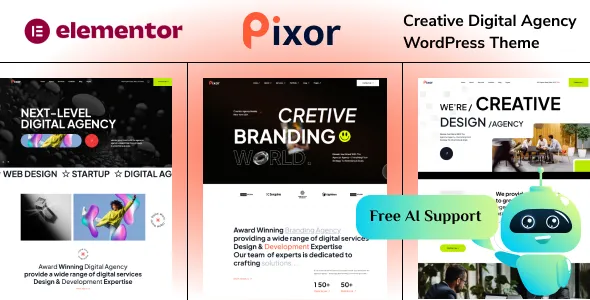
Pixor – Creative Digital Agency WordPress Theme
Pixor – Creative Digital Agency WordPress Theme is a website design solution for digital agencies, creative studios, branding companies, marketing professionals, web development teams, and freelancers looking to establish a distinctive online presence with WordPress. A professional digital agency website should communicate services clearly, demonstrate creative expertise, showcase successful projects, and make it easy for potential clients to explore collaboration opportunities. Pixor can be considered as a starting point for building a visually engaging business website that reflects an agency’s identity and presents its capabilities in an organized way.
In today’s competitive digital landscape, an agency’s website often serves as its primary introduction to prospective customers. Visitors want to understand what the business offers, review examples of previous work, learn about the team’s experience, and determine whether the agency is suitable for their requirements. A well-structured website can bring these elements together through compelling headlines, clear service descriptions, engaging visuals, project showcases, and convenient contact options.
WordPress provides a flexible content management system for managing pages, publishing articles, organizing media, and maintaining business information. With appropriate customization, Pixor can serve as a foundation for presenting creative services, sharing industry insights, developing a professional portfolio, and supporting client communication. The exact layouts, customization controls, and integrations available depend on the installed theme version and its documented features.
What Is Pixor Creative Digital Agency WordPress Theme?
Pixor is a WordPress theme intended for creative and digital agency websites. It can be evaluated by businesses that want to present their expertise, communicate their brand positioning, and showcase their work through a dedicated online platform.
Digital agencies often provide services across several disciplines, including website design, web development, branding, digital marketing, search engine optimization, graphic design, user experience design, and creative strategy. A specialized agency website can organize these offerings into dedicated sections, allowing visitors to understand the available services and find the information most relevant to their goals.
With suitable customization, a Pixor-based website may include a homepage, About page, services section, project portfolio, case studies, team profiles, blog, and contact page. Additional functionality may be possible through compatible plugins, depending on the requirements and the theme’s supported integrations.
A successful agency website should balance visual appeal with practical usability. Visitors need to find important information quickly, understand the agency’s strengths, and have a clear path toward making an inquiry. Reviewing the current Pixor demo and documentation before installation helps confirm whether its available designs and features align with the intended project.
Modern Design for Digital Agencies
A digital agency’s website should reflect the quality and personality of its work. Visual design helps communicate the agency’s approach before visitors read its detailed service descriptions or examine its portfolio.
Pixor can be considered for creating a contemporary agency website with a distinctive visual identity. Depending on the available customization settings, businesses may be able to adapt typography, colors, layouts, spacing, imagery, and other design elements to match their branding.
A technology-focused agency might prefer a clean interface with structured content and modern visual elements. A branding studio could emphasize expressive typography and carefully curated project imagery, while a digital marketing company may prioritize prominent service sections and clear calls to action.
The best design depends on the agency’s target audience and positioning. Businesses working with corporate clients may need a polished and restrained presentation, while creative studios serving startups or lifestyle brands may prefer a more expressive visual style.
Consistency across the website is essential. Use a coordinated color palette, recognizable logo, readable typography, and consistent spacing to establish a cohesive appearance. Every design element should support the content rather than distract visitors from the agency’s services and project examples.
Responsive Design for Every Device
Potential clients may discover an agency through a smartphone search, explore its services on a tablet, or review detailed project case studies on a desktop computer. A responsive website helps make information accessible across different screen sizes.
When evaluating Pixor, test the actual theme version on mobile devices, tablets, and desktop screens. Navigation menus, project grids, image galleries, text sections, and contact forms should remain convenient to use at different viewport sizes.
Mobile visitors should be able to understand the agency’s main offering, browse selected projects, and locate contact details without unnecessary scrolling or complicated navigation. Text should remain readable, images should fit the available space, and buttons should be easy to select.
Larger screens can provide additional room for detailed portfolio layouts, wide visual sections, and expanded service descriptions. Responsive behavior should preserve the website’s overall design identity while adapting the arrangement to different screen dimensions.
Testing should cover all important page types rather than focusing exclusively on the homepage. Portfolio galleries, case studies, blog articles, team profiles, and forms may each require separate adjustments. Third-party widgets and custom styling can also affect the final experience.
A well-tested responsive website helps agencies present their work consistently to visitors using different devices.
Showcase Your Creative Portfolio
A portfolio is one of the most valuable assets for a digital agency because it demonstrates practical experience and gives potential clients a clearer understanding of the agency’s capabilities.
Pixor can be evaluated as a foundation for presenting selected projects through suitable portfolio layouts or dedicated case study pages, depending on the available theme templates. A structured portfolio can help visitors explore the agency’s work without having to search through unrelated content.
A branding agency might showcase logo systems, packaging designs, and visual identity projects. A web development company could feature business websites, landing pages, and digital platforms. A marketing agency may present campaign creatives, advertising materials, content projects, and other relevant deliverables.
Each portfolio entry should explain more than what the finished project looks like. Include the client’s objective, the challenge addressed, the agency’s role, and the deliverables produced. When verified performance information is available, relevant outcomes can provide additional context.
Choose projects that represent the agency’s current services and desired client base. A focused selection of strong examples can communicate expertise more effectively than a large collection of projects with little explanation.
Use high-quality imagery and optimize file sizes for efficient loading. Add descriptive text where useful so that visitors can understand the purpose of each project, even when they do not examine every visual detail.
Present Digital Services Clearly
A digital agency website should help visitors understand the services offered and how those services relate to their business objectives. A clear service structure makes it easier for prospective clients to identify the right solution.
Depending on Pixor’s available layouts, services may be organized into dedicated pages, summary cards, or structured content sections. The exact presentation should be confirmed using the current theme demo and documentation.
Common services that a digital agency might present include:
- Website design: Planning website structures, designing page layouts, and creating consistent digital experiences.
- Web development: Building websites and web interfaces according to project requirements and technical specifications.
- Branding and identity: Developing brand visuals, logo systems, and consistent communication materials.
- Digital marketing: Planning campaigns, creating marketing content, and supporting online audience engagement.
- Search engine optimization: Improving website structure, content relevance, and technical search accessibility.
- UI and UX design: Organizing interfaces and user journeys around usability and audience needs.
- Graphic design: Producing visual materials for digital campaigns, business communications, and promotional projects.
- Creative strategy: Aligning messaging, creative direction, and campaign concepts with business objectives.
These are examples of services an agency could describe on its website, not a verified list of functions included with the theme.
Each service description should explain who the service is intended for, which challenges it addresses, and what deliverables the client may receive. Clear explanations help visitors evaluate their options and decide whether to contact the agency.
Build a Professional Agency Homepage
The homepage is often the first major introduction to a digital agency. It should communicate the business’s identity, explain its main offering, and guide visitors toward relevant services or projects.
A Pixor-based homepage can be planned around an introductory headline, agency overview, featured services, selected portfolio projects, team information, client testimonials, and contact opportunities, depending on the layouts supported by the theme.
The main headline should describe what the agency does and who it serves. Supporting text can communicate its specialty, approach, or value proposition without relying on vague marketing statements.
Featured projects can provide an immediate demonstration of the agency’s capabilities. A services overview helps visitors explore individual offerings, while a short agency introduction provides context about the team and its working philosophy.
Genuine client testimonials can add useful perspective when they are published with permission. A clear call to action can then direct interested visitors toward a contact page, project inquiry form, or another relevant next step.
Not every homepage needs every possible section. Prioritize information that supports the agency’s main objectives and avoid unnecessary visual clutter.
A carefully organized homepage helps visitors understand the agency quickly and makes it easier to explore the website.
Customization and Brand Identity
A digital agency’s website should reflect its own identity rather than look like an unmodified template. Customization helps establish a recognizable visual language and align the presentation with the agency’s positioning.
Depending on the theme’s available settings and compatible editing tools, Pixor may support adjustments to colors, typography, layouts, spacing, images, and other design elements. Confirm the exact customization controls available in the installed version before planning extensive changes.
A creative studio may use expressive typography and distinctive imagery, while a corporate-focused agency could prefer a more restrained design. A startup-oriented digital company may emphasize innovation and clarity through contemporary layouts and concise messaging.
Establish a consistent visual system that includes the logo, color palette, heading styles, body typography, button treatments, and image selection. Apply these choices across the homepage, service pages, portfolio, blog, and contact sections.
Replace placeholder text and images with original content that accurately represents the business. Relevant examples and authentic messaging help potential clients understand the agency’s real strengths.
Before making major design changes, create a backup and consider using a staging environment. This provides an opportunity to test adjustments without disrupting the live website.
Introduce Your Team and Working Process
Potential clients often want to know who will handle their projects and how the agency approaches collaboration. Team profiles and process explanations can make a digital agency website more informative and approachable.
If the available Pixor layouts support team profiles, introduce key professionals with their names, roles, relevant experience, and short biographies. Professional photographs can help visitors connect names with the people responsible for the work.
A working process section can explain the typical stages of a project, such as discovery, planning, creative development, review, implementation, and delivery. Adapt the explanation to reflect the agency’s actual workflow.
For example, a website project may begin with a discussion of business goals and audience needs before moving into structure, design, development, testing, and launch. A branding project may follow a different process involving research, creative direction, visual development, and brand asset delivery.
Clear process information helps clients understand what to expect, what information they may need to provide, and how feedback will be incorporated.
Keep all team details and professional claims accurate. Updated profiles and realistic process descriptions help establish clear expectations before a project begins.
Create Detailed Case Studies
Case studies can turn a portfolio into a stronger demonstration of an agency’s problem-solving abilities. They explain the reasoning behind the work and connect creative decisions with a client’s objectives.
A case study may include the project background, business challenge, strategy, design approach, deliverables, and final outcome. Supporting images can show key stages or illustrate the completed work.
For example, a digital agency might explain how it reorganized a business website to make services easier to understand. A branding studio could describe the development of a visual identity for a new product, while a marketing company might document the planning and execution of a campaign.
When verified metrics are available, include them with appropriate context. Avoid presenting estimates or assumptions as confirmed business results.
Organize case studies so visitors can quickly identify the project category and understand the agency’s contribution. Links to related services can help interested readers explore similar offerings.
A useful case study should tell a clear story about the problem, the approach, and the work delivered. This gives prospective clients a more meaningful view of the agency’s capabilities than images alone.
SEO-Friendly Structure for Digital Agency Websites
Search engine optimization can help potential clients discover an agency through relevant online searches. A well-structured WordPress website provides a foundation for publishing useful content, but search visibility also depends on competition, technical setup, content quality, and other factors.
Each important page should have a clear purpose, a descriptive title, and a logical heading hierarchy. Dedicated service pages can explain individual offerings in more detail, while portfolio pages and case studies can demonstrate relevant experience.
Use natural language that reflects how potential clients describe their needs. Avoid repeating keywords excessively or creating content that prioritizes search phrases over clarity and usefulness.
Descriptive URLs and internal links can connect related content. For example, an article about website planning may link to the agency’s web design service, while a branding case study can direct readers toward the relevant service page.
Images should use suitable dimensions and descriptive alternative text when they communicate meaningful information. Optimize large media files to support efficient loading.
Compatible SEO plugins may help manage metadata, XML sitemaps, redirects, and other technical settings. The available functionality depends on the chosen plugin and website configuration.
No theme can guarantee search rankings or traffic. Effective SEO requires useful content, a logical site structure, technical maintenance, and ongoing improvements based on audience needs.
Content Marketing and Agency Blogging
A blog can help digital agencies share expertise, answer common questions, and explain industry topics to prospective clients. WordPress provides tools for publishing articles and organizing content into categories.
Pixor may be suitable for a website that combines service pages with educational articles, depending on the available blog templates and configuration.
A web development agency might publish articles about website planning, responsive design, or website maintenance. A marketing company could discuss content strategy, campaign preparation, and digital communication. A branding studio might explain visual identity development, brand consistency, or creative direction.
Useful content should provide practical information rather than simply repeating promotional messages. Clear explanations, original examples, and actionable recommendations can make articles more valuable to readers.
Internal links can connect blog posts with relevant services, portfolio examples, and contact pages. This creates a natural path for visitors who want to learn more about a topic and explore the agency’s work.
A manageable publishing schedule is often more sustainable than publishing large volumes of repetitive articles. Review existing content periodically to keep advice, examples, and references accurate.
Lead Generation and Project Inquiry Forms
For many digital agencies, generating qualified project inquiries is a major purpose of the website. Visitors need a convenient way to ask questions, request proposals, or discuss possible collaborations.
Depending on the features available in the installed theme version and compatible WordPress plugins, a Pixor website may be configured with contact forms or project inquiry forms. Do not assume that a complete lead management system is included without checking the documentation.
A project inquiry form might request a name, business email, company name, required service, project timeline, and a short description of the client’s goals. Keep the form focused on information that helps the agency respond appropriately.
Clear field labels and concise instructions make forms easier to complete. The website should explain how visitors can expect to receive a response and provide alternative contact information when appropriate.
Test form submissions, email delivery, spam protection, validation messages, and confirmation behavior before launching the website. If the form connects to an external service, confirm that the integration works correctly.
Calls to action should match the content of each page. A portfolio page might invite visitors to discuss a similar project, while a service page could encourage them to request a consultation or proposal.
A dependable inquiry process helps turn visitor interest into meaningful business conversations.
Website Performance and Loading Speed
Digital agency websites frequently use high-resolution images, animated elements, video backgrounds, and interactive sections. These features can improve presentation, but they can also affect performance when used without optimization.
The actual speed of a Pixor website depends on the theme implementation, hosting environment, image sizes, scripts, fonts, plugins, and external integrations. A responsive layout alone does not guarantee fast loading.
Optimize images before uploading them and use appropriate dimensions for each layout. Consider efficient image formats where supported, and avoid loading large media assets when smaller versions can provide the same visual value.
Review animations, external widgets, and third-party scripts to determine whether they contribute meaningfully to the visitor experience. Remove unnecessary elements that increase loading time without improving usability.
Quality hosting, caching, and compatible optimization tools may help improve performance depending on the website’s configuration. Test results before and after making changes to understand their impact.
Review important pages, including the homepage, services, portfolio, case studies, and blog. Test both desktop and mobile experiences because performance can vary across devices and connections.
Regular monitoring helps identify issues as the website grows and new content is added.
Accessibility and User-Friendly Navigation
A professional agency website should make information easy to find and understand. Clear navigation, readable text, appropriate contrast, and accessible interactive elements can improve the experience for a wide range of visitors.
When configuring Pixor, use logical heading levels, descriptive link text, suitable alternative text for meaningful images, and clear form labels. Buttons and links should remain distinguishable without relying solely on color.
Navigation labels should be familiar and concise. Depending on the agency’s structure, the main menu might include Home, About, Services, Work, Insights, and Contact.
Interactive elements should support appropriate input methods, including keyboard navigation where available. Forms should explain required information and provide understandable error messages.
Avoid excessive motion or decorative effects that make content difficult to follow. Test the website across different screen sizes and use both automated accessibility checks and manual reviews.
Accessibility depends on the theme, content, plugins, and implementation. Regular testing helps identify issues that may appear after updates or customization.
WordPress Plugins and Supporting Integrations
A digital agency website may need additional WordPress plugins for contact forms, SEO, analytics, security, backups, caching, and other business requirements. The appropriate setup depends on the website’s goals and the functionality already provided by the theme.
Before installing a plugin, review its compatibility with the current WordPress version and the installed version of Pixor. Check its documentation, update history, licensing terms, and support arrangements.
A contact form plugin may help collect project inquiries, while analytics tools can provide insights into traffic and visitor behavior. SEO tools may assist with metadata and sitemap management, and backup tools can support recovery when technical problems occur.
Agencies that publish newsletters or connect external business systems should confirm that the selected integrations meet their requirements and handle customer information appropriately.
Avoid installing multiple plugins that perform the same function without a clear reason. Overlapping tools can introduce conflicts, increase maintenance work, and affect website performance.
After installing or updating an integration, test the pages and functions it affects. Pay particular attention to forms, navigation, responsive layouts, and external services.
A carefully selected plugin setup can extend the website’s capabilities while keeping it easier to maintain.
Security and Ongoing Website Maintenance
A WordPress website requires regular maintenance to remain reliable and secure. Keeping WordPress, the theme, and compatible plugins updated can help reduce avoidable technical problems.
Use reputable hosting, enable HTTPS, create strong administrator passwords, and assign account permissions according to each person’s responsibilities. Obtain themes and plugins from trustworthy sources and review compatibility before applying updates.
Create regular backups and make sure the restoration process is understood. Before significant updates or extensive customization, consider testing changes in a staging environment.
Remove unused themes and plugins when appropriate, and periodically check for broken links, form errors, outdated content, and suspicious activity.
Digital agencies should also review their portfolio and service pages regularly. Update project information, correct contact details, maintain team profiles, and remove outdated promotional material.
A consistent maintenance routine helps protect the website and ensures that it continues to represent the business accurately.
Who Should Use Pixor Creative Digital Agency WordPress Theme?
Pixor may be worth evaluating for businesses and professionals that need a website focused on creative services, digital expertise, portfolio presentation, and client communication.
Digital agencies: Present digital services, showcase project work, and help potential clients understand the agency’s capabilities.
Creative studios: Highlight creative projects, design services, brand identity, and the studio’s working approach.
Branding agencies: Present visual identity projects, brand development services, and selected case studies.
Web design companies: Showcase website projects, explain design processes, and introduce development services.
Digital marketing firms: Organize marketing offerings, publish useful articles, and present campaign examples.
Freelancers and consultants: Introduce individual expertise, highlight selected work, and provide convenient contact options.
UI and UX design teams: Display interface projects, explain user experience decisions, and communicate design capabilities.
Technology startups: Establish a professional website that introduces their business, services, and digital products.
Advertising and creative communications companies: Present campaign work, visual concepts, and relevant service information.
The best choice depends on the required layouts, customization options, portfolio structure, and integrations. Reviewing the current demo and documentation helps determine whether Pixor meets the project’s needs.
Tips for Building a Successful Website with Pixor
A theme provides the visual foundation, but the success of a digital agency website depends on the relevance of its content, the quality of its portfolio, and how effectively it serves prospective clients.
Begin by defining the website’s main objective. Decide whether the priority is generating project inquiries, presenting creative work, promoting specific services, publishing educational content, or supporting several related goals.
Prepare the essential content before customizing every page. This may include service descriptions, project examples, case studies, team information, agency background, and contact details. Authentic content makes it easier to select layouts that support the business.
Establish a consistent visual identity using a suitable logo, coordinated colors, readable typography, and high-quality imagery. Replace placeholder content with original text and examples that accurately represent the agency’s work.
Organize the portfolio around the types of projects and clients the agency wants to attract. Provide context for selected work so visitors can understand the business challenge, the agency’s contribution, and the final deliverables.
Keep contact options visible and test every inquiry form before launch. Review responsive behavior, loading speed, accessibility, navigation, and internal links.
Finally, maintain the website with regular backups, software updates, content reviews, and performance checks. These practices help the website remain useful as the agency develops.
Final Thoughts on Pixor Creative Digital Agency WordPress Theme
Pixor – Creative Digital Agency WordPress Theme is a potential option for digital agencies, creative studios, branding companies, marketing professionals, web development teams, and freelancers looking to establish a professional online presence with WordPress. Its creative agency positioning makes it relevant to projects that need to combine service information, portfolio presentation, brand storytelling, and client communication.
A thoughtfully customized website can bring together a clear homepage, organized service pages, selected projects, detailed case studies, team information, educational content, and convenient contact options. These elements help visitors understand the agency’s capabilities and explore opportunities for collaboration.
The exact capabilities of Pixor depend on the installed theme version, its documented features, and the plugins or services used alongside it. Reviewing the current demo and documentation before installation helps ensure that the selected setup meets the project’s requirements.
Long-term effectiveness also depends on original content, responsive usability, accessibility, search optimization, website performance, and regular maintenance. A theme alone cannot guarantee search rankings, leads, or business growth, but it can provide a useful foundation for a well-organized digital presence.
For businesses seeking a creative WordPress design starting point, Pixor is worth evaluating as part of a broader website strategy. With thoughtful customization, compelling project presentation, clear service information, and consistent maintenance, an agency website can strengthen brand recognition, demonstrate professional expertise, and make it easier for potential clients to start a conversation.