My Account
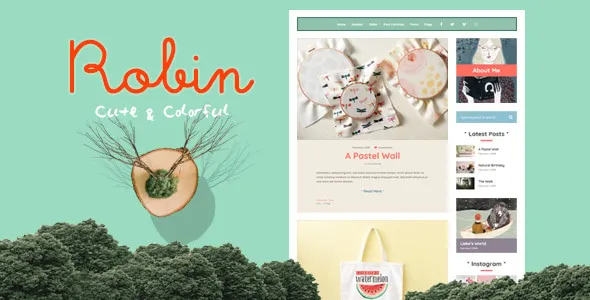
Robin – Cute & Colorful WordPress Blog Theme
Robin – Cute & Colorful WordPress Blog Theme is a charming and visually expressive website design solution for bloggers, creative writers, lifestyle enthusiasts, content creators, and anyone who wants to share stories through a colorful and welcoming online platform. Designed for the personal blogging space, Robin offers a theme concept suited to websites that value personality, engaging content, and an inviting visual presentation. Whether you want to launch a lifestyle blog, share fashion inspiration, publish travel diaries, write about food, explore beauty trends, or document everyday experiences, Robin can serve as a starting point for creating a distinctive WordPress blog.
A successful blog should communicate its personality while making its content easy to discover and enjoyable to read. Colors, typography, images, article layouts, and navigation all contribute to the impression visitors form when they arrive at a website. The Robin WordPress Blog Theme is positioned around a cute and colorful aesthetic, making it worth considering for creators who prefer a friendly visual identity rather than a strictly corporate appearance. With suitable customization, well-organized articles, and consistent branding, you can develop a blog that reflects your interests and connects with your intended audience.
WordPress provides a practical content management environment for publishing articles, managing categories, adding images, and maintaining an expanding library of posts. When paired with an appropriate theme, it allows bloggers to concentrate on writing and building their online presence instead of manually designing every page. Robin can be evaluated as part of that process, with its final suitability depending on the available theme features, customization settings, and compatibility requirements.
Discover Robin – Cute & Colorful WordPress Blog Theme
Robin is intended for bloggers who want their website to feel expressive, approachable, and visually appealing. A colorful blog can help communicate a creative personality, establish a recognizable brand, and create an atmosphere that complements the subject matter. For lifestyle writers, fashion bloggers, travel enthusiasts, and personal storytellers, visual presentation can become an important part of the overall publishing identity.
The Robin WordPress Blog Theme can be considered for websites where personality and content work together. A personal blog might use a warm color palette and engaging photographs to introduce the author’s interests. A beauty website could emphasize product experiences, tutorials, and carefully selected imagery. A travel publication might combine destination photographs with practical guides and personal stories.
A cohesive design helps visitors understand what a blog is about and encourages them to explore additional posts. However, colorful styling should support the content rather than overwhelm it. Readable text, clear navigation, suitable contrast, and consistent spacing remain important regardless of the chosen visual style.
Before selecting Robin for a particular project, review its current demonstration website and documentation to confirm the layouts, styling options, and customization features available in the version you intend to use.
Cute and Colorful Design for Creative Websites
Visual identity plays a significant role in how readers perceive a blog. A cute and colorful design can create a friendly atmosphere, express creativity, and help distinguish a website from publications that use more restrained or formal layouts.
Robin’s design positioning makes it an option to explore for creators who want a softer, more expressive website identity. Pastel colors, bright accents, playful visual details, and attractive photography can work together to create a memorable appearance when used thoughtfully. The actual styling possibilities depend on the theme’s available settings and supported customization options.
A lifestyle blog might use soft pinks, cream, lavender, or warm neutral colors. A travel blog could combine bright accent colors with vivid destination photography. A food blog might use inviting imagery and a palette that complements the recipes and dining experiences being discussed.
When customizing the website, choose a small group of complementary colors instead of using every available shade. Maintain consistent styles for headings, links, buttons, and background sections. This helps create a recognizable design while keeping the reading experience comfortable.
A successful colorful blog does not need excessive decoration. A balanced visual hierarchy, thoughtful use of whitespace, and consistent imagery can make even a simple layout feel polished and distinctive.
A Personal Blogging Experience with WordPress
WordPress is widely used by bloggers because it provides tools for creating, editing, organizing, and publishing content through a dashboard. Writers can prepare articles, add images, organize posts into categories, and update their websites without manually creating every page from scratch.
Robin is designed for the WordPress blogging environment, making it relevant to users who want to build a content-focused website. The standard WordPress editor supports common article elements such as headings, paragraphs, images, lists, quotations, and links. These tools can help bloggers produce content that is both informative and visually structured.
A typical blogging workflow begins with choosing a topic, drafting the article, organizing it into relevant sections, selecting suitable images, and reviewing the page before publication. Once published, the article becomes part of the site’s growing content library.
Consistent publishing practices can help a blog develop a recognizable voice. Establishing a regular writing schedule, maintaining a clear category structure, and reviewing older posts periodically can make the website easier to manage over time.
For theme-specific setup instructions, supported editor features, and compatibility requirements, consult the current Robin documentation before beginning a new installation.
Ideal for Lifestyle and Personal Blogs
Lifestyle blogging covers a wide variety of subjects, including personal routines, fashion, beauty, wellness, home decor, travel, food, and everyday experiences. These websites often benefit from a friendly design that supports personal storytelling and makes visual content easy to explore.
Robin’s cute and colorful positioning makes it worth considering for a lifestyle publication that wants to create an approachable online identity. The design can be adapted around the blogger’s subject matter, brand colors, and preferred writing style, subject to the theme’s available customization features.
A lifestyle blog may include personal stories, how-to articles, seasonal recommendations, product discussions, photographs, and curated lists. Organizing these posts into meaningful categories helps visitors discover the subjects that interest them most.
For example, a lifestyle website might use categories such as daily inspiration, beauty, home living, fashion, travel, and wellness. Each category should have a clear purpose and contain content that matches its label.
To maintain a consistent experience, use a recognizable image style, keep article formatting predictable, and write introductions that explain what readers can expect from each post. This helps the website feel personal without sacrificing clarity or usability.
Fashion and Beauty Blogging
Fashion and beauty blogs often rely on visual storytelling. Outfit inspiration, makeup tutorials, skincare discussions, accessory guides, and product reviews can all benefit from carefully selected images and a consistent editorial presentation.
Robin may be suitable for creators who want a colorful, expressive foundation for a fashion or beauty blog. A blogger could organize content around seasonal trends, wardrobe ideas, styling advice, product experiences, and personal beauty routines.
Fashion content can be structured into categories such as outfits, seasonal collections, accessories, shopping guides, and styling tips. Beauty content might cover makeup, skincare, hair care, product comparisons, and tutorials. Clear categories make it easier for returning visitors to find the information they want.
Product-related articles should be accurate and transparent. Explain why a product is being discussed, describe relevant characteristics, and distinguish personal opinions from factual claims. If content contains affiliate links or sponsored recommendations, disclose those relationships according to applicable requirements.
Images should support the article and represent products or outfits accurately. Optimize photographs for web delivery so that visually rich pages remain manageable in size.
With consistent publishing and thoughtful visual styling, a fashion or beauty blog can build a recognizable identity that reflects the creator’s perspective.
Travel Blogging and Personal Adventures
Travel blogs allow writers to share destinations, itineraries, cultural experiences, practical advice, and memorable moments from their journeys. Photography and storytelling often work together to help readers imagine a destination and understand what makes a particular experience worthwhile.
Robin’s colorful blog positioning may appeal to travel creators who want a friendly presentation for destination stories and travel inspiration. Depending on the theme’s available layouts, the website can be organized around destination categories, trip reports, travel tips, packing guides, and personal experiences.
A well-structured travel article should provide context about the destination and explain the experience clearly. Practical information, such as transportation considerations, approximate budgets, seasonal conditions, or accessibility notes, can be included when it is accurate and useful.
Organize posts in a way that supports discovery. Readers interested in a specific country or type of trip should be able to locate relevant articles without navigating through unrelated content. Descriptive article titles and meaningful internal links can connect destination guides with related itineraries.
Travel photography can make these websites visually engaging, but large image files can affect loading performance. Resize photographs appropriately, compress them, and use descriptive alternative text for informative images.
Food Blogging and Recipe Content
Food blogs bring together recipes, cooking instructions, restaurant experiences, ingredient guides, and personal stories about food. Because readers often visit these websites to follow practical instructions, content structure and readability are especially important.
Robin can be evaluated as a potential design foundation for a food blog that values a colorful, welcoming presentation. A food publication may include recipe articles, kitchen tips, ingredient explanations, meal planning ideas, and restaurant reviews.
Organize recipes into useful categories such as breakfast, lunch, dinner, desserts, snacks, and vegetarian meals, adapting the structure to the site’s actual content. Each recipe should present ingredients and preparation steps clearly, with additional notes where they help readers understand timing, substitutions, or storage.
Use photographs that accurately represent the finished dish and provide meaningful visual guidance. Keep article introductions concise enough to help readers identify the recipe while still offering useful background where appropriate.
If you want structured recipe information to appear in search results, verify whether a suitable recipe plugin or another compatible solution is required. Do not assume that the theme automatically supplies specialized recipe schema or every recipe-related function.
A clear presentation combined with practical instructions can help turn a simple food blog into a useful resource for returning readers.
Creative Writing and Personal Storytelling
Some blogs focus less on product recommendations and more on ideas, experiences, reflections, and personal perspectives. These websites need a presentation that allows readers to connect with the author’s voice while navigating the content comfortably.
Robin’s friendly visual identity may suit writers who want to publish personal essays, creative reflections, journaling-inspired articles, hobby stories, or opinion pieces. A distinctive color palette and consistent article styling can help the website feel personal without competing with the writing itself.
When publishing long-form stories, use descriptive headings where they genuinely improve navigation. Break lengthy passages into manageable paragraphs, maintain a logical flow, and use quotations or images only when they contribute to the reader’s understanding.
An author biography can introduce the person behind the publication and explain the blog’s purpose. An about page may also describe the main topics covered and help first-time visitors understand why they might want to follow the website.
Personal storytelling benefits from consistency. Establish a recognizable voice, publish material that reflects the blog’s focus, and create clear connections between related stories.
Organize Blog Posts with Categories and Tags
As a website grows, content organization becomes more important. Readers should be able to understand the main topics covered by a blog and locate relevant posts without searching through an unstructured list.
WordPress provides built-in categories and tags that can help organize articles. Categories generally represent broader subject areas, while tags can identify more specific topics shared by individual posts.
When using Robin, plan a structure that reflects the content you actually publish. A personal lifestyle blog might use categories such as fashion, travel, beauty, food, and personal stories. A creative journal may organize articles around projects, inspiration, tutorials, and reviews.
Avoid creating excessive categories with overlapping meanings. A smaller, well-planned structure is usually easier to maintain than a long list of nearly identical labels.
Review your categories periodically as the website expands. If a subject becomes a major part of the publication, it may deserve its own category. If a category contains only one unrelated post, consider whether it should be reorganized.
Thoughtful categorization improves the reader experience and creates a more coherent structure for your growing content library.
Readable Typography and Article Layouts
Typography is a central part of any blogging experience. The appearance of headings, paragraphs, links, captions, and lists influences how easily readers can follow an article.
When configuring Robin, prioritize readable font sizes, comfortable line spacing, and sufficient contrast between text and background. A cute and colorful website should still make written content easy to consume, particularly when visitors read long articles on mobile devices.
Use a consistent hierarchy for article titles, section headings, and body text. Headings should communicate the topic of the section rather than simply provide decoration. Paragraphs should focus on a manageable amount of information, while lists can make instructions and recommendations easier to scan.
Choose fonts that complement the website’s personality without sacrificing legibility. Script or decorative fonts may be suitable for limited accents, but long paragraphs are usually easier to read in a clear, conventional typeface.
Avoid using too many different fonts, colors, and text treatments. A restrained typography system helps create a polished appearance and makes new articles easier to format consistently.
Responsive Design for Mobile Readers
Many blog visitors read articles on smartphones and tablets. A website should adapt to different screen sizes so that readers can browse categories, open articles, view images, and navigate menus without difficulty.
Robin should be evaluated on its actual responsive behavior before launch. Check how the homepage, article archives, individual posts, menus, and images appear across a range of screen sizes. Confirm the supported behavior in the current theme documentation.
On smaller screens, body text should remain readable, images should fit within the available space, and interactive elements should be easy to select. Avoid layouts that require horizontal scrolling or make navigation unnecessarily complicated.
Mobile usability also depends on the content itself. Shorter paragraphs, meaningful subheadings, descriptive links, and optimized images can make articles more comfortable to read on a phone.
Test the website using real devices where possible. A layout that looks correct in a desktop browser may still have issues with touch interactions, menu spacing, or image cropping on smaller screens.
A responsive approach helps the blog remain accessible to readers regardless of how they choose to browse.
Search Engine Optimization for WordPress Blogs
Search engine optimization helps search engines discover, interpret, and index useful content. For a personal or creative blog, a clear site structure and high-quality articles are important parts of a sustainable organic search strategy.
Robin provides the theme layer for the website, but search performance depends on more than appearance. Content relevance, technical accessibility, page speed, internal links, competition, and the website’s overall quality all contribute to search visibility. No WordPress theme can guarantee a particular ranking or amount of traffic.
To improve your blog’s SEO, focus on these practices:
- Create original articles that answer relevant reader questions.
- Use descriptive page titles that accurately represent each post.
- Organize content with meaningful headings.
- Write concise meta descriptions for important pages.
- Use readable URLs that reflect the subject of the article.
- Add descriptive alternative text to informative images.
- Link related articles when doing so helps readers.
- Keep category structures clear and useful.
- Review broken links and unintended indexing restrictions.
- Update older posts when the information becomes outdated.
Choose keywords based on the subject and intent of each article. Use them naturally in titles, introductions, headings, and body text when relevant. Avoid repeating the same phrase excessively, because keyword stuffing makes content less useful and does not guarantee improved rankings.
For additional SEO features, check whether a compatible SEO plugin is appropriate for your WordPress setup and review the theme documentation for any theme-specific considerations.
Website Speed and Performance
A visually appealing blog should also provide a smooth browsing experience. Page speed affects how quickly visitors can begin reading, while performance problems can interrupt navigation and make a website feel less responsive.
The actual speed of Robin depends on the theme implementation, hosting environment, WordPress configuration, images, fonts, plugins, caching, and third-party scripts. A colorful design does not necessarily have to be slow, but image-heavy layouts and unnecessary effects should be managed carefully.
To support a more efficient website:
- Choose hosting appropriate for your expected traffic and WordPress requirements.
- Resize and compress images before uploading them.
- Use a suitable caching solution when supported by your hosting environment.
- Avoid installing plugins that provide overlapping functionality.
- Limit unnecessary external scripts and embedded content.
- Review fonts and remove assets that are not being used.
- Test important pages using performance measurement tools.
- Recheck the website after making substantial design changes.
Test the homepage, article pages, and category archives separately. Pages containing many photographs or third-party embeds may perform differently from simpler articles.
Make performance improvements based on measured results rather than installing every available optimization tool. Some settings can interfere with scripts or page layouts, so verify the website after changes.
Image Optimization for a Colorful Blog
Images can help a blog communicate its personality and make articles more engaging. Photography, illustrations, product pictures, and supporting graphics may all contribute to the website’s visual identity.
However, large images can increase page weight and delay loading. For Robin, develop a consistent image workflow that balances visual quality with performance.
Use appropriately sized files for the dimensions at which images will appear. Compress photographs while preserving the details readers need, and consider modern image formats when supported by the website and target browsers.
Choose featured images that accurately reflect the article’s subject. A fashion post should display relevant clothing or styling, while a travel article should use imagery that supports the destination being discussed.
Provide descriptive alternative text for meaningful images so that people using assistive technologies can understand their purpose. Avoid stuffing alternative text with keywords or writing lengthy descriptions for purely decorative elements.
Consistent cropping, image ratios, and photography styles can help create a more professional content library. Review older posts occasionally to replace oversized files or improve image descriptions where necessary.
Build a Recognizable Blogging Brand
A blog can become more memorable when its visual identity remains consistent across pages and posts. Branding is not limited to a logo; it also includes color choices, typography, imagery, writing style, and the way information is organized.
Robin’s cute and colorful positioning can be used as inspiration for a distinctive identity, depending on the available customization features. Begin by identifying the tone of the publication. Decide whether the brand should feel playful, elegant, cozy, energetic, artistic, or educational.
Choose a limited color palette that reflects that tone and remains readable across the website. Create a simple logo or wordmark, use consistent image treatments, and maintain the same typography rules throughout the homepage, archive pages, and articles.
The written voice should also match the visual presentation. A friendly blog can use conversational language while still providing accurate, well-structured information. A more editorial publication may prefer a polished writing style with clear explanations and carefully organized topics.
Consistency helps returning readers recognize the website and gives new visitors a clearer understanding of what the publication offers.
Social Media and Content Sharing
Social media can help bloggers introduce articles to new audiences and maintain relationships with readers. Sharing useful content on relevant platforms may bring visitors to the website and create additional opportunities for engagement.
A blog using Robin can form part of a broader content strategy that connects published articles with social media channels. The exact social sharing controls and integrations available should be verified in the current theme documentation. Additional plugins may be required for certain sharing features.
When preparing articles for sharing, choose a clear headline and a representative image. Write a short summary that explains why the content may be useful or interesting, and direct readers to the complete article.
For visual niches such as fashion, food, travel, and lifestyle, consistent imagery can help create a recognizable presence across the website and social channels. However, images should be prepared in appropriate sizes for each platform rather than reusing a single file without checking how it will appear.
Focus on platforms that match the intended audience instead of trying to maintain every available account. A manageable, consistent publishing routine is often more useful than posting frequently without a clear strategy.
Content Marketing and Audience Growth
Growing a blog requires more than publishing articles occasionally. A sustainable content strategy combines useful topics, consistent publishing, clear organization, and ongoing improvements based on reader needs.
Robin can be evaluated as the presentation foundation for a content-focused website that aims to build an audience over time. Begin by identifying the main subjects the blog will cover and the readers you want to reach.
Create a content plan that balances evergreen articles with timely topics. Evergreen content remains useful for an extended period, while timely posts address seasonal interests, recent developments, or current conversations relevant to the publication.
Develop related article groups instead of treating every post as an isolated topic. For example, a fashion blog might publish a beginner’s guide to wardrobe essentials, followed by articles about color coordination, seasonal outfits, and accessory selection. Internal links can connect these posts and make the website more useful.
Review your existing content periodically. Update outdated details, improve unclear explanations, and add links to newer articles where appropriate. Use analytics and reader feedback to identify topics that deserve additional coverage.
A focused content strategy can help a blog become a more valuable resource and support sustainable audience development.
Accessibility and Inclusive Website Design
An accessible blog makes it easier for more people to understand and use the website. Visual creativity should be combined with practical design decisions that support different abilities, devices, and browsing preferences.
When setting up Robin, evaluate the actual website for text contrast, keyboard navigation, visible focus states, heading order, image alternatives, and usable interactive controls. Do not assume that a theme’s visual style automatically guarantees accessibility.
Colorful backgrounds and decorative text can look attractive, but body text must remain easy to distinguish from the background. Avoid using color as the only way to communicate essential information, and ensure that links are identifiable through more than subtle color differences where appropriate.
Use headings in a logical order and write descriptive link text. Images that communicate information should have suitable alternative text, while purely decorative images can generally use empty alternative attributes when implemented appropriately.
Check forms, menus, and other interactive components with keyboard navigation where relevant. If you install additional plugins or make custom changes, test the affected pages again.
Accessibility is an ongoing process, and regular reviews can help keep the blog usable as its design and content evolve.
WordPress Customization and Content Management
A blog often changes as its creator discovers new subjects, develops a stronger identity, and attracts a larger audience. WordPress offers content management tools that make it possible to update articles and organize the website over time.
Robin’s customization potential depends on the settings, templates, and supported WordPress features included in the current version. Review the documentation to understand which parts of the website can be changed through available settings and whether particular layouts require additional tools.
Start with essential elements such as the logo, color palette, typography, navigation, homepage, and article presentation. Once these elements are consistent, focus on secondary details such as category organization and supporting pages.
Maintain a predictable editorial process for creating new posts. Use consistent featured image sizes, follow a standard heading structure, and check links and formatting before publishing. This makes the site easier to manage when several articles are prepared in a short period.
If you need custom code, use appropriate WordPress development practices and consider a child theme where suitable. This helps separate custom modifications from the parent theme and can make updates easier to manage.
Monetization Opportunities for Bloggers
A blog may eventually generate revenue through several approaches, depending on its subject, audience, and business goals. Possible options include affiliate marketing, display advertising, sponsored articles, digital downloads, paid newsletters, consulting, and links to a creator’s own products or services.
Robin can be considered as a design foundation for a blog that may later incorporate monetization, but the theme should not be assumed to include every required advertising, subscription, payment, or membership feature. Some options require separate services or compatible WordPress plugins.
Choose monetization methods that fit the content and provide value to the audience. A fashion blog may publish disclosed affiliate recommendations, while a creative writer might sell downloadable resources or offer professional services.
Keep the reader experience in mind when adding revenue features. Excessive advertising, intrusive pop-ups, or poorly placed promotions can make articles difficult to read and may affect performance. Use clear disclosures for sponsored or affiliate content where required and make sure product recommendations remain honest and relevant.
A thoughtful approach to monetization helps maintain audience trust while allowing the blog to develop into a broader online business.
Security and Ongoing Website Maintenance
Maintaining a WordPress blog involves regular updates, backups, and security checks. These tasks help protect the website and reduce the likelihood of avoidable problems as the content library grows.
Before installing Robin, obtain the theme from an authorized source and review its documentation and compatibility information. Keep WordPress, the theme, and supported plugins updated according to their respective maintenance guidance.
Create regular backups and verify that you can restore the website if something goes wrong. Use strong administrator passwords, limit account permissions to the responsibilities of each user, and choose hosting with appropriate security practices.
Before applying major updates, consider testing them on a staging website. This is particularly useful if your blog uses custom code, several plugins, or external integrations. After updates, check the homepage, article pages, menus, forms, and other important elements.
Remove unused plugins and themes that are no longer required, while retaining a suitable backup and recovery process. Monitor the website for errors and review important settings periodically.
A consistent maintenance routine helps preserve the stability and reliability of your blogging platform.
Getting Started with Robin – Cute & Colorful WordPress Blog Theme
Launching a new blog is easier when the initial setup is organized. Begin by selecting WordPress hosting that meets the current software requirements and installing WordPress. If you are working on an existing website, create a backup before making significant changes.
Obtain Robin from its authorized distribution source and follow the installation instructions supplied with the theme. If the download contains several files, identify the correct installable theme package before uploading it through the WordPress dashboard.
After activation, review the available settings and configure the website’s identity, menus, homepage, and content categories. If the theme includes demo content, use it as a reference where appropriate, then replace sample text and images with material that reflects your own blog.
Publish a few representative articles before announcing the website. Check how different article lengths appear, verify featured images, test navigation, and review the layout on desktop and mobile devices.
Configure suitable backups, security measures, analytics, and SEO settings according to your needs. Finally, test page speed and confirm that important pages are accessible to visitors and search engines.
For precise instructions, supported WordPress versions, and information about theme-specific features, refer to the current Robin documentation.
Why Choose Robin – Cute & Colorful WordPress Blog Theme?
Selecting a blogging theme involves finding a balance between appearance, usability, customization, and long-term maintainability. Robin is worth exploring for creators who want a cute and colorful visual identity for a WordPress blog.
Reasons to consider Robin include:
- A friendly design concept for personal and creative blogging.
- A colorful visual direction suited to expressive online publications.
- Potential applications for lifestyle, fashion, beauty, travel, and food blogs.
- A WordPress-based content management environment for publishing articles.
- An opportunity to create a recognizable brand through supported customization options.
- A foundation for organizing articles into categories and building a growing content library.
- The possibility of extending the website through compatible WordPress plugins when additional functionality is needed.
The exact capabilities depend on the current theme version, its included templates, and supported integrations. Review the product demo and documentation to confirm that the available features match your project before installation.
Final Thoughts on Robin – Cute & Colorful WordPress Blog Theme
Robin – Cute & Colorful WordPress Blog Theme is an option to consider when creating a personal or creative WordPress website with a welcoming visual identity. Its cute and colorful positioning makes it relevant to bloggers who want their website to feel expressive while providing a structured environment for articles, photographs, and personal stories.
A successful blog combines thoughtful design with useful content, clear navigation, readable typography, responsive layouts, and dependable technical maintenance. Robin can serve as the theme foundation, while your publishing strategy, branding decisions, and ongoing optimization determine how effectively the finished website serves its audience.
Before choosing the theme, review the current demonstration site, verify the available customization features, and confirm compatibility with your WordPress setup. Once the website is configured, focus on publishing original articles, organizing content carefully, optimizing images, and making the reading experience accessible across devices.
With a consistent visual identity and a clear content strategy, Robin can be part of a creative blogging website that expresses your personality, presents your ideas, and gives readers a welcoming place to discover your content.