My Account
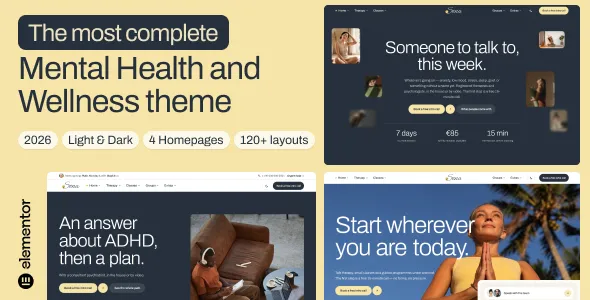
Sonra – Wellness & Mental Health WordPress Theme
Sonra – Wellness & Mental Health WordPress Theme is a thoughtfully positioned website solution for wellness professionals, mental health practitioners, therapists, counselors, life coaches, meditation instructors, and holistic health businesses looking to establish a professional online presence. Designed around the wellness and mental health niche, Sonra provides a foundation for presenting professional services, sharing helpful information, introducing practitioners, and helping visitors understand the support and experiences your business offers. Whether you operate a counseling practice, manage a wellness center, provide mindfulness sessions, or offer personal development services, this WordPress theme can help you create a welcoming digital environment that reflects your brand.
A wellness website should do more than introduce services. It should communicate trust, create a comfortable browsing experience, explain available support, and make it easy for visitors to find relevant information. People exploring mental health and wellness services may be looking for professional guidance, relaxation techniques, personal growth resources, or information about available sessions. A clear and considerate website can help them understand your approach and take the next step with greater confidence.
Sonra offers a starting point for organizing this information through a WordPress website. You can develop pages for your practice, professional background, wellness programs, counseling services, educational content, and contact information. Depending on the theme’s included layouts, supported customization options, and compatible plugins, you may also be able to extend the website with appointment scheduling, inquiry forms, event information, and other business functions.
From independent therapists and mindfulness coaches to yoga studios, holistic wellness centers, and personal development consultants, Sonra can be adapted to different wellness-related business models. With thoughtful content, an appropriate visual identity, accessible navigation, and clear service descriptions, you can build a website that communicates your values while helping visitors explore your offerings.
A Professional Website for Wellness and Mental Health
Wellness and mental health services depend on communication, trust, and a clear understanding of what a professional offers. Before contacting a therapist, counselor, coach, or wellness provider, visitors often want to learn about the services available, the professional’s background, the approach used, and how to arrange an initial consultation.
Sonra is intended for this specialized website category, making it a relevant starting point for businesses that want their online presence to reflect care, professionalism, and clarity. It can provide a foundation for bringing service information, practitioner introductions, wellness resources, and contact details together in a coherent structure.
A mental health practice may use its website to explain counseling services, introduce qualified professionals, and outline how prospective clients can request an appointment. A wellness center might focus on mindfulness, relaxation sessions, yoga programs, and holistic lifestyle services. A personal development coach could emphasize coaching packages, workshops, and educational resources.
Each business has different needs, so the website should be organized around the services it genuinely provides. Clear descriptions help visitors understand the scope of your work without making unrealistic promises or creating confusion about professional qualifications.
The exact layouts and features available with Sonra should be confirmed through its current product demo and documentation before installation.
A Calm and Welcoming Visual Identity
Visual presentation can influence how visitors experience a wellness website. A clear, balanced design can make information easier to navigate and help establish an atmosphere that feels professional and approachable.
Sonra provides a wellness-focused starting point for developing a website that reflects your brand’s personality. Depending on its available customization options, you may be able to adapt colors, typography, imagery, logos, and page content to suit your practice.
A meditation instructor may prefer soft colors, natural imagery, and generous spacing. A counseling practice might choose a restrained visual identity with clear typography and straightforward navigation. A holistic wellness center could emphasize nature, movement, and relaxation through carefully selected photographs.
The goal is to create a consistent presentation without overwhelming visitors with decorative elements. Service information should remain readable, navigation should be easy to understand, and important contact details should be accessible.
Visual choices should also reflect the nature of your services. Avoid imagery or wording that could mislead visitors about professional qualifications, treatment outcomes, or the level of support your organization provides. A considerate and accurate presentation can help establish realistic expectations from the first visit.
Mental Health Counseling and Therapy Services
Mental health professionals need websites that communicate their services clearly while respecting the sensitivity of the people who may visit them. Sonra can serve as a starting point for presenting counseling and therapy information in an organized, accessible format.
Depending on your professional qualifications and actual services, you may create dedicated pages for individual counseling, relationship counseling, family support, stress management, emotional well-being, or other areas of practice. Each page should explain the nature of the service and provide clear information about how a visitor can make an inquiry.
A service description might outline the general purpose of counseling, the intended audience, the appointment process, and any relevant practical details. It can also explain the professional’s approach in straightforward language without using unnecessarily technical terminology.
Visitors should be able to distinguish between the different services available. For example, a page about relationship counseling should explain its scope rather than relying on a generic description that could apply to every service.
Professional credentials, licensing details, and areas of specialization should be presented accurately. The website should not imply that a coach provides regulated clinical treatment unless that is appropriate to their qualifications and local requirements.
Sonra can provide the website foundation for this information, while the actual content and professional practices remain the responsibility of the business.
Wellness Coaching and Personal Development
Wellness coaching and personal development services often focus on helping individuals explore goals, develop routines, and improve aspects of their everyday lives. A website can explain these services, introduce the coach, and help potential clients determine whether the offering suits their needs.
Sonra can be adapted for coaches who provide individual sessions, group programs, workshops, or structured coaching packages. Dedicated service pages can explain the purpose of each offering, how sessions are organized, and what participants can expect from the process.
For example, a life coach may describe goal-setting sessions and accountability support. A wellness coach might focus on daily routines, relaxation practices, balanced habits, or personal well-being goals. A mindfulness instructor could explain the format of guided sessions and introduce practices suitable for beginners.
Clear descriptions help distinguish coaching from clinical mental health treatment. Coaching services should be described according to their actual scope, with appropriate signposting when visitors may need support from a qualified healthcare professional.
You can also introduce your coaching philosophy, professional experience, and approach to working with clients. Explain the practical details of your services so visitors can make an informed decision before booking a session or requesting further information.
Mindfulness and Meditation Programs
Mindfulness and meditation are important elements of many wellness businesses. A website dedicated to these services can explain the available programs, introduce instructors, and help visitors understand how to participate.
Sonra offers a starting point for presenting mindfulness classes, guided meditation sessions, relaxation workshops, and related wellness activities. Depending on the page layouts and integrations available, you may organize information around individual sessions, recurring classes, group programs, or online offerings.
Each program page can include a short introduction, intended audience, session format, duration, schedule, and registration instructions where relevant. For beginner-friendly sessions, you can explain what participants should expect and whether any prior experience is necessary.
A meditation instructor might also publish articles introducing breathing exercises, mindful routines, or simple relaxation practices. Such content should be written responsibly and avoid suggesting that meditation is a replacement for appropriate medical or mental health care.
If your programs take place at a physical location, include accurate venue details and directions. For online sessions, explain how participants receive access information and whether any equipment or preparation is required.
By keeping program descriptions and schedules current, your website can become a useful information resource for existing participants and people who are considering joining for the first time.
Wellness Center and Holistic Health Services
Wellness centers may bring several services together under one brand, including yoga, meditation, relaxation sessions, personal development programs, and other holistic activities. A well-organized website helps visitors understand the range of offerings without making the business appear confusing or difficult to navigate.
Sonra can be considered for creating a central website for a wellness center or holistic practice. Individual pages can explain each service, introduce practitioners, outline schedules, and direct visitors toward the appropriate inquiry or registration process.
For example, a center offering yoga and meditation may need separate pages for classes, workshops, instructor information, and upcoming events. A holistic wellness practice may wish to explain its approach and identify which services are available in person or online.
Clear distinctions between services are especially important when a business includes practitioners with different qualifications. Describe each professional’s role and credentials accurately, and avoid suggesting that every service has the same purpose or evidence base.
A well-structured website can also make it easier to update information when the center adds new programs or changes its schedule. The precise page management options available will depend on Sonra’s features and the WordPress tools used to build the site.
Dedicated Service Pages
A dedicated page for each major service helps visitors find information relevant to their needs. Instead of placing every offering into one long description, you can organize the website into focused sections that explain each service in more detail.
Sonra can serve as the foundation for pages covering counseling, wellness coaching, mindfulness, meditation, workshops, group sessions, and other services relevant to your business.
A useful service page generally includes a clear title, a concise introduction, an explanation of the service, relevant practitioner information, and a straightforward next step. Depending on the service, you may also include duration, location, availability, pricing, or registration details.
Keep the content specific and accurate. A page for a meditation workshop should explain the workshop, while a page for counseling should describe the professional service and how to request an appointment.
You can also connect related pages through internal links. A general wellness page might link to mindfulness programs, while a practitioner biography could direct visitors toward the services that person provides.
This organization improves usability and gives your business room to expand its offerings over time. Review the current Sonra layouts to determine how service pages can be arranged within the theme.
Practitioner Profiles and Professional Backgrounds
People considering mental health or wellness services often want to know who will be providing the support. Practitioner profiles can introduce professionals, explain their qualifications, and help visitors understand their areas of expertise.
With Sonra, you can plan profile pages or sections for therapists, counselors, wellness coaches, yoga instructors, meditation teachers, and other members of your team, depending on the available layouts.
A profile may include a professional photograph, role, qualifications, relevant experience, areas of practice, and a short explanation of the person’s approach. It can also provide links to relevant service pages or appointment information.
Keep biographies focused on useful information. Explain the practitioner’s experience and working style without making unsupported claims about guaranteed outcomes or superiority over other professionals.
For businesses with several practitioners, a consistent profile format helps visitors compare services and understand who is responsible for each offering. It also supports a more transparent introduction to the organization.
Ensure that all credentials and professional designations are accurate and current. If your services are subject to licensing or regulatory requirements, include information that helps visitors understand the practitioner’s actual professional status.
Appointment Scheduling and Consultation Requests
Many wellness businesses rely on appointments or scheduled sessions. A website can make it easier for potential clients to ask questions, request an introductory consultation, or book an available session.
Sonra can provide the visual foundation for appointment-related pages and contact prompts. Whether it includes a built-in scheduling function depends on the current theme package. If advanced booking is required, a compatible WordPress appointment plugin or external scheduling service may be necessary.
A scheduling system may need to support practitioner availability, session duration, appointment dates, time zones, confirmation messages, cancellations, and rescheduling. Choose a solution that matches your actual workflow instead of adding unnecessary complexity.
If you use an inquiry-based process, a contact form can collect the information needed to respond to a prospective client. Keep questions minimal, especially when visitors may be seeking mental health support. Avoid collecting detailed clinical histories or other sensitive information through a general-purpose form unless you have an appropriate, secure process.
Before launch, test the complete booking journey. Confirm that appointment requests reach the correct person, availability is displayed accurately, and visitors receive clear instructions about the next step.
Do not assume that a wellness-focused theme automatically includes a complete scheduling platform. Verify the exact functionality and compatibility of any additional tools before accepting appointments online.
Online Sessions and Virtual Wellness Services
Online wellness services can help professionals connect with clients or participants who cannot attend in person. Depending on your business model, you may offer remote coaching, virtual meditation sessions, online workshops, or eligible professional consultations.
Sonra can be used as the website foundation for explaining these offerings and guiding visitors toward the appropriate registration or booking process. Video meetings, secure communication, online scheduling, and payment collection may require external platforms or compatible plugins.
An online service page should explain how the session works, what participants need, how access details are provided, and which technology is required. If the service is delivered through a scheduled video call, explain the confirmation process and any relevant cancellation terms.
For mental health professionals, privacy and confidentiality deserve particular attention. Use communication and scheduling tools appropriate for the type of service being delivered and the applicable professional requirements. Explain how clients should contact the practice and avoid using ordinary website forms for emergencies.
Online wellness content should also communicate its limitations. A recorded meditation class, coaching session, and clinical consultation are different services and should not be presented as interchangeable.
Clear instructions help visitors understand the format before registering and reduce avoidable confusion during the session.
Responsive Design for Desktop and Mobile Visitors
Visitors may discover a wellness practice through a search engine, referral, social media post, or shared article. They may browse the website using a desktop computer, tablet, or smartphone. A responsive design helps maintain a consistent experience across these devices.
Responsive presentation is an important consideration when evaluating Sonra. Before publishing, test the current demo and your customized website at different screen sizes to confirm that navigation, service descriptions, images, forms, and buttons work as expected.
Mobile visitors should be able to locate contact details, understand available services, and request information without unnecessary scrolling or difficult controls. Text should remain readable, and interactive elements should be easy to use with touchscreens.
Images should be appropriately sized for their display areas, and important information should not depend entirely on decorative graphics. A clear structure supports visitors who may be browsing in a distracting environment or using assistive technologies.
The final responsive experience depends on the theme implementation, page content, plugins, and customization settings. Testing the complete website is more reliable than assuming that every layout will behave correctly on all devices by default.
Content Management with WordPress
WordPress provides a content management environment for maintaining website pages, publishing articles, and updating business information. This can be useful for wellness professionals who need to keep service descriptions, practitioner profiles, schedules, and educational resources current.
With Sonra installed, you can manage the types of content supported by the theme and any plugins you choose. Depending on the available structure, this may include pages for services, About information, blog posts, contact details, and other business content.
A wellness practice can use its website to communicate changes in appointment availability, introduce a new program, publish educational articles, or update practitioner information. Keeping these details current helps visitors make informed decisions.
WordPress also supports a broad ecosystem of plugins for search engine optimization, contact forms, security, backups, analytics, and other functions. Select tools according to your needs and verify their compatibility before installation.
Regular maintenance remains important. Back up your website before major updates, review theme and plugin changes, and test essential pages after updating the platform. A reliable content management process can help keep your website accurate and useful as your practice develops.
Blog and Educational Wellness Resources
A blog can help wellness professionals share useful information, explain their approach, and answer common questions from prospective clients. It can also provide additional opportunities for visitors to discover the website through search engines.
Sonra can serve as a starting point for publishing educational articles related to the services your business actually provides. Topics might include mindfulness for beginners, relaxation routines, healthy boundaries, work-life balance, preparing for a counseling appointment, or building sustainable wellness habits.
For example, a mindfulness instructor could publish a beginner’s guide explaining what a guided meditation session involves. A wellness coach might discuss practical approaches to creating consistent daily routines. A counseling practice could provide general information about its services and explain how to prepare for an initial appointment.
Educational content should be responsible, clear, and appropriately qualified. Mental health topics can be sensitive, so avoid diagnosing readers, presenting general information as personalized treatment, or promising specific results. When discussing clinical concerns, use reputable information and encourage readers to seek qualified professional support where appropriate.
Organize articles into meaningful categories and connect them to relevant service pages. This allows visitors to move naturally from general information to more specific details about your practice.
Search Engine Optimization for Wellness Websites
Search engine optimization can help people find your wellness practice when they search for relevant services, professionals, or educational resources. A clear website structure and useful content provide a foundation for improving discoverability.
Sonra can be part of an SEO-focused WordPress website, but search rankings depend on many factors beyond the theme. These include content quality, technical accessibility, competition, site performance, links, and the relevance of your pages to the searches being made.
Begin by assigning a clear purpose to each important page. Your homepage can introduce the practice and its main services. Separate pages can explain counseling, coaching, mindfulness, or other offerings. Practitioner profiles can communicate professional backgrounds, while blog articles can answer common questions.
Use descriptive page titles, natural headings, readable URLs, and concise meta descriptions. Incorporate relevant search terms naturally instead of repeating keywords excessively. For a local practice, accurate business details and relevant location information may also help visitors understand where services are available.
Create original content that reflects your actual experience and services. Avoid copying descriptions from other websites or making unsupported health claims. Where appropriate, cite reputable sources when discussing general wellness or mental health information.
An SEO plugin can assist with metadata and technical settings, but it cannot guarantee indexing or high rankings. Review the site’s technical configuration and monitor performance over time to identify areas for improvement.
Accessible and User-Friendly Navigation
A wellness website should be straightforward to explore. Visitors may arrive looking for a specific service, professional background, session schedule, or contact method. Clear navigation helps them find that information without unnecessary effort.
A typical structure could include Home, Services, About, Practitioners, Resources, and Contact. The exact menu will depend on the size of your business and the number of services you provide.
Use descriptive menu labels and organize related services logically. If you offer several programs, consider grouping them under a relevant heading rather than creating a crowded main menu. Keep important contact or appointment links easy to locate.
Accessibility should be part of the design process. Use readable font sizes, sufficient color contrast, descriptive links, logical heading levels, and meaningful alternative text for informative images. Make sure interactive controls are usable with a keyboard and that forms include clear labels and understandable validation messages.
These practices can improve the browsing experience for a wider range of visitors. The final accessibility level depends on the theme, your customization choices, the content you publish, and any additional tools used.
Privacy and Responsible Information Handling
Wellness and mental health websites may receive sensitive inquiries. A responsible website should make it clear how visitors can contact the practice and how their submitted information will be handled.
Use a privacy policy that reflects the actual data collected by your website, including information submitted through forms, appointment tools, analytics services, or third-party integrations. Collect only the information necessary for the purpose of the form.
For general inquiries, a name, contact method, and short message may be enough. Avoid requesting detailed medical histories, diagnoses, or highly personal information through an ordinary contact form unless an appropriate, secure process is in place.
If you provide online consultations or other regulated services, check the privacy, confidentiality, recordkeeping, and professional requirements that apply to your location and practice. The correct approach may depend on the type of service and the jurisdiction in which you operate.
Use trusted plugins and external services, keep software updated, and restrict administrative access to people who need it. Security and privacy should be considered part of the website’s overall design rather than an afterthought.
Performance and Website Maintenance
A wellness website should load reliably and allow visitors to find information without frustrating delays. Images, scripts, plugins, hosting quality, and theme configuration can all influence page performance.
Use appropriately sized images and compress them while preserving acceptable visual quality. Avoid unnecessary animations, oversized background files, and plugins that add functions you do not need. Consider caching and other performance techniques supported by your hosting environment.
Test the homepage, service pages, articles, and contact forms rather than checking only one page. Mobile performance deserves particular attention because many visitors may access the site through a phone.
Keep WordPress, Sonra, and compatible plugins updated according to their maintenance guidance. Back up the website before major updates and verify that important forms, links, and layouts still function afterward.
Use performance testing tools to identify specific issues and address them systematically. Do not assume that a particular theme automatically guarantees a speed score or a specific level of performance.
Suitable for Different Wellness Businesses
Sonra’s wellness and mental health focus makes it a potential starting point for several types of service providers.
Therapists and counselors: Present professional information, explain available services, introduce the practice, and provide clear appointment inquiry options.
Mental wellness practices: Share general service information, practitioner biographies, educational resources, and relevant ways to contact the organization.
Wellness coaches: Introduce coaching programs, explain session formats, outline areas of focus, and guide visitors toward consultations.
Meditation instructors: Promote guided meditation sessions, mindfulness programs, workshops, and online classes.
Yoga and mindfulness studios: Present class information, instructor profiles, schedules, and registration details where supported by the chosen setup.
Holistic wellness centers: Organize multiple services and introduce the practitioners who provide them, using accurate descriptions of each offering.
Personal development consultants: Explain coaching services, group programs, workshops, and professional experience.
Wellness educators: Publish educational articles, program details, event announcements, and resources relevant to their audience.
The best configuration depends on your business model, professional qualifications, and technical requirements. Review the current theme demo and documentation to confirm whether the available layouts and integrations match your plans.
Getting Started with Sonra
Before installing Sonra, review the current theme package, documentation, compatibility requirements, and any required plugins. Confirm that the version you obtain supports your WordPress environment and provides the layout options you need.
Install the theme using the recommended WordPress process. If demo content or starter layouts are available, follow the official instructions and understand how importing them will affect the website. Back up an existing website before making significant changes.
Begin by adding your logo, selecting appropriate colors and typography, and preparing original photographs and written content. Create the essential pages for your practice, including the homepage, services, About, practitioner profiles, resources, and contact information as needed.
Replace all placeholder text with accurate information about your business. Review service descriptions carefully, verify professional qualifications, and ensure that visitors can understand the scope of each offering.
If you require appointment scheduling, configure a compatible solution and test it before accepting real requests. Check that forms deliver messages correctly, that privacy information is available, and that the website displays properly on mobile devices.
Finally, review page titles, meta descriptions, image optimization, navigation, and all important links. Regular maintenance after launch will help keep your website secure, accurate, and useful.
Why Choose Sonra – Wellness & Mental Health WordPress Theme?
A specialized WordPress theme can provide a useful starting point for businesses that need to communicate particular types of services. For wellness and mental health professionals, those needs often include presenting practitioners, explaining services, sharing educational information, and helping visitors understand how to make contact.
Sonra is positioned for this niche, making it relevant for practices that want their online presence to reflect a wellness-oriented identity. Rather than starting with an unrelated business design, you can develop a website centered on service information, professional introductions, and resources that matter to your audience.
WordPress provides flexibility for maintaining and expanding the site as your practice grows. You can add new service pages, publish articles, update practitioner information, and explore compatible tools for scheduling or inquiries where required.
However, the theme’s suitability depends on the actual layouts, supported customization options, compatibility, documentation, and additional functionality you need. Review the current live demo and official product information before purchasing, particularly if you require appointment management, online payments, secure client communication, or specialized integrations.
Final Thoughts
Sonra – Wellness & Mental Health WordPress Theme is a niche-focused option for wellness professionals and mental health service providers who want to build a professional website using WordPress. It offers a starting point for presenting services, introducing practitioners, sharing educational resources, and helping visitors understand how to contact a practice.
Whether you run a counseling practice, provide wellness coaching, teach mindfulness, manage a holistic center, or offer personal development programs, your website can help communicate your approach and make important information easier to access.
For the best results, combine the theme with accurate service descriptions, a welcoming visual identity, accessible navigation, original educational content, appropriate privacy practices, and regular website maintenance. Confirm the included features and compatibility requirements in the current demo and documentation before launch. With thoughtful customization and responsible communication, Sonra can serve as the foundation for a website that reflects your wellness brand and supports a clear, professional online experience.