My Account
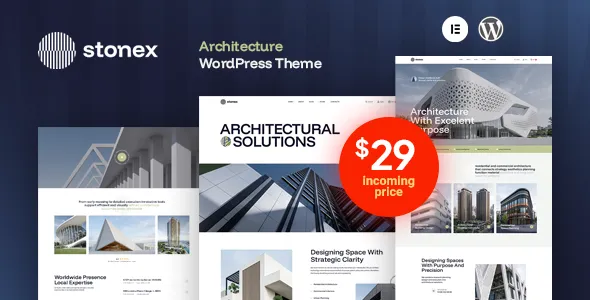
Stonex – Architecture WordPress Theme
Stonex – Architecture WordPress Theme is a professional website design solution for architects, architecture firms, interior designers, construction companies, building consultants, and property development businesses looking to establish a strong online presence. Created for architecture-focused websites, Stonex provides a foundation for showcasing architectural projects, presenting design services, introducing creative teams, and communicating a company’s approach to modern building and spatial design. Whether you operate an independent architecture studio, manage a multidisciplinary design firm, or provide residential and commercial architectural services, this WordPress theme can help you build a polished digital portfolio that reflects your professional identity.
In the architecture industry, visual presentation and professional credibility are essential. Potential clients often evaluate a firm’s design approach, completed projects, technical expertise, and attention to detail before deciding to make contact. A well-organized website helps communicate these qualities by combining project photography, informative service pages, company information, and clear contact options. Stonex – Architecture WordPress Theme offers a starting point for organizing these elements into a cohesive website experience that helps visitors explore your work and understand the services you provide.
From contemporary residential architecture and luxury villas to commercial buildings, office interiors, hospitality spaces, and large-scale development projects, an architecture website needs to present complex work in an accessible and visually engaging format. With appropriate customization, Stonex can support a website that highlights your design philosophy, documents completed projects, introduces your team, and communicates your approach to planning and construction. Its effectiveness will depend on the theme’s included features, your selected configuration, and any additional WordPress tools required for your project.
Introduction to Stonex – Architecture WordPress Theme
Stonex – Architecture WordPress Theme is intended for professionals who want to present architectural work through a dedicated WordPress website. Architecture firms need more than a basic business homepage because their services often involve visual concepts, technical knowledge, long project timelines, and collaboration with multiple stakeholders. A specialized website provides a place to communicate these aspects while helping potential clients understand the firm’s capabilities.
A well-designed architecture website can introduce the company, explain its services, showcase selected projects, publish insights, and provide an easy way to request consultations. Stonex can be customized to bring these elements together in a consistent presentation that reflects the character of the firm.
WordPress provides a content management environment for publishing project updates, adding portfolio entries, editing service information, and maintaining company details. This can be especially useful for architecture studios that regularly complete new projects or expand their service offerings.
Whether you are creating a website for a small design practice or a larger architectural organization, the website should reflect the firm’s actual work, target audience, and professional priorities. A carefully planned content structure can help visitors navigate the portfolio, understand the design process, and identify the right service for their needs.
Modern Design for Architecture and Design Professionals
Architectural websites often communicate their identity through proportion, typography, photography, spacing, and layout. These visual elements can reflect the design philosophy of the firm itself. Stonex provides a starting point for creating a website that presents architectural work with a professional and visually consistent approach.
A modern architecture website may use generous whitespace, strong headings, carefully selected project imagery, and organized content sections to establish a distinctive presentation. These elements can help visitors focus on the buildings, spaces, materials, and concepts that define the firm’s work.
The website should also balance visual impact with practical information. Potential clients need to find services, project details, company background, and contact information without unnecessary navigation. A clean structure helps the design support the business rather than distract from its main purpose.
Stonex can be personalized to align with your branding through the appropriate theme settings and supported customization tools. A consistent logo, color palette, typography system, and image style can help create a recognizable identity across the homepage, service pages, and project portfolio.
Ideal for Architecture Firms and Design Studios
Stonex – Architecture WordPress Theme can be considered by a variety of professionals working in architecture, interiors, and the built environment.
Architecture Firms
Architecture firms can use a dedicated website to introduce their practice, explain their design approach, and present completed and ongoing projects. Dedicated pages can highlight residential, commercial, institutional, hospitality, and mixed-use developments according to the firm’s actual expertise.
A structured project portfolio allows visitors to explore the firm’s work and understand the range of design challenges it addresses.
Independent Architects
Freelance architects and independent design consultants need an effective way to communicate their skills and professional experience. Stonex can serve as a foundation for a personal architecture website featuring selected projects, qualifications, design services, and contact information.
An organized portfolio can help independent professionals demonstrate their design perspective and provide prospective clients with a clear understanding of their capabilities.
Interior Design Studios
Interior designers can use an architecture-oriented website to showcase residential interiors, offices, hospitality spaces, retail environments, and other design projects. Project pages can describe the design objectives, spatial planning decisions, materials, finishes, and overall concept.
Combining high-quality photographs with clear explanations can help visitors understand how the studio approaches interior design challenges.
Construction and Building Companies
Construction companies and building contractors may use the theme to introduce their services, present completed developments, and communicate their experience. Relevant pages can cover construction management, renovation, building consultation, project coordination, and related services where these are genuinely offered.
A professional portfolio can help demonstrate the company’s work and provide potential clients with a convenient way to request further information.
Property Developers
Property developers can create pages for residential complexes, commercial properties, office buildings, and mixed-use projects. These pages can communicate project objectives, architectural features, location information, and development progress.
The website structure should distinguish completed projects from proposed or ongoing developments so visitors can understand the current status of each project.
Engineering and Design Consultancies
Multidisciplinary practices can use an architecture-focused website to present engineering coordination, planning consultation, building design, and related professional services. Separate service pages can explain how the different disciplines contribute to a project.
The exact positioning should reflect the qualifications and services of the organization rather than implying expertise that it does not provide.
Architectural Portfolio and Project Showcase
A portfolio is one of the most important parts of an architecture website. Clients often want to see evidence of a firm’s design approach before discussing a new project. A clear project presentation allows visitors to examine the firm’s work and understand its range of experience.
Stonex can be customized to organize architectural projects through individual pages, portfolio sections, or other supported layouts.
Residential Architecture
Residential project pages can showcase houses, villas, apartments, townhouses, and custom homes. Photographs can illustrate exterior design, interior spaces, circulation, natural lighting, landscaping, and the relationship between a building and its surroundings.
Descriptions can explain the project’s goals, site conditions, spatial requirements, material choices, and design decisions. Sharing this context gives visitors more insight than images alone.
Commercial Architecture
Commercial architecture projects may include office buildings, retail developments, hospitality venues, restaurants, and mixed-use spaces. Dedicated pages can explain how the design addresses functionality, user movement, visual identity, environmental considerations, and operational requirements.
The content should accurately reflect the firm’s role in each project, including whether it provided architectural design, interior design, consultation, or another service.
Contemporary and Minimalist Architecture
Firms specializing in contemporary design may wish to highlight clean geometries, material contrasts, natural lighting, open spaces, and carefully considered proportions. A focused portfolio can demonstrate how these principles appear across different projects.
Project descriptions can explain the design intent and the decisions that contribute to the final architectural result.
Renovation and Restoration
Renovation projects often involve working with existing structures, improving functionality, updating finishes, or preserving architectural character. A portfolio page can explain the original conditions, project goals, constraints, and completed improvements.
Before-and-after imagery can be especially useful when the firm has permission to publish the relevant photographs.
Landscape and Outdoor Design
Architecture firms that offer landscape or outdoor planning can present gardens, courtyards, terraces, outdoor living spaces, and connections between buildings and their surroundings. These projects can demonstrate how outdoor areas contribute to the overall architectural experience.
Detailed Project Pages
Individual project pages provide an opportunity to explain the reasoning behind a design and show how a project developed from its initial concept to its completed form.
A well-structured architecture project page may include:
- Project name and location.
- Project category and completion status.
- Client or development details, where publication is authorized.
- Project overview and design objectives.
- Architectural concept and planning approach.
- Material and finish selections.
- Site considerations and spatial requirements.
- Relevant photographs, drawings, or renderings.
- The firm’s specific role and services.
- Project outcomes or documented results.
Not every project needs every element. The most useful structure depends on the type of work and the information the firm is permitted to publish.
Project pages should distinguish conceptual visualizations from completed construction photography. Accurate descriptions help potential clients understand the work and avoid confusion about what has been built.
Architecture Services Presentation
A professional architecture website should explain the services available to clients and help them understand which services match their needs. Stonex can be adapted to present service categories through dedicated pages and supporting content.
Architectural Design
Architectural design services may involve early concepts, spatial planning, building layouts, design development, and coordination with relevant specialists. A service page can explain the firm’s process and identify the project types it handles.
The description should accurately reflect the firm’s professional scope and local regulatory requirements.
Residential Design
Residential design services can cover new homes, villas, apartment developments, extensions, and selected renovation projects. Explain how the firm approaches client requirements, site constraints, circulation, natural light, and the relationship between indoor and outdoor spaces.
Providing a clear overview of the process helps clients understand what to expect before beginning a project.
Commercial Building Design
Commercial projects often require coordination between aesthetic goals, practical operations, user needs, and applicable building regulations. A dedicated service page can introduce the firm’s approach to offices, retail spaces, hospitality venues, or other commercial properties.
Examples from relevant projects can help demonstrate experience in the firm’s actual service areas.
Interior Architecture
Interior architecture focuses on the organization and experience of interior spaces. A service page may cover spatial layouts, material palettes, lighting concepts, finish selections, and coordination with furniture or interior design elements.
Explain which services are included and whether specialist consultants are involved in particular stages.
Renovation and Remodeling
Renovation services may involve adapting existing spaces, improving functionality, updating interiors, or modifying buildings to meet changing needs. A clear description can explain how the firm evaluates the existing structure and develops suitable design proposals.
Where structural engineering or specialist approvals are required, the website should describe the coordination process accurately.
Architectural Consultation
Consultation services can help clients evaluate early project ideas, discuss site constraints, understand planning considerations, or determine the next steps in a design project.
An introductory consultation page can explain the type of advice offered, how appointments are arranged, and what information clients should prepare.
Design Philosophy and Creative Approach
Clients often want to understand how an architecture firm thinks, not just what its buildings look like. A design philosophy page can communicate the principles that guide the firm’s decisions and distinguish it from other practices.
Stonex can support a website structure in which the firm explains its approach to functionality, material selection, spatial relationships, environmental context, and long-term usability.
Functionality and Spatial Planning
A successful architectural design should respond to the way people use a space. Explain how the firm considers movement, privacy, accessibility, natural light, storage, circulation, and the relationship between different areas.
Specific project examples can show how these considerations influence the final design.
Material Selection
Materials affect the appearance, performance, maintenance, and character of a building. Firms can explain how they evaluate materials in relation to the project’s purpose, climate, budget, availability, and maintenance requirements.
Descriptions should avoid unsupported performance claims and should reflect the materials actually specified or used.
Context and Site Conditions
Buildings interact with their surroundings. A design philosophy page can discuss how the firm considers site orientation, neighboring structures, landscape, climate, views, access, and local context.
These details help communicate a thoughtful design process and provide visitors with a deeper understanding of the firm’s work.
Sustainability Considerations
Where relevant, architecture firms can explain their approach to daylight, ventilation, energy use, durable materials, water efficiency, and other environmental considerations.
Specific sustainability certifications or performance figures should be mentioned only when verified. A thoughtful explanation of the firm’s actual design practices is more useful than broad, unsupported claims.
Meet the Architects and Design Team
Introducing the people behind a project can make an architecture firm more approachable and help potential clients understand its professional expertise.
Stonex can be customized to include team profiles, depending on the supported page layouts and available WordPress tools.
Individual Team Profiles
A profile may include the team member’s name, role, qualifications, professional experience, areas of interest, and selected projects. Photographs and concise biographies help visitors connect names with the people they may work with.
All qualifications and professional titles should be accurate and consistent with applicable regulations.
Studio Culture
An About page can describe how the team collaborates, approaches design challenges, and works with clients and consultants. Photographs of the studio, design reviews, model-making, or project discussions can add context when they accurately represent the business.
Project Collaboration
Architecture projects often involve clients, engineers, contractors, planners, and other specialists. A page explaining the firm’s collaborative approach can help clients understand how responsibilities are coordinated throughout a project.
The website should distinguish the firm’s own services from those provided by external consultants.
Client Testimonials and Professional Credibility
Testimonials can help visitors understand what it is like to work with an architecture firm. When clients have authorized publication, selected testimonials may describe communication, design collaboration, project organization, and the overall professional experience.
Stonex can be customized to present client feedback where the theme’s layouts or compatible tools support it.
Testimonials should be genuine, accurately attributed where permission has been granted, and presented without altering their meaning. Avoid publishing confidential project information or personal details without appropriate consent.
Other credibility-building content may include professional memberships, awards, press coverage, verified certifications, and documented project milestones. Each claim should be accurate and supported by reliable information.
Responsive Design for Modern Architecture Websites
Potential clients may browse architecture websites using desktop computers, tablets, and smartphones. A responsive layout helps project galleries, service descriptions, and contact information adapt to different screen sizes.
Stonex should be tested on the current theme version across common devices. Particular attention should be given to project images, navigation menus, headings, portfolio grids, and inquiry forms.
Architecture portfolios often use large photographs and visual presentations, so mobile performance deserves special attention. Images should remain clear without creating unnecessary loading delays, and important project details should be readable without excessive zooming.
Responsive behavior can also be affected by page builders, custom CSS, galleries, and third-party plugins. Test the complete website after customization rather than relying only on the theme demo.
Customization and Professional Branding
An architecture firm’s website should communicate its design identity consistently. Stonex provides a foundation that can be personalized to match the firm’s branding and the character of its portfolio.
Logo and Color Palette
Use the firm’s logo and a consistent color system throughout the website. Neutral colors, muted earth tones, and restrained accents may complement architectural photography, but the palette should reflect the firm’s own identity.
Ensure that text remains readable and that buttons, links, and navigation elements are easy to distinguish.
Typography and Hierarchy
Typography contributes to the visual character of an architecture website. A clear hierarchy for headings, body text, captions, and project information helps visitors navigate the content while preserving a professional appearance.
Long project descriptions should prioritize readability. Appropriate line spacing, text width, and contrast help users engage with detailed information.
Portfolio Layouts
The portfolio should be organized around the firm’s work and the way prospective clients are likely to browse it. Projects can be grouped by building type, design discipline, service, or project status when the site’s structure supports these categories.
Use consistent image proportions and descriptive project titles to create a more coherent browsing experience.
Photography and Visual Assets
High-quality architectural photographs, renderings, and drawings can communicate the firm’s work effectively. Use only images that the firm owns or has permission to publish.
Provide suitable captions when context is useful and alternative text for meaningful images. Distinguish renderings from photographs of completed projects.
WordPress Content Management
WordPress makes it possible to maintain website pages, publish articles, manage media, and update company information through an administrative interface. This can be valuable for architecture studios that regularly add projects or revise their services.
With a suitable configuration, Stonex can be used as the design foundation for an evolving portfolio.
Adding New Projects
When a project is completed or approved for publication, administrators can add relevant photographs, a concise overview, project details, and descriptions of the firm’s role. Consistent project information makes the portfolio easier to navigate and compare.
If a project is confidential or has not received approval for publication, keep the relevant information private until permission is confirmed.
Updating Service Information
As the firm expands or refines its offerings, service pages should be updated to reflect current capabilities. Avoid promoting services that the business no longer provides or that require qualifications it does not hold.
Publishing Architecture Articles
Articles can explore design concepts, material considerations, renovation planning, space optimization, project documentation, and other subjects relevant to the firm’s expertise. Useful content can answer client questions while showing how the firm approaches common design challenges.
Articles should offer practical information rather than simply repeat promotional phrases.
SEO-Friendly Structure for Architecture Websites
Search engine optimization can help prospective clients discover an architecture firm through relevant searches. A well-organized website creates a foundation for publishing useful content and making the firm’s services easier to understand.
Stonex can be part of an SEO strategy, but search visibility depends on content quality, technical setup, competition, website performance, links, and other factors beyond the theme itself.
Relevant Architectural Keywords
Choose search phrases that reflect the firm’s actual services and service area. Examples may include residential architect, contemporary architecture studio, commercial building design, interior architecture, renovation architect, and location-specific architecture services.
Use relevant phrases naturally in titles, headings, service descriptions, and project pages. Excessive repetition can reduce readability and does not guarantee better search performance.
Unique Project Descriptions
Every portfolio page should explain what makes the project distinct. Describe the design objectives, site conditions, materials, spatial decisions, and the firm’s role where that information is available and approved for publication.
Avoid copying identical descriptions across several projects. Useful, specific content gives visitors a better understanding of the firm’s experience.
Meta Titles and Descriptions
Important pages should have clear, descriptive titles and meta descriptions. A residential architecture page can focus on the firm’s home design services, while a portfolio page can emphasize selected projects and relevant locations.
A compatible SEO plugin may help manage metadata, XML sitemaps, canonical settings, and other search-related configuration.
Internal Linking
Internal links help visitors move between related content. A project page can link to the relevant service, the team member responsible for the work, and an article explaining the design approach.
Service pages can also direct visitors toward relevant case studies and contact information.
Local SEO
Architecture firms serving specific cities or regions should maintain accurate business details and create useful location-specific information when appropriate. Business profiles on relevant local platforms can help prospective clients discover the practice.
Location pages should offer genuine information about the firm’s services and service area rather than repeating place names without adding value.
No theme can guarantee search rankings, indexing, or a particular level of website traffic. SEO requires ongoing attention to both content and technical quality.
Website Performance and Image Optimization
Architecture websites often rely on large images, detailed galleries, and visual portfolios. While these assets are important, they can increase page loading times when they are not optimized.
The performance of a Stonex website will depend on the theme implementation, hosting environment, image sizes, caching configuration, plugins, and third-party scripts.
Optimize Architectural Images
Resize photographs and renderings for their intended display areas and compress them while preserving acceptable visual quality. Modern image formats and responsive image delivery can reduce unnecessary data transfer.
Avoid uploading unnecessarily large versions of every image when smaller files can provide the required display quality.
Use Galleries Thoughtfully
Organize project galleries so visitors can explore relevant photographs without loading excessive content at once. Where suitable, use lazy loading for images that appear farther down the page.
Test gallery behavior on mobile devices to ensure that images, captions, and navigation remain usable.
Choose Suitable Hosting
Hosting should be selected according to the site’s expected traffic, media volume, plugin requirements, and maintenance needs. A portfolio with many high-resolution images may require more resources than a small informational website.
Monitor performance after adding new galleries or integrations, and investigate slow pages when necessary.
Review Plugins and Effects
Install only the plugins needed for the website’s requirements. Animations, gallery tools, sliders, and external integrations should contribute meaningful value without making the website unnecessarily complex.
Regular testing helps identify scripts or features that negatively affect loading speed.
Accessibility and User Experience
An architecture website should be usable by a wide range of visitors. Clear navigation, readable text, descriptive links, appropriate contrast, and properly labeled forms improve the overall experience.
Use meaningful alternative text for informative images and descriptive captions when they help explain a project. Avoid relying exclusively on images to communicate important service details or project information.
Forms should clearly identify required fields and explain errors in a useful way. Menus and interactive components should be tested for keyboard accessibility where applicable.
Because accessibility depends on the theme, plugins, page content, and customization, evaluate the complete website rather than assuming that a particular design is accessible by default.
Security and Website Maintenance
A professional architecture website should remain secure, accurate, and reliable. Even a portfolio-focused site may collect client inquiries, store contact information, and rely on several plugins or external services.
Use reputable hosting, strong account credentials, appropriate user permissions, regular backups, and timely updates for WordPress, the theme, and compatible plugins. Test important functionality after updates, especially where custom code or third-party integrations are involved.
If the website collects personal information through contact forms, provide an appropriate privacy notice and follow applicable data-protection requirements. Limit access to inquiry records to authorized personnel.
Regularly review project links, staff profiles, service descriptions, image permissions, and contact details. A consistent maintenance routine helps keep the website professional and dependable.
Integration with Useful WordPress Plugins
WordPress plugins can extend a website with features that may not be included in the theme itself. Architecture firms should select integrations according to their actual business needs and verify compatibility before installation.
Contact and Inquiry Forms
Contact forms can collect project inquiries, consultation requests, and general questions. They may request a name, email address, project type, approximate timeline, and a brief description of the client’s requirements.
Forms should be tested for reliable delivery, spam protection, and clear confirmation messages. Request only the information needed for the initial inquiry.
Appointment Scheduling
If the firm offers consultations by appointment, a compatible scheduling tool may help visitors request or select available times. Confirm whether the tool supports the firm’s working hours, time zone, approval process, and notification requirements.
SEO Tools
SEO plugins may help manage page metadata, sitemaps, and other technical settings. Review their configuration to avoid duplicate metadata or unintended indexing restrictions.
Analytics Tools
Analytics can help the firm understand which portfolio pages attract attention, how visitors discover the website, and which content encourages inquiries. Configure analytics responsibly and follow applicable privacy and consent requirements.
Backup and Security Tools
Backup and security solutions can complement hosting-level protection. Choose reputable tools, avoid unnecessary duplication of functions, and test restoration procedures when possible.
The current theme documentation and plugin requirements should be checked before adding any integration.
Who Should Choose Stonex – Architecture WordPress Theme?
Stonex – Architecture WordPress Theme may be suitable for professionals and businesses looking to create an architecture-focused website using WordPress. Potential users include:
- Architecture firms and design studios.
- Independent architects and architectural consultants.
- Residential and commercial building designers.
- Interior architecture and design practices.
- Construction and renovation companies.
- Property development businesses.
- Landscape and spatial design professionals.
- Engineering and multidisciplinary design consultancies.
- Creative agencies building websites for architecture clients.
The theme can be considered by businesses that need a dedicated website for presenting projects, services, company information, and professional expertise.
Organizations requiring specialized systems such as project collaboration portals, client dashboards, construction management platforms, or advanced document workflows should confirm whether additional software or custom development is necessary.
Tips for Building a Strong Architecture Website
A successful architecture website should present the firm’s work clearly and make it easy for potential clients to understand the next step.
Prioritize your strongest projects. Select portfolio examples that reflect your current expertise and the type of work you want to attract.
Explain the thinking behind the design. Project descriptions should communicate the design objectives, important constraints, and decisions that shaped the outcome.
Use accurate project information. Distinguish completed buildings from conceptual proposals, renderings, and ongoing developments.
Keep the navigation simple. Make it easy to find the portfolio, services, company information, and contact page.
Use authentic visual assets. Publish images that represent the firm’s work and have the necessary usage permissions.
Make contact straightforward. Provide a clear inquiry route and explain what information prospective clients should share.
Maintain current information. Review project details, service descriptions, team profiles, and contact information regularly.
Test the website after customization. Check mobile layouts, image loading, navigation, forms, and compatibility whenever major changes are introduced.
Final Thoughts on Stonex – Architecture WordPress Theme
Stonex – Architecture WordPress Theme offers a starting point for architecture firms, interior designers, construction businesses, and design professionals who want to establish a polished online portfolio. Its architecture-focused positioning makes it relevant for presenting completed projects, explaining professional services, introducing design teams, and communicating a firm’s approach to the built environment.
A successful website should combine a distinctive visual identity with useful project information, straightforward navigation, responsive presentation, and clear contact options. WordPress content management can help keep portfolio pages and service descriptions current, while compatible plugins can add selected capabilities when required.
Before choosing the theme, review its current demo, documentation, supported customization tools, included layouts, and compatibility requirements. Confirm which features are included in the version you plan to use and which require separate plugins or development.
With thoughtful branding, authentic architectural photography, well-written project descriptions, optimized media, and consistent maintenance, Stonex can form part of a professional digital presence that communicates your design philosophy, showcases your work, and helps prospective clients explore your architectural services.