My Account
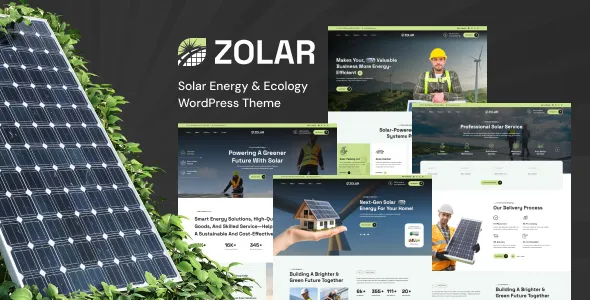
Zolar – Solar Energy WordPress Theme
Zolar – Solar Energy WordPress Theme is a website design solution for solar energy companies, renewable energy providers, photovoltaic installation businesses, sustainability consultants, and clean technology organizations looking to establish a professional online presence with WordPress. As demand for renewable energy continues to grow, businesses need websites that explain their services, communicate the benefits of solar power, showcase completed installations, and help customers explore suitable energy solutions. Zolar can be considered as a starting point for creating a modern website that presents solar services, highlights company expertise, and supports customer inquiries.
A professional solar energy website serves as an important communication channel between renewable energy businesses and their potential customers. Homeowners may want to understand residential solar installations, businesses may be researching commercial energy systems, and property developers may need information about larger solar projects. A well-organized website can help these audiences discover relevant services, review project examples, understand the installation process, and find convenient ways to contact the company.
WordPress provides a flexible content management system for managing pages, publishing articles, displaying project photographs, and updating business information. With suitable customization, Zolar can support a digital presence that reflects a company’s commitment to clean energy and sustainable development. The exact layouts, customization options, and integrations available depend on the installed theme version and its documented features.
What Is Zolar Solar Energy WordPress Theme?
Zolar is a WordPress theme intended for websites related to solar energy, renewable power, and sustainable technology. It can be evaluated by companies that want to present solar products, installation services, energy consulting, and related business information through a dedicated website.
Solar businesses often need to communicate technical information in a way that is understandable to customers with different levels of knowledge. A specialized website can organize services, explain available solutions, present project examples, and answer common questions without overwhelming visitors with unnecessary technical details.
With appropriate customization, a Zolar-based website may include a homepage, company overview, solar services, project portfolio, product information, customer testimonials, blog, and contact page. Depending on the actual theme features and compatible plugins, additional tools may be available for collecting inquiries, requesting quotations, or providing solar project information.
A successful renewable energy website should combine professional presentation with accurate information. Visitors need to understand what the company offers, which types of projects it handles, and how to begin a conversation. Reviewing the current theme demo and documentation before installation helps determine whether Zolar meets the project’s technical and design requirements.
Modern Design for Renewable Energy Businesses
Visual presentation can help a solar company communicate reliability, innovation, and environmental responsibility. A clean and organized website makes it easier for customers to understand available services and explore the company’s experience.
Zolar can be considered for a professional website that reflects the renewable energy sector. Depending on the available customization settings, businesses may be able to adapt colors, typography, imagery, spacing, and page layouts to match their brand identity.
Solar businesses often use visual elements inspired by sunlight, clean technology, nature, and energy efficiency. Blue, green, yellow, and neutral shades may be appropriate, although the best palette depends on the company’s existing branding and target audience.
Images of rooftop solar panels, commercial installations, solar farms, technicians, and energy equipment can help visitors understand the company’s work. These visuals should be relevant to the services offered and should accurately represent the business whenever possible.
A consistent design across service pages, project galleries, and contact sections helps build a recognizable brand. Clear headings, readable text, and well-organized content can also make technical information easier to understand.
Responsive Design for Mobile and Desktop Visitors
Potential customers may search for solar installation services using smartphones, tablets, or desktop computers. A responsive website helps ensure that important information remains accessible across different screen sizes.
When evaluating Zolar, test the actual theme version on mobile devices, tablets, and desktop screens. Navigation menus, service cards, project galleries, contact forms, and pricing information should remain readable and convenient to use.
Mobile visitors should be able to identify the company’s main services, review relevant project information, and find contact details without navigating through complicated menus. Buttons should be easy to select, and important text should remain readable without unnecessary zooming.
Desktop layouts may provide more room for detailed service descriptions, project photographs, technical specifications, and company information. A responsive design should adapt to different screen sizes while maintaining a consistent visual identity.
Testing should cover the complete website rather than only the homepage. Service pages, project galleries, blog articles, and inquiry forms can behave differently on smaller screens. Additional plugins, embedded maps, and custom styling may also affect the final presentation.
A well-tested responsive website helps make solar services easier to explore for customers using different devices.
Showcase Solar Energy Services
A clear services section helps visitors understand the solutions a renewable energy company provides. Customers may be interested in residential solar installations, commercial systems, solar equipment, maintenance, or energy consultation.
Depending on the available layouts, Zolar can be customized to present services through summary sections, service cards, or dedicated pages. The precise templates should be verified in the current product documentation.
Common solar energy services that a company might present include:
- Residential solar installation: Solar panel systems designed for houses and other residential properties.
- Commercial solar solutions: Solar power systems for offices, factories, warehouses, retail spaces, and other business premises.
- Industrial solar projects: Larger renewable energy installations designed around industrial energy requirements.
- Solar panel maintenance: Inspection, cleaning, and maintenance services where offered by the company.
- Solar system consultation: Guidance about project requirements, installation considerations, and available equipment.
- Battery storage solutions: Information about compatible energy storage systems when provided by the business.
- Solar equipment supply: Solar panels, inverters, mounting components, and related products, depending on the company’s offerings.
- Energy efficiency consulting: Services that help customers understand energy use and evaluate potential improvements.
These are examples of services a solar company could describe on its website, not a verified list of functions included with the theme.
Each service page should explain the intended customer, the general process, and the information required to begin a project. Accurate descriptions help customers understand the company’s capabilities and identify the most relevant service for their property.
Build a Professional Solar Company Homepage
The homepage introduces visitors to the business and helps them understand its renewable energy solutions. It should communicate the company’s purpose, highlight its primary services, and provide a clear path toward making an inquiry.
A Zolar-based homepage can be planned around an introductory banner, company overview, featured services, selected projects, customer feedback, sustainability information, and contact opportunities, depending on the layouts available in the theme.
The main headline should clearly describe the company’s focus. Supporting text can explain whether the business specializes in residential installations, commercial systems, solar equipment, or broader renewable energy solutions.
Featured services allow visitors to identify relevant offerings quickly. Project photographs can demonstrate the company’s experience, while a short company introduction can explain its approach to solar energy and customer support.
If the business has genuine customer testimonials or documented project outcomes, these can provide useful context. Any performance figures, savings estimates, or installation statistics should be accurate and supported by appropriate evidence.
A prominent call to action can encourage visitors to request a quotation, ask a question, or explore available services. The homepage should remain focused on the information customers need most rather than containing every possible section.
Showcase Solar Installation Projects
A project portfolio can help potential customers understand the types of installations a company has completed. Visual examples provide context about project scale, installation environments, and the company’s practical experience.
Zolar can be evaluated as a foundation for displaying solar projects through suitable image galleries or portfolio layouts, depending on the available theme features.
A solar company might showcase residential rooftop installations, commercial building projects, industrial solar systems, or ground-mounted solar farms. Each project can include a short description explaining the property type, general project scope, and services provided.
Where appropriate and verified, a project entry may include system capacity, installation location at a suitable level of detail, equipment categories, and completion information. Obtain permission before publishing customer photographs or identifying property information.
Avoid presenting estimated energy savings or system output as guaranteed results. Actual performance depends on factors such as location, sunlight exposure, system design, equipment, maintenance, and electricity usage.
Use high-quality photographs that accurately represent the company’s work. Optimize image sizes to support efficient loading and add descriptive alternative text when images communicate meaningful information.
A well-organized portfolio can provide prospective customers with a clearer understanding of the company’s experience and the types of projects it may be equipped to handle.
Explain Solar Solutions and Their Benefits
Many visitors arrive at a solar energy website with questions about how solar power works and whether a system may be appropriate for their property. Clear educational content can help them understand the basic considerations before contacting a provider.
A Zolar-based website can include sections explaining solar energy, installation requirements, system components, maintenance considerations, and general project planning.
Solar panels convert sunlight into electricity, while inverters convert the generated electricity into a form suitable for compatible electrical systems. Depending on the system configuration, energy may be consumed on-site, exported to the grid under applicable arrangements, or stored using compatible batteries.
The potential benefits of solar energy depend on the customer’s circumstances. Solar installations may help reduce reliance on grid electricity and can contribute to lower electricity costs under suitable conditions. However, actual savings depend on installation costs, system output, electricity tariffs, available incentives, maintenance expenses, and local regulations.
Use straightforward language to explain technical concepts. Provide clear information about the factors that influence a project’s suitability rather than making universal promises about savings or energy production.
Educational content helps visitors ask more informed questions and creates a useful connection between general solar information and the company’s services.
Solar Product and Equipment Information
Customers may want to understand the equipment used in a solar installation before requesting a quotation. A product or equipment section can introduce the main components and explain their roles in a typical solar energy system.
Depending on the company’s business model and the theme’s available layouts, Zolar can be adapted to present solar panels, inverters, mounting systems, monitoring equipment, and compatible battery storage products.
Each equipment description should provide accurate information about the product category, intended application, relevant specifications, and compatibility considerations. Manufacturer details and technical documentation can help customers compare options more effectively.
For installation businesses, equipment information may support service inquiries rather than direct online purchases. For companies that sell solar products, compatible ecommerce functionality may be required if customers need to purchase items through the website. Such functionality should not be assumed to be included automatically with the theme.
Keep technical specifications current and verify information against manufacturer documentation. Avoid unsupported claims about efficiency, lifespan, warranties, or performance.
A well-organized equipment section helps customers understand the components involved in a solar project and prepares them for a more productive discussion with the company.
Customization and Brand Identity
A renewable energy website should reflect the company’s identity, service area, and professional approach. Customization helps businesses create a recognizable presentation rather than relying on an unchanged template.
Depending on the available theme settings and compatible editing tools, Zolar may support adjustments to colors, typography, layouts, spacing, images, and other visual elements. Confirm the specific controls available in the installed version before planning extensive customization.
A residential solar installer may prefer a friendly and accessible presentation, while a company serving industrial clients may prioritize technical detail and project documentation. A renewable energy consultancy might emphasize educational content, sustainability information, and professional expertise.
Use a consistent logo, coordinated colors, readable fonts, and a clear heading hierarchy throughout the website. Project photographs and illustrations should support the company’s message rather than distract from important information.
Replace all placeholder content with accurate company details, relevant service descriptions, and authentic project examples. This helps visitors understand the actual business and its capabilities.
Before making significant changes, create a backup and consider using a staging environment. Testing adjustments before publishing them can help prevent unnecessary disruption to the live website.
SEO-Friendly Structure for Solar Energy Websites
Search engine optimization can help customers discover a solar company when researching renewable energy services. A well-structured WordPress website provides a foundation for publishing useful information, but search visibility also depends on competition, content quality, technical configuration, and other factors.
Each important page should have a clear purpose, a descriptive title, and a logical heading structure. Separate pages can explain residential solar installation, commercial projects, equipment, maintenance, and other services offered by the company.
Use natural language that reflects the questions customers ask when researching solar energy. Avoid excessive keyword repetition or creating pages that contain little useful information.
For local solar businesses, accurate location and contact information can be particularly important. Keep the business name, address, phone number, service area, and operating hours consistent across the website and relevant business listings.
Descriptive URLs and internal links can connect related services, project examples, and educational articles. For instance, a blog post explaining rooftop solar installation can link to the company’s relevant service page.
Images should have appropriate alternative text when they communicate meaningful information. Optimize large media files to support efficient loading.
Compatible SEO plugins may assist with metadata, XML sitemaps, redirects, and other technical settings. No theme can guarantee search rankings or traffic; effective SEO requires useful content, a logical site structure, and ongoing maintenance.
Content Marketing and Renewable Energy Blogging
A blog can help a solar company explain renewable energy concepts, answer common questions, and share information relevant to prospective customers. WordPress provides tools for publishing articles and organizing content into categories.
Zolar may be suitable for combining service pages with educational articles, depending on the available blog templates and configuration.
Useful topics might include the basics of solar panel systems, factors affecting solar energy output, installation planning, equipment selection, routine maintenance, and questions to ask before choosing a solar provider.
A company serving homeowners might publish an introductory guide to residential solar installations. A commercial provider could explain considerations for installing solar systems on business properties. An equipment supplier may share educational information about inverters, mounting systems, or battery storage.
Articles should be accurate, understandable, and relevant to the company’s expertise. Avoid presenting generalized information as a guaranteed assessment of a customer’s property or energy costs.
Internal links can connect educational articles with related services, project examples, and contact pages. This allows readers to move naturally from learning about solar energy to exploring the company’s offerings.
A manageable publishing schedule is often more effective than publishing large volumes of repetitive content. Review articles regularly to ensure that technical information, regulations, and incentive references remain accurate.
Quote Requests and Customer Inquiry Forms
Solar projects often require an initial discussion about the property, energy needs, installation conditions, and available services. A website can make it easier for prospective customers to begin this process.
Depending on the installed theme version and compatible WordPress plugins, a Zolar website may be configured with contact forms or quotation inquiry forms. Verify the available functionality rather than assuming that a complete quoting or project management system is included.
A basic inquiry form might collect the customer’s name, contact information, property type, preferred service, and a short description of the project. For preliminary solar inquiries, customers may also be invited to provide optional information about their location or approximate energy requirements.
Keep forms simple and request only information needed for an initial response. If detailed energy bills or property documents are required later, explain how these will be collected and handled securely.
A confirmation message should make it clear that the inquiry has been received and explain the expected next step. Test form submissions, email delivery, spam protection, and validation messages before launch.
Clear calls to action can encourage visitors to request a consultation, ask a question, or discuss a potential installation. A reliable inquiry process helps connect interested customers with the business.
Performance and Website Loading Speed
A solar company website may contain project photographs, equipment images, diagrams, maps, and other media. These elements can improve the visitor experience, but large files and unnecessary scripts may slow down the website.
The actual performance of a Zolar website depends on the theme implementation, hosting environment, image sizes, fonts, plugins, and external integrations. Responsive design alone does not guarantee fast loading.
Optimize images before uploading them and use suitable dimensions for each display area. Consider efficient media formats where supported and avoid using oversized images when smaller files provide sufficient visual quality.
Review animations, external widgets, and third-party scripts to determine whether they add meaningful value. Remove unnecessary components that increase loading time without improving the customer experience.
Quality hosting, caching, and compatible optimization tools may help improve performance depending on the website configuration. Test important pages, including the homepage, service descriptions, project galleries, and contact forms, on both mobile and desktop devices.
Regular performance checks help identify issues as the website grows. A fast, accessible website makes it easier for visitors to explore renewable energy services and contact the company.
Accessibility and User-Friendly Navigation
A professional solar website should make information easy to locate and understand. Clear navigation, readable typography, suitable contrast, and accessible interactive elements can improve usability for a wide range of visitors.
When configuring Zolar, use logical heading levels, descriptive link text, meaningful alternative text for informative images, and clear labels for form fields. Buttons and links should remain distinguishable without relying exclusively on color.
Navigation should prioritize important sections such as Home, About, Services, Projects, Resources, and Contact, depending on the business’s needs.
Technical information should be organized into manageable sections with clear explanations. Avoid presenting essential details only through images or complicated interactive elements.
Forms should explain which information is required and provide understandable messages when users make an error. Test keyboard navigation and review the website across different screen sizes.
Accessibility depends on the theme, content, plugins, and implementation. Regular testing can help identify issues and maintain a more usable website as the business develops.
WordPress Plugins and Supporting Integrations
A solar energy website may need additional WordPress plugins for contact forms, SEO, analytics, security, backups, caching, or other business functions. The appropriate setup depends on the company’s requirements and the features already available in the theme.
Before installing a plugin, review its compatibility with the current WordPress version and the installed version of Zolar. Check its documentation, update history, licensing terms, and support arrangements.
A contact form plugin may help collect project inquiries, while analytics tools can provide information about visitor behavior. SEO tools may assist with metadata and sitemap management, and backup plugins can support recovery after technical issues.
If the business needs quotation calculations, product sales, appointment scheduling, or customer account management, verify whether compatible third-party tools can provide those functions. Such capabilities should not be assumed to be built into the theme itself.
Avoid installing multiple plugins that perform the same task without a clear reason. Overlapping tools can introduce conflicts and increase maintenance requirements.
After adding or updating an integration, test the relevant pages and user journeys. Pay particular attention to forms, responsive layouts, navigation, and any external services connected to the website.
Security and Ongoing Website Maintenance
Regular maintenance helps keep a WordPress website reliable and secure. Solar businesses may depend on their websites to receive project inquiries, publish technical information, and communicate essential service details, making routine checks valuable.
Use reputable hosting, enable HTTPS, create strong administrator passwords, and assign account permissions according to each person’s responsibilities. Obtain themes and plugins from trustworthy sources and review compatibility before installing updates.
Create regular backups and understand how to restore them. Before major updates or extensive customization, consider testing changes in a staging environment.
Remove unused plugins and themes when appropriate. Periodically review the website for broken links, outdated project details, form errors, and suspicious activity.
Content maintenance is also important. Keep service descriptions, equipment information, contact details, business hours, and promotional content accurate. Review any references to incentives, regulations, and technical specifications before republishing them.
A consistent maintenance routine helps preserve the website’s reliability and supports a professional customer experience.
Who Should Use Zolar Solar Energy WordPress Theme?
Zolar may be worth evaluating for different businesses operating in the renewable energy sector.
Solar installation companies: Present residential, commercial, or industrial installation services and showcase completed projects.
Renewable energy providers: Explain available energy solutions, company expertise, and sustainability-related services.
Solar equipment suppliers: Introduce product categories, technical information, and equipment-related inquiries.
Residential solar businesses: Help homeowners explore solar installation options and learn about the project process.
Commercial solar companies: Present services for offices, factories, warehouses, and other commercial properties.
Solar consultants: Explain consultation services and provide educational information for customers evaluating renewable energy.
Energy efficiency businesses: Introduce services related to energy use, efficiency improvements, and renewable technology where offered.
Clean technology startups: Establish a professional online presence for renewable energy products, services, or technical solutions.
Sustainability organizations: Share educational content and communicate relevant initiatives or projects.
The most suitable choice depends on the required layouts, content structure, integrations, and technical environment. Reviewing the current Zolar demo and documentation helps determine whether the theme fits the project’s needs.
Tips for Building a Successful Website with Zolar
A theme provides the visual foundation, but the success of a solar energy website depends on accurate information, clear service descriptions, relevant project examples, and an accessible customer journey.
Begin by defining the website’s primary objectives. Determine whether the main goal is to generate installation inquiries, present equipment, showcase completed projects, explain renewable energy solutions, or support several related activities.
Prepare essential content before completing the design. This may include company information, service descriptions, project photographs, equipment details, contact information, and answers to common customer questions.
Use a consistent visual identity that reflects the company’s brand. Replace placeholder content with original text and authentic imagery that accurately represents the business.
Organize services into clear categories and explain technical information in straightforward language. Make quotation and contact options easy to find, and test every form before launch.
Review mobile usability, image loading, accessibility, navigation, and SEO structure. Ensure that any figures relating to system performance, savings, warranties, or installation outcomes are accurate and properly qualified.
Finally, create a maintenance plan covering backups, software updates, performance checks, and content reviews. These practices help the website remain dependable as the business grows.
Final Thoughts on Zolar Solar Energy WordPress Theme
Zolar – Solar Energy WordPress Theme is a potential option for solar installation companies, renewable energy providers, equipment suppliers, sustainability consultants, and clean technology businesses looking to establish a WordPress-based online presence. Its solar energy focus makes it relevant to projects that need to communicate renewable energy services, present installation examples, explain equipment, and support customer inquiries.
A thoughtfully customized website can bring together a professional homepage, organized service pages, project galleries, equipment information, educational articles, and convenient contact options. These elements help visitors understand the company’s capabilities and explore potential solar solutions.
The exact capabilities of Zolar depend on the installed theme version, its documented features, and the plugins or services used alongside it. Reviewing the current demo and documentation before installation helps ensure that the chosen setup aligns with the company’s needs.
Long-term effectiveness also depends on accurate technical content, responsive usability, accessibility, search optimization, performance, and regular maintenance. A theme alone cannot guarantee search rankings, customer inquiries, or energy savings, but it can provide a useful foundation for a professional renewable energy website.
For businesses seeking a dedicated WordPress design starting point for the solar industry, Zolar is worth evaluating as part of a broader digital strategy. With thoughtful customization, trustworthy information, compelling project presentation, and consistent maintenance, a well-organized website can strengthen brand recognition and help connect renewable energy businesses with potential customers.